
Loading...
Security breaches and inefficiencies at vehicle access points cost industrial facilities millions annually in lost productivity and compromised safety. The traditional approach of manual checkpoints and guard-based verification struggles to meet the demanding pace and security requirements of modern industrial operations. The Automatic License Plate Recognition (ALPR) market size was valued at USD 6.71 billion in 2024 and is projected to reach USD 14.48 Billion by 2032, growing at a CAGR of 10.10%, demonstrating the rapid adoption of this transformative technology across industries.
ALPR for industry automation is transforming vehicle security by replacing outdated manual processes with intelligent, automated systems that operate continuously without human intervention. These advanced solutions capture, analyze, and respond to vehicle data in real-time, delivering unprecedented security control and operational visibility.
From manufacturing plants to distribution centers, ALPR technology enables facilities to achieve seamless access control, instant threat detection, and comprehensive audit trails that simultaneously strengthen security postures and enhance business intelligence capabilities.


ALPR technology represents a fundamental shift in how industries approach vehicle security and access management. By automating identification processes, facilities achieve faster throughput, reduced security risks, and enhanced operational visibility across all entry and exit points.
ALPR systems automatically read license plates as vehicles approach gates, instantly cross-referencing against authorized databases. This eliminates manual checks, reduces wait times, and ensures only approved vehicles gain facility access without security personnel intervention.
Traditional guard-operated checkpoints are replaced with automated ALPR gates that process vehicles continuously. This reduces labor costs, minimizes human error, and maintains consistent security protocols regardless of shift changes or personnel availability.
Systems instantly identify blacklisted or unauthorized vehicles, triggering immediate alerts to security teams. This proactive approach enables rapid response before potential threats penetrate deeper into facility premises, significantly enhancing perimeter security.
Every vehicle entry, exit, and movement within the facility is automatically logged with timestamps and location data. This creates detailed audit trails for compliance, investigation, and operational analysis without additional administrative burden.
ALPR connects with existing security systems, gates, barriers, and IoT devices to create unified automation ecosystems. This integration enables coordinated responses like automated door unlocking, alarm activation, and synchronized surveillance camera tracking.
ALPR systems combine specialized hardware and intelligent software to capture, process, and analyze vehicle license plates with remarkable speed and accuracy. Understanding these components reveals how the technology delivers reliable automated security.
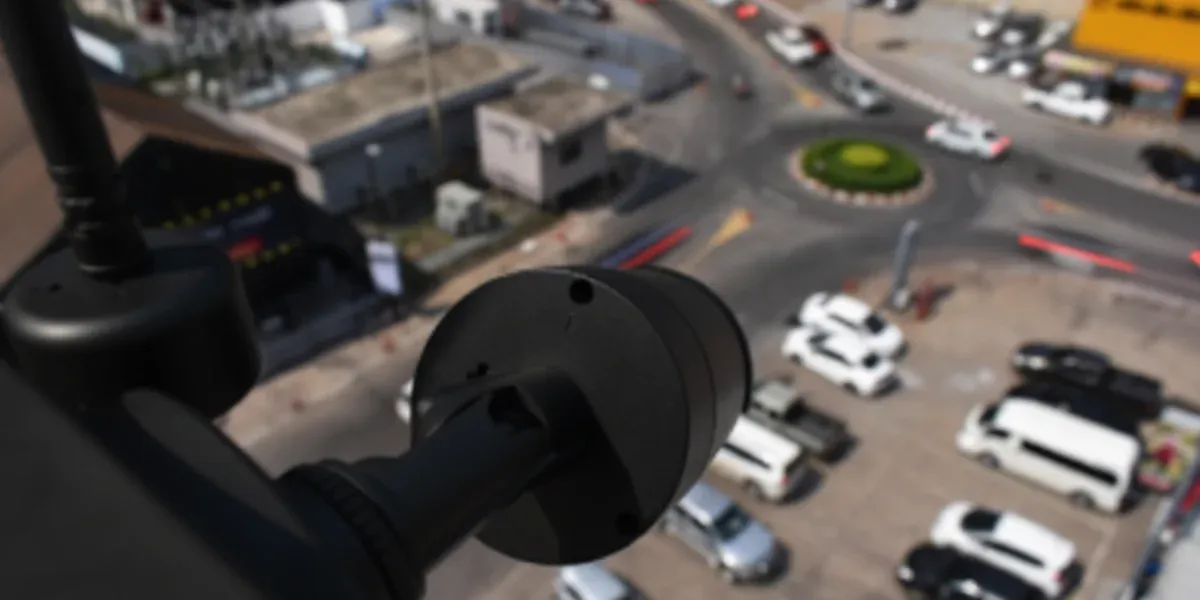
ALPR systems use high-resolution cameras that capture images of vehicles and their license plates day and night. Infrared filters enable clear plate capture in darkness, fog, rain, and challenging lighting conditions that would defeat standard cameras.
OCR technology extracts alphanumeric characters from the license plate by analyzing captured images and converting visual characters into machine-readable digital data. Advanced algorithms handle various plate formats, fonts, and conditions with high accuracy.
Artificial intelligence and machine learning continuously improve recognition accuracy by learning from millions of plate captures. These algorithms adapt to regional plate variations, damaged plates, and unusual formats while reducing false positives and enhancing system reliability through advanced AI capabilities.
Modern ALPR systems feature embedded processors that handle license plate and vehicle reads at the edge, providing actionable knowledge and alerts in real-time. Cloud integration enables centralized data management and multi-site coordination across multiple facilities.
ALPR systems connect to authorization databases, watchlists, and management platforms that store vehicle records. This integration enables instant verification, historical analysis, and coordinated responses across security infrastructure and business systems.
Real-time monitoring capabilities transform ALPR from simple identification tools into proactive security systems that protect facilities before threats materialize. Instant alerts and continuous surveillance create layered defense mechanisms.
ALPR systems maintain continuous surveillance of premises around the clock, capturing license plate data accurately in real-time. These systems operate without fatigue, breaks, or reduced vigilance, ensuring consistent security monitoring regardless of time, weather conditions, or environmental challenges.
When ALPR systems detect vehicles that match watchlists, blacklists, or unauthorized entries, automated alerts are immediately triggered. Security teams receive real-time notifications via mobile devices, email, or control room displays, enabling rapid assessment and response to potential security threats.
Administrators can create and maintain dynamic authorization lists that automatically control vehicle access across all entry points. These centralized databases update in real-time, ensuring consistent policy enforcement without requiring manual coordination between multiple security checkpoints or personnel.
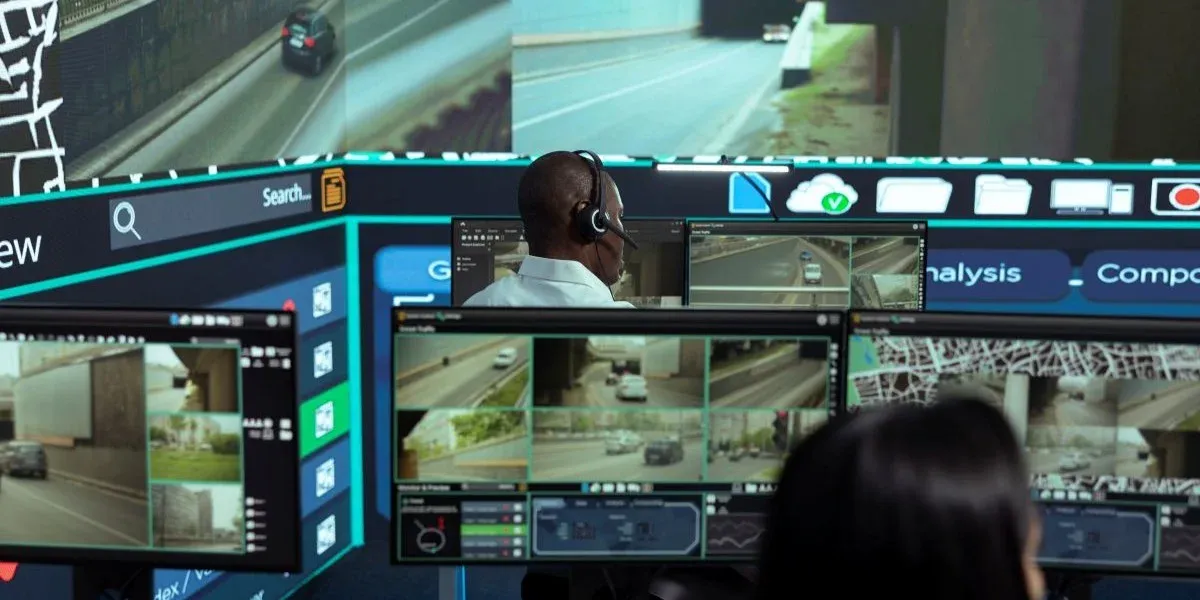
Modern ALPR platforms enable security teams to monitor and manage vehicle access across multiple sites from a single centralized interface. This remote monitoring capability provides visibility and control, allowing immediate response to security events without requiring physical presence at each location.
ALPR systems automatically create searchable archives of all vehicle movements, including entry and exit times, locations, and associated images. These records enable security teams to conduct forensic investigations and verify incidents, using multiple search parameters, including plate numbers, time ranges, and location filters.
ALPR systems generate valuable data beyond immediate security needs, providing forensic evidence and business intelligence that drive operational improvements. This analytical capability transforms raw vehicle data into strategic insights.
Every license plate read creates a record detailing the plate number, vehicle, and driver image, and exact date and time stamp. This irrefutable evidence supports investigations, insurance claims, and legal proceedings with verified documentation.
Detectives review data for specific periods to decipher important information, confirming activities at scenes, identifying traffic patterns, and discovering vehicles that always travel together. Pattern recognition reveals suspicious behaviors and operational inefficiencies.
Thorough databases enable searches by license plate, partial plate numbers, vehicle characteristics, locations, and timeframes. This flexibility accelerates investigations and compliance audits by quickly locating relevant vehicle movements across months of data.
Automated logging creates tamper-proof records demonstrating security protocol compliance for regulatory requirements. These audit trails prove due diligence in access control, visitor management, and security incident response without manual documentation.
Vehicle movement data reveals peak traffic times, bottlenecks, and usage patterns that inform facility layout decisions, staffing schedules, and process improvements. This intelligence extends ALPR value beyond security into operational efficiency.
ALPR's true power emerges when integrated with broader facility management ecosystems, creating synchronized automation that enhances both security and operational efficiency. Modern systems offer extensive integration capabilities.
ALPR systems seamlessly integrate with video management platforms, enabling synchronized recording of license plate data alongside corresponding video footage. Security personnel can search and retrieve video clips using license plate numbers, partial plates, or time ranges, creating a unified view that correlates vehicle identification with visual evidence for investigations.
ALPR connects with enterprise resource planning and warehouse management systems to automate logistics workflows. Vehicle arrivals trigger automated scheduling, dock assignments, and inventory updates, streamlining receiving and shipping operations throughout facilities without manual data entry or coordination delays.
ALPR systems integrate with Internet of Things devices and smart infrastructure to create automated responses based on vehicle authorization. Gate barriers, doors, lighting systems, and alarm mechanisms can automatically respond to vehicle presence, creating responsive environments that adapt based on real-time authorization status.
ALPR complements existing employee badge and access control systems by extending credentials to vehicles. This dual-factor authentication approach strengthens security while enabling seamless entry for authorized personnel, eliminating bottlenecks at vehicle checkpoints without compromising security protocols.
Cloud-based ALPR platforms provide unified management interfaces for multi-site operations, enabling centralized visibility and control. These platforms support remote configuration, real-time monitoring across distributed locations, synchronized policy enforcement, and scalable data storage with secure access from anywhere with internet connectivity.
ALPR technology adapts to diverse industrial environments, addressing unique security and operational challenges across sectors. Each industry leverages ALPR capabilities differently to maximize value and solve specific problems.
Large manufacturing sites and corporate campuses deploy ALPR systems to manage employee parking, contractor access, and delivery vehicle scheduling while maintaining strict security perimeters. These facilities benefit from automated visitor management, reduced gate congestion, and tracking of all vehicles entering and exiting the premises.
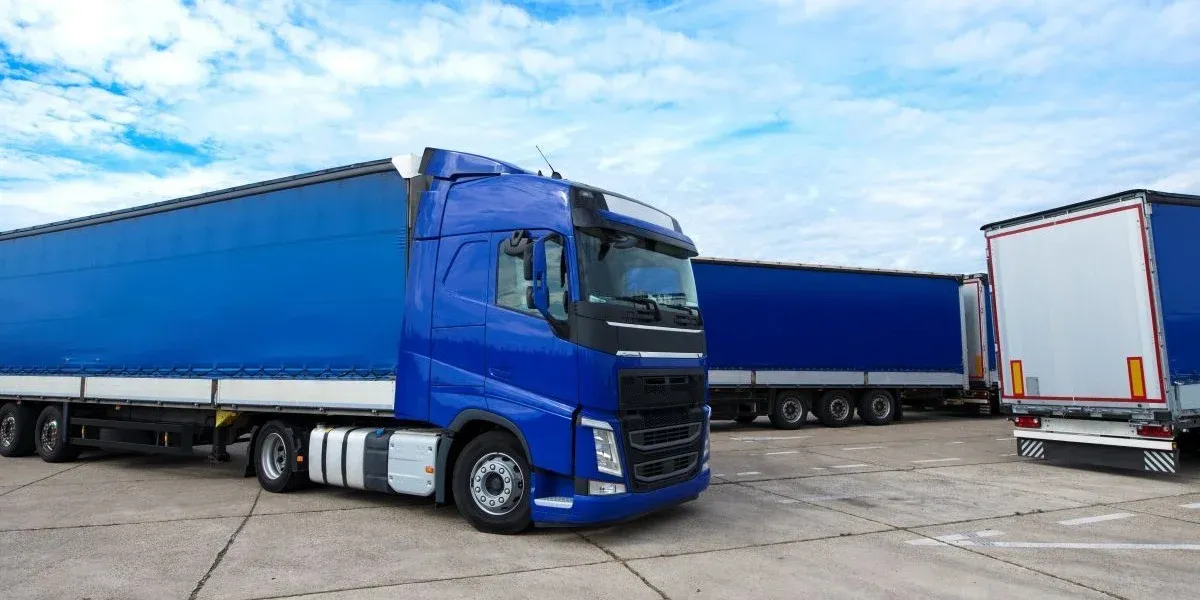
Transportation facilities such as airports, maritime ports, and logistics terminals handle massive volumes of vehicle traffic daily. ALPR systems provide real-time monitoring and identification capabilities, tracking commercial vehicles, service providers, and passenger cars while flagging unauthorized entries or security threats within high-traffic environments.
Distribution facilities utilize ALPR to eliminate manual check-ins and authorize approved vehicles at automated gates, ensuring faster and more secure entry. These systems optimize loading dock operations, verify carrier credentials, streamline appointment scheduling, and minimize unauthorized access risks while maintaining efficient throughput for time-sensitive shipments.
Energy facilities and critical infrastructure sites require stringent security measures for hazardous operations and regulatory compliance. ALPR provides robust perimeter security, tracks contractor and vendor vehicles, maintains detailed access logs for audits, and ensures compliance with industry safety regulations and government security requirements.
ALPR technology transforms parking operations by offering contactless, automated solutions that track vehicle entry and exit in real-time. These systems provide accurate availability data, enable ticketless parking experiences, automate payment processing, reduce revenue leakage from unpaid fees, and enhance overall user convenience.

While ALPR technology offers significant benefits, organizations must address several implementation challenges to ensure successful deployment. Understanding these obstacles helps businesses develop strategies to mitigate risks and maximize system effectiveness.
ALPR systems require substantial upfront investment in cameras, software, infrastructure, and installation. Smaller facilities may struggle with budget constraints, making it difficult to justify costs despite long-term savings and operational benefits.
ALPR systems collect sensitive vehicle location data, raising privacy concerns and regulatory scrutiny. Organizations must navigate complex privacy laws, establish data retention policies, obtain necessary permissions, and ensure transparent data handling practices.
ALPR performance can be affected by poor lighting, damaged plates, unusual fonts, weather conditions, and vehicle speed. False readings and missed captures may occur, requiring manual verification and potentially compromising security effectiveness in critical situations.
Connected ALPR systems face threats including data breaches, unauthorized access, and system manipulation. Organizations must invest in robust security measures, regular updates, and monitoring to protect sensitive vehicle data and prevent potential security compromises.
ALPR systems require ongoing maintenance, software updates, camera cleaning, and calibration to maintain accuracy. Organizations need dedicated technical staff or vendor support contracts, adding to operational costs and requiring continuous resource allocation for optimal performance.
ALPR technology is advancing quickly, and these changes will affect how businesses manage vehicle security in the coming years. Companies that understand and prepare for these developments will gain a competitive advantage.
Modern ALPR systems now extend beyond simple license plate reading to identify vehicle characteristics, including color, type, speed, and direction of travel. Future developments will enable recognition of vehicle damage, cargo types, trailer configurations, and driver behavior patterns, expanding applications beyond security.
Organizations deploying ALPR systems must understand the increasing regulatory scrutiny around data privacy, collection practices, and retention policies. Responsible implementation requires clear data governance frameworks that define collection purposes, establish retention periods, and ensure compliance with evolving privacy regulations.
The rise of autonomous and connected vehicles will transform ALPR functionality from passive identification to active communication systems. Vehicle-to-infrastructure integration will enable automated facility access authorization, dynamic routing optimization, and coordinated traffic management without requiring human intervention at checkpoints.
Expanding ALPR adoption increases exposure to cybersecurity threats, including unauthorized access, data breaches, and system manipulation. Next-generation systems will incorporate advanced security measures such as blockchain-based verification, end-to-end encryption, and intrusion detection to protect sensitive vehicle data.
ALPR systems are becoming foundational components of intelligent urban infrastructure, supporting traffic monitoring, public safety initiatives, and city planning efforts. Industrial ALPR deployments will increasingly integrate with broader smart city ecosystems, enabling regional data sharing and comprehensive urban mobility management across municipal boundaries.
Folio3 AI delivers enterprise-grade ALPR solutions tailored to industrial automation requirements, combining cutting-edge AI capabilities with flexible deployment options. Our custom-built systems scale from single facilities to city-wide implementations.
Deploy our ALPR software on your current CCTV or IP camera network without costly hardware upgrades. This compatibility makes rollouts quick and economical, leveraging existing investments while adding intelligent vehicle recognition capabilities to legacy systems.
Achieve rapid and accurate license plate recognition even in fast traffic, low-light environments, and adverse weather conditions. Our AI algorithms continuously adapt to challenging scenarios, maintaining consistent performance where traditional systems fail.
Identify vehicle make, model, color, direction, speed, and dwell time to enhance both planning and enforcement activities. This comprehensive vehicle characterization enables advanced analytics and automated responses beyond simple plate identification.
Track vehicles across multiple lanes, junctions, and parking zones simultaneously, perfect for high-density urban areas. Our scalable architecture handles complex traffic patterns and coordinates responses across distributed facility locations without performance degradation.
Get immediate alerts for blacklisted or suspicious vehicles and automate parking violation issuance for faster response. Configurable rules trigger customized actions based on vehicle characteristics, authorization status, and behavioral patterns.
ALPR (Automatic License Plate Recognition) uses high-resolution cameras and OCR software to automatically capture and read vehicle license plates in real-time. In industrial settings, it automates access control, tracks vehicle movements, and integrates with security systems to manage facility entry without manual intervention.
ALPR provides 24/7 automated monitoring, instant threat detection, and comprehensive audit trails that manual systems cannot match. It eliminates human error, processes vehicles faster, and enables proactive security responses by automatically identifying unauthorized vehicles before they access sensitive areas.
Yes, modern ALPR cameras equipped with infrared filters and advanced image processing algorithms function effectively in darkness, rain, fog, and snow. These systems automatically adjust to challenging conditions, maintaining high accuracy regardless of weather or time of day.
Manufacturing facilities, warehouses, distribution centers, ports, airports, oil and gas installations, and corporate campuses gain significant benefits. Any industry with vehicle access control needs, high traffic volumes, or security compliance requirements can leverage ALPR to improve operations.
ALPR connects via APIs to ERP, WMS, and TMS platforms, automatically triggering workflows when vehicles arrive. This integration enables automated dock assignments, inventory updates, and shipment notifications that streamline logistics operations without manual data entry.
Most facilities achieve ROI within 12-24 months through reduced security personnel costs, eliminated manual processing, and decreased security incidents. High-traffic facilities with significant labor costs often see returns within 6-12 months.
Modern ALPR systems achieve 95-99% accuracy even at highway speeds up to 120 mph under optimal conditions. Accuracy depends on factors like camera quality, lighting, plate condition, and system calibration, with industrial applications typically exceeding 97% accuracy.
The system immediately sends alerts to security personnel via mobile devices, emails, or control room displays. Simultaneously, it can trigger automated responses like gate denial, camera tracking, alarm activation, and logging the incident for investigation.
ALPR data is typically encrypted both in transit and at rest, with access controls limiting who can view records. Organizations implement retention policies defining how long data is stored, ensure compliance with privacy regulations, and conduct regular security audits.
Yes, advanced ALPR systems use AI to identify vehicle make, model, color, type, direction of travel, and speed. This comprehensive vehicle characterization enables sophisticated analytics, automated enforcement, and operational insights beyond simple license plate identification.