

Loading...

Face detection is one of the emerging technologies in the era in which we find ourselves. The spread of this technology is due to its significance. Face detection uses are present in a wide range of contexts and keep improving our lives. In this essay, we'll go through four applications where face detection is frequently employed.
Face detection is a computer technology that uses artificial intelligence. Computers can thus utilize face detection and its attributes. "facial detection" may also refer to face detection in specific contexts. Systems for recognizing and extracting the face region from the backdrop are known as face detection systems—the capability of face detection to perform face scanning, face matching, and image processing.

The uses of face detection are as follows.
Medical and Services:
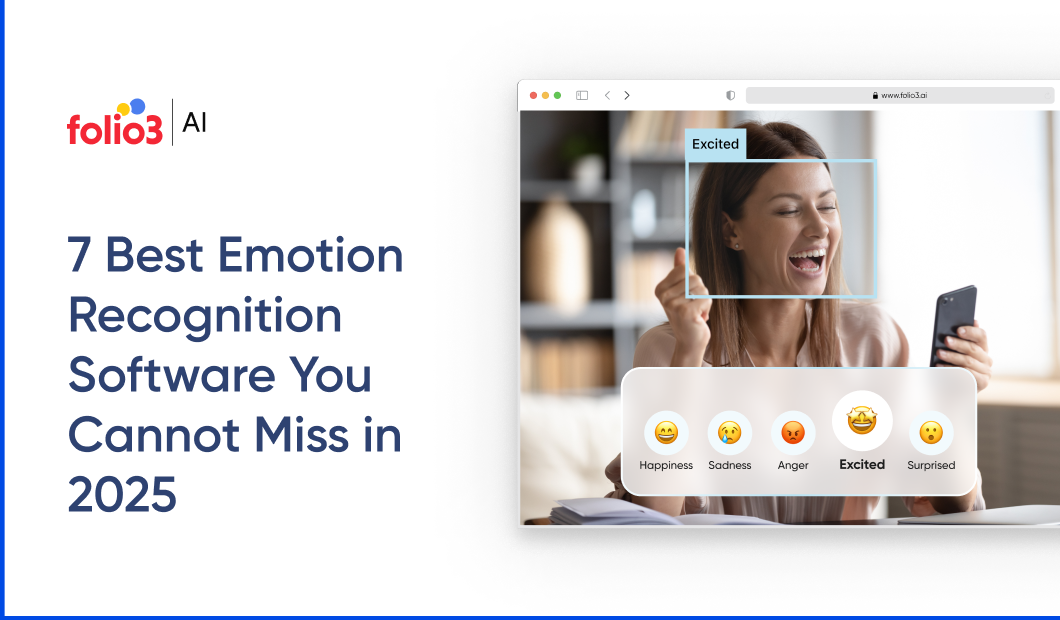
Facial detection is the foundation of facial recognition technology. Facial detection is required to employ facial recognition technology. Face recognition can diagnose disorders that result in perceptible changes in physical appearance when face detection is utilized in healthcare settings. Face detection also has the capability of determining age and gender and analyzing emotions based on facial expressions. These properties allow for the discovery of new technologies. For instance, a company created an app that enables facial detection for blind users. When someone smiles, the device recognizes their face and vibrates to warn blind users.
Retail
Tremendous commercial opportunities are also being taken advantage of in terms of advertising. This is well illustrated in the Philippines, where the start-up AdMov deployed iPads with facial recognition technology in cabs. The software can decide which adverts to display based on a person's appearance and mood. Additionally, by monitoring the passengers' ocular movements, AdMov can adjust its programming and approach based on when a passenger becomes disengaged. Moreover, Douwe Egberts, a coffee brand, ran a successful campaign in South Africa using a coffee machine at Tambo International Airport. Using face recognition technology, they set up the machine to automatically distribute a free cup of coffee whenever someone walked by yawning. Of course, the story was a big smash and received international attention.
Access and Border Control
Face detection is being utilized in access control to enhance security and the user experience, such as at border checks at businesses and international airports. Inns like India's Lemon Tree Hotels are a prime illustration of this. The AI face detection solution technology in NEC's NeoFace® Watch allows Lemon Tree Hotels to recognize visitors before entering the property. Automatic alerts to reception, for instance, can inform them who is entering the hotel so they can personalize the greeting for each visitor and streamline or automate the check-in process. Similarly, notifications can be issued to hotel security when an incoming person matches one on a watch list, which may call for the hotel to take a different action. Facial recognition has allowed Lemon Tree Hotels, the third-largest hotel chain in India, to add another layer of service and security for its customers in a busy setting inside a highly competitive industry.
Smart technologies and smartphones
As we previously noted, cell phones and other intelligent technologies are a significant consumer space where facial recognition algorithms are used. The first and best-known instance occurred when Apple debuted the iPhone X and Face ID in September 2017, enabling users to use their faces to unlock their phones. The feature wowed the spectators and quickly became a prerequisite for high-end smartphones made by other manufacturers, including Huawei, Samsung, LG, and OnePlus. Other types of smart equipment, including smart TVs, increasingly use facial recognition. These gadgets enable consumers to operate their TVs without a remote control by combining speech recognition and gesture control. Smart cities are adopting facial recognition to give residents a safer, smarter experience. In addition, facial recognition is being used by retailers, rideshare companies, and event venues to make their spaces safer and enhance the overall experience for residents of smart cities.
https://youtu.be/tTaHxmbCs6U
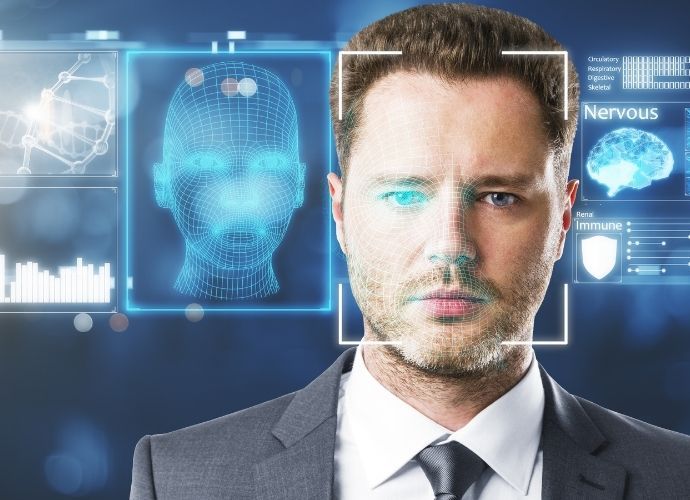
Many people are interested to know how Face recognition works. To understand the algorithms, we must first understand how a face is formed.