

Loading...
Face recognition technology has come a long way since its inception. It was invented for security purposes and gradually adopted everywhere for different reasons, such as attendance and monitoring. The benefits of face recognition technology are far more than just mere recognition; it contributes to the analysis and classification of humans for advanced monitoring in public safety.
Some of the key benefits of face recognition technology beyond security are:
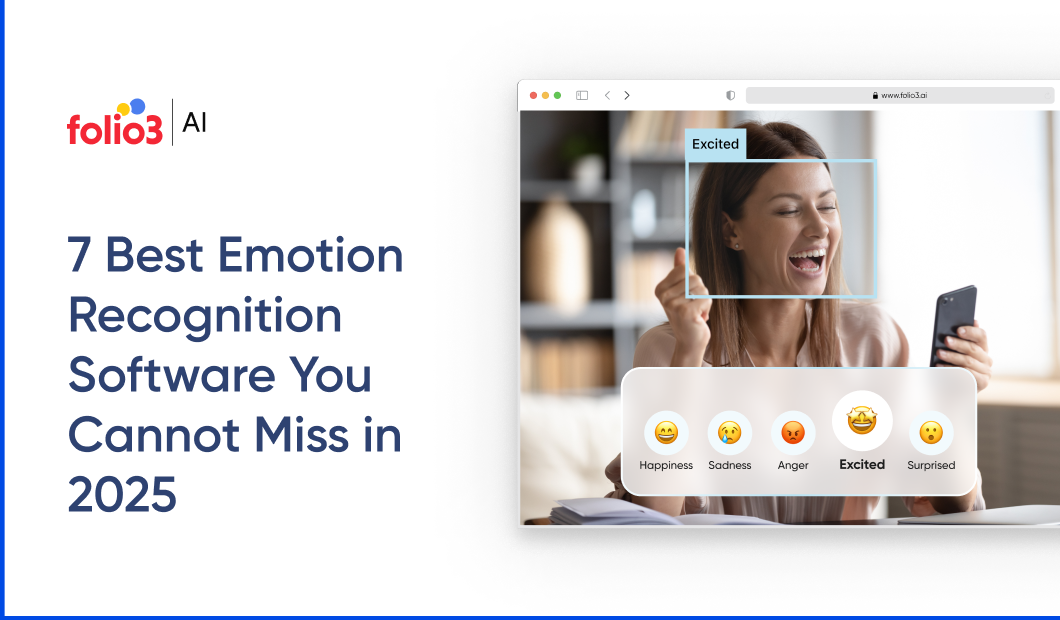
Face recognition technology has performed a different role in every industry. One of its services includes making a mark in the customer service industry. It’s human nature to have a positive response when greeted warmly and addressed by their name. Now, facial recognition services technology can recognize returning customers based on past purchases and greet them by name when they walk into a store or restaurant. It creates the best experience, making the customer feel valued and special. This technology also notices facial expressions of how customers feel about their products or services, enabling them to adapt and improve accordingly. For example, a luxury clothing store can use facial recognition to identify VIP and loyal customers and offer them exclusive discounts and access to private shopping areas. The system recognizes their previous purchases and browsing history to suggest recommendations, making their shopping experience enjoyable. This also works for hotels that use it to welcome returning guests by name and provide them with preferred room amenities, such as their pillow type or newspaper of choice.

Automatic attendance makes the lives of schools and other companies easy. The system can quickly and accurately identify students or employees, saving time and reducing human error. It means no longer needing manual tracking systems like punch cards or sign-in sheets. This technology not only records the employee’s attendance but also their arrival and departure times, providing accurate data for payroll purposes. It also helps with managing shifts and breaks, as it can detect when an employee is away from their workstation. An example of this benefit is when a university uses this technology to take attendance in large lecture halls. It eliminates the need for manual roll calls and ensures that students are present at the start of class. This saves valuable instructional time and streamlines administrative tasks for teachers. The same goes for a company with multiple branches that uses facial recognition to track their employees’ attendance and work hours, streamlining the payroll process. This also makes it easier for managers to keep track of their team’s attendance and make necessary adjustments if needed.
The benefits of face recognition technology are not limited to the retail or corporate world. It is also making a visible impact on healthcare. It can assist in patient identification, ensuring the proper treatment and medication are given to the correct person. This reduces medical errors and enhances patient care. It also keeps track of patients’ progress by learning their facial expressions, so if any changes are needed in their condition or well-being, the patient gets treated immediately. It provides doctors with valuable insights and enables them to provide personalized care. For example, a hospital can use this technology to identify patients and access their medical records, providing doctors with a complete overview of their health history.
We can help people with disabilities by recognizing facial features, such as eye movements or gestures. It helps assist those with speech or motor impairments in communicating more effectively. Also, it can unlock doors or grant access to digital services without requiring physical interaction. It can also help individuals with visual impairments navigate their surroundings by providing audio instruction or voice commands. This technology can help individuals with disabilities have a better quality of life, making tasks that were once challenging much more manageable. An example of this is the use of facial recognition in a public building to assist individuals with disabilities in navigating the facility. By understanding specific facial gestures or movements, it provides audio instructions to guide them to their desired location. A company can also implement it to help employees with disabilities, allowing them to interact and communicate through gestures recognized by the system. This promotes inclusion and creates a more accessible work environment for all employees.
In this fast-paced world, we can’t even realize how facial recognition provides an extra layer of security to prevent fraud. This technology can easily identify, authenticate, and verify any individual in a matter of seconds. This is an ideal tool to eliminate the possibility of fake identities or forged credentials. Companies can also safeguard their business operations and assets from fraudulent activities. A bank using facial recognition during ATM withdrawals can be its example. This will help to ensure that only authorized individuals can access their accounts. Plus, it can automate building security and environmental controls.
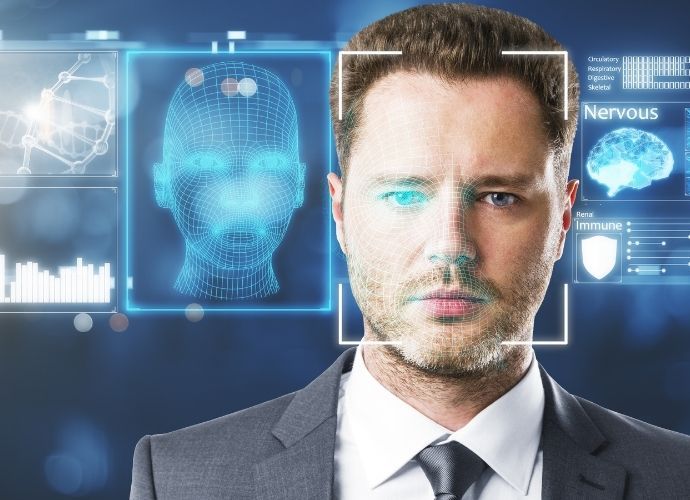
Many people are interested to know how Face recognition works. To understand the algorithms, we must first understand how a face is formed.