
Loading...

The global fashion industry is valued at over 3 trillion dollars, contributing to around 2% of the worldwide GDP. From the innovation of sewing machines to the adoption of the eCommerce marketplace, the fashion industry is one of the few industries that has remained at the forefront of technological innovation. Today, the fashion industry is still pushing ahead with the fast implementation of disruptive technologies, including AI, Computer Vision, and Machine Learning. In the recent past, Artificial Intelligence has become an essential technological advantage for the fashion industry, to the extent that over 40% of all retailers not adopting AI technology are on the verge of bankruptcy. From clothing detection to fashion tagging to apparel designing and virtual merchandising, the industry is fast implementing AI, ML, and Computer Vision technologies across all business operations. The total global spend on AI technologies in the fashion industry is expected to cross USD 7 billion by 2022, clearly establishing the importance of technology. Artificial Intelligence, along with computer vision and machine learning technologies, is enabling the fashion industry to gain a competitive edge by designing efficient processes and delivering a seamless shopping experience to customers for increased profits. Here in this blog, we will be looking at the various impacts of Artificial Intelligence on the fashion industry;
According to one research by McKinsey, the top 20% of the global fashion brands generate over 140% of the industry profits. If we are to check the reasons behind these phenomenal profit rates, it’s simply because these leading brands are exploiting the advances of AI, computer vision, and big data to adhere to customers’ personalization demands. This also means that any clothing company/fashion brand looking to squeeze profits from this massive industry needs to invest in AI and associated technologies. Now that we have a rationale of the significance of AI and other technologies for the fashion industry, let’s take a look at how these technologies are making an impact on the industry;
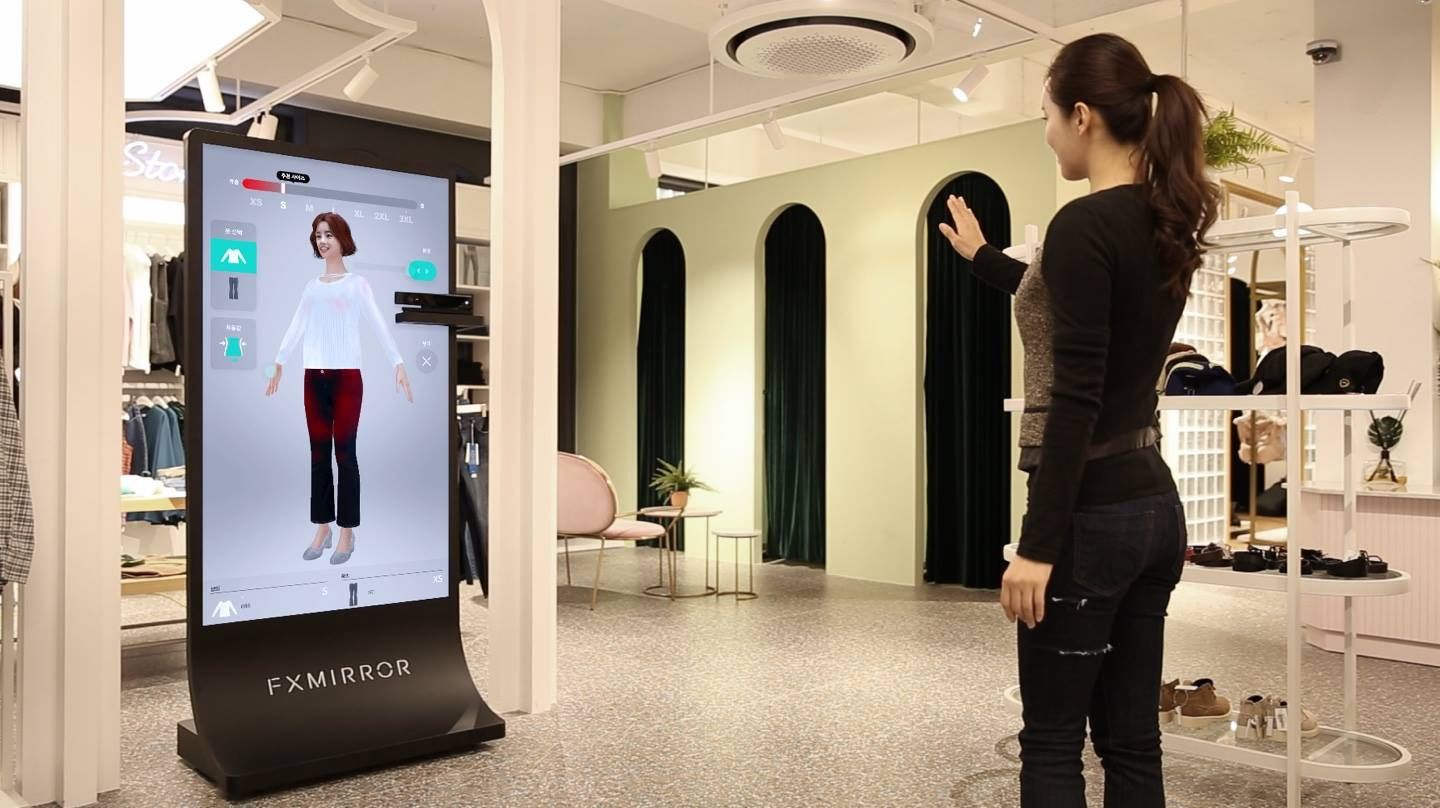
Clothing detection is one of the major applications of AI and computer vision technologies to develop efficient recommendation systems. Today, leading fashion brands are using image processing techniques along with augmented reality (AR) and virtual reality (VR) to bridge the gap between online and in-store shopping. With powerful AI algorithms backed by AR and VR, fashion brands can offer shoppers clothing recommendations through digital media. Tommy Hilfiger used VR technology to develop a virtual replica of its retail store, offering customers a real-time virtual shopping experience for its online stores.
Apart from clothing detection and virtual merchandising, leading fashion brands are also exploiting Big Data technology to store, analyze, and understand customers’ personalization needs for apparel. This enables them to design more in-demand apparel and maximize sales and profits. In collaboration with Google, Zalando (a German fashion platform) has been using AI-based fashion designing tools to meet customers’ personalization requirements on colors, textures, and other preferences.

Now that we are done looking at the impacts of AI and related technologies in the fashion industry, let’s now move on to see some of the best use cases of technological innovation by top fashion brands.
The Chinese retail giant Alibaba is no newbie to technological innovation. As one of the biggest retailers, Alibaba has invested heavily in implementing disruptive technologies to revolutionize the shopping experience for its customers. Alibaba has recently opened its first FashionAI store that offers intriguing features, including; smart garment tags, smart mirrors (VR-based cloth detection), and others. The technological implementation has enabled Alibaba to offer its customers a unique shopping experience and benefits them with AI-based fashion recommendations that adhere to their style preferences. Also, the FashionAI store can be integrated with Alibaba’s app, thanks to the use of Omni-channel technology that offers customers a seamless and consistent experience.
In collaboration with IBM, Tommy Hilfiger has developed a pioneering fashion project named “Reimagine Retail.” The project aims to equip fashion designers with the AI skills they need to succeed in the evolving industry. As a result, aspiring fashion students can get their hands on various technical skills, including computer vision, natural language processing (NLP), and others, to excel in the industry.
The e-commerce retail and tech giant Amazon is also credited with mastering the recommendation system. The company was one of the first to design and implement a robust recommendation system that revolutionized the e-commerce industry. With its massive investment in technological innovation products, Amazon is now developing an AI-powered fashion designer algorithm. This disruptive algorithm is being designed to copy the fashion style of in-vogue clothes to new clothing items. The AI-powered Fashion Designer algorithm development is enabled by Amazon’s Echo Look fashion assistance, which is highly regarded as the best recommendation system driven by machine learning.