
Loading...
Manual cattle counting remains one of the most time-consuming and error-prone processes in modern ranch operations. Large-scale cattle operations routinely lose 8-12 hours per week to manual headcounts, while human counting errors can result in inventory discrepancies that impact everything from insurance claims to sale negotiations.
The agricultural sector faces an unparalleled labor crisis, with immigrant workers comprising 73% of the farm workforce, while immigration policies create ongoing workforce instability. Simultaneously, consumer demands for traceability and regulatory compliance requirements continue expanding, creating additional operational complexity that manual systems struggle to manage effectively.
Folio3's AI-powered cattle counting solution addresses these operational challenges through proven computer vision technology integrated with comprehensive IoT monitoring systems. This solution delivers verified counting accuracy while reducing traditional counting time from 8-12 hours, enabling ranch operations to optimize labor allocation and improve decision-making through real-time data analytics.

Contemporary cattle operations face mounting pressure to optimize efficiency while managing larger herds that exceed traditional monitoring capabilities. Moreover, stricter regulatory requirements and evolving consumer demands for transparency create additional operational complexity that manual systems struggle to accommodate.
Agricultural workforce shortages have reached critical levels across the United States, creating operational bottlenecks for ranch managers. Subsequently, many operations struggle to find qualified ranch hands capable of performing essential livestock management tasks.
Operations managing 1,000+ head encounter increasingly complex logistical challenges that manual counting methods cannot adequately address. Furthermore, human error rates escalate proportionally with herd size, ultimately leading to inventory discrepancies and potential financial losses.
Federal and state animal welfare regulations mandate tracking and detailed documentation that traditional manual systems consistently fail to provide. Additionally, manual record-keeping frequently falls short of stringent regulatory standards, thereby creating substantial compliance risks and exposing operations to potential penalties.
Today's increasingly informed consumers demand detailed knowledge about food production processes, requiring complete traceability from ranch operations through retail distribution. Therefore, this transparency necessitates detailed documentation that manual systems struggle to provide consistently and accurately.
Cattle theft remains a persistent problem for ranchers, with stolen livestock causing thousands of dollars in losses each year. Traditional security measures often fall short, especially across large, open ranchlands where constant surveillance is difficult.
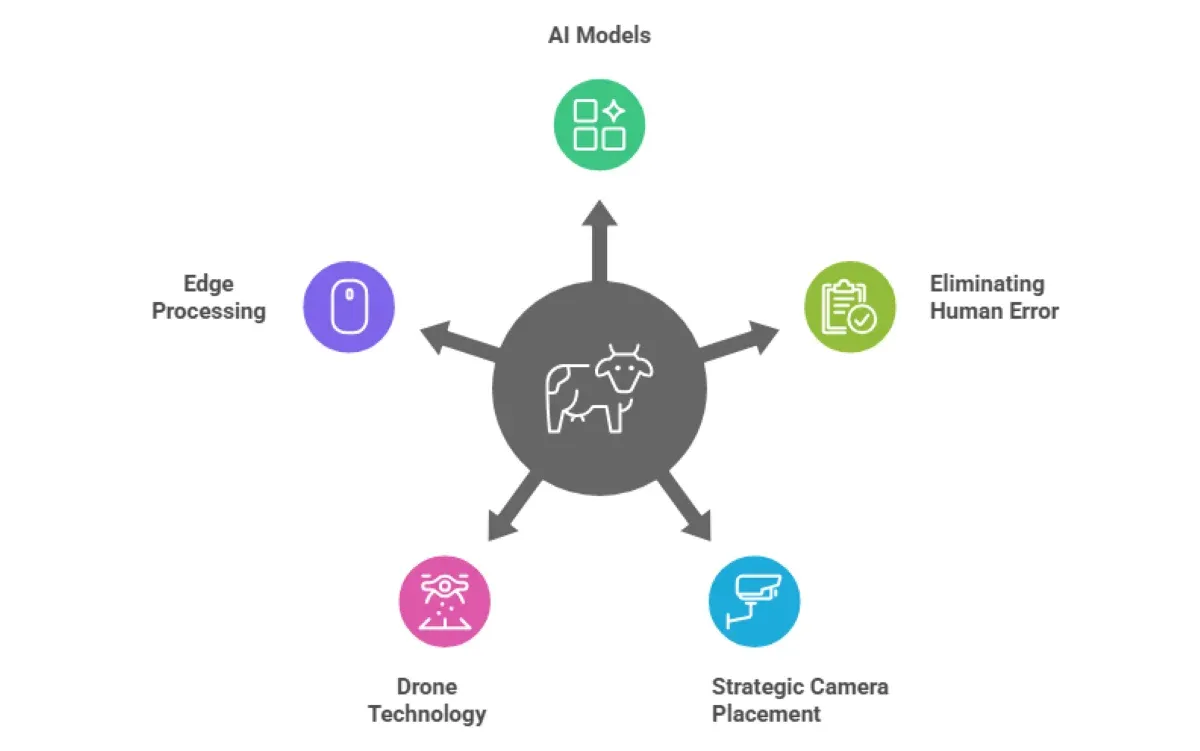
Computer vision technology has undergone remarkable advancements to effectively handle the complex challenges inherent in livestock environments. Additionally, these sophisticated systems provide accurate counting capabilities even during adverse weather conditions and across varied terrain characteristics.
State-of-the-art algorithms distinguish cattle from complex background elements with exceptional precision using specialized machine learning models explicitly trained on detailed livestock imagery datasets. Furthermore, these advanced models successfully recognize cattle in various positions and challenging lighting conditions.
Sophisticated vision AI systems achieve 99.5% accuracy compared to manual livestock counting performed by trained human counters working under identical environmental conditions. Consequently, this substantial improvement eliminates costly counting errors that negatively affect inventory management systems.
Strategic camera placement at key locations, including gates, chutes, and feeding areas, enables automated cattle movement capture without requiring continuous human oversight. Additionally, these robust systems operate continuously regardless of weather conditions or time of day.
Sophisticated aerial monitoring capabilities can survey entire pastures within 20 minutes, compared to labor-intensive half-day manual counts required for equivalent coverage areas. Furthermore, advanced drones equipped with high-resolution cameras provide comprehensive herd overviews that ground-based observation methods cannot match.
Advanced on-site processing units analyze imagery data immediately without requiring constant cloud connectivity or internet access for fundamental operational functions. Additionally, this innovative approach provides instantaneous results while significantly reducing bandwidth requirements for rural operations with limited internet infrastructure.
Modern IoT devices create a complex network of sensors that monitor individual animals and environmental conditions around the clock for optimal ranch management.
Collar and ear tag sensors offer 2-3 year battery life with 1KM+ range capabilities that withstand harsh ranch conditions. These devices provide continuous data collection without frequent maintenance requirements, reducing operational overhead while ensuring consistent monitoring across large properties with varying terrain and weather conditions.
Advanced sensors monitor eating, drinking, ruminating, walking, standing, lying, grooming, chewing, and idle behaviors for health assessment. Each metric contributes to a complete picture of individual animal health and well-being, enabling ranchers to identify issues before they become serious problems requiring expensive intervention.
Air quality, temperature, and humidity sensors ensure optimal conditions for livestock health across different areas of ranch operations. These measurements help prevent heat stress and respiratory issues that can affect entire herds, providing early warning systems that allow proactive responses to environmental challenges.
Automated feeding systems distribute precise portions based on individual animal requirements and nutritional needs determined by monitoring data. These systems reduce waste while ensuring each animal receives appropriate nutrition for optimal growth and health, maximizing feed efficiency and reducing operational costs significantly.
WiFi, cellular, and satellite options provide reliable data transmission even in remote locations where traditional internet access is limited. Multiple connectivity approaches ensure continuous monitoring regardless of infrastructure limitations, maintaining operational visibility across properties that span large geographic areas with varying connectivity challenges.
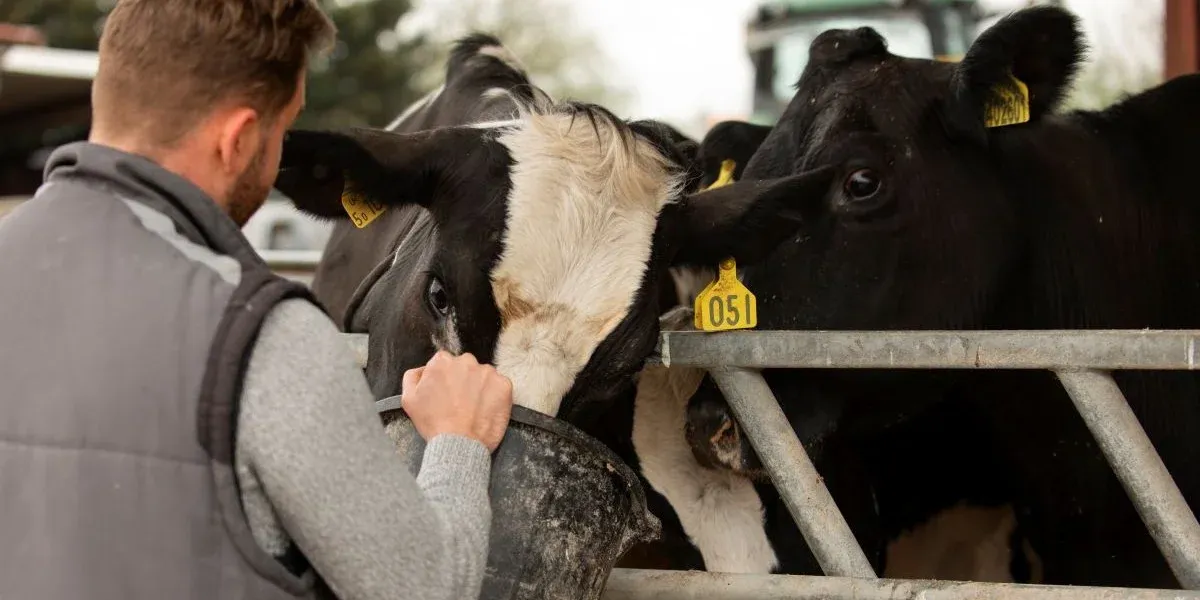
Combining AI counting with IoT health monitoring creates a thorough management system that provides both quantity and quality data for informed decision-making.
AI systems provide accurate herd numbers while IoT devices deliver detailed information about each animal's condition and behavioral patterns. This combination enables precise management decisions based on complete information, allowing ranchers to optimize resource allocation and respond quickly to emerging issues affecting individual animals or groups.
Behavioral analysis can identify illness before visible symptoms appear by detecting subtle changes in normal activity patterns. Changes in movement, feeding, or resting patterns often indicate health problems days before traditional observation methods detect issues, enabling early intervention that prevents more serious complications.
Behavioral changes in dairy cattle can indicate mastitis development before physical symptoms become apparent to human observers. Early detection enables prompt treatment that prevents production losses and reduces treatment costs, maintaining milk quality and quantity while protecting animal welfare and operational profitability.
Environmental sensors combined with behavioral data identify heat stress conditions before they affect animal performance and productivity. Automated cooling systems can respond immediately to maintain optimal conditions, preventing heat-related losses that can significantly impact ranch operations during extreme weather conditions.
Movement sensors detect subtle changes in walking patterns that indicate developing lameness issues before they become visible. Early intervention prevents minor issues from becoming serious mobility problems that affect long-term productivity, reducing veterinary costs and maintaining animal welfare standards across the operation.
Data-driven ranch management strategies deliver measurable improvements in operational efficiency and sustained profitability across multiple areas of ranch operations and comprehensive livestock management systems.
In-depth industry analysis demonstrates that progressive operations achieve substantial cost reductions through decreased labor expenses, proactive health intervention programs, and optimized resource allocation strategies. Furthermore, these accumulated savings typically offset initial system implementation costs within the first operational year.
Progressive European dairy operations report substantial milk yield improvements over multi-year periods following IoT implementation across their facilities. Moreover, enhanced animal health monitoring and optimized feeding protocols contribute to sustained production improvements.
Automated monitoring systems effectively liberate ranch workers to focus on higher-value activities, including specialized animal care, critical facility maintenance, and strategic business growth planning. Additionally, this strategic reallocation improves job satisfaction while simultaneously addressing persistent labor shortage challenges.
Proactive early intervention protocols prevent minor health issues from developing into expensive problems requiring extensive treatment and costly medication regimens. Furthermore, prompt action based on continuous monitoring data reduces veterinary expenses and medication costs.
Progressive insurance providers offer substantial premium discounts for operations implementing comprehensive monitoring systems that demonstrate measurably reduced risk profiles. Documented animal care practices and detailed health monitoring data provide compelling evidence of proactive management approaches.
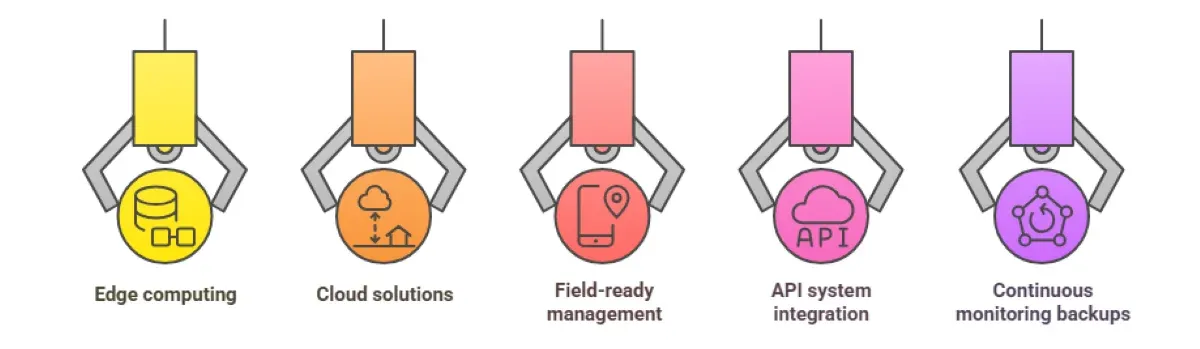
Modern ranch technology requires robust architecture that handles data collection, processing, and reporting while maintaining reliability in challenging environmental conditions.
On-ranch processing units analyze sensor data and imagery without requiring constant internet connectivity for basic operational functions. This approach provides real-time insights while reducing bandwidth requirements and improving response times, ensuring critical decisions can be made immediately based on current data availability.
Centralized data storage and processing capabilities support advanced analytics and reporting functions for comprehensive ranch management. Cloud infrastructure scales automatically to handle growing data volumes as operations expand, providing reliable access to historical data and trend analysis for strategic planning.
Smartphone and tablet applications enable ranch managers to access current data from anywhere on the property during daily operations. Mobile connectivity ensures critical information is always available when making management decisions, whether in the field, at feeding areas, or during cattle handling and processing activities.
Open architecture allows integration with existing software systems via API and future technology additions without disrupting current operational workflows. Standardized connections ensure compatibility with various management tools and reporting requirements, protecting existing technology investments while enabling system expansion and enhancement over time.
Redundant data storage and processing capabilities prevent data loss during equipment failures or connectivity issues that could disrupt operations. Multiple backup levels protect valuable historical data that supports long-term decision making, ensuring business continuity and protecting the investment in data collection and analysis infrastructure.
Emerging technologies promise to further transform ranch operations through increased automation and more sophisticated monitoring capabilities for enhanced productivity and sustainability.
Immutable records track individual animals from birth through processing, providing complete traceability for consumers and regulatory compliance requirements. This transparency supports premium pricing for operations demonstrating superior animal care practices while meeting evolving market demands for food safety and quality assurance.
Higher bandwidth and lower latency support more sophisticated monitoring applications, including video streaming and real-time behavioral analysis. Improved connectivity expands possibilities for remote ranch management, enabling more detailed data collection and analysis that supports precision livestock management across large geographic areas.
Autonomous vehicles handle routine tasks like feed distribution and herd movement, reducing labor requirements while maintaining consistent care schedules. These systems work around the clock without human supervision, providing reliable automation that addresses labor shortage challenges while improving operational efficiency and consistency.
Advanced AI models can distinguish between different livestock types and breeds within the same operation for more precise management. This capability supports mixed operations and provides more detailed management information, enabling breed-specific care protocols that optimize performance for different genetic lines and market requirements.
Environmental monitoring systems measure and report greenhouse gas emissions, supporting sustainability initiatives and potential carbon credit programs. This data helps operations demonstrate environmental responsibility while identifying opportunities for improved efficiency and reduced environmental impact through data-driven management decisions.
One of Australia's largest beef producers transformed its operation with Folio3 AI's state-of-the-art computer vision technology, automating cattle counting across its massive network.
This world-class agribusiness division is the second largest producer of beef in Australia, with a total herd capacity of 340,000 cattle. Owning over 14 properties spread from Western Australia to New South Wales, the company manages some of the finest cattle in the industry, serving both domestic and international markets with premium beef products.
The client needed to maximize operational efficiency when managing and monitoring cattle across their vast properties spanning multiple Australian states. Manual counting processes were prone to human error and time-consuming, making it difficult to maintain accurate inventory records for their extensive operations, requiring precise cattle management across diverse geographic regions.
Folio3 AI developed a detailed cattle counting solution utilizing machine learning to provide accurate real-time counts using live video from HD drone cameras. The system automatically detects and counts cattle entering or leaving facilities, with the video and images processed through advanced AI algorithms for instant herd counts and operational insights.
The solution included a complete dashboard for managing operations and generating detailed reports for stakeholder communication and operational planning. Folio3 AI's team of 9 experts delivered the project in just 5 weeks, utilizing object detection and classification expertise alongside web development capabilities for comprehensive system integration.
With Folio3 AI's cattle counting solution, the client automated their entire cattle monitoring and counting process, eliminating human error while significantly reducing operational costs. The system achieved remarkable accuracy rates while processing thousands of animals across multiple properties, transforming their inventory management capabilities and operational efficiency standards.
Folio3 specializes in creating custom AI solutions that address specific operational challenges while integrating seamlessly with existing ranch management systems and workflows.
Advanced AI algorithms process imagery from drones and fixed cameras to provide round-the-clock counting accuracy without human oversight. The system works reliably in low light and challenging weather conditions, maintaining consistent performance during peak operational periods when manual counting becomes most difficult and error-prone.
Cloud-based dashboards deliver immediate access to herd numbers, pen occupancy, and movement patterns through intuitive user interfaces. Automated alerts notify managers of anomalies, enabling proactive responses that prevent problems from escalating while providing comprehensive data for strategic decision-making and operational planning.
Advanced AI integration with RFID ear tags and sophisticated recognition technology enables comprehensive monitoring of individual animal health metrics, weight progression, and performance indicators. Additionally, this technological capability supports precision livestock farming approaches that optimize individualized care protocols for each animal.
Custom solutions connect seamlessly with Feedlot Management Software, AgriERP, and other farm management systems through robust APIs and data protocols. This integration ensures smooth data flow and maintains unified operational visibility, eliminating data silos and enabling comprehensive ranch management from a single platform.
Flexible AI architecture handles operations ranging from hundreds to tens of thousands of heads with equal effectiveness and reliability. Folio3 builds custom solutions that align perfectly with specific operational requirements and growth plans, ensuring technology investments support long-term business objectives and scalability needs.

Computer vision provides superior accuracy compared to manual counting accuracy, eliminating human error while working 24/7 in all weather conditions. This technology processes thousands of cattle automatically, reducing counting time from 8-12 hours to just 20 minutes while maintaining consistent accuracy across different environmental conditions and operational scales.
IoT sensors monitor 9 behavioral metrics, including eating, drinking, ruminating, walking, standing, lying, grooming, chewing, and idle patterns for comprehensive health assessment. These devices provide 2-3 year battery life with 1KM+ range, enabling continuous monitoring that detects health issues days before symptoms become visible to human observers.
Integration combines accurate headcount data with individual health insights, creating comprehensive ranch management capabilities that manual methods cannot match. This combination enables predictive health analytics, early disease detection, and automated alert systems that prevent problems from escalating while optimizing resource allocation and operational efficiency.
Yes, the system detects mastitis, lameness, and heat stress before visible symptoms appear through behavioral pattern analysis and environmental monitoring. Movement sensors identify subtle gait changes while behavioral analytics detect feeding and resting pattern changes that indicate developing health issues, enabling early intervention that prevents serious complications.
The system requires HD cameras or drones, edge processing units, IoT sensors for animals, and connectivity infrastructure like WiFi, cellular, or satellite. Additional equipment includes environmental sensors, automated feeding systems, and mobile devices for accessing dashboards, with all components designed to withstand harsh ranch conditions and weather variations.
Advanced AI cattle counting systems achieve exceptional 99.5% accuracy rates compared to manual livestock counting performed by trained human counters working under identical environmental conditions. Furthermore, this substantial accuracy improvement eliminates costly inventory errors while providing consistent results regardless of challenging weather conditions, variable lighting scenarios, or complex herd size challenges.
Yes, the system scales from hundreds to tens of thousands of heads with a flexible architecture that adapts to operational size requirements. Cloud infrastructure handles growing data volumes automatically while edge computing provides real-time processing capabilities, ensuring system performance remains consistent regardless of ranch size or geographic distribution of cattle operations.
Automated counting reduces labor requirements by eliminating 8-12 hours of manual counting time per week, allowing staff reallocation to higher-value tasks. Operations report significant annual savings through reduced labor costs, early health intervention, and improved resource allocation that optimizes operational efficiency and productivity across ranch activities.
The system provides automated documentation for animal welfare regulations and generates detailed reports for regulatory compliance requirements. Immutable records track individual animals and environmental conditions, supporting traceability from ranch to retail while meeting federal and state livestock management standards that protect operations from compliance risks.
Implementation begins with consultation to assess your specific needs and infrastructure requirements, followed by custom system design and phased deployment. Folio3 provides complete installation, staff training, and ongoing support, with most systems operational within 5-8 weeks, depending on ranch size and complexity, ensuring a smooth transition from manual to automated monitoring processes.