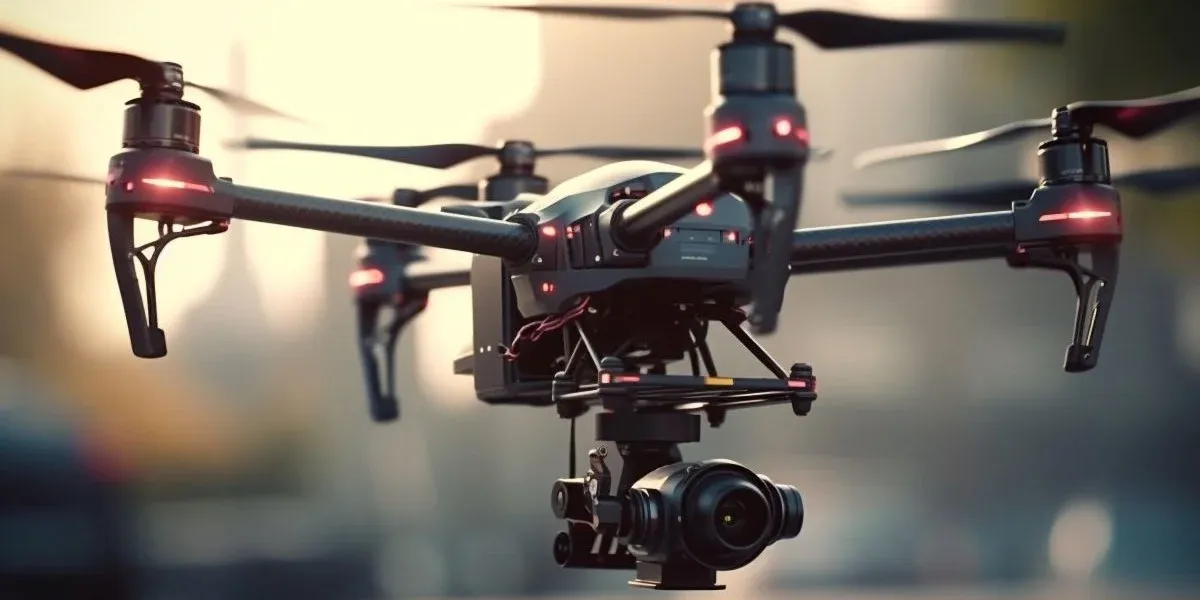
AI shark detection drones are transfiguring marine safety for commercial fishing fleets, offshore platforms, and maritime operations by providing real-time threat assessment and crew protection. These intelligent systems utilize computer vision, shark detection, and YOLOv8 object detection algorithms to monitor waters around vessels, oil rigs, and fishing grounds with 90% accuracy.
With the advancement of shark detection AI technology, drone-based shark spotting has become essential for marine companies seeking to protect personnel, reduce insurance costs, and maintain operational safety. These systems maintain stringent safety standards through comprehensive AI-powered marine surveillance that safeguards both human assets and valuable equipment.
How do shark detection drones work?
Modern maritime shark detection systems integrate sophisticated drone surveillance technology with neural network-based marine life classification to create thorough monitoring solutions for commercial marine operations.
Vessel-deployed surveillance systems
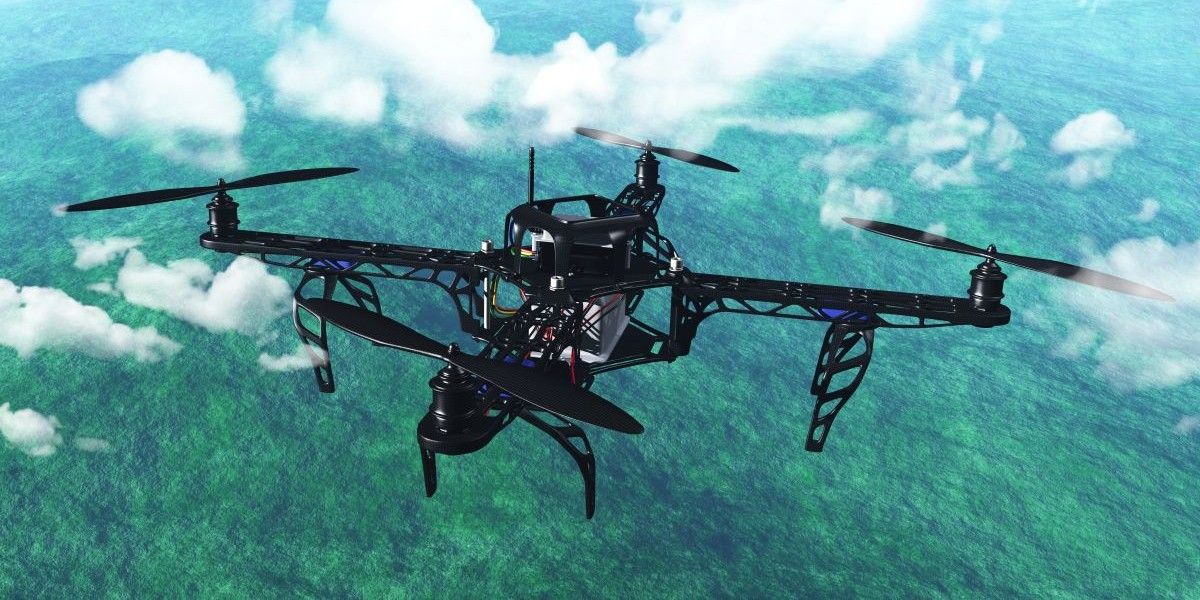
Marine companies deploy ship-mounted drones with 4K cameras that launch automatically from fishing vessels, offshore platforms, and research ships, providing 360-degree perimeter monitoring around high-value maritime assets and crew operations.
Real-time fleet communication integration
AI-powered image analysis connects directly to vessel communication systems, bridge displays, and fleet management software, enabling instant shark alerts across entire fishing fleets and coordinated response protocols for crew safety. Advanced machine learning algorithms process multiple data streams simultaneously to ensure comprehensive coverage of maritime safety.
Deep water detection capabilities
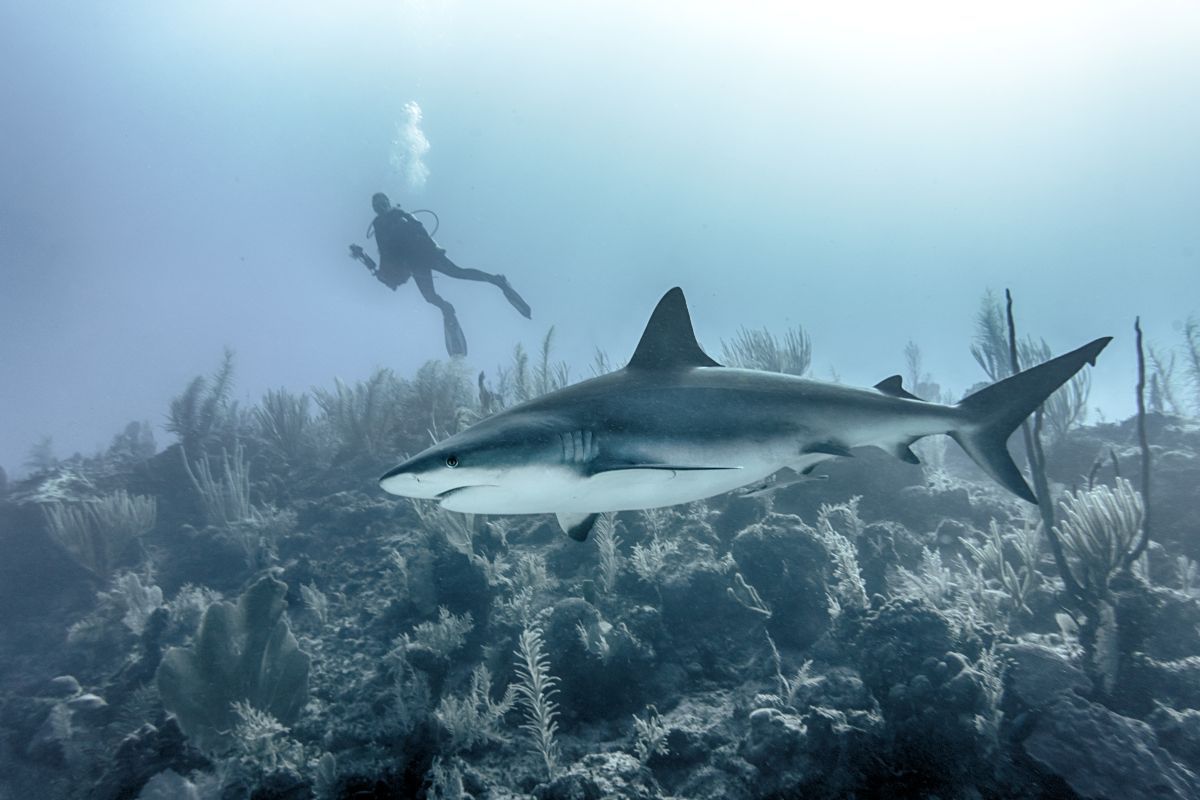
Advanced computer vision algorithms can detect sharks at depths of up to 15 meters in clear waters, providing early warning systems for diving operations, underwater maintenance, and fishing activities in areas populated by sharks.
Commercial fishing zone monitoring
Automated shark recognition systems continuously scan fishing grounds, crab trap areas, and net deployment zones, alerting crews to the presence of predators that could threaten personnel or damage expensive fishing equipment and catch.
Oil rigs, wind farms, and marine construction sites utilize drone-based shark spotting to protect maintenance divers, underwater welders, and marine technicians working in potentially dangerous waters around industrial infrastructure.
Real-time classification powered by AI
Machine learning marine safety systems leverage sophisticated neural networks trained specifically on commercial marine environments to protect valuable fishing operations and offshore work crews.
Commercial species threat assessment
YOLOv8 object detection frameworks identify high-risk species, including great whites, bull sharks, and tiger sharks, while distinguishing them from commercially valuable fish species. These AI development services prevent false alarms during fishing operations, enabling precise species classification that protects both crew safety and operational efficiency.
Fishing ground risk analytics
Advanced AI algorithms analyze historical shark presence data, water temperature, seasonal migration patterns, and bait fish concentrations to predict high-risk zones. This enables commercial fishing vessels to implement detailed crew safety planning and avoid dangerous areas during peak predator activity periods.
Real-time equipment protection alerts
Neural networks in marine life systems enable the detection of sharks approaching expensive fishing nets, crab traps, and underwater equipment with precision accuracy. These alerts enable crews to retrieve gear before costly damage occurs from predator interactions, protecting valuable maritime assets and maintaining operational profitability.
Crew overboard emergency response
Machine learning algorithms instantly detect human presence in water during emergencies while simultaneously scanning for nearby sharks. This dual-detection capability enables safe rescue operations and medical evacuation procedures for fishing crews in potentially hazardous waters populated by predators.
Multi-vessel fleet coordination
Integrated AI systems share real-time shark identification data across entire fishing fleets, enabling coordinated avoidance strategies and optimized selection of fishing grounds. Fleet managers utilize current predator activity levels and crew safety requirements to maximize operational efficiency while minimizing personnel risk exposure.
Benefits of AI shark detection drones
Automated shark recognition systems deliver critical operational advantages for marine companies, reducing insurance costs, protecting valuable crew members, and maintaining profitable fishing operations through advanced safety protocols.
Commercial fishing companies utilizing drone surveillance technology qualify for 25-40% reduced maritime insurance rates.
Real-time shark identification prevents work stoppages and medical incidents that cost fishing operations thousands of dollars daily.
AI-powered marine surveillance prevents shark damage to expensive nets, traps, and underwater equipment.
Maritime insurers are increasingly requiring safety systems for coverage approval, making shark detection drones essential for maintaining operational licenses.
Fishing companies with advanced safety systems secure more lucrative contracts from oil companies, research institutions, and government agencies.
Global deployments & use cases
According to IBISWorld's 2024 industry report, AI shark detection drones protect commercial marine operations across the United States, where the fishing industry generates $5.9 billion annually.
Major Gulf Coast fishing companies deploy advanced drone-based shark spotting systems across shrimp, red snapper, and grouper operations, resulting in a 25% reduction in crew insurance costs.
Washington and Oregon commercial salmon operations utilize computer vision-based shark detection to protect valuable fishing crews during peak season operations.
Maine and Massachusetts lobster boats are implementing AI-powered marine surveillance to protect divers and crew during trap maintenance operations.
Folio3 is your best marine industry tech partner
Folio3 delivers specialized AI drone solutions designed for commercial marine operations, protecting fishing fleets, offshore platforms, and maritime crews through cutting-edge computer vision systems for shark detection.
Our expert team creates custom machine learning models optimized for commercial fishing environments with comprehensive crew protection protocols.
We provide complete system integration for fishing vessels and offshore platforms, ensuring seamless operation with existing maritime equipment.
Our AI development services include cloud-based platforms enabling shore-based managers to track shark activity and optimize operations.
Folio3 designs drone surveillance technology meeting maritime insurance requirements, helping companies reduce premiums while maintaining operational licenses.
We provide round-the-clock system monitoring, emergency technical support, and rapid deployment services for remote maritime operations.
Frequently asked questions
How do AI-powered shark detection drones improve safety for fishing crews and vessels?
AI drones provide early shark detection by scanning waters with real-time video and computer vision models. This helps protect crews, reduce equipment damage, and prevent accidents, ultimately minimizing operational downtime.
Can shark detection drones operate in all weather and sea conditions?
Marine-grade AI drones are designed for harsh environments. They operate effectively in variable lighting, rain, moderate storms, and high sea states, maintaining 90–95% detection accuracy in most conditions.
How accurate are AI shark detection systems compared to human spotters or traditional methods?
AI shark detection drones achieve 90–95% accuracy, significantly outperforming human spotters who average 70–80%. AI systems can monitor continuously without fatigue, providing consistent safety coverage.
Can these drones integrate with existing vessel communication and fleet management systems?
Yes. Modern AI shark detection drones support API integration with vessel communication equipment, bridge displays, and fleet management platforms. This ensures seamless safety coordination across all operations.
What return on investment (ROI) can commercial fishing companies expect from shark detection drones?
Operators typically achieve ROI within 18–24 months. Benefits include up to 40% lower insurance premiums, 60% fewer safety-related stoppages, and reduced equipment damage costs.
Do maritime insurers provide premium discounts for vessels using shark detection technology?
Yes. Leading insurers increasingly offer premium discounts to vessels equipped with certified AI shark detection systems, recognizing their effectiveness in reducing risks and claims.
How do AI drones differentiate sharks from dolphins, fish, or other marine life?
AI algorithms are trained on large datasets of marine life, enabling the system to distinguish sharks by body shape, swimming patterns, and movement behavior. This minimizes false alarms and increases detection reliability.
Are there regulations or environmental considerations when deploying shark detection drones?
Yes. Operators must comply with aviation and maritime drone laws, and environmental guidelines must ensure that drones do not disturb marine life. Responsible usage helps balance safety with ecosystem protection.
How do shark detection drones support real-time alerts and coordination across fleets?
AI systems generate instant alerts that can be transmitted to vessel crews, fleet control centers, and coastal authorities. Real-time notifications allow faster decision-making and coordinated safety responses.
What are the key benefits of adopting shark detection drones for large-scale fishing operations?
Key benefits include enhanced crew safety, reduced insurance costs, fewer operational disruptions, accurate shark detection, and long-term savings through automation. For large fleets, centralized monitoring across multiple vessels adds scalability.