Loading...
The evolution of intelligent surveillance has transformed how organizations monitor and manage vehicle traffic. ALPR cameras represent a breakthrough in automated security technology, seamlessly integrating computer vision with real-world applications to deliver unprecedented accuracy and efficiency. From busy parking lots to high-security facilities, these sophisticated systems are revolutionizing vehicle identification and access control across industries worldwide.
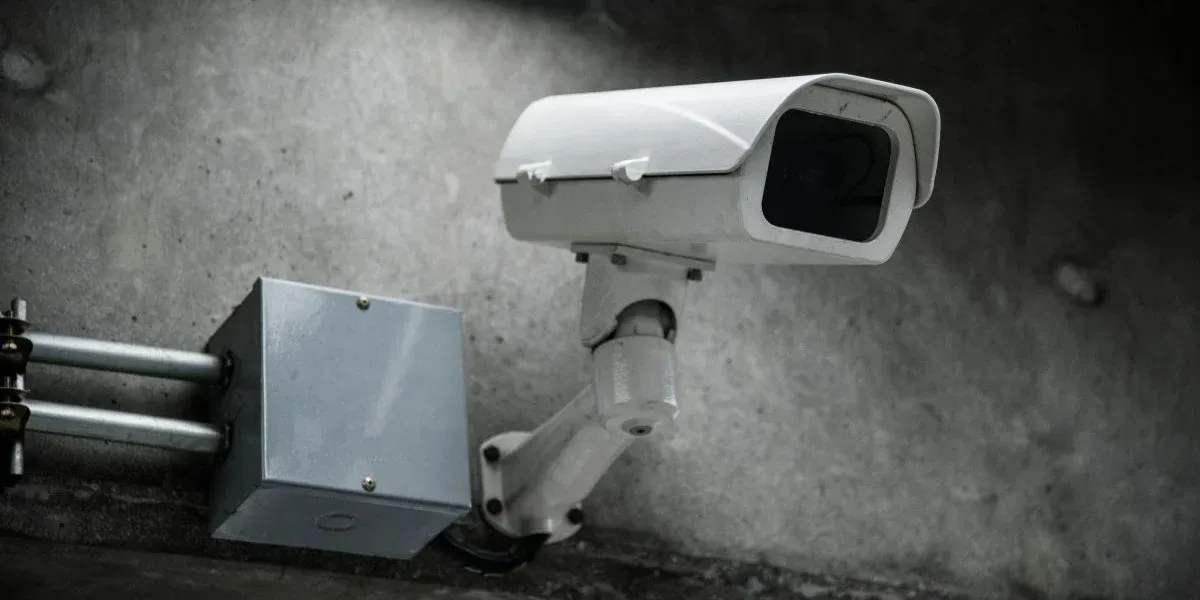
An ALPR camera, short for Automatic License Plate Recognition camera, is a sophisticated surveillance device designed to capture and process license plate information from vehicles within its field of view. These cameras employ advanced optical character recognition algorithms to analyze captured images swiftly, providing real-time data on vehicle identification.
The technology combines high-resolution imaging with intelligent software to automatically read license plates, making it an essential component in modern AI-powered security infrastructure.
ALPR cameras find applications across numerous scenarios, owing to their versatility and effectiveness. These systems are indispensable in various sectors, from law enforcement to parking management. Let's explore the key applications:
ALPR cameras serve as invaluable tools for law enforcement agencies, aiding in vehicle identification, tracking suspects, and locating stolen vehicles. By swiftly scanning license plates, these cameras enable law enforcement officers to respond promptly to incidents and enhance crime prevention and traffic regulation enforcement.
License plate recognition technology revolutionizes traffic management by detecting traffic violations, monitoring traffic flow, and enhancing overall road safety. Traffic authorities leverage these systems to enforce traffic regulations and optimize intelligent transportation systems.
ALPR cameras automate parking enforcement processes by identifying unauthorized vehicles, monitoring parking duration, and issuing citations. This streamlines smart parking operations and ensures compliance with parking regulations through automated violation detection.
These systems streamline toll collection processes by automatically recording vehicle information and deducting toll fees without manual intervention. This enhances operational efficiency and reduces congestion at automated toll management systems.
ALPR cameras bolster security in private premises by monitoring vehicle access, identifying unauthorized vehicles, and enhancing perimeter security. These cameras play a crucial role in comprehensive AI security solutions and in preventing unauthorized access.
The technology facilitates asset tracking and management by monitoring vehicle movement, optimizing logistical operations, and enhancing fleet management efficiency. This enables organizations to track assets in real-time and streamline operations.

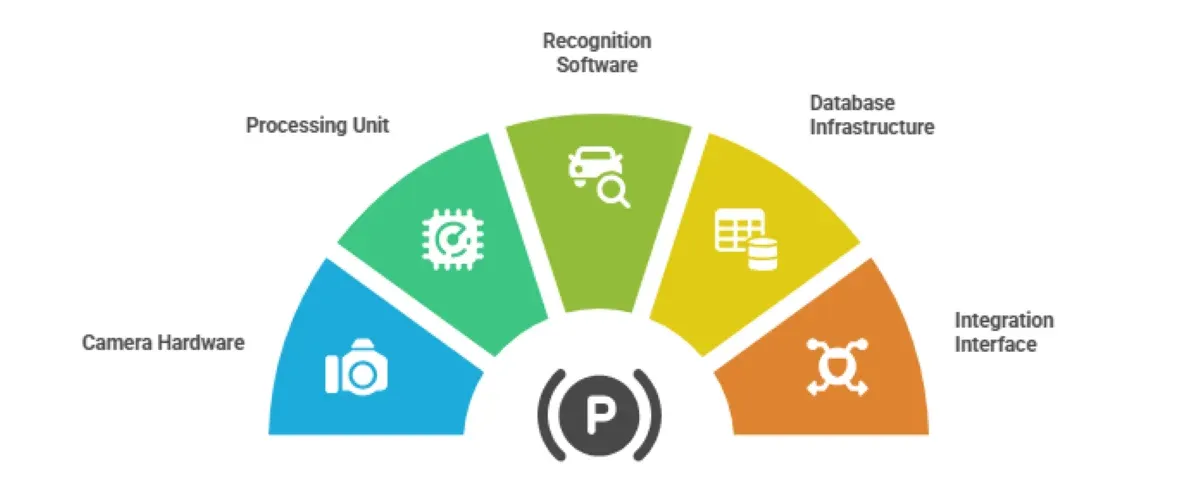
An ALPR camera system comprises several essential components that work cohesively to capture, process, and analyze license plate data. Understanding these components is crucial for selecting the right surveillance solution.
The camera serves as the primary hardware component, capturing high-resolution images of license plates with precision. Modern ALPR cameras feature specialized lenses and sensors optimized for license plate recognition in various lighting and weather conditions.
The processor handles real-time data processing, utilizing advanced algorithms to extract license plate information from captured images swiftly. This component determines the system's speed and accuracy, with high-performance processing capabilities enabling real-time analysis.
ALPR software interprets processed data, matches license plate numbers against databases, and generates actionable insights or alerts based on predefined criteria. The quality of custom ALPR software solutions significantly impacts system performance and reliability.
The database stores a repository of license plate information, including vehicle registrations, watch lists, and historical data for reference and analysis. Proper database management ensures secure data handling and accessibility for authorized users.
The integration interface facilitates seamless integration with existing security or management systems, enabling data sharing and interoperability with comprehensive AI platforms and third-party applications.
Modern ALPR cameras include various built-in features designed to enhance performance and functionality:
[Visual Element Suggestion: Feature comparison matrix showing different camera capabilities]
These cameras utilize advanced imaging technology to capture clear and accurate images of license plates, even in challenging lighting conditions. Features include infrared illumination and weather-resistant housings for all-weather vehicle detection.
The ability to process data in real-time ensures swift identification and response to license plate information, minimizing delays and maximizing efficiency in time-critical applications through advanced AI processing capabilities.
ALPR cameras log captured data and integrate seamlessly with existing systems, allowing for comprehensive monitoring, analysis, and reporting through centralized management platforms and API integration capabilities.
Systems can generate instant alerts or notifications in response to predefined events, such as detecting vehicles of interest or unauthorized access, enhancing incident response capabilities through intelligent notification systems.
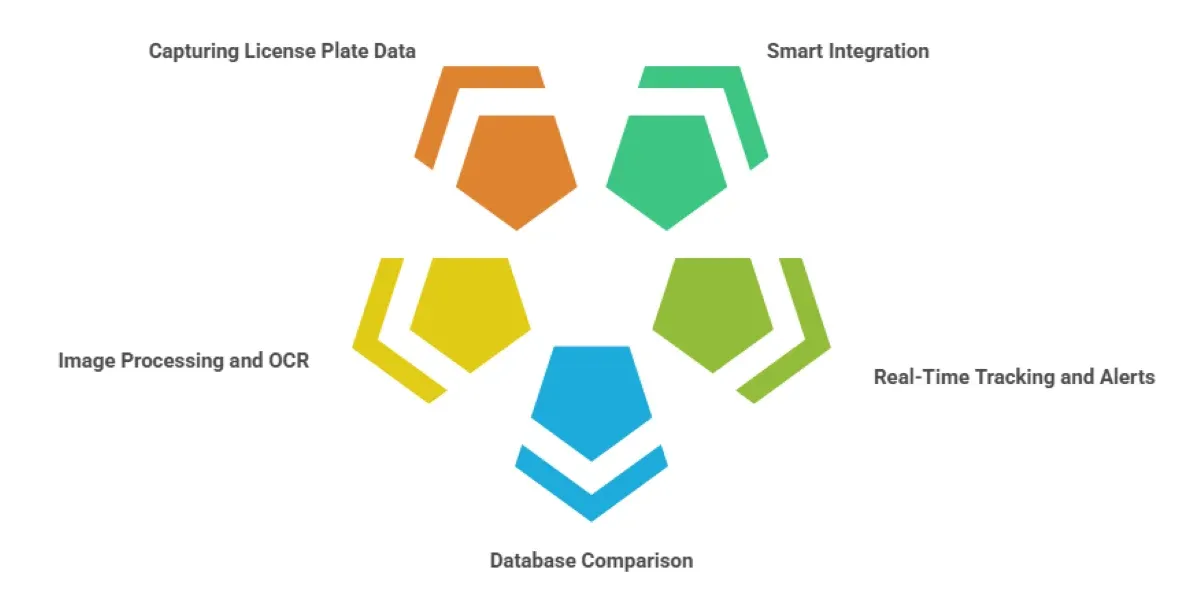
Understanding the operational process helps in optimizing system deployment and performance:
ALPR systems use high-resolution cameras to capture images of vehicles as they pass through monitored areas. The cameras are strategically positioned to ensure optimal plate visibility and accurate vehicle detection.
Every character on the license plate image is recognized and defined by the OCR function, which then transforms visual data into computer-readable characters for comparison and analysis using advanced computer vision algorithms.
The extracted license plate data is compared against multiple databases, including watch lists, vehicle registrations, and law enforcement databases for comprehensive vehicle identification and tracking.
Integrating ALPR with mobile systems enables real-time location tracking of flagged vehicles, including stolen cars and vehicles associated with ongoing investigations through intelligent alert systems.
Advanced ALPR systems seamlessly connect with intelligent transportation networks, enabling comprehensive urban mobility management and traffic optimization.
When selecting an ALPR camera solution, consider various factors to ensure optimal performance and suitability for specific requirements:
Choose systems known for high accuracy rates and reliable performance across different environmental conditions. Look for cameras with proven track records in challenging deployment environments, with over 90% accuracy rates even in adverse weather.
Ensure compatibility with existing systems to facilitate seamless integration and data sharing, maximizing operational efficiency through flexible API integration with existing infrastructure.
Opt for scalable solutions capable of accommodating future expansions or upgrades without significant disruptions or additional investments in growing security infrastructure.
Prioritize systems that adhere to stringent data security standards to safeguard sensitive information from unauthorized access or breaches, ensuring compliance with privacy regulations and industry standards.
Evaluate the total cost of ownership, including initial investment, maintenance, and operational expenses, to determine the solution's long-term return on investment and operational efficiency gains.
After acquiring the ideal ALPR camera solution, follow these essential implementation steps:
Deploy cameras at key locations to maximize coverage and effectiveness while ensuring compliance with regulations and privacy considerations. Consider optimal camera placement strategies for maximum effectiveness and high-speed vehicle detection.
Customize system settings and parameters to meet specific requirements, including database management, alert thresholds, and integration preferences through comprehensive configuration and setup processes.
Provide comprehensive training sessions for personnel responsible for operating and managing the system to ensure optimal utilization and performance in daily operations and system management.
Regularly monitor the system for performance issues, conduct preventive maintenance tasks, and promptly address any technical problems or anomalies through systematic maintenance protocols.
To optimize system performance, organizations can implement several proven strategies:
Position cameras strategically in areas with high traffic volume and optimal visibility to capture license plates accurately. Follow deployment best practices for maximum effectiveness and multi-lane vehicle tracking.
Conduct regular maintenance and calibration to ensure optimal performance and accuracy. Implement preventive maintenance schedules to minimize downtime and maintain system reliability.
Integrate cameras with sophisticated license plate recognition software to enhance accuracy, real-time processing, and comprehensive reporting and analytics capabilities.
Utilize data analytics tools to analyze captured information, identify patterns, trends, and anomalies, and optimize operational workflows for improved efficiency through AI-powered insights and business intelligence.
Provide ongoing training and education to personnel responsible for operating and managing systems to maximize utilization and effectiveness in evolving security landscapes.
FeatureStandalone ALPREnhanced ALPR SoftwareCloud-Based ALPRMobile ALPRAccuracy Rate85-90%90-95%90-95%80-90%Customization OptionsLimitedHighly CustomizableModerateBasicReal-Time ProcessingYesEnhancedYesLimitedIntegration FlexibilityBasicSeamlessModerateHighReporting & AnalyticsBasicComprehensiveAdvancedBasicWeather PerformanceStandardExcellentExcellentVariableSpeed DetectionUp to 120 km/hUp to 250 km/hUp to 200 km/hUp to 100 km/hSetup ComplexityModerateHighLowVery LowScalabilityLimitedHighVery HighModerateCostMediumHighLow-MediumLowMaintenanceRegularIntensiveMinimalLow
Understanding different ALPR deployment options helps organizations make informed decisions based on their specific requirements and constraints.
Standalone ALPR Systems:
Best for: Small to medium deployments with basic requirements
Pros: Cost-effective, simple setup, reliable performance
Cons: Limited customization, basic analytics capabilities
Enhanced ALPR Software Solutions:
Best for: Large-scale deployments requiring high accuracy and custom features
Pros: Superior accuracy, extensive customization, comprehensive analytics
Cons: Higher cost, complex implementation, requires technical expertise
Cloud-Based ALPR:
Best for: Organizations seeking scalability with minimal infrastructure investment
Pros: Easy scaling, automatic updates, remote accessibility
Cons: Ongoing subscription costs, internet dependency, data privacy concerns
Mobile ALPR:
Best for: Temporary deployments, patrol vehicles, flexible monitoring needs
Pros: High flexibility, low initial cost, easy deployment
Cons: Limited accuracy, weather-dependent, requires manual operation
The future of ALPR cameras lies in seamless integration with emerging technologies:
AI-powered systems offer improved accuracy and advanced analytics capabilities, enabling predictive analysis and automated decision-making for enhanced security measures.
Cloud integration provides scalable storage, remote access, and enhanced collaboration capabilities through modern cloud-based ALPR platforms with flexible deployment options.
Mobile ALPR solutions enable flexible deployment and real-time field operations, supporting mobile vehicle detection capabilities for enhanced operational flexibility.
ALPR technology delivers measurable results across various industries:
Efficient drive-thru management systems utilize ALPR to boost performance and reduce wait times, improving customer satisfaction and operational efficiency.
Airport parking and access control systems automate vehicle entry and exit, reducing wait times while enhancing security and overall traffic flow management.
Comprehensive parking management systems ensure vehicles abide by parking policies and provide automated violation detection for improved compliance.
ALPR cameras represent a powerful technology solution with diverse applications across various sectors. By understanding their functionalities, applications, and implementation considerations, organizations can harness the full potential of license plate recognition technology to enhance security, efficiency, and operational effectiveness.
Success with ALPR systems depends on careful planning, proper implementation, and ongoing optimization. Organizations that invest in comprehensive ALPR solutions and follow best practices will achieve superior results in their security and operational objectives.
The technology continues to evolve with advanced AI development and integration capabilities, making it an increasingly valuable investment for forward-thinking organizations across all industries.
ALPR cameras, also known as license plate recognition cameras, are surveillance devices equipped with optical character recognition (OCR) technology to automatically read and capture license plate numbers from vehicles.
ALPR uses specialized software and high-resolution cameras to capture images of license plates as vehicles pass by. The captured images are processed by the OCR software, which extracts the alphanumeric characters from the license plates. The data is then compared against a database of known license plates for various purposes, such as law enforcement, toll collection, parking management, and access control.
ALPR cameras have a wide range of applications, including:
Law enforcement: Identifying stolen vehicles, locating vehicles with outstanding warrants, and monitoring traffic violations.
Parking management: Automating parking enforcement, managing permits, and tracking vehicle entry and exit.
Toll collection: Automating toll collection on highways and bridges.
Border control: Monitoring vehicle movement at border crossings and checkpoints.
Access control: Managing vehicle access to secure facilities, such as parking garages and gated communities.
Traffic monitoring: Analyzing traffic flow, congestion, and patterns for transportation planning and management.
The legality of cameras varies by jurisdiction and the specific use case. In many places, cameras are used for law enforcement and traffic monitoring purposes with proper authorization and oversight. However, there may be concerns about privacy and data protection, particularly regarding the retention and use of captured license plate data.
ALPR cameras raise privacy concerns due to their ability to track and record the movements of vehicles and individuals. There are concerns about the potential misuse of captured data, such as tracking the movements of law-abiding citizens, profiling individuals based on their travel patterns, and unauthorized access to sensitive information.
The accuracy of cameras depends on various factors, including the quality of the cameras, the condition of the license plates (e.g., cleanliness, angle, lighting), and the effectiveness of the OCR software. In optimal conditions, ALPR cameras can achieve high levels of accuracy in reading license plates.
Yes, cameras can be configured for real-time monitoring of vehicle movements. Law enforcement agencies, transportation authorities, and parking management companies often use ALPR systems to monitor traffic flow, detect stolen vehicles, and enforce parking regulations in real-time.
Some benefits of ALPR cameras include:
Improved law enforcement and public safety.
Increased efficiency in parking management and toll collection.
Enhanced security and access control for facilities.
Better traffic monitoring and transportation planning.
Cost savings through automation and reduced manual intervention.