

Loading...

Fleet managers wake up every morning facing the same relentless challenge: delivering more with less while costs continue to climb. Every fuel bill, maintenance invoice, and compliance penalty directly impacts their bottom line and operational efficiency. These daily pressures are driving unprecedented adoption of intelligent solutions across the industry, making maximizing ROI: smart ALPR deployment strategies for fleet operators a critical focus for modern fleets.
The automatic license plate recognition (ALPR) market reached $6.71 billion in 2024 and is projected to reach $14.48 billion by 2032. Meanwhile, fleet-specific telematics technology adoption accelerated significantly in 2025. The global fleet telematics market is expected to reach $9.0 billion, growing at a 10.1% CAGR. Additionally, small fleets' technology adoption scores climbed 23% year-over-year, demonstrating widespread industry transformation.

Understanding ALPR's financial impact requires analyzing both immediate cost savings and long-term value creation opportunities. These systems transform fleet operations across multiple dimensions.
Advanced fleet management solutions deliver substantial operational improvements. Research shows that over 40% of logistics managers reported a decrease in driver safety incidents since implementing fleet tracking systems. Automated tracking eliminates manual processes and reduces administrative overhead costs significantly.
Safety improvements and compliance automation reduce insurance premiums while preventing costly violations. Enhanced operational transparency builds customer trust and supports premium service pricing strategies. Studies indicate that more than 50% of businesses report improved customer service after implementing fleet tracking systems.
Theft prevention systems protect against substantial losses. Real-time monitoring and automated alerts enable rapid response. This significantly reduces asset recovery costs and insurance claims while deterring unauthorized usage through visible monitoring presence.
Predictive maintenance through AI-driven insights reduces fleet downtime. This prevents emergency repairs and extends vehicle lifecycles through data-driven maintenance scheduling and performance monitoring.
Streamlined workflows and automated processes dramatically improve fleet productivity. Fleet management solutions reduce costs through fuel efficiency improvements. Route planning and driving behavior monitoring lead to substantial fuel savings.
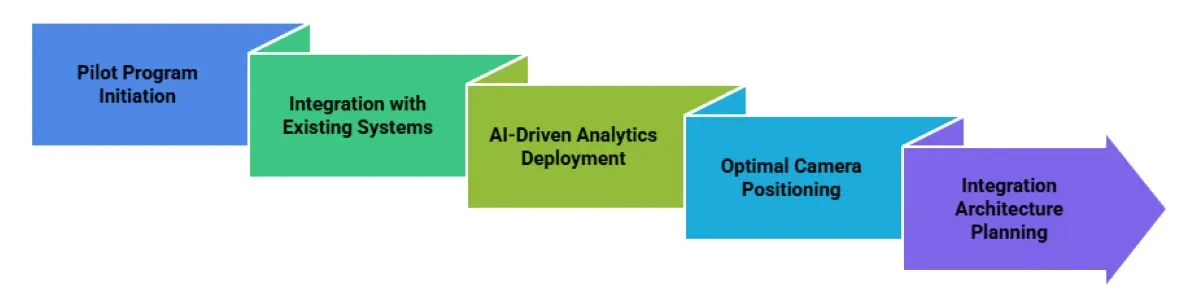
Strategic ALPR implementation requires systematic planning, integration expertise, and phased deployment approaches. These minimize risks while maximizing operational benefits.
Begin with pilot programs at high-volume locations to demonstrate value before organization-wide expansion. This approach enables learning optimization during rollout phases. It also builds stakeholder confidence through proven results.
Seamlessly connect ALPR systems with existing telematics platforms and fleet management software. Include mobile applications in your integration planning. Unified dashboards provide comprehensive visibility while eliminating data silos and manual coordination requirements.
Deploy machine learning algorithms for predictive maintenance and safety alerts. Include usage pattern analysis in your analytics strategy. Advanced analytics transform raw plate recognition data into actionable insights for operational optimization and strategic decision-making.
Position cameras at 15-30 degree angles for maximum accuracy while ensuring comprehensive coverage. Strategic positioning at key operational checkpoints ensures comprehensive vehicle tracking. Focus on entry/exit points, maintenance facilities, and storage areas.
Develop robust API connections between ALPR systems and existing business applications. Ensure real-time data synchronization and automated alert systems. Include seamless workflow integration for maximum operational efficiency and user adoption.
Different fleet types achieve varying ROI timelines based on operational complexity. Asset values and automation opportunities align with specific business models.
Vehicle turnaround time optimization and damage assessment automation deliver immediate returns. Automated plate matching and precise location logging eliminate guesswork. This significantly reduces search times while streamlining customer service processes and inventory management.
Route optimization and delivery confirmation automation reduce operational costs. Real-time tracking enables proactive customer communication. Theft prevention systems protect high-value cargo and vehicle assets effectively.
Asset accountability and utilization tracking support budget optimization. Fleet management research indicates that many public fleets reduce fleet size through data-driven right-sizing. This creates significant capital and operational savings while automated compliance reporting reduces administrative overhead.
Equipment theft prevention delivers substantial ROI given high asset values. Utilization monitoring optimizes equipment allocation. Maintenance scheduling based on actual usage patterns reduces unexpected breakdowns and rental costs.
Long-haul operations benefit from automated tolling and fuel management. Driver behavior monitoring enhances safety protocols. ALPR systems integrate with electronic logging devices to ensure compliance while optimizing routes and reducing operational inefficiencies.
Route verification and service confirmation automation improve customer billing accuracy and dispute resolution. Automated pickup scheduling based on container fill levels optimizes collection routes. Weight monitoring and load verification prevent overloading violations while ensuring compliance with environmental regulations and reducing fuel consumption through efficient routing.

Modern ALPR systems transform raw operational data into strategic business intelligence, enabling fleet operators to unlock hidden value streams and competitive advantages through sophisticated analytics and predictive modeling capabilities.
Machine learning algorithms analyze historical data patterns to forecast maintenance needs. They optimize asset replacement timing and predict operational bottlenecks for proactive management interventions.
Analyze usage patterns, maintenance costs, and performance metrics to determine optimal replacement timing. Data-driven decisions prevent over-maintenance while maximizing asset utilization and resale value realization.
Compare fleet performance against industry standards and internal KPIs. Continuous monitoring identifies improvement opportunities while validating ROI achievements and supporting ongoing optimization efforts.
Transform operational insights into revenue-generating opportunities through performance consulting services. Organizations should view ALPR as a strategic investment by focusing on return on investment (ROI) rather than purely cost reduction. Leverage anonymized benchmarking data and industry expertise for additional income streams.
Comprehensive system integration maximizes technology investments while ensuring seamless operational workflows. Enhanced decision-making capabilities benefit all organizational levels.
Evaluate existing infrastructure compatibility and identify integration opportunities with current fleet management platforms. Strategic planning ensures API connectivity and data synchronization. Include unified dashboard development for comprehensive operational visibility and streamlined workflow management.
Standardize data formats and reporting protocols across multiple systems to eliminate information silos. Integrated platforms provide holistic operational insights while supporting real-time decision-making. Include performance monitoring through centralized analytics and reporting capabilities.
Design automated processes that connect ALPR data with maintenance scheduling and compliance reporting. Include customer service systems in your automation planning. Integration with existing fleet management systems provides seamless data flow and eliminates the need for separate tracking systems. This reduces manual intervention requirements and operational overhead costs.
Build flexible system architectures that accommodate organizational growth and technology evolution. Future-proof infrastructure planning ensures continued performance optimization. Support expansion requirements and emerging technology integration opportunities for sustained competitive advantages.
Comprehensive ROI measurement requires tracking financial performance and operational excellence. Strategic value indicators demonstrate ALPR investment effectiveness.
Track direct cost savings, revenue enhancements, and capital efficiency improvements to quantify ALPR's financial impact on organizational profitability and operational sustainability.
Monitor maintenance-related downtime decreases, averaging 20-30% improvement. Calculate revenue protection from avoided service interruptions while measuring productivity gains from improved asset availability.
Automating reservations, keys, and reporting can free up hours per week. Calculate resource reallocation opportunities and operational overhead reductions.
Analyze fleet right-sizing opportunities and capacity optimization results. Many public fleets reduce fleet size by 10–30% through data-driven right-sizing, creating significant savings.
Evaluate process improvements, quality enhancements, and service delivery optimization that demonstrate ALPR's operational impact beyond direct financial returns and cost reduction achievements.
Track regulatory compliance improvements and fine avoidance. Calculate cost savings from reduced penalties while measuring reputation protection value and stakeholder confidence improvements.
Monitor service delivery improvements and response time enhancements. Fleet tracking technologies can lead to a 54% improvement in customer service, supporting revenue growth.
Measure workflow automation effectiveness and manual task elimination. Track user adoption rates while evaluating efficiency gains from standardized processes and reduced error potential.
Assess predictive accuracy, system performance, and strategic value creation that demonstrate ALPR's contribution to organizational intelligence and competitive advantage development through data insights.
Monitor maintenance prediction reliability and usage forecasting precision. Target 98%+ accuracy in critical predictions while measuring decision-making improvement and operational risk reduction.
Track technology reliability and data availability consistency. 99.9% server uptime ensures uninterrupted fleet management while monitoring user satisfaction and operational continuity.
Evaluate plate recognition accuracy and information completeness. Safe Fleet ALPR boasts over 98% accuracy in plate detection, ensuring a reliable decision-making foundation.
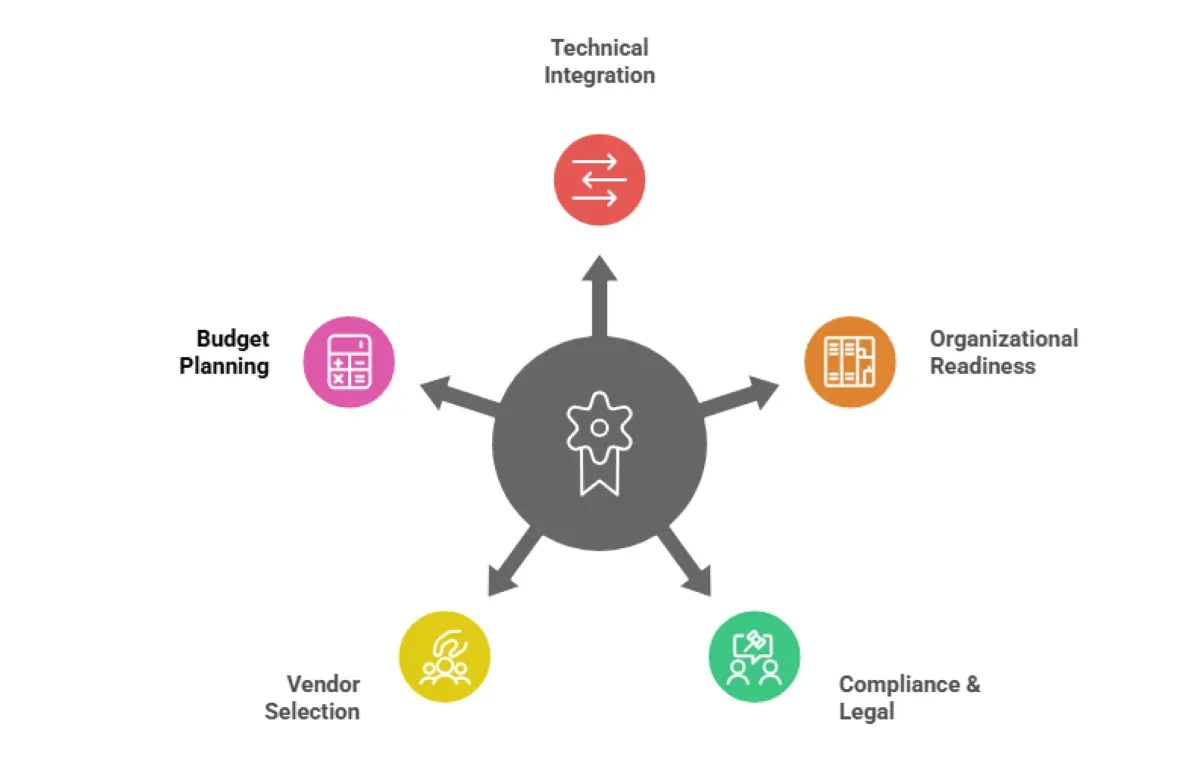
Successful ALPR implementation requires anticipating challenges and planning mitigation strategies. Learn from common mistakes that derail projects.
API compatibility issues with existing systems create data silos and workflow disruptions. Plan comprehensive integration testing while ensuring robust backup systems. Include data synchronization protocols for seamless operational continuity.
Insufficient staff training and change management reduce user adoption rates. Ensure operational teams understand system capabilities and integrate ALPR data into their daily workflows. This maximizes benefit realization through comprehensive training programs.
Data privacy regulations and local permit requirements create implementation barriers. Ensure regulatory compliance while protecting organizational reputation and operational continuity. Establish proper legal frameworks from the beginning.
Inadequate due diligence in vendor evaluation leads to capability gaps and support issues. Establish comprehensive evaluation criteria while validating vendor track records. Consider long-term viability for sustained partnership success.
Underestimating total implementation costs creates project delays and scope reductions. Include training, integration, and ongoing maintenance costs while planning for contingencies. Consider potential scope expansions in your budget planning.
Strategic technology planning ensures ALPR systems remain valuable assets. They adapt to evolving operational requirements and technological advancement opportunities.
AI and machine learning advancement integration enhances system capabilities over time. Plan for 5G connectivity benefits while ensuring compatibility with emerging IoT technologies. Include edge computing opportunities in your planning.
System expansion capabilities assessment ensures growth accommodation without performance degradation. Evaluate vendor roadmap alignment while planning technology refresh cycles. Include lifecycle management strategies in your planning.
Monitor evolving data privacy requirements and industry standards. Develop compliance frameworks while ensuring system flexibility for regulatory changes. Plan for emerging legal requirements.
Evaluate emerging technologies and competitive advantage opportunities. Plan for artificial intelligence enhancements while considering blockchain integration. Include advanced analytics capabilities in your innovation planning.
Folio3 AI delivers comprehensive ALPR solutions that maximize fleet ROI through expert implementation, advanced analytics, and ongoing optimization support tailored to specific operational requirements.
Our team creates tailored ALPR systems that integrate seamlessly with existing fleet management platforms. Expert development ensures optimal performance while addressing unique operational requirements through specialized functionality.
Advanced machine learning algorithms provide predictive insights and operational optimization recommendations. Real-time analytics transform raw data into actionable intelligence while supporting strategic decision-making initiatives.
Comprehensive deployment assistance includes training, integration support, and ongoing optimization guidance. Expert consultation ensures successful adoption while maximizing system utilization through proven implementation methodologies.
Detect and read license plates to flag vehicles violating traffic rules. Real-time monitoring enables automated enforcement while supporting comprehensive traffic flow optimization and safety enhancement initiatives.
Monitor vehicles entering and exiting premises with automated access control. Advanced surveillance features provide comprehensive security coverage while maintaining detailed logs for audit and compliance requirements.

Fleet size, asset values, operational complexity, and existing technology infrastructure primarily determine ALPR ROI. Higher-value assets and complex operations typically achieve faster returns through theft prevention and operational optimization.
ALPR reduces costs through automated tracking and predictive maintenance. Labor optimization and violation prevention contribute to savings. Systems eliminate manual processes while providing data-driven insights for operational efficiency improvements.
Rental car operations, logistics companies, municipal fleets, and construction equipment operators achieve the fastest ROI. High-value assets, complex operations, and theft risk create optimal conditions for ALPR value realization.
Ensure API compatibility and plan comprehensive data synchronization. Develop unified dashboards for optimal results. Integration success requires testing, training, and ongoing optimization to maximize operational efficiency.
Automated monitoring ensures regulatory compliance while real-time alerts prevent violations. Driver behavior tracking and vehicle location data support safety improvements while reducing insurance costs.
Poor integration planning, inadequate training, vendor selection errors, and insufficient change management compromise implementations. Success requires comprehensive planning, stakeholder engagement, and ongoing optimization.
Track financial metrics, operational improvements, and strategic value indicators. Regular performance reviews, KPI monitoring, and ROI calculations ensure continued value while identifying optimization opportunities.
Yes, with proper planning and infrastructure. Centralized management platforms, standardized processes, and phased deployment strategies enable successful scaling while maintaining performance consistency.
AI transforms raw plate data into predictive insights for maintenance, optimization, and strategic planning. Machine learning algorithms identify patterns while supporting proactive decision-making across fleet operations.
Real-time monitoring, automated alerts, and location tracking enable rapid response to unauthorized usage. Integration with security systems enhances recovery capabilities while deterring theft through visible monitoring presence.