
Loading...

Every morning, fleet managers face the same challenge: knowing where their vehicles are, who's driving them, and whether operations are running efficiently. What started as simple GPS tracking has evolved into something far more powerful. ALPR implementation cost for fleets is becoming a key consideration as this technology transforms how businesses monitor their fleets, moving beyond basic location data to provide comprehensive vehicle intelligence.
Companies from small delivery services to primary logistics operations are discovering that ALPR systems offer benefits that were once reserved for enterprise-level fleets. Smart implementation delivers measurable returns through reduced theft, automated compliance reporting, and streamlined operations that free teams for higher-value work. The question isn't whether ALPR technology works; it's understanding what investment is required to make it work for your specific fleet needs.

Your deployment choice shapes every cost aspect of your ALPR investment. This decision affects initial capital requirements and ongoing operational expenses. It's critical for budget planning and long-term financial success in fleet management operations.
On-premises systems demand substantial upfront capital investments. These include servers, storage infrastructure, and networking equipment. Cloud solutions transform these into predictable monthly operational expenses. Cloud costs align better with existing fleet management budgets and accounting practices.
Capital expenditures require board approval and lengthy procurement cycles. They involve depreciation accounting that complicates financial planning. Operational expenses fit seamlessly into monthly budgets. They don't require complex approval processes or asset management requirements for busy fleet operations.
On-premises deployment provides complete control over sensitive vehicle tracking data. It ensures compliance with industry regulations through direct storage management. Cloud solutions require careful contract negotiation. Organizations must understand data ownership rights, access permissions, and regulatory compliance responsibilities.
Cloud platforms enable immediate camera additions through simple online portals or phone calls. They operate without infrastructure constraints. On-premises expansion requires detailed planning for server capacity, storage requirements, and network bandwidth. Technical configuration time can delay growth initiatives.
Custom on-premises solutions eliminate recurring licensing fees and vendor dependency. Despite higher initial investment, they often prove more cost-effective over multiple years. This is achieved through reduced operational expenses and greater system control for growing fleets.
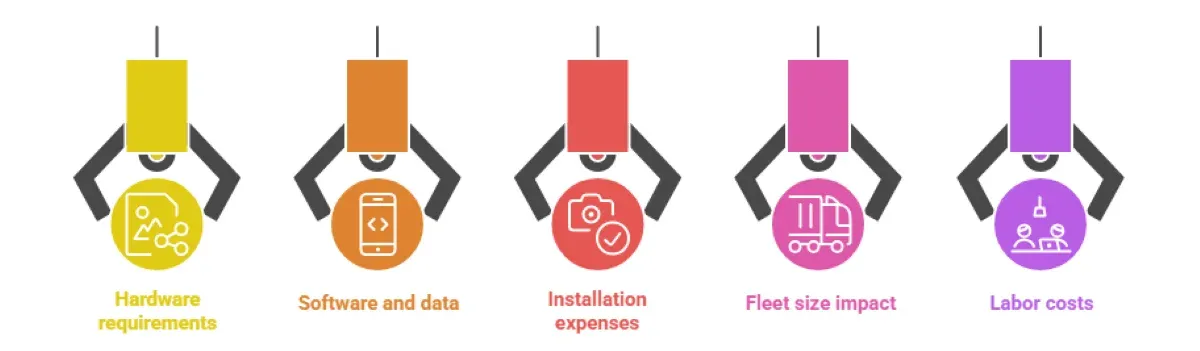
Multiple interconnected variables determine your total investment amount. Overlooked expenses frequently double initial budget estimates. Organizations often fail to account for integration complexities, ongoing maintenance requirements, and operational support needs throughout the system lifecycle.
Complete ALPR systems require several components beyond cameras:
Dedicated processing units for real-time analysis
Robust network infrastructure for data transmission
Backup power systems for continuous operation
Weatherproof enclosures for outdoor installations
Professional mounting hardware
Fixed installations cost between $742 – $2,500, depending on resolution and features. Mobile units are available in more affordable ranges, suitable for parking and access control use cases.
Total costs vary dramatically based on environmental conditions, installation complexity, and required system performance levels.
Licensing models range from simple per-camera monthly subscriptions to complex enterprise agreements with tiered pricing. Data management platform capabilities determine your ability to analyze vehicle patterns, generate reports, and integrate with existing fleet management software systems.
Cloud-based processing typically involves monthly fees per camera, while perpetual licenses may require annual maintenance fees.
Professional installation services ensure optimal camera positioning for maximum license plate capture accuracy. Comprehensive site assessments identify several critical factors:
Power supply requirements and electrical infrastructure needs
Network connectivity options and bandwidth requirements
Mounting challenges and structural considerations
Environmental obstacles and weather protection needs
These assessments occur before equipment procurement and deployment begin, ensuring successful project outcomes.
Larger fleet operations achieve better per-vehicle pricing through volume discounts and economies of scale. However, geographic distribution across multiple locations increases infrastructure complexity. This requires cellular connectivity solutions, remote monitoring capabilities, and distributed technical support services.
Project management, system configuration, staff training, and ongoing technical support frequently represent the majority of total implementation costs. Quality assurance activities also contribute significantly to expenses. Careful vendor selection and project planning are essential for controlling expenses and ensuring successful deployments.

Understanding complete lifecycle expenses enables accurate budget planning. It allows fair vendor comparisons over typical operational periods. This helps fleet managers make informed decisions about deployment models, feature requirements, and long-term financial commitments.
True ownership costs encompass several ongoing expenses:
Software license renewals and updates
Hardware replacement cycles every few years
Staff training programs for new employees
Technical support contracts and maintenance
Cellular connectivity fees for remote cameras
System upgrade expenses for new features
These costs continue throughout the entire system lifecycle and often exceed initial implementation estimates.
Strategic planning for regular replacement cycles is essential. This enables fleet managers to leverage advancing technology improvements. It also helps avoid emergency replacement expenses that disrupt operations, exceed budgets, and compromise system reliability during critical operational periods.
Monthly cloud subscription fees, maintenance contracts, and cellular data plans create predictable operational expenses. These simplify budget planning compared to on-premises systems. On-premises systems require periodic large capital investments for major upgrades, hardware replacements, and technology refresh cycles.
Custom solutions typically achieve significant operational cost reductions with break-even within reasonable timeframes. These come through eliminated licensing fees, reduced vendor dependency, and tailored features that maximize operational efficiency for specific fleet requirements.
Several unexpected expenses often emerge during implementation:
Data migration from existing systems
System integration complexities
Additional staff training requirements
Hardware replacement schedules
Unexpected technical support needs
These often add substantial amounts to initial project estimates. Thorough vendor evaluation and detailed project planning are essential for accurate budgeting.
ALPR commercial pricing structures vary dramatically based on fleet size, required features, and chosen deployment models. Volume discounts and economies of scale make larger implementations increasingly cost-effective for organizations managing substantial vehicle operations across multiple locations.
Entry-level systems require modest initial investments. Monthly costs range from $50-200 per camera for cloud-based processing and basic analytics capabilities. These systems provide essential vehicle tracking and security features suitable for local delivery services, small contractors, and regional transportation companies.
Custom solutions require higher initial deployments but include enhanced analytical features, better integration capabilities with existing fleet management systems, and improved reporting functions. More favorable long-term cost structures justify higher upfront investments.
Large-scale implementations receive substantial volume pricing discounts. They include dedicated technical support teams, extensive customization options, comprehensive training programs, and dedicated account management services. These are included in negotiated contracts with preferred technology vendors and implementation partners.
Successful ALPR deployment follows carefully structured phases. These range from initial site assessment through full production operations. Project timelines vary based on customization requirements, integration complexity, and organizational readiness for new technology adoption and change management processes.
Comprehensive site evaluation identifies several critical factors before deployment:
Optimal camera placement locations for maximum coverage
Power supply requirements and electrical infrastructure
Network connectivity options and bandwidth needs
Environmental challenges and weather protection
Potential installation obstacles and structural requirements
This evaluation occurs before equipment procurement or deployment activities begin, ensuring successful project outcomes.
Pilot deployment programs allow thorough performance validation. They enable user acceptance testing and operational workflow refinement before committing to full-scale implementation. This reduces project risks, improves final system effectiveness, and ensures stakeholder buy-in for larger technology investments.
Fast deployment reduces implementation timeframes significantly compared to custom development. Actual completion schedules are affected by weather conditions, site accessibility challenges, permit requirements, and coordination with existing operational schedules.
Establishing clear success criteria and measurable performance benchmarks ensures systems meet operational requirements before final project acceptance. Specific metrics include camera uptime, license plate read accuracy rates, system response times, and integration success with existing fleet management systems.
Comprehensive staff training on new system operations typically requires several weeks of intensive instruction. Ongoing support is needed as team members change roles, new employees join, and system updates introduce additional capabilities.
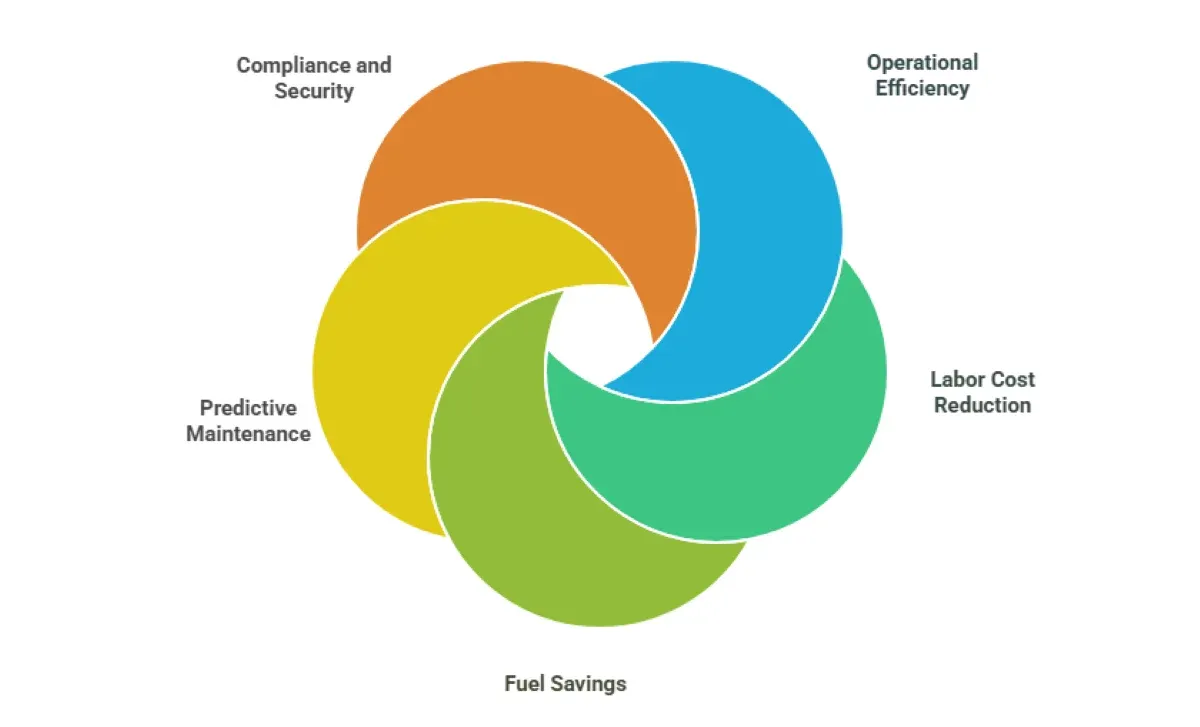
ALPR systems deliver measurable financial returns through operational efficiency improvements, labor cost reductions, and enhanced security capabilities. Most organizations achieve ROI within 12-24 months through various operational benefits.
Organizations see returns through operational efficiency improvements and cost reductions. Revenue generation from automated vehicle monitoring capabilities, reduced manual processes, and improved asset utilization directly impact bottom-line financial performance.
Automated systems provide substantial reductions in staff costs for vehicle monitoring. They handle large numbers of vehicles daily without human intervention, eliminating traditional security guard expenses, manual tracking processes, and administrative overhead while improving accuracy and coverage.
Route optimization and reduced idle time lower fuel costs and cut delivery times. They improve customer satisfaction through intelligent scheduling algorithms, real-time traffic management, dynamic route adjustments, and driver behavior monitoring that directly reduces operational expenses.
AI-driven insights reduce fleet downtime by identifying maintenance requirements before failures occur. This prevents costly emergency repairs, avoids service disruptions, and extends vehicle lifecycles through proactive maintenance scheduling and early problem detection.
Automated compliance data capture minimizes regulatory risks and eliminates paperwork-heavy reporting. It reduces vehicle theft incidents, unauthorized usage, and insurance claims through continuous monitoring, automated alerts, and comprehensive audit trails for regulatory compliance.
Different fleet types benefit from customized ALPR implementations designed to address specific operational challenges. These systems handle regulatory compliance requirements and efficiency optimization opportunities that vary significantly across industries, operational models, and geographic service areas.
Route verification systems provide delivery confirmation capabilities and enhanced customer service through accurate real-time tracking. They help logistics companies maintain competitive delivery schedules, resolve customer disputes quickly, and optimize operational efficiency while reducing manual oversight and administrative burden.
ALPR-equipped waste trucks automatically log when and where each vehicle operates. This provides indisputable records of completed routes while enabling dynamic collection schedule optimization, customer billing accuracy, and rapid resolution of service complaints through automated documentation.
Comprehensive asset security monitoring prevents unauthorized usage and provides detailed project cost tracking. This offers accountability for expensive construction equipment while ensuring proper utilization across multiple job sites, reducing theft risks, and improving project profitability through better resource management.
Enhanced operational accountability, improved asset protection, and comprehensive operational transparency help public agencies meet stringent reporting requirements. They improve citizen services, optimize resource allocation, and maintain public trust through demonstrable operational efficiency and responsible asset management.
Temperature-controlled delivery operations, hazardous material transportation, and other heavily regulated industries benefit from automated documentation systems. Compliance reporting capabilities reduce regulatory violation risks while streamlining audit processes and ensuring operational compliance.
Folio3 AI delivers comprehensive ALPR solutions tailored to diverse operational requirements. We combine advanced artificial intelligence with proven implementation expertise to maximize return on investment while minimizing deployment complexity for organizations across multiple industries and operational environments.
Our intelligent parking management systems ensure vehicles comply with designated parking policies. They provide real-time violation alerts through advanced license plate recognition technology, enabling automated enforcement, reducing manual oversight requirements, and improving overall facility security through continuous monitoring capabilities.
Automated vehicle entry and exit processing reduces passenger wait times while enhancing security protocols. Intelligent access control systems improve overall traffic flow, increase operational efficiency, and provide comprehensive audit trails for security and operational compliance requirements.
Real-time vehicle identification and license plate recognition capabilities support law enforcement activities. They enable rapid suspect vehicle detection, crime prevention initiatives, traffic regulation enforcement, and investigative support through comprehensive vehicle tracking and pattern analysis for enhanced public safety operations.
Advanced vehicle pattern analysis and peak hour identification enhance public transport efficiency. They provide data-driven insights for better scheduling decisions, optimal resource allocation, route optimization, and improved passenger service delivery through intelligent transportation system integration and operational analytics.
Comprehensive ALPR solutions enable real-time vehicle tracking, intelligent route optimization, and proactive maintenance monitoring. They provide operational efficiency improvements for fleet management operations, reducing costs while enhancing productivity through automated monitoring, reporting, and analytical capabilities that support informed decision-making.

ALPR costs vary significantly based on fleet size, deployment model, and required features. Cloud solutions typically involve monthly fees per camera, while hardware systems require initial investments. Larger fleets achieve better economies of scale and more favorable pricing structures.
Small fleets can justify ALPR investments through theft prevention, improved operational efficiency, and automated compliance reporting. Entry-level systems often pay for themselves within reasonable timeframes through reduced labor costs and enhanced security benefits.
Modern ALPR solutions offer flexible integration capabilities with existing fleet management platforms through APIs and standard data protocols. Integration complexity varies based on your current system architecture, but most implementations can connect with popular fleet management software within reasonable timeframes.
Hidden costs often include data migration expenses, system integration work, additional staff training, hardware replacement schedules, and ongoing technical support. These expenses can add significant amounts to initial project estimates, making thorough vendor evaluation and detailed project planning essential for accurate budgeting.
Existing security cameras rarely meet ALPR performance requirements for license plate capture accuracy and image quality. Purpose-built ALPR cameras with specialized lenses, lighting, and processing capabilities are typically required for reliable vehicle identification. However, some systems can integrate with high-quality existing IP cameras that meet specific technical specifications.
Larger fleets achieve better per-vehicle pricing through volume discounts and economies of scale in both hardware and software licensing. Enterprise fleets often receive substantial cost reductions compared to small fleet pricing, making large-scale implementations increasingly cost-effective.
Cloud-based ALPR solutions typically charge monthly subscription fees per camera. On-premises systems may use perpetual licensing with annual maintenance fees. Subscription models include software updates, technical support, and cloud storage, while perpetual licenses require separate maintenance contracts.
Most organizations achieve returns through operational efficiency improvements, labor cost reductions, and enhanced security capabilities. Payback periods vary based on fleet size, implementation costs, and operational benefits, with larger fleets typically seeing faster returns due to economies of scale.
Modern ALPR systems achieve high accuracy in optimal conditions and reasonable performance in challenging weather or lighting situations. Advanced systems include infrared illumination, weatherproof enclosures, and AI-enhanced image processing to maintain reliable performance across diverse environmental conditions and operational requirements.
Contact Folio3 AI through our website or phone to discuss your specific fleet requirements, operational challenges, and budget parameters. Our team provides customized quotes based on your fleet size, deployment preferences, and required features, including detailed cost breakdowns and implementation timelines.