
Loading...
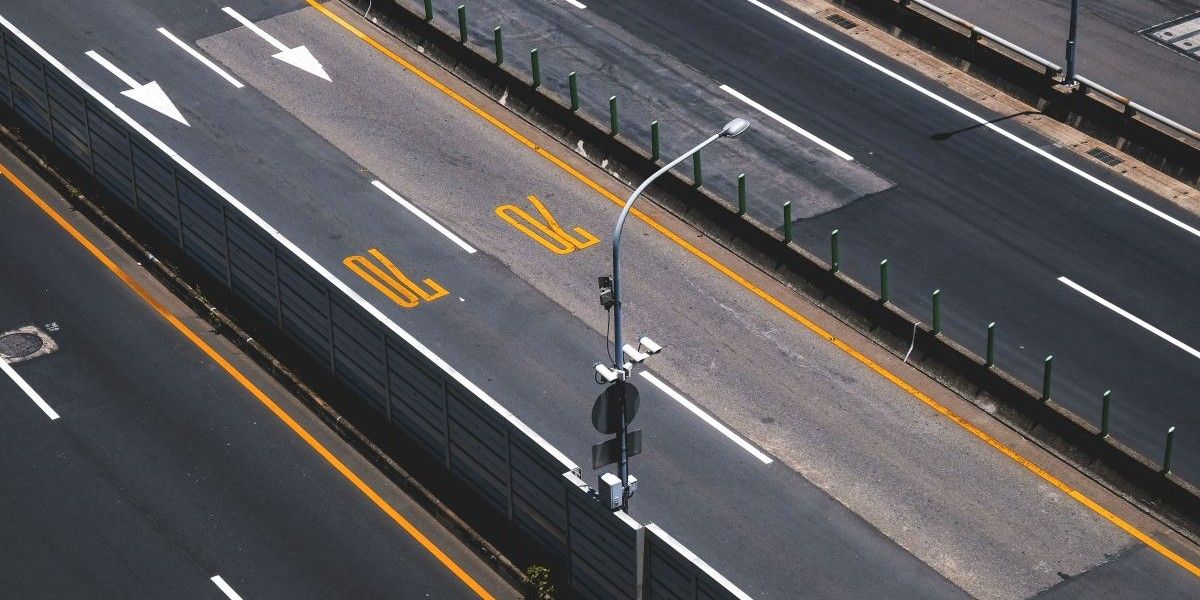
Urban congestion costs German cities approximately €7.8 billion annually in lost productivity and increased emissions, while vehicle crime rates continue to climb across major metropolitan areas. In these situations, the demand for intelligent traffic enforcement solutions has never been more critical. ALPR solutions in Germany is emerging as a cornerstone of intelligent traffic systems.
This advanced technology enables real-time vehicle identification, automated law enforcement, and data-driven traffic management. As Germany accelerates its smart city initiatives and intelligent transportation systems (ITS), ALPR plays a vital role in creating sustainable urban mobility, enhancing public safety, and optimizing infrastructure efficiency.

ALPR represents a sophisticated computer vision technology that automatically detects, captures, and reads vehicle license plates using specialized cameras and artificial intelligence algorithms. Furthermore, the system processes images in milliseconds, converting visual plate data into actionable digital information for traffic management, law enforcement, and security applications across diverse environments.
Modern ALPR systems integrate five critical components working synchronously to deliver comprehensive vehicle recognition and management capabilities.
Specialized imaging sensors capture vehicle images under diverse lighting and weather conditions, utilizing infrared capabilities and adaptive exposure controls to maintain consistent image quality for accurate plate recognition across all environmental scenarios.
Advanced optical character recognition technology extracts alphanumeric characters from license plates with high precision, processing diverse fonts, formatting variations, and international character sets to ensure reliable data extraction.
Thorough monitoring interfaces provide real-time data visualization and system control features, enabling traffic management personnel to efficiently oversee multiple camera feeds and analyze vehicle recognition data.
Machine learning algorithms continuously enhance recognition accuracy through pattern recognition and adaptive learning, automatically adjusting to different plate formats, environmental conditions, and emerging recognition challenges.
Seamless connectivity with vehicle registration systems and security watchlists enables instant verification and automated alert generation, supporting law enforcement and traffic management operations with real-time access to data.
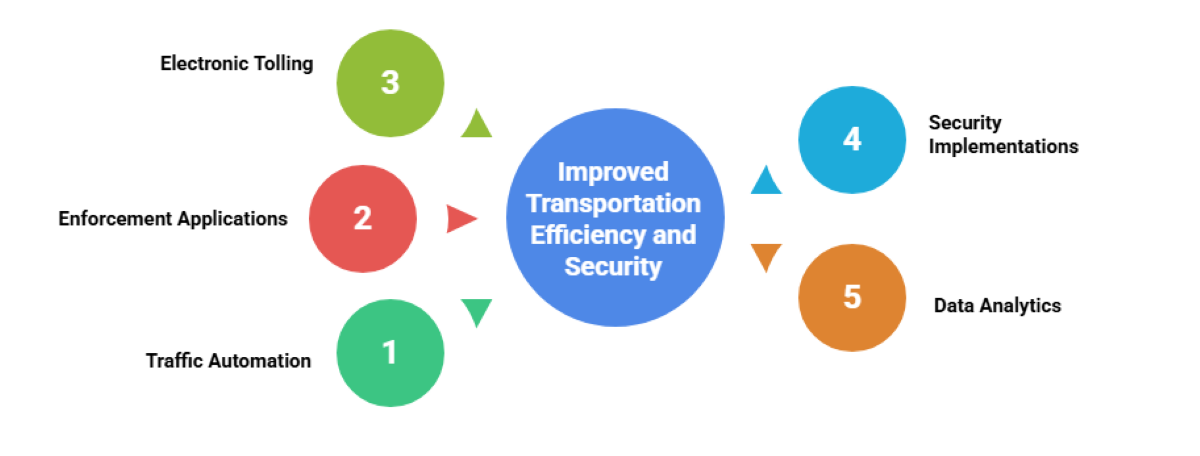
ALPR technology delivers measurable improvements across various critical transportation sectors, enhancing efficiency and reducing operational costs.
Automated vehicle monitoring reduces manual surveillance requirements while expanding coverage areas and improving response times, enabling traffic management teams to monitor larger networks with fewer personnel resources.
Consistent rule application and automated evidence collection streamline violation processing, reducing human error in enforcement activities while providing thorough documentation for legal proceedings and traffic regulation compliance.
Contactless vehicle identification eliminates physical toll barriers, reducing congestion at collection points and enabling free-flowing traffic while maintaining accurate billing and revenue collection for transportation authorities.
Real-time vehicle tracking capabilities enhance access control systems and support incident investigation procedures, providing security personnel with immediate alerts and comprehensive vehicle movement histories for threat assessment.
Traffic pattern analysis provides actionable insights for infrastructure planning and congestion management, enabling transportation planners to make informed, data-driven decisions about road improvements and traffic flow optimization strategies.
Municipalities and transportation authorities are increasingly deploying ALPR solutions in Germany to address growing urban mobility challenges and enhance public safety across various applications.
German cities deploy ALPR cameras for automated speed enforcement, bus lane monitoring, and red-light violation detection. Similarly, Frankfurt's intelligent traffic management system utilizes over 200 ALPR cameras to monitor traffic patterns in the city center and automatically issue violations. Additionally, Munich's environmental zone enforcement relies on ALPR to identify non-compliant vehicles entering restricted areas, thereby supporting the city's initiatives to improve air quality.
Smart parking solutions across German cities leverage ALPR for contactless payment systems and occupancy monitoring. Hamburg's digital parking zones utilize ALPR cameras to eliminate the need for physical tickets, automatically tracking parking duration. Moreover, Berlin's municipal parking system integrates ALPR with mobile payment platforms, enabling seamless parking experiences while optimizing space utilization through real-time occupancy data.
Germany's extensive Autobahn network increasingly utilizes ALPR for electronic toll collection and traffic flow monitoring. The upcoming truck toll expansion will rely heavily on ALPR infrastructure to capture data on commercial vehicles without disrupting traffic flow. Real-time traffic management systems utilize ALPR data to monitor congestion patterns and dynamically adjust variable speed limits.
German border checkpoints utilize ALPR systems for automated vehicle identification and enforcement of customs regulations. Consequently, this technology enables the rapid screening of commercial freight vehicles while simultaneously maintaining detailed records of their transit. Moreover, integration with European vehicle databases allows for real-time verification of vehicle registration and insurance status, thereby enhancing border security without impeding legitimate traffic flow.
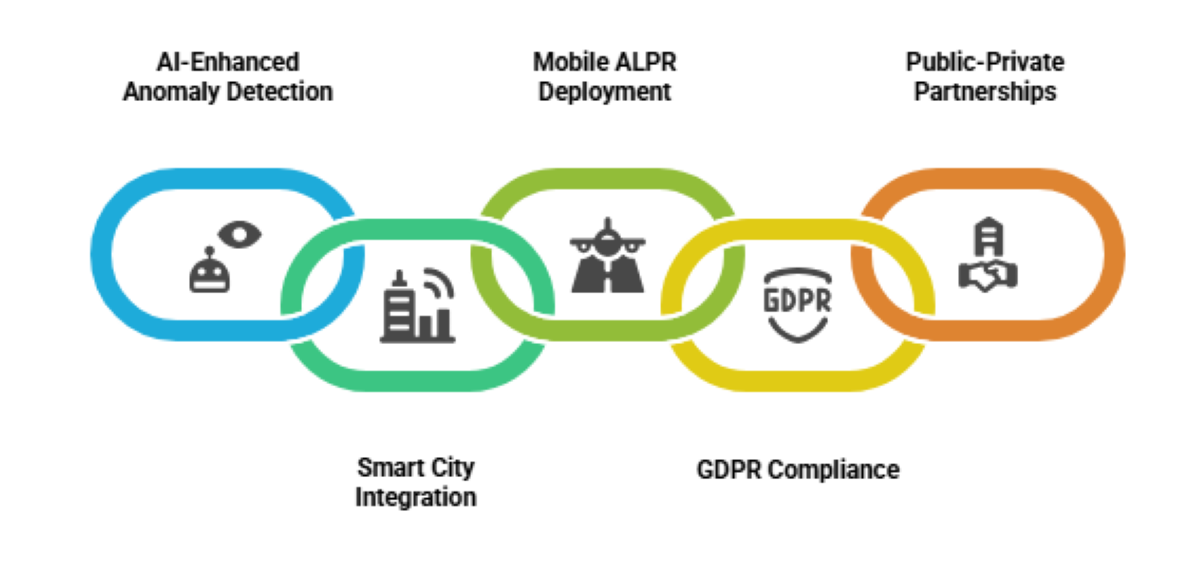
Emerging technological developments and regulatory changes are shaping the future deployment and capabilities of ALPR systems across Germany's transportation infrastructure.
Advanced AI algorithms now enable ALPR systems to detect unusual traffic patterns, suspicious vehicle behavior, and potential security threats beyond simple plate recognition. Machine learning models analyze vehicle movement patterns to identify anomalies, such as vehicles following unusual routes, extended periods of loitering, or rapid acceleration patterns, that may indicate criminal activity or traffic safety concerns.
ALPR infrastructure increasingly integrates with comprehensive smart city platforms, sharing real-time vehicle data with traffic management systems, emergency services, and urban planning tools. This integration enables coordinated responses to incidents, dynamic traffic signal optimization, and data-driven infrastructure planning based on actual vehicle movement patterns across urban environments.
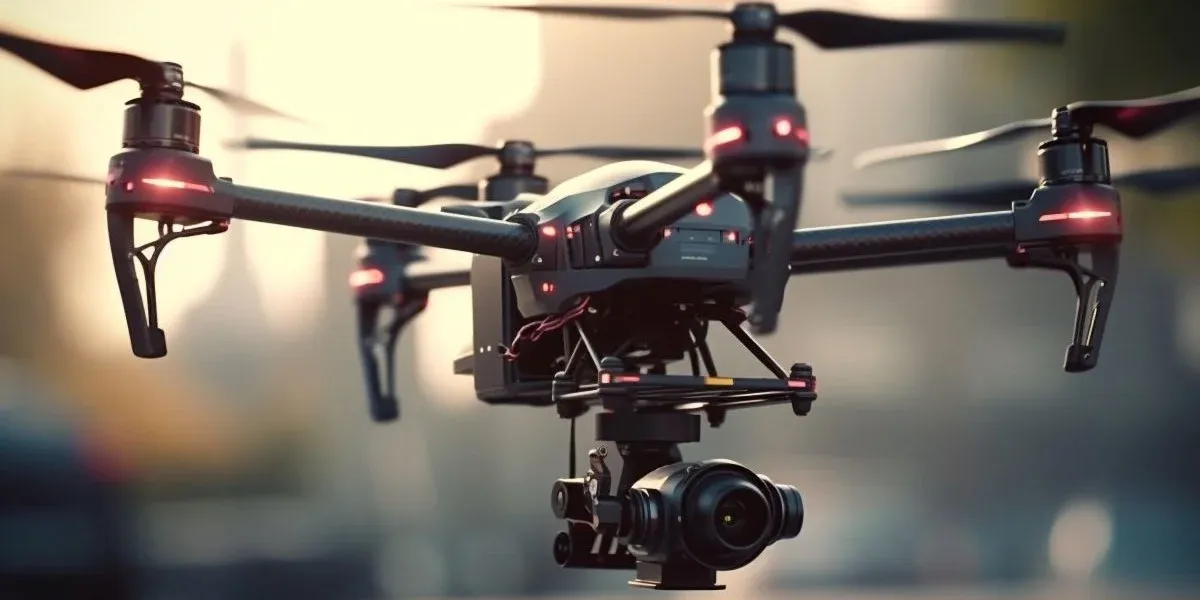
Flexible ALPR deployment options expand beyond fixed camera installations to include drone-mounted systems and mobile patrol units. Additionally, these solutions offer temporary monitoring capabilities for special events, construction zones, or emergency response situations where permanent infrastructure isn't feasible or cost-effective for meeting coverage requirements.
Strict European data protection regulations are driving innovation in privacy-preserving ALPR technologies. Consequently, new systems incorporate edge processing capabilities that analyze license plate data locally, thereby minimizing data transmission and storage requirements. Additionally, automated data anonymization and retention management features ensure compliance with GDPR requirements without compromising operational effectiveness.
Partnerships between government agencies and private companies are expanding the deployment of ALPRs across logistics hubs, airports, and commercial facilities. These collaborations leverage shared infrastructure costs while providing comprehensive vehicle monitoring coverage that benefits both public safety and private security objectives through coordinated data-sharing agreements.
Successful ALPR deployment requires addressing technical, regulatory, and social obstacles that can impact system effectiveness and public acceptance.
German data protection regulations impose strict requirements on the collection, processing, and retention of vehicle data. ALPR systems must implement purpose limitation principles, ensuring that collected data serves only specified legitimate purposes. Automated data deletion schedules and access controls prevent unauthorized use while maintaining operational capabilities for traffic management and law enforcement applications.
European license plate diversity creates technical challenges for recognition accuracy. Specifically, German plates include seasonal variants, temporary registrations, and historical formats that require specialized recognition algorithms. Moreover, cross-border vehicle traffic introduces additional complexity due to varying character sets, fonts, and plate dimensions, which consequently can cause standard OCR systems to struggle with accurate processing.
Legacy traffic management systems often lack standardized interfaces for integrating ALPR data. Municipalities must invest in middleware solutions or system upgrades to incorporate ALPR data streams into their existing traffic control systems. The development of APIs and data format standardization becomes critical for ensuring seamless integration without disrupting current operations.
Privacy concerns and surveillance apprehensions can create public resistance to ALPR deployment. Transparent communication about data usage, retention policies, and privacy protections helps build community support. Clear signage, public consultation processes, and regular privacy audits demonstrate a commitment to responsible technology deployment that balances public safety with individual privacy rights.
German weather patterns, including fog, snow, and heavy rain, can impact ALPR recognition accuracy. Camera systems require weatherproofing, heating elements, and specialized optics to maintain performance in adverse conditions. Infrared illumination and adaptive image processing algorithms help ensure consistent recognition capabilities throughout seasonal weather variations.

German ALPR deployments require specific technical capabilities and compliance features to operate effectively within the country's regulatory and infrastructure environment.
ALPR systems must implement end-to-end encryption for all data transmission and storage, with automated anonymization capabilities for non-essential identifying information. Consequently, built-in consent management systems track the purposes of data processing and the corresponding retention periods. Meanwhile, regular security audits and penetration testing ensure ongoing compliance with evolving privacy regulations and cybersecurity standards.
Recognition systems must maintain 95%+ accuracy rates across diverse environmental conditions, including direct sunlight, nighttime operations, and precipitation. Advanced imaging sensors with infrared capabilities ensure consistent performance during poor visibility conditions. Adaptive algorithms automatically adjust exposure and processing parameters based on ambient lighting and weather conditions.
User interfaces must provide comprehensive German language support for local operators while maintaining English capabilities for international users. Additionally, technical documentation, error messages, and training materials require professional translation to ensure effective system operation. Beyond this, cultural adaptation extends beyond language to include German-specific traffic regulations and enforcement procedures.
ALPR data feeds must integrate seamlessly with German traffic management systems using standardized protocols and data formats. Real-time communication capabilities enable dynamic adjustments to traffic signals based on vehicle flow patterns. Integration with digital traffic signs allows for the automatic display of relevant information, such as speed limits or route recommendations.
Flexible deployment options accommodate diverse German traffic enforcement requirements, including temporary installations for construction zones and special events. Similarly, mobile units provide rapid response capabilities for incident investigation and traffic monitoring. Meanwhile, drone-based systems offer an aerial perspective for highway monitoring and large-scale event management, while maintaining high-resolution plate recognition capabilities.
Folio3 delivers comprehensive ALPR solutions engineered explicitly for German transportation infrastructure requirements and regulatory compliance standards.
Folio3's ALPR systems utilize advanced deep learning algorithms trained on European license plate formats, achieving superior recognition accuracy for high-speed vehicles across multiple lanes simultaneously.
Built-in privacy protection features include automated data anonymization, configurable retention policies, comprehensive audit trails, and encrypted storage systems ensuring German regulatory compliance standards.
Standardized API interfaces connect directly with existing Verkehrsleitsystem infrastructure, eliminating the need for extensive system modifications. Pre-configured integration modules support common German traffic management platforms, including SITRAFFIC and SCOOT systems.

Yes, ALPR is legal across all German states for specific purposes, including traffic enforcement and public safety applications. However, the legality of deployment varies by application purpose, with strict requirements for data protection compliance and public notification. Furthermore, data usage must remain proportionate to legitimate government interests, with proper privacy safeguards implemented.
ALPR solutions in Germany must implement purpose limitation, data minimization, and automated deletion protocols to comply with GDPR requirements. Data encryption, access controls, and comprehensive audit trails ensure vehicle information remains protected while enabling legitimate law enforcement and traffic management activities within specified retention periods.
German ALPR system costs typically range from €15,000 to €50,000 per camera installation, including software licensing, installation, and first-year maintenance. However, the total cost varies significantly based on the deployment scale, integration requirements, and customization needs for specific traffic management applications and regulatory compliance features.
Modern ALPR systems integrate seamlessly with the German traffic infrastructure through standardized protocols and API connections, enabling real-time traffic flow optimization, dynamic signal timing adjustments, and coordinated incident responses across urban traffic.