Loading...
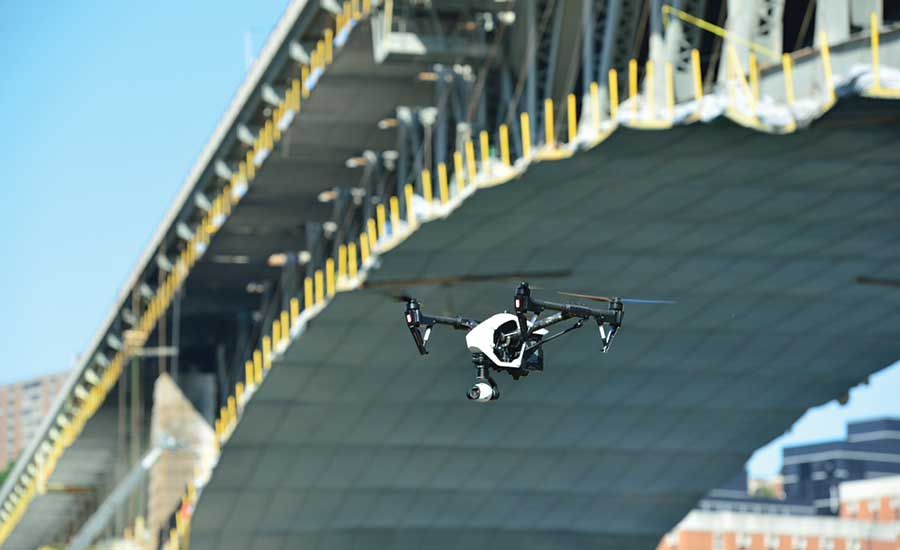

AI Drone software has changed bridge inspections by efficiently collecting vast amounts of visual and sensor data. This data is beneficial for engineers as it helps them find flaws and problems on bridges because these drones are not common but come with thermal cameras, proximity sensors, and high-definition cameras. These drones can collect data, which is then analyzed by AI drone software. This allows inspectors and engineers to make intellectual decisions. These techniques of drones powered with AI make it unique and far better than traditional approaches that were costly, time-consuming, and often dangerous. They can also cover a larger area in a shorter time than traditional inspection methods, which can take days or weeks. Additionally, drones do not place people in harm's way and can capture visual data much faster.
The benefits of drone for bridge inspection using AI is the safety factor for workers. Working with bridges is risky, and it sometimes becomes difficult to reach areas like side walls; therefore, protection is required. As drones fly, they can easily reach complex areas and conduct inspections accurately and efficiently because they have sophisticated sensors, high-resolution cameras, and AI algorithms.
Access to Hazardous Areas: Drones can enter mines, underground pipelines, cramped areas, and other dangerous places, lowering the danger of people entering them.
Real-time Data Transmission: Drones guarantee operators' safety by instantly transmitting vital information, eliminating the need for human inspectors to enter hazardous locations.
Minimizing Risks: Drones with advanced sensors and cameras gather high-resolution images and video, letting inspectors spot issues without risking exposure to dangers like toxic gases or flooding.
Collision Avoidance Systems: AI drone software has collision avoidance features that guarantee safe navigation in challenging areas and help prevent mishaps.
Real-time Monitoring: Drones use real-time infrastructure monitoring to identify safety risks and plan deviations. This encourages timely problem resolution and preservation of safety compliance.
Predictive Maintenance: Drones with AI capabilities anticipate maintenance needs by examining patterns and trends. Which helps identify potential problems before they arise.
In traditional approaches, planning and executing require significant time, human resources, and equipment to complete the bridge inspection visit. We have already mentioned how, with drones, all methods have changed. Now, fewer workers are needed as drones alone can perform many tasks.
Efficiency of Drone Inspections: Drones can collect vast amounts of visual and sensor data much faster than manual inspections, reducing the time and labor required for each inspection
Cost-Effectiveness: The automation and reduced labor cost inspectors and clients make it more affordable to conduct inspections more frequently without significantly increasing overall costs
Accessibility to Hard-to-Reach Areas: Drones provide a more thorough evaluation of the bridge's condition by giving access to regions that are hazardous or difficult for human inspectors to reach.
Drones with AI capabilities can gather enormous volumes of sensor and visual data, which can be used to build 3D models of bridge structures that are incredibly precise and detailed.
Comprehensive Data Collection: Drones can gather high-definition photos and videos
from hard-to-reach areas, including the sides and underneath of bridges, which are difficult to access.
Advanced Imaging Capabilities: Drones can gather comprehensive data regarding the bridge's state since they are equipped with high-resolution cameras, heat sensors, and other specialized imaging equipment.
AI-Powered Processing: Automated software and artificial intelligence algorithms can easily process collected data to generate accurate 3D models of the bridge structure and identify defects, wear, and other problems.
Safety: Drones eliminate the need for human inspectors to physically access potentially dangerous or hard-to-reach areas, reducing the risk of accidents.
Cost Efficiency: Using drones can be more cost-effective compared to traditional methods that often require heavy equipment, road closures, and large crews.
Time Savings: Drones can complete inspections more quickly than manual methods, minimizing disruption to traffic and reducing the downtime of the bridge.
High-Quality Data: Drones equipped with cameras and sensors can capture high-resolution images and data, enabling detailed analyses of the bridge's condition.
Accessibility: Drones can easily reach and inspect parts of a bridge that are otherwise difficult or impossible to access, such as under the deck or around the supports in water.
Drones can be equipped with advanced imaging technologies like LiDAR, thermal imaging, and high-resolution cameras that provide detailed and accurate visual records. These tools help in identifying structural issues, such as cracks, rust, and other defects, with precision.
While the choice of drone can vary based on specific inspection needs, drones with stable flight capabilities, strong wind resistance, and the ability to carry various sensors (like visual, thermal, or ultrasonic) are preferred. Examples include multi-rotor drones for their maneuverability and fixed-wing drones for covering larger areas.
Regulatory Restrictions: Drones are subject to aviation regulations, which can limit their use in certain areas or altitudes without proper permission.
Weather Dependency: Drones are sensitive to weather conditions; high winds, rain, or fog can affect their operation and the quality of data collected.
Battery Life: The limited battery life of drones can restrict the duration of continuous inspection, requiring multiple flights or battery replacements to complete a full assessment.
Drones often complement traditional inspection methods by providing initial visual inspections and identifying areas that may require closer examination. The data collected by drones can also be integrated with software tools for further analysis, helping engineers prioritize maintenance and repairs.
Operators typically need to be certified as commercial drone pilots under regulations like the FAA Part 107 in the United States. Additional training in the specific types of equipment and inspection techniques used in bridge inspection is also beneficial.
Absolutely. Drones are versatile tools that can also be used for inspecting other types of infrastructure, such as buildings, roads, dams, and power lines, offering similar benefits in terms of safety, cost, and data quality.