Loading...
Construction project managers, agricultural operations directors, and energy sector executives are realizing substantial ROI from drone technology that extends far beyond aerial photography. According to the Federal Aviation Administration, over 385,000 commercial drones are now registered in the United States, representing a 300% increase since 2019. Companies across the manufacturing, agriculture, construction, and logistics sectors are investing billions in unmanned aerial systems to streamline operations, reduce labor costs, and improve workplace safety protocols.
This technological shift is transforming how businesses approach routine inspections, data collection, and monitoring tasks. Smart organizations are leveraging drone technology to gain competitive advantages while addressing operational challenges that traditional methods struggle to solve efficiently and cost-effectively.
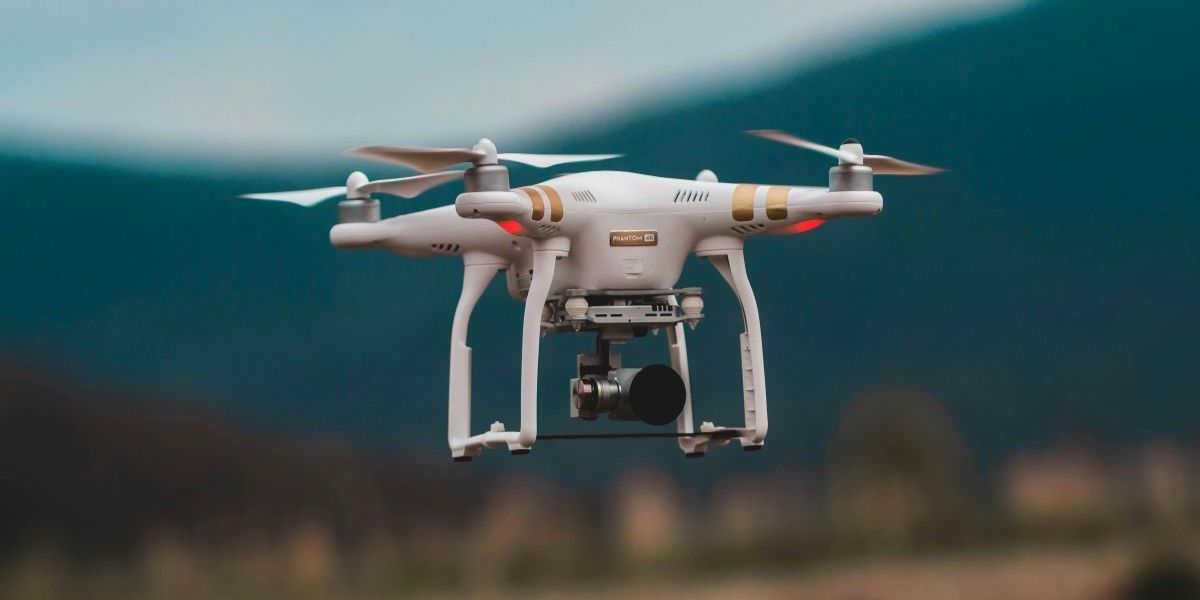
Drone technology refers to unmanned aerial vehicles (UAVs) equipped with cameras, sensors, and navigation systems that can be controlled remotely or programmed for autonomous flight. These sophisticated machines combine GPS positioning, gyroscopic stabilization, and advanced communication systems to perform tasks that would traditionally require human operators or expensive machinery.
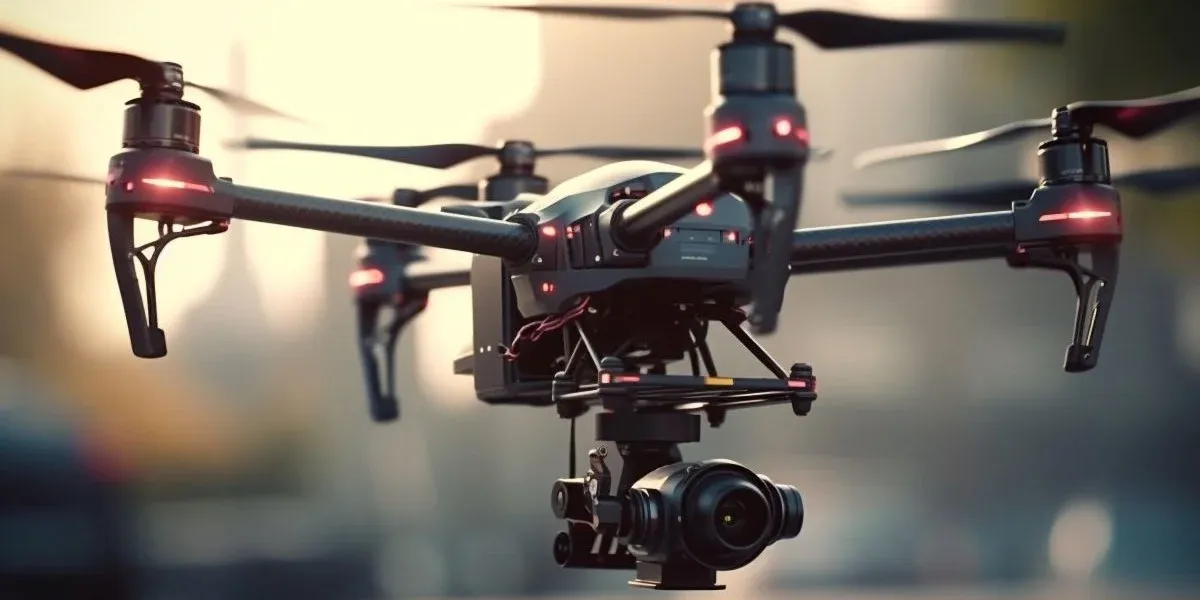
Modern commercial drones can carry payloads ranging from high-resolution cameras to specialized sensors, making them versatile tools for data collection, monitoring, and operational support.
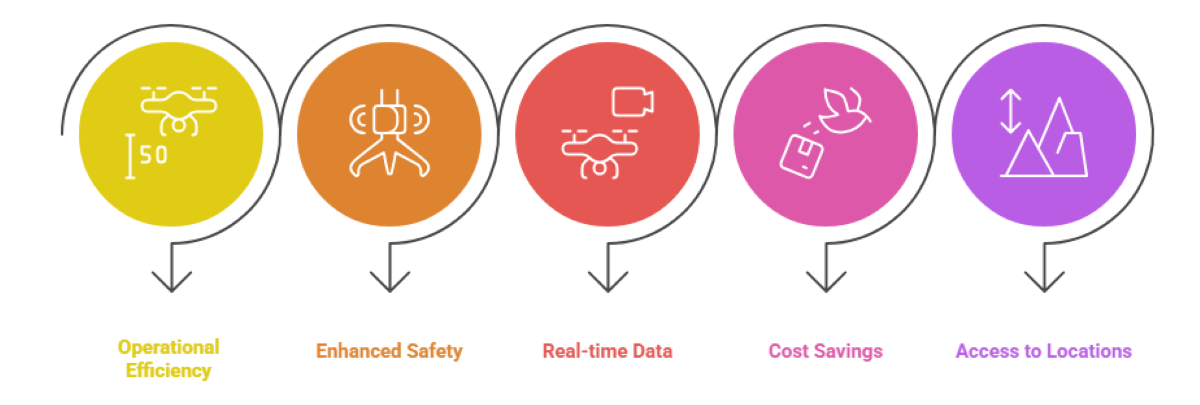
Now that we have a basic understanding of the benefits of drone technology, let's explore the key advantages it offers to businesses across various industries.
Drone technology accelerates business operations by completing tasks in minutes rather than hours or days, thereby eliminating the need for extensive human resources and time-consuming setup procedures.
Efficiency improvements span multiple operational areas:
Faster task completion - Drones access various locations simultaneously and cover large areas without the logistical constraints of ground-based operations.
Reduced setup time - Automated flight paths eliminate lengthy preparation procedures required for traditional surveying and inspection methods.
Enhanced productivity - Speed advantages translate directly into improved project completion times and higher operational throughput.
Enhanced compliance documentation - Automated data collection enables consistent regulatory reporting while minimizing manual errors in documentation.
Minimized workforce exposure - Workers avoid entering potentially hazardous areas while maintaining comprehensive operational oversight and safety standards.
Construction Surveying Speed Gains: Turner Construction uses drones with DroneDeploy technology to complete comprehensive site surveys and progress monitoring, enabling project managers to cover extensive areas in hours rather than the weeks required for ground-based surveying teams. This acceleration allows immediate identification of project bottlenecks and faster resource allocation decisions.
Agricultural Monitoring Efficiency: Cargill's precision agriculture operations utilize drone-based crop monitoring systems to assess plant health across thousands of acres in a single flight, identifying irrigation problems and pest issues that would require ground teams multiple days to discover through manual field walks. This rapid detection enables immediate corrective action during critical growing periods.
Infrastructure Inspection Safety: Duke Energy utilizes drone inspections for power line assessments, eliminating the need for dangerous climbing requirements while completing detailed structural evaluations in less time than traditional vehicle-based inspection methods. This approach reduces worker safety risks while maintaining asset monitoring.
Drone technology protects workers by eliminating human exposure to dangerous environments and hazardous conditions while reducing workplace injuries and associated costs.
Safety enhancements deliver measurable risk reductions:
Elimination of high-risk exposure: Workers operate safely from ground level while drones handle potentially life-threatening activities at height.
Reduced workplace injuries: Drones perform inspections in unstable conditions, hazardous chemical environments, and confined spaces without human risk.
Lower insurance costs: Decreased workplace incidents translate directly into reduced workers' compensation claims and liability insurance premiums.
Maintained operational continuity: Safety protocols no longer require shutting down operations or setting up extensive safety equipment for routine inspections.
Emergency response capabilities: Drones assess dangerous situations before sending human responders, improving decision-making and reducing rescue team risks.
Roof and powerline inspections: ConEd uses drones to inspect transmission lines and substations, eliminating the need for workers to climb dangerous structures and reducing electrical safety risks during maintenance operations.
Search & rescue in hazardous zones: Mountain Rescue Association teams deploy thermal-equipped drones to locate missing persons in avalanche zones, flood areas, and collapsed structures without risking additional human lives during rescue operations.
Chemical plant monitoring: ExxonMobil employs drones to monitor storage tanks and process equipment in hazardous chemical environments, preventing worker exposure to toxic substances while maintaining safety oversight requirements.
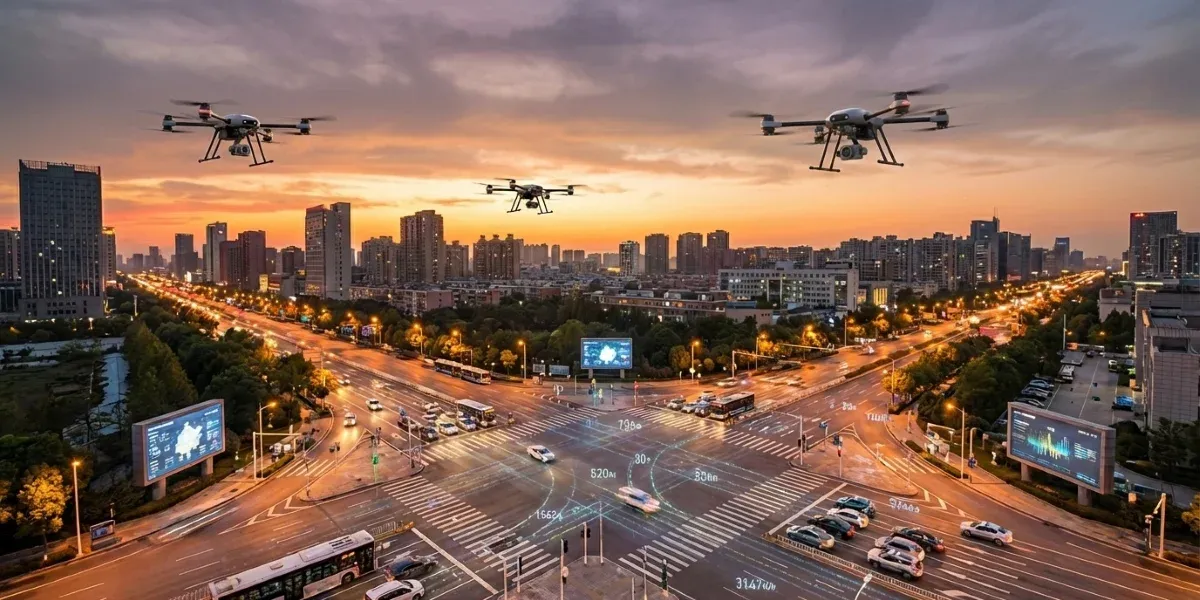
Modern drones offer instant access to high-quality visual and sensor data, supporting immediate decision-making and operational adjustments across multiple business locations.
Data collection capabilities transform business intelligence:
High-resolution imagery capture - Drones reveal equipment conditions and environmental changes invisible to ground-based observation across large operational areas.
Live-streaming capabilities - Supervisors monitor multiple field locations simultaneously and respond quickly to emerging issues without requiring physical presence.
AI-powered automated analysis - Computer vision systems identify patterns, anomalies, and trends that human operators might miss while processing data faster.
Immediate operational adjustments - Real-time insights enable instant responses to changing conditions, preventing costly delays and equipment failures.
Comprehensive area coverage - Single drone flights collect data from extensive territories that would require multiple ground teams and significantly more time.
These implementations show how real-time data collection transforms business operations through immediate insights and rapid response capabilities.
Precision agriculture monitoring: ADM uses drones to provide real-time crop health data, enabling farmers to adjust irrigation and fertilization immediately based on current field conditions rather than waiting for scheduled ground inspections.
Construction progress tracking: Bechtel uses drones with live-streaming capabilities to monitor construction sites remotely, allowing project managers to track progress, identify bottlenecks, and coordinate resources without constant site visits.
Environmental compliance monitoring: SCS Engineers deploy drones to monitor industrial sites for compliance violations, detecting emission plumes, water contamination, and other ecological issues in real-time for immediate regulatory reporting.
Drone technology delivers measurable cost reductions by eliminating expensive equipment and reducing labor requirements. Moreover, drones provide predictive maintenance insights that prevent costly equipment failures before they occur.
Financial benefits impact multiple operational areas:
Reduced labor and equipment costs - Single drone operations replace multiple ground-based teams and vehicles, covering equivalent areas with fewer personnel.
Preventive maintenance insights - Early equipment issue identification prevents costly failures and extends asset lifecycles, avoiding expensive emergency repairs.
Minimized unplanned downtime - Predictive maintenance schedules optimize equipment performance while reducing operational disruptions that cost thousands per hour.
Lower fuel and transportation expenses - Drones eliminate vehicle fleets and helicopter rentals traditionally required for inspections and monitoring tasks.
Decreased insurance and liability costs - Reduced workplace accidents and improved safety protocols lead to lower workers' compensation and liability premiums.
Cost-saving implementations demonstrate quantifiable financial benefits that justify investments in drone technology across various business sectors.
Pipeline inspection savings: Shell reports saving millions annually by using drones instead of helicopters for pipeline inspections, reducing operational costs by 85% while improving inspection frequency and accuracy.
Insurance claim processing: Farmers Insurance processes roof damage claims 40% faster using drones, reducing adjuster travel costs and providing more accurate damage assessments that prevent fraudulent claims and speed settlement processes.
Wind turbine maintenance: Siemens Gamesa reduces turbine inspection costs by 75% using drones instead of rope access teams, enabling more frequent inspections that prevent major component failures and extend turbine lifecycles.
Drones enable businesses to access remote, dangerous, or physically challenging locations that would be impossible or prohibitively expensive to reach using conventional methods.
Accessibility advantages expand operational reach:
Remote terrain access - Aerial capabilities reach rugged terrain, disaster zones, and remote infrastructure without logistical challenges of ground-based approaches.
Eliminated transportation costs - Drones bypass expensive helicopter rentals, specialized vehicles, and extensive crew deployment required for remote location access.
Environmental monitoring without disruption - Scientists study sensitive ecosystems while preserving natural habitats and wildlife behavior patterns through non-invasive observation.
Emergency response capabilities - Rapid deployment to disaster zones provides critical situational awareness without risking additional human lives or resources.
Infrastructure inspection efficiency - Access to offshore platforms, mountain installations, and hazardous industrial sites without costly scaffolding or specialized access equipment.
These implementations highlight how drone accessibility transforms operations in challenging environments while maintaining safety and environmental responsibility.
Remote bridge inspection: The California Department of Transportation uses drones to inspect bridges in mountainous areas, accessing structural elements that would require expensive scaffolding or helicopter support for conventional inspection methods.
Disaster zone assessment: FEMA deploys drones to assess flood damage and structural integrity in disaster areas, providing critical information for emergency response teams while avoiding risks associated with unstable buildings and contaminated water.
Wildlife research monitoring: National Geographic researchers use drones to study wildlife populations in remote locations, gathering behavioral data and population counts without disturbing animal habitats or risking human safety in extreme weather conditions.
The drone industry continues advancing with new technologies that will expand capabilities and applications across business sectors, with specific developments expected to reach commercial viability within the next 3-5 years.
The FAA has begun granting approval for single operators to oversee multiple autonomous drones, with Hylio becoming the first company to gain permission for three drones weighing over 55 lbs operated by one pilot. High-speed communications technologies, such as 5G networks, have improved real-time data sharing among drone devices, enabling better coordination between multiple units.
Companies like Percepto are developing AI-powered emission detectors that enable remote methane detection and compliance reporting at scale. These systems can detect emissions as low as 100 grams per hour with 90% confidence, even down to the component level. Machine learning models are becoming more sophisticated for industrial applications, with computer vision systems improving their ability to identify infrastructure defects and predict maintenance needs.
The global LiDAR drone market is projected to grow from $143 million in 2021 to $455 million in 2028 at a CAGR of 17.98%, driven by advancing sensor capabilities and decreasing costs. Current LiDAR systems for drones now weigh as little as 1.12 kg while delivering high-resolution scanning capabilities.
The FAA has established an Aviation Rulemaking Committee (ARC) that includes drone manufacturers like Percepto and Skydio to develop automated Beyond Visual Line of Sight (BVLOS) operations guidelines. These regulatory improvements are expected to streamline approval processes and expand commercial drone operations while maintaining safety standards.
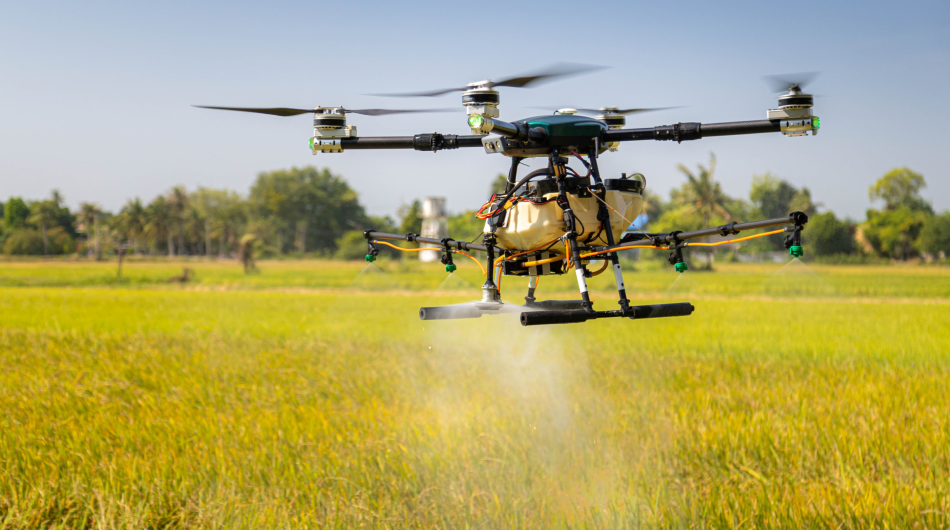
Current commercial drone manufacturers are developing larger-capacity systems, with some agricultural drones now capable of carrying payloads of up to 420 pounds, including batteries and equipment. Improvements in battery technology and alternative power sources, such as solar integration, are extending operational capabilities for specialized surveillance and monitoring applications.
Folio3 AI specializes in developing custom drone inspection software that integrates artificial intelligence with aerial data collection systems for maximum business value.
Our machine learning algorithms automatically detect cracks, corrosion, hotspots, and other anomalies in wind turbine inspections, reducing manual inspection time while improving accuracy and consistency across industrial applications.
We provide specialized drone software for solar panel inspections, agricultural monitoring, terrain mapping, and infrastructure assessments across various business sectors and operational environments.
Our platform delivers live video feed analysis, immediate anomaly alerts, and custom report generation with detailed performance metrics for livestock management and other critical business operations.
Integration capabilities connect drone inspection data with existing asset management systems, GIS platforms, and maintenance workflows for streamlined operations and enhanced productivity across industries.
We provide pilot certification assistance, regulatory compliance guidance, and ongoing technical support for search and rescue operations and other drone program implementations to ensure long-term operational success.
Agricultural drones monitor crop health using multispectral cameras that detect plant stress, disease, and nutrient deficiencies invisible to human observation. They also apply pesticides and fertilizers with precision targeting, reducing chemical usage while improving crop yields. Farmers use drone data to optimize irrigation schedules and identify field areas requiring immediate attention.
Small businesses can achieve cost savings with drones by eliminating expensive equipment rentals and reducing labor requirements for routine inspections or monitoring tasks. Entry-level commercial drones cost between $3,000-$15,000, often paying for themselves within months through reduced operational expenses. Many small businesses start with basic applications like property inspections or marketing photography before expanding to more complex operations.
Industrial operations typically use heavy-duty drones like the DJI Matrice series, senseFly eBee, or custom-built systems capable of carrying specialized sensors and equipment. These drones feature longer flight times, weather resistance, and payload capacities suitable for LiDAR scanners, thermal cameras, and gas detection sensors. Fixed-wing drones handle large-area mapping while multi-rotor systems provide precise hovering capabilities for detailed inspections.
Drones eliminate worker exposure to dangerous environments by performing inspections of high structures, confined spaces, and hazardous chemical areas remotely. They provide real-time situational awareness during emergency response operations and can detect safety hazards like gas leaks or structural damage before workers enter potentially dangerous areas. Emergency response teams use drones to assess situations and coordinate safer rescue operations.
Modern drones integrate seamlessly with artificial intelligence systems for automated flight planning, object recognition, and predictive analytics. AI algorithms process drone-collected imagery to identify defects, track changes over time, and generate maintenance recommendations without human intervention. Machine learning capabilities enable drones to improve performance through experience, adapting to specific operational environments and requirements while reducing the need for manual data analysis.