

Loading...

Fleet managers across industries are discovering how automated license plate recognition (ALPR) technology revolutionizes vehicle tracking, security, and operational efficiency. Modern fleets face mounting pressure to reduce costs while maintaining compliance and security standards. ALPR systems address these challenges by automating traditionally manual processes, delivering real-time insights, and enabling data-driven decision-making. This guide to choosing the right ALPR system for your fleet helps operators evaluate solutions that maximize ROI, enhance safety, and streamline operations.
The global ALPR market reached $6.71 billion in 2024 and is projected to grow at 10.10% annually, reaching $14.48 billion by 2032. This growth reflects widespread adoption across transportation, logistics, and municipal sectors. Fleet operators implementing ALPR report operational cost reductions, improved security protocols, and streamlined compliance processes.

Automatic License Plate Recognition (ALPR) is an advanced computer vision technology that automatically captures, reads, and processes vehicle license plates using high-speed cameras and artificial intelligence algorithms. The system combines optical character recognition (OCR) with machine learning to identify vehicle information in real-time, even at highway speeds and challenging environmental conditions.
ALPR technology transforms static license plate images into searchable digital data that integrates with fleet management systems, databases, and operational workflows for enhanced automation and intelligence.
Modern ALPR systems integrate five essential technologies to deliver comprehensive vehicle identification capabilities across diverse operational environments:
Advanced imaging sensors capture clear license plate images at speeds up to 250 km/h, featuring infrared capabilities for 24/7 operation and weather-resistant housing for reliable performance in challenging conditions.
Sophisticated OCR algorithms convert captured plate images into machine-readable text with 95-98% accuracy rates, supporting multiple plate formats, international character sets, and diverse font variations across regions.
Machine learning models continuously improve recognition accuracy through environmental adaptation, handling distorted angles, partial obstructions, and varying lighting conditions while reducing false positives and operational errors.
Scalable cloud infrastructure enables real-time data processing, centralized management, and seamless integration with existing fleet management systems, providing instant access to vehicle information and comprehensive analytics capabilities.
Advanced data processing capabilities deliver instant alerts, pattern recognition, and predictive insights, enabling proactive fleet management decisions and automated responses to security threats or operational anomalies.
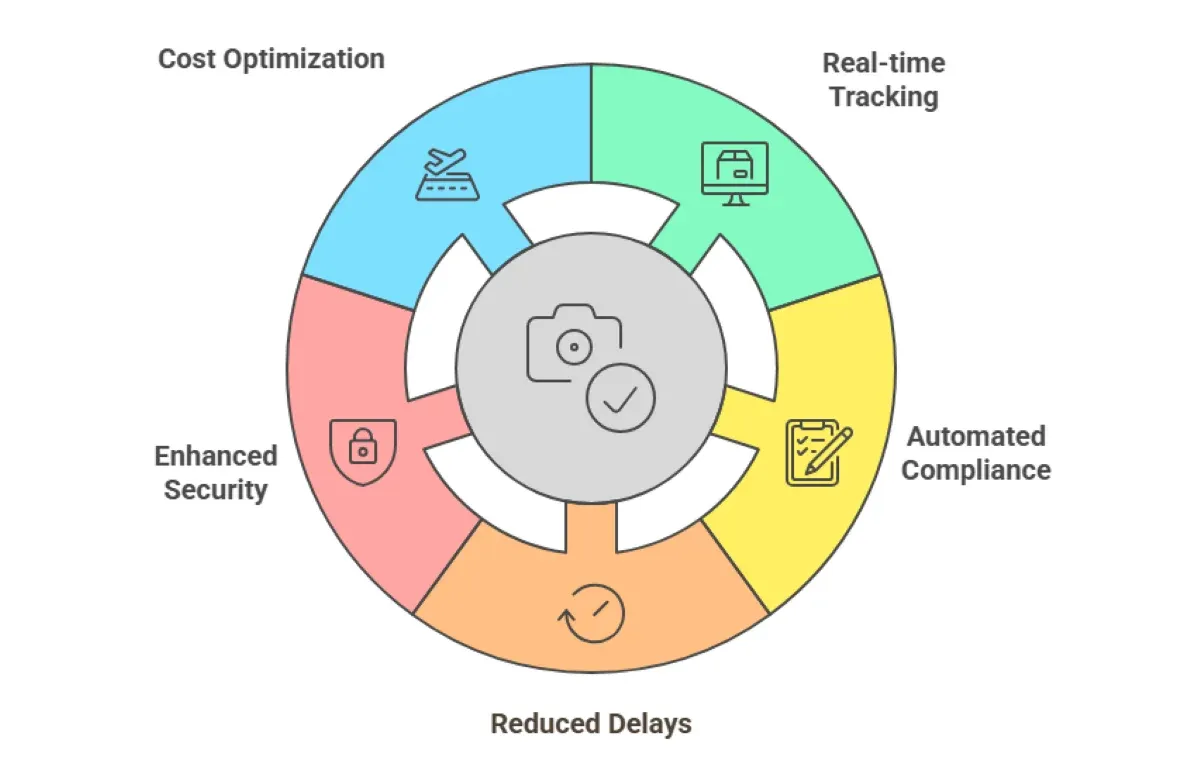
ALPR technology delivers measurable operational improvements across fleet management functions, enhancing efficiency while reducing manual oversight requirements and associated costs:
Automated license plate detection provides continuous vehicle location updates, enabling dispatchers to optimize routes, monitor arrival times, and respond quickly to operational changes or emergencies across multiple facilities.
Systematic data collection creates comprehensive audit trails for regulatory compliance, reducing manual documentation requirements while ensuring accurate record-keeping for inspections and regulatory reporting processes.
Instant vehicle identification eliminates manual check-in processes, reducing gate processing times and minimizing bottlenecks at facility entrances, loading docks, and security checkpoint locations throughout operations.
Real-time threat detection identifies unauthorized vehicles, stolen assets, and security breaches instantly, enabling immediate response protocols and reducing theft incidents through automated alert systems.
Detailed vehicle usage patterns reveal optimization opportunities, helping fleet managers reduce fuel consumption, minimize idle time, and improve asset utilization rates across operational networks while maximizing efficiency.
ALPR solutions adapt to diverse industry requirements, delivering specialized functionality that addresses unique operational challenges and regulatory compliance needs:
Integrated weighbridge systems automatically capture vehicle weights and route data, delivering operational efficiency gains through optimized collection schedules, reduced manual entry, and improved regulatory compliance across operations.
High-volume processing capabilities handle substantial daily vehicle movements through automated gate systems, cargo manifest verification, and predictive traffic flow analytics for enhanced supply chain efficiency and reduced delays.
Real-time vehicle tracking supports emergency response coordination, traffic enforcement, and public safety initiatives while maintaining comprehensive activity logs for accountability monitoring and performance evaluation across departments.
Automated vehicle returns, theft prevention, and location tracking streamline operations while reducing processing times and improving customer experience through faster check-in procedures and enhanced security monitoring capabilities.
Site security monitoring tracks equipment movement, prevents unauthorized access, and maintains detailed asset logs for project management, insurance claims, and regulatory compliance requirements across multiple construction sites.
Feature CategoryCustom ALPR SolutionsOff-the-Shelf ToolsAccuracy Rate95-98% with environmental adaptation85-92% with limited optimizationInitial Cost$25K-75K investment$5K-15K setupDeployment TimeMinimum 8-12 weeks development2-4 weeks installationScalabilityLinear scaling without performance limitsPerformance degradation at high volumesIntegrationDeep API connectivity with existing systemsLimited connectivity optionsData ControlComplete ownership with on-premise optionsVendor-controlled with access limitations5-Year TCOLower long-term costsHigher ongoing licensing feesCustomizationUnlimited workflow adaptationPredefined features onlySupportDedicated technical resourcesShared support channels
Pre-built ALPR platforms offer standardized functionality designed for rapid deployment across common fleet management scenarios and established operational workflows:
Ready-to-deploy systems reduce setup time to 2-4 weeks compared to custom development cycles, enabling immediate operational benefits and faster return on investment realization across fleet operations.
Upfront costs range from $5,000 to $15,000 for basic installations, making ALPR technology accessible for smaller fleets with limited capital budgets and immediate deployment needs without extensive customization requirements.
Established platforms provide demonstrated reliability through extensive user bases, offering confidence in system stability and operational effectiveness across diverse environments, applications, and industry-specific deployment scenarios worldwide.
Comprehensive documentation, training programs, and technical support channels ensure smooth implementation and ongoing operational assistance through established vendor relationships, proven methodologies, and industry best practices.
Pre-developed functionality includes common fleet management integrations, basic reporting capabilities, and standard security protocols without requiring custom development time, specialized expertise, or additional programming resources.
Tailored ALPR platforms deliver specialized functionality designed for unique operational requirements and complex integration needs across enterprise environments:
On-premise deployment options provide full control over sensitive vehicle data, ensuring compliance with privacy regulations while eliminating vendor dependency and maintaining operational independence across all organizational levels.
Custom algorithms achieve 95-98% accuracy rates through environmental optimization, specialized training data, and continuous learning capabilities tailored to specific operational conditions, requirements, and environmental challenges.
Linear scaling architecture accommodates unlimited fleet growth without performance degradation, supporting expansion from local operations to nationwide networks without system replacement requirements or additional infrastructure investments.
Custom APIs enable seamless connectivity with existing fleet management, ERP, and IoT systems, eliminating data silos and creating unified operational workflows across enterprise platforms and organizational departments.
Despite higher upfront investment, custom solutions eliminate ongoing licensing fees and vendor dependencies, delivering superior return on investment over multi-year operational cycles with reduced maintenance costs.
Strategic ALPR selection requires careful consideration of fleet scale, operational complexity, and growth projections to ensure optimal technology alignment:
Limited vehicle counts benefit from standardized solutions offering immediate deployment, predictable costs, and proven functionality without requiring extensive customization, dedicated technical resources, or infrastructure investments.
Growing operations require scalable platforms combining off-the-shelf reliability with customization options, enabling gradual enhancement as operational complexity and integration requirements increase over time and organizational growth.
Large-scale operations demand specialized functionality, complete data control, and unlimited scalability that only custom platforms can deliver while ensuring long-term cost effectiveness and operational independence.
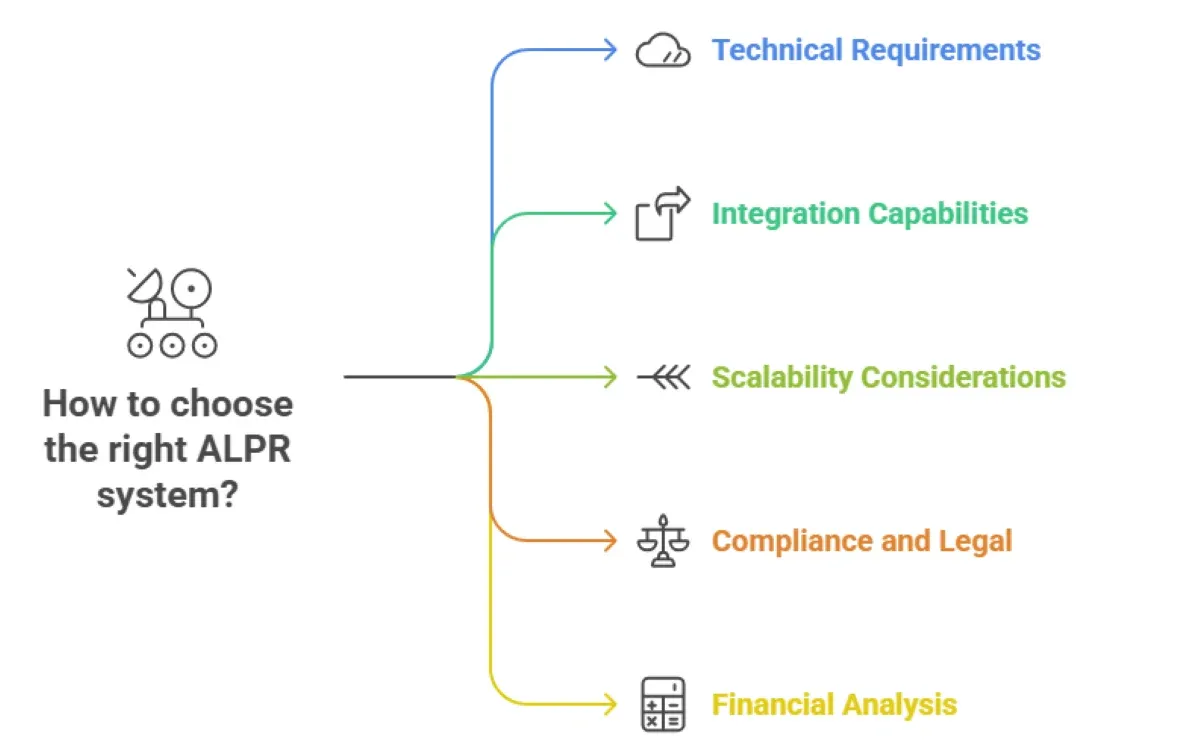
Successful ALPR implementation requires a comprehensive evaluation of technical capabilities, integration requirements, and operational alignment to ensure optimal performance and return on investment:
Camera specifications must support high-speed recognition across multiple lanes, infrared capabilities for 24/7 operation, weather resistance for outdoor deployment, and accuracy exceeding 95% for reliable fleet operations.
Seamless connectivity with existing fleet management systems, telematics platforms, weighbridge equipment, IoT sensors, and enterprise software ensures unified data flow and eliminates operational silos across technological infrastructures.
System architecture must accommodate fleet growth, geographic expansion, increased processing volumes, and enhanced functionality without requiring complete replacement or performance degradation over operational lifecycles and business expansion.
Regulatory adherence includes GDPR data protection, CCPA privacy requirements, DOT commercial vehicle regulations, employee consent protocols, and industry-specific compliance standards across operational jurisdictions and regulatory frameworks.
Total cost evaluation encompasses initial hardware investment, software licensing, integration expenses, ongoing maintenance, training costs, and long-term operational savings to determine true return on investment timelines.
Vendor selection impacts implementation success, operational performance, and long-term satisfaction with ALPR technology investments across fleet management applications.
Understanding market positioning helps identify optimal technology partners aligned with specific operational requirements and organizational objectives:
Established vendors like Folio3 AI offer proven platforms with extensive customer bases, comprehensive support networks, and continuous innovation across diverse applications and industry verticals.
Niche vendors focus on specific industries or applications, delivering deep expertise in areas like waste management, logistics, or municipal operations with tailored functionality and specialized technical support.
Innovative startups leverage cutting-edge AI advances, cloud-native architectures, and modern development practices to deliver next-generation capabilities and competitive pricing structures for growing market segments.
Deployment models affect performance, security, and operational flexibility, requiring careful consideration of organizational requirements and technical constraints:
Local installation provides complete data control, enhanced security, and reduced bandwidth requirements while requiring dedicated IT infrastructure and ongoing maintenance responsibilities across organizational technical resources and capabilities.
Managed platforms offer scalability, automatic updates, and reduced infrastructure requirements while depending on internet connectivity and sharing data processing with third-party providers for comprehensive system management.
Combined architectures balance security and scalability by processing sensitive data locally while leveraging cloud resources for analytics, reporting, and non-critical operations across distributed organizational infrastructure networks.
Systematic vendor assessment ensures optimal technology selection aligned with operational requirements and organizational objectives:
Recognition accuracy rates, processing speeds, environmental adaptability, uptime guarantees, and scalability capabilities determine operational effectiveness and reliability across diverse deployment scenarios and challenging environmental conditions.
API flexibility, system connectivity options, data format support, and existing infrastructure compatibility affect implementation complexity and ongoing operational efficiency across enterprise systems and organizational workflows.
Technical assistance availability, response time guarantees, training program quality, documentation completeness, and ongoing relationship management impact long-term success and user satisfaction across organizational departments.
Licensing models, cost transparency, scalability pricing, termination clauses, and vendor lock-in considerations affect total cost of ownership and operational flexibility over contract lifecycles and business relationships.
Technology advancement plans, research and development investment, feature enhancement schedules, and market positioning indicate long-term viability and competitive positioning in evolving technology markets.
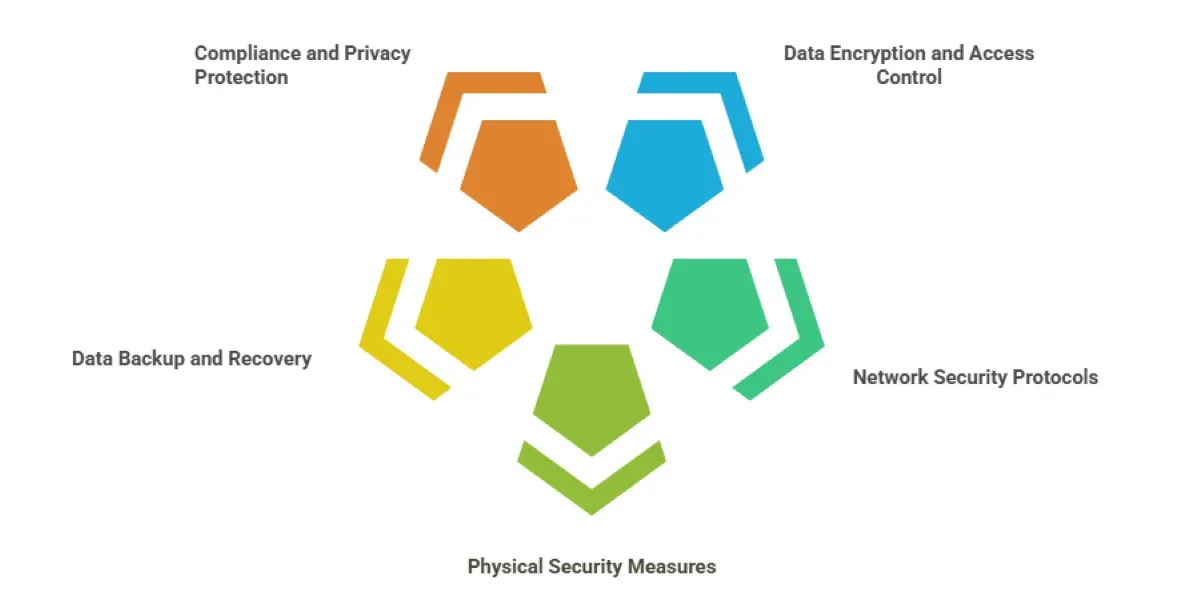
Comprehensive security strategies protect sensitive vehicle data while ensuring operational continuity and regulatory compliance across ALPR deployments. Understanding potential vulnerabilities and implementing robust safeguards remains critical for fleet operations handling sensitive location and movement data.
End-to-end encryption protects vehicle information during transmission and storage, while role-based access controls limit data exposure to authorized personnel and maintain comprehensive compliance audit trails.
Secure communication channels, firewall protection, intrusion detection systems, and regular vulnerability assessments protect ALPR infrastructure from cyber threats and unauthorized access attempts across network perimeters.
Camera protection, equipment housing, tamper detection, and environmental monitoring prevent vandalism, theft, and physical interference with critical ALPR system components across deployment locations and facilities.
Automated backup systems, disaster recovery procedures, and business continuity planning ensure operational resilience and data protection against system failures or security incidents across organizational operations.
Regulatory adherence includes data retention policies, employee notification requirements, consent management, and privacy impact assessments to maintain legal compliance and stakeholder trust across jurisdictions.
Proactive challenge identification and mitigation strategies ensure successful ALPR implementation and optimal long-term performance across diverse operational environments:
Weather conditions, lighting variations, and viewing angles affect accuracy. Overcome these challenges through proper camera placement, infrared capabilities, multiple viewing angles, and continuous algorithm optimization across deployment environments.
System connectivity challenges arise from legacy infrastructure. Address these through a comprehensive compatibility assessment, API development, a phased integration approach, and dedicated technical support resources throughout the implementation processes.
Growing data volumes strain storage and processing capabilities. Manage these challenges through cloud architecture, automated data lifecycle policies, efficient compression algorithms, and scalable infrastructure planning across organizational growth phases.
Staff reluctance affects system utilization. Overcome resistance through comprehensive training programs, clear benefit communication, gradual implementation phases, and ongoing support and feedback mechanisms across organizational departments.
System reliability affects operational continuity. Ensure reliability through proactive monitoring, predictive maintenance schedules, redundant systems, and responsive technical support agreements with guaranteed service level commitments..

Emerging technologies and evolving market demands drive continuous innovation in ALPR capabilities, creating new opportunities for fleet optimization and operational excellence:
Machine learning algorithms analyze vehicle patterns to predict maintenance needs, optimize routes, forecast traffic congestion, and identify operational inefficiencies before they impact fleet performance and organizational productivity.
Local processing capabilities reduce latency, minimize bandwidth requirements, enable offline operation, and improve real-time response times while maintaining data security and operational continuity across distributed networks.
Comprehensive sensor networks integrate vehicle telemetry, environmental monitoring, and infrastructure data to create intelligent transportation systems with enhanced automation and optimization capabilities across operational environments.
ALPR systems evolve to support self-driving fleet operations through enhanced vehicle identification, automated routing decisions, and seamless integration with autonomous vehicle management platforms and control systems.
Sophisticated reporting tools provide real-time dashboards, predictive insights, and comprehensive fleet analytics that enable data-driven decision-making and continuous operational improvement across organizational processes.
Folio3 AI delivers comprehensive license plate recognition solutions designed for complex fleet management requirements across diverse industries and operational environments:
Our intelligent recognition platform utilizes advanced neural networks and premium camera integration to deliver consistent accuracy rates above 95%, maintaining reliable performance in adverse weather conditions and high-velocity traffic environments reaching 250 km/h.
Robust API architecture facilitates effortless connection with current telematics platforms, operational management software, and security systems while offering flexible deployment options supporting cloud infrastructure and on-site installation requirements.
Modular system architecture supports expansion from pilot programs to enterprise-wide implementations without compromising processing speed, accommodating unlimited fleet sizes and complex multi-lane configurations across varying operational environments.
Expert technical specialists deliver round-the-clock assistance, customized training curricula, continuous performance optimization, and proactive maintenance protocols, ensuring sustained operational excellence and maximized investment returns.
Purpose-built configurations address specific challenges within fleet management, government operations, commercial logistics, and niche applications through customized interface design, specialized reporting modules, and regulatory compliance frameworks.

The best ALPR system depends on fleet size: small fleets (10-50 vehicles) benefit from off-the-shelf solutions like Safe Fleet or Axon, while enterprise fleets (500+ vehicles) achieve optimal results with custom solutions offering 95-98% accuracy and unlimited scalability. Key factors include recognition accuracy, integration capabilities, and total cost of ownership over multiple years.
ALPR technology delivers operational cost reductions through automated vehicle identification, eliminating manual check-in processes and reducing gate processing times. Real-time tracking enables optimized routing, while automated compliance reporting and enhanced security protocols prevent theft and operational inefficiencies.
Essential features include 95%+ recognition accuracy in diverse weather conditions, high-speed processing capabilities, and seamless integration with existing fleet management systems. Look for infrared capabilities for 24/7 operation, real-time alert systems, and compliance features for GDPR and industry regulations.
Yes, modern ALPR solutions offer extensive integration capabilities through flexible APIs connecting with GPS tracking, telematics platforms, fleet management software, and IoT sensors. This connectivity eliminates data silos and creates unified operational workflows across enterprise platforms.
Advanced ALPR systems maintain high accuracy in challenging weather through specialized algorithms and infrared cameras for clear imaging in rain, fog, and low-light conditions. Custom systems achieve 95-98% accuracy through environmental adaptation and continuous learning capabilities.
Large fleet ALPR costs vary significantly: off-the-shelf solutions range from $15,000-50,000 with ongoing licensing fees, while custom solutions require a higher upfront investment but eliminate recurring costs. Enterprise implementations typically achieve break-even within 18-24 months through operational cost reductions.
ALPR enhances fleet security through real-time vehicle identification, unauthorized access detection, and automated threat response protocols. Systems create comprehensive activity logs and generate instant alerts for suspicious activities, reducing theft incidents through proactive monitoring.
Yes, modern ALPR systems support linear scalability from single locations to nationwide networks without performance degradation. Cloud-based architectures accommodate unlimited vehicle volumes, while centralized management dashboards provide unified oversight across distributed operations.
ALPR deployments must comply with GDPR, CCPA, and regional privacy regulations governing personal data collection, including employee notification and consent requirements. Organizations should establish clear privacy policies, implement role-based access controls, and consider employee privacy rights for personal vehicle monitoring.
ALPR integration with IoT sensors creates comprehensive fleet intelligence by combining vehicle identification with telemetry data from GPS trackers, fuel sensors, and maintenance systems. This sensor fusion enables predictive maintenance, automated compliance reporting, and enhanced security protocols across integrated ecosystems.