Loading...

2023 marked a milestone in US agriculture as crop production soared to 241.4 million metric tons. Believe it or not, it was largely driven by the substantial impact of computer vision in agriculture. This achievement highlights a significant opportunity for various participants in the agricultural industry. Precision agriculture techniques are being adopted to enhance revenue growth. The primary boost behind this productivity and efficiency is the trio of artificial intelligence, deep learning, and computer vision services. They have changed traditional agricultural practices. Now, instead of labor-intensive and time-consuming manual field inspections, computer vision agriculture provides farmers with efficient and accurate tools for monitoring crop health and detecting diseases. In this blog post, we will further discuss the transformative impact of computer vision in agriculture and its future potential.

Accurate calculations are crucial to improve yield estimation and prediction. Not long ago, farmers used to implement traditional methods of estimates based on historical data, visual inspections, and intuition. Computer vision agriculture has transformed their practices by offering real-time insights into crop health, growth, and potential yield. This benefits farmers in making precise decisions about irrigation and pest control. It evaluates crop performance over time and adjusts future strategies accordingly. Computer vision finds anomalies for farmers that might impact yields, such as nutrient deficiencies, pest infestations, or water stress. This early detection allows farmers to take corrective measures for sustainable agricultural growth.
Computer vision plays a valuable part in maintaining sustainable farming practices. It assists farmers in spotting and monitoring invasive weeds and lower environmental harm. It maintains soil health by providing information on moisture levels, erosion, and other factors that let farmers manage their crops more effectively. A network of sensors in the field collects real-time information on soil moisture, temperature, nutrient levels, and plant health. This consistent monitoring helps with dynamic modifications to irrigation, fertilization, and pest control strategies.
Besides the benefits it provides for agricultural practices, computer vision has many applications in farming. Here's a look at the top 9 applications of computer vision in agriculture:
Precision Agriculture
Computer vision services offer up-to-date details on crop health, soil moisture, and pest presence, which helps in precision agriculture.
Crop Monitoring
Farmers can easily monitor their crops and reduce wastage with computer vision services. It saves time from manual inspections.
Weed Detection
Computer vision helps farmers identify and target specific areas affected by weeds. Doing so reduces the use of herbicides and minimizes environmental impact.
Plant Growth Monitoring and Analysis
Farmers can monitor plant growth in real time and analyze it using computer vision to identify potential issues or optimize growing conditions.
Disease Detection
Farmers can save their crops from damage by taking early measures to control crop diseases with computer vision services.
Harvesting Optimization
Farmers can calculate the best time to harvest for maximum yield and quality. They can use image processing techniques and machine learning algorithms for this application.
Yield Estimation and Prediction
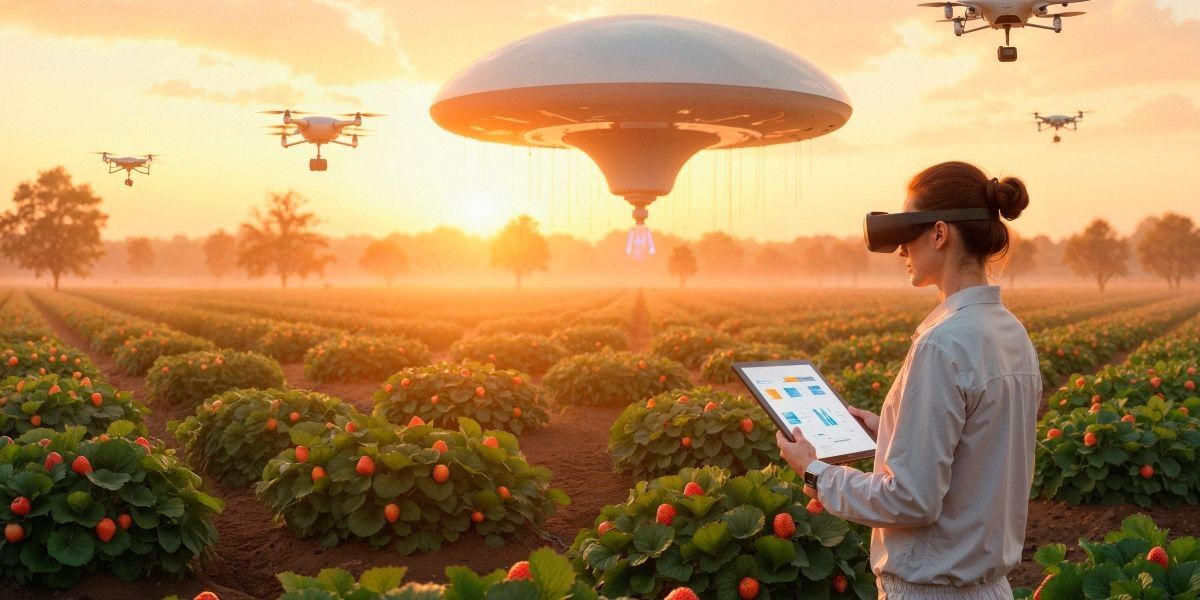
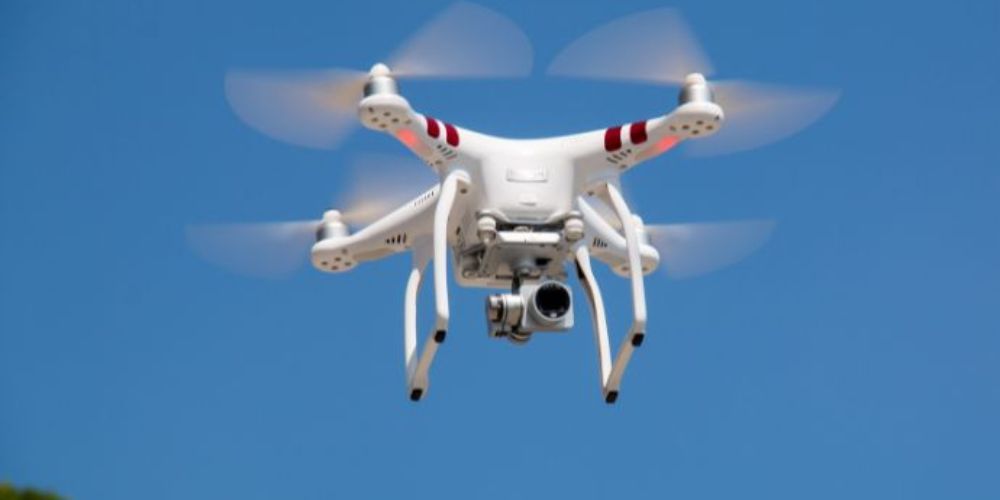
Agricultural computer vision can process data from drones, satellites, and various sources, offering precise predictions that assist farmers in planning future farming strategies effectively.
Soil Moisture Management
Taking soil moisture measurements is crucial, and with computer vision, farmers adjust irrigation and nutrient application accordingly for optimal plant growth.
Livestock Monitoring
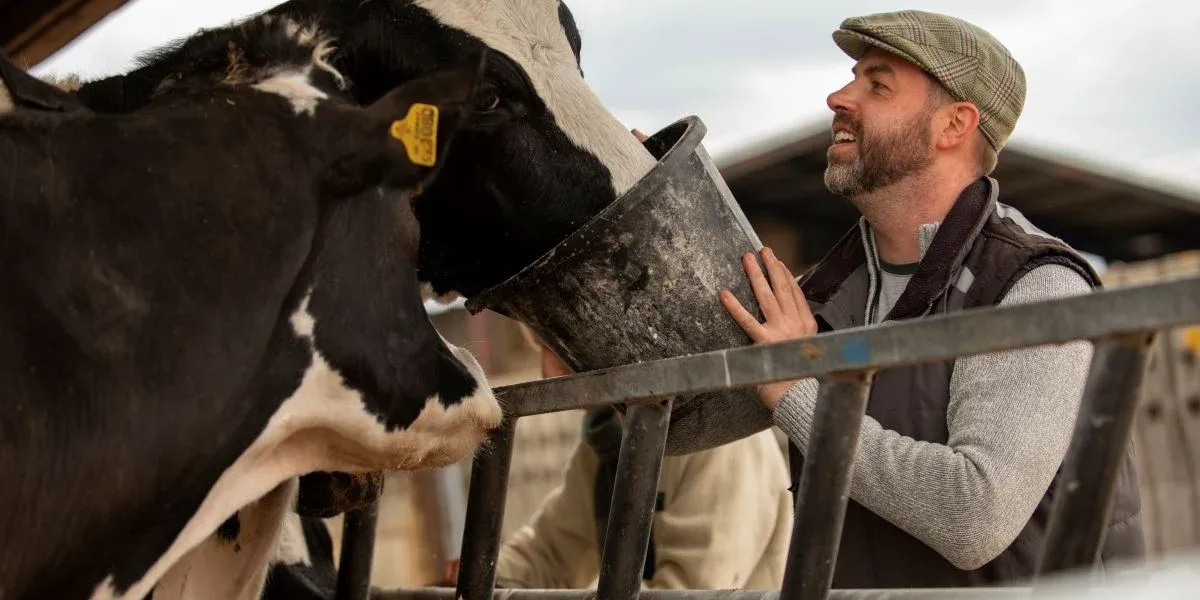
Computer vision extends beyond crop production; it can also monitor livestock health and behavior, offering crucial insights for effective management.
Irrigation Management
Farmers can accurately determine when and how much water is needed for their crops, reducing water waste and saving resources.