Loading...
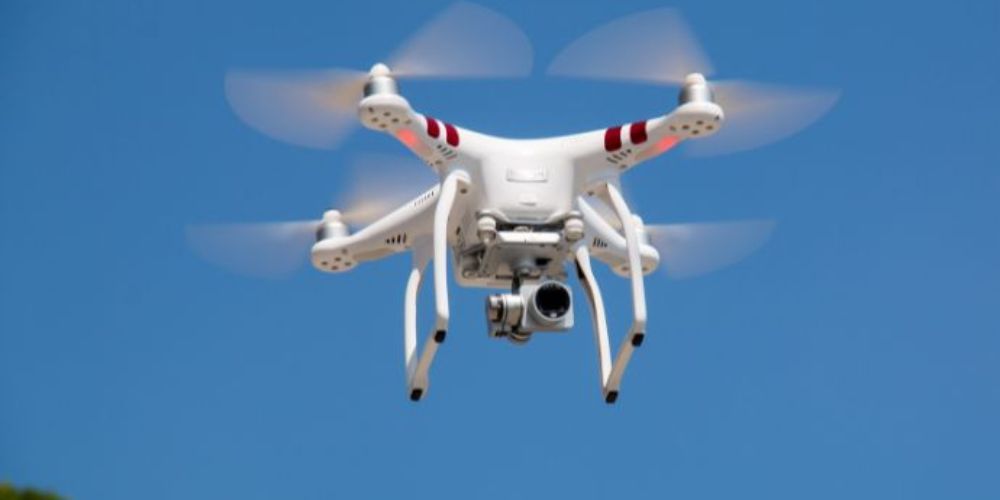
In 2024, AI drones will be quite familiar to all of us and will have gained considerable popularity, especially in the farming industry. It’s fascinating to see how many different types of drones are being used today in agriculture. AI drones in agriculture are reforming the way farmers address their challenges. Equipped with high-resolution cameras and advanced AI technology, these drones capture images from angles and heights that are often inaccessible to farmers. With the data collected, farmers can monitor crop health more effectively, manage resources with greater efficiency, and ultimately enhance productivity while reducing costs. These innovative tools provide invaluable insights, ensuring a more sustainable and successful farming approach. Drones also help spot plant stress by detecting different colors and, through thermal imaging, identifying heat variations. This capability, enhanced by AI, helps farmers irrigate precisely where water is needed, ultimately saving water and boosting crop yields. Now, you see the value of AI-powered drones in the farming industry. They offer amazing benefits, such as improved efficiency, accurate monitoring of large fields, and the ability to gather real-time data for better decision-making. To solve your agriculture problem, this article will guide you through different types of drones in agriculture for your specific farming needs.

AI technology is essential for modern drones in agriculture. It uses advanced algorithms to process data from drones in real-time, giving farmers valuable insights. This helps them make quick, informed decisions, boosting efficiency, productivity, and crop yields. One key benefit of AI in drones is spotting plant stress. By analyzing images and data, AI identifies areas where crops struggle due to pests or a lack of water. This allows farmers to act quickly, reducing losses and improving yields. Additionally, AI-powered drones create detailed maps of fields by gathering data on soil moisture and topography. Farmers use these maps for precision agriculture, enabling targeted irrigation and fertilization, which lowers costs and benefits the environment.
Now that we've covered why AI is needed in drones, let's take a look at the different types of drones used in agriculture.
Fixed-wing drones are a popular choice for farmers as they cover vast areas quickly and efficiently. These drones resemble airplanes, and they fly in a straight line, capturing high-quality images of crops with their cameras. They are typically equipped with long-range sensors to detect soil moisture levels or plant health. Fixed-wing drones can also carry larger payloads than other types of drones, making them suitable for agricultural spraying.
Can cover up to 400 hectares in a single flight.
Flight time can range from 60 to 90 minutes.
Able to fly at high altitudes, between 150 and 500 feet
Crop health monitoring
Irrigation management
Soil and field analysis
Mapping and surveying of large areas
Cover large areas quickly.
High-quality imaging capabilities
Long flight time and the ability to fly at high altitudes
Limited maneuverability
Require more space for takeoff and landing.
Multi-rotor drones are the most common type of drone used in agriculture. They have a hovering capability, which allows them to stay at a fixed location while capturing images or spraying crops. These drones have different cameras, sensors, and GPS systems for efficient data collection.
Can cover up to 20 hectares in a single flight
Flight time ranges between 20 and 60 minutes.
Ability to hover and fly at low altitudes, between 50 and 300 feet
Crop scouting and monitoring
Precision spraying of crops
Field mapping and surveying
High maneuverability
Versatile for different farming operations
The compact size allows for easier transportation and storage.
Limited flight time and coverage area compared to fixed-wing drones
Hybrid Vertical Take-off and Landing (VTOL) drones combine fixed-wing and multi-rotor technology. They can take off vertically like a helicopter and transition into forward flight like a traditional fixed-wing drone. This allows them to cover large areas and hover over specific locations when needed.
Can cover up to 100 hectares in a single flight.
Flight time ranges from 60 to 90 minutes.
Capable of vertical take-off and landing, as well as horizontal flight
Large-scale crop monitoring and mapping
Precise spraying of crops on steep or uneven terrain
Quick response for emergencies such as pest infestations or disease outbreaks
Versatile for various farming operations
Improved coverage area and flight time compared to multi-rotor drones
Ability to take off and land in confined spaces
Higher cost than other types of drones
More complex operation and maintenance requirements
Using AI drones in agriculture has brought numerous benefits to the industry, making it an indispensable tool for modern farming practices. Some of these benefits include:.
Increased Efficiency: AI-powered drones are designed to optimize farming operations and reduce the time and effort required by human workers. With their ability to cover large areas quickly, they can significantly increase efficiency on farms.
Precision Farming: The detailed data collected by AI drones allows farmers to accurately determine the health of crops, soil conditions, and the topography of fields. This information helps in making precise decisions about irrigation, fertilization, and other farm management practices, leading to improved yields.
Cost-effective: Although there is an initial investment in purchasing AI drones, the long-term benefits outweigh the costs. Drones eliminate the need for manual labor or expensive equipment and chemicals used in traditional farming methods, making them a cost-effective option for farmers.
Sustainability: With the ability to target specific areas and reduce chemical usage, AI drones promote sustainable farming practices. This not only benefits the environment but also helps produce healthier crops for consumption.
Accessibility: The availability of affordable AI drones has made this technology accessible to small and medium-sized farms, giving them access to advanced tools and data that were once out of reach.
Explore more about the Future of Food Security with Agriculture Drone Software
When choosing the right AI drone for your agricultural needs, there are a few factors to consider.
Farm Size: The size of your farm will determine the type and specifications of the AI drone you need. For large farms, fixed-wing or hybrid VTOL drones may be more suitable, while small to medium-sized farms can benefit from multi-rotor drones.
Farming Operations: Consider what tasks you want the AI drone to perform on your farm. Different drones have different capabilities, so it's essential to choose one that aligns with your specific farming operations.
Budget: As mentioned earlier, AI drones can be a costly investment. It's important to set a budget and choose a drone that fits within your financial means while also meeting your farming needs.
Training and Support: Drones require skilled operators, so it's crucial to consider training and support options when choosing an AI drone. Look for manufacturers or dealers who offer training programs and technical support to ensure the smooth operation of your drone.
Now, if you get a perfect AI drone that fulfills your agriculture needs, here are some best practices for the safe and effective use of drones in agriculture.
Obtain necessary permissions: Before utilizing AI-powered drones for agricultural purposes, ensure you have all required permits and licenses from local authorities.
Plan flights intelligently: Employ AI to optimize your flight paths, avoiding potential hazards like power lines and restricted airspace.
Stay within visual line of sight (VLOS): Most countries mandate that drone operators maintain VLOS. AI can assist in monitoring and ensuring compliance during flights.
Follow the manufacturer's instructions: Always read and adhere to the manufacturer’s guidelines for your AI drone, understanding its unique capabilities and limitations.
Maintain and regularly inspect the drone: Regular maintenance and AI-driven inspections are crucial for safe and efficient operation.
Keep track of weather conditions: Use AI tools to monitor weather forecasts before each flight. Avoid operating in adverse conditions like high winds or rain.
Be mindful of privacy concerns: When deploying AI drones for agricultural purposes, always respect people's privacy by not flying over private property without permission.
Explore our new blog about How to Integrate AI Into Your App: Experts Insights
Fixed-wing drones (for large-area mapping), multirotor (for detailed imaging and spraying), and hybrid VTOLs combining both benefits.
Drones equipped with AI (computer vision, ML) are used for precision spraying, crop health monitoring, soil mapping, and disease detection.
Enable efficient crop monitoring, precision spraying, high-resolution data collection, and resource optimization (fertilizer, water).
Time and labor savings, precision farming, improved yields, cost savings, and environmental benefits.
High initial cost, limited flight time, technical skills required, weather dependency, regulation hurdles.
Fixed-wing drones cover large areas (up to 400 ha, 60–90 min flight), while multirotors offer precise imaging but shorter flight times (20–60 min, ~20 ha).
Yes—AI drones perform precision spraying and soil and field mapping using sensors and GPS, improving efficiency and reducing chemical usage.
Regulations vary universally; operators may need licensing, FAA compliance in the U.S., and must avoid restricted airspace.