Loading...
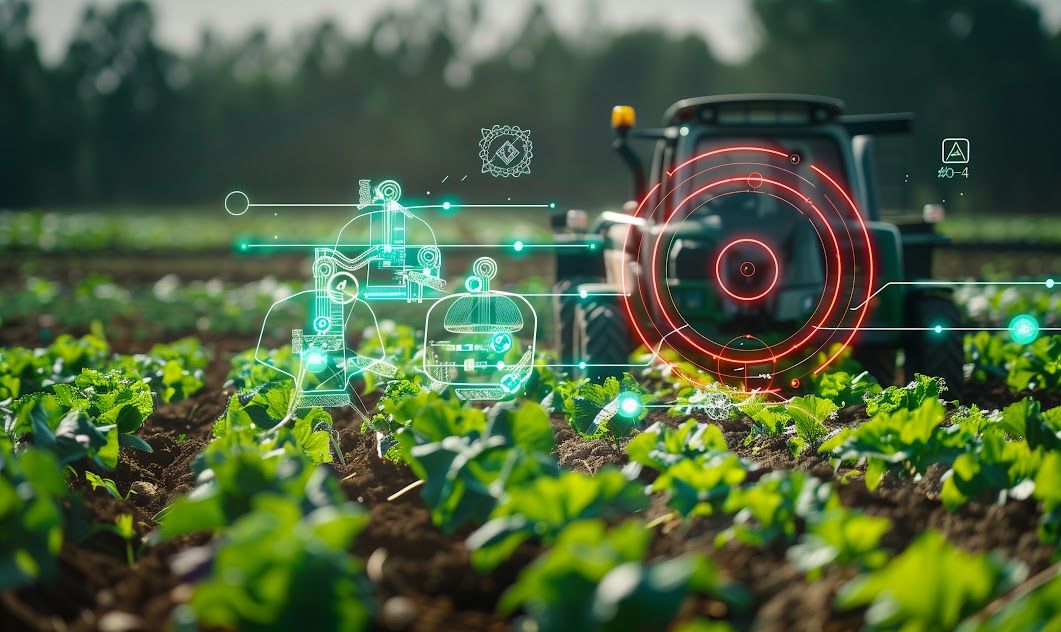
Agricultural automation capitalizes on AI technology to optimize farmers' tasks, reduce the reliance on human labor, and escalate overall farming operations. The global population is rapidly growing and is expected to reach 9.1 billion by 2050. This raises concerns about large quantities of food production. Therefore, meeting the increasing food demand requires significant improvements in agricultural productivity. Automation addresses these increasing concerns and helps farmers grow healthier, organic food at a high rate. Computer vision technology, which allows machines to visualize and analyze images, has significantly refined agricultural automation. Focused initially on basic image processing, computer vision offers advanced systems capable of real-time monitoring, yield estimation, and pest detection. Plus, using technologies like drones and cameras equipped with computer vision algorithms, farmers can oversee large areas of crops from a broader perspective, leading to better resource management and timely interventions. This review explores how computer vision redefines agricultural automation in its current applications. Understanding these advancements is crucial for farmers, researchers, and policymakers to improve farming practices and ensure food security.
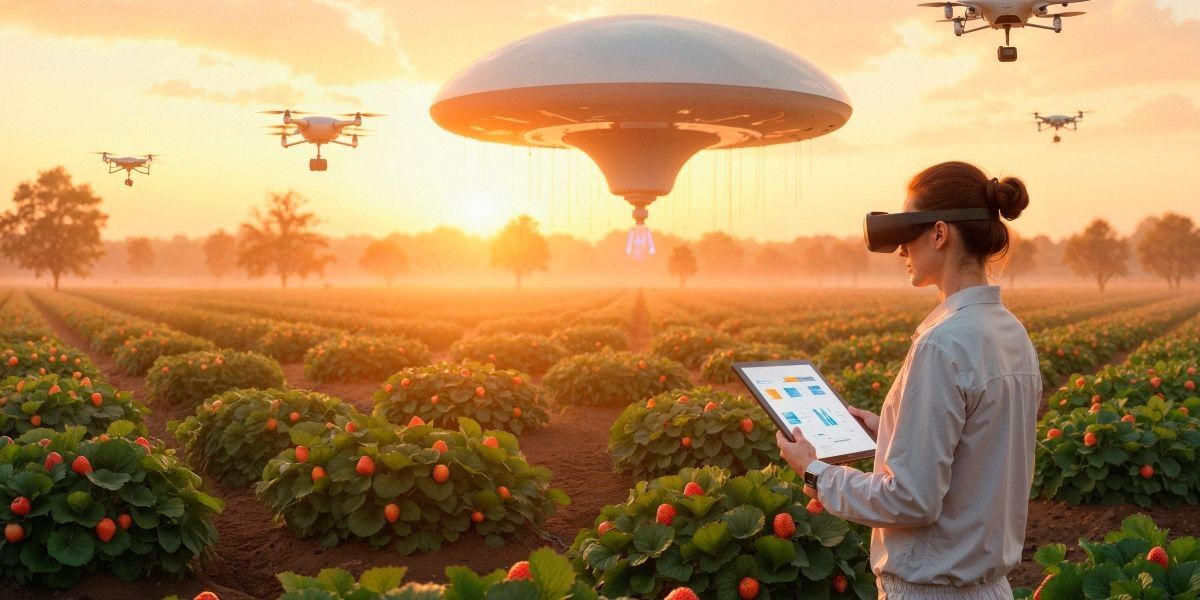
The need for automation is becoming more prevalent in modern agriculture due to difficulties such as a growing global population, labor constraints, and the need for sustainable practices. Automation amplifies agricultural operations and sustainability by integrating advanced computer vision technologies like robotics, sensors, and data analytics. Farmers don't have to do all the hard work anymore. Machines can plant, weed, and harvest crops, allowing them to spend more time planning and making decisions. Further, technologies like drones and robots help farmers see what's happening to their crops. They can tell if the plants are sick or need water. This permits farmers to use resources wisely and grow more food.
Computer vision is reshaping the agricultural landscape by automating critical tasks and delivering precise, real-time insights that accentuate efficiency and minimize waste. Farms employing this technology have reported a substantial 30% increase in yield attributed to improved crop health monitoring. These advancements give direction towards a more intelligent and eco-friendly approach to farming. Let's discuss it in more detail.
Computer vision empowers farmers to manage their crops better. They use unique cameras and data analysis to address crop issues before they escalate, leading to healthier and more productive fields.
Multispectral imaging (MSI) gives farmers a broader view of their crops, including infrared light. This allows farmers to detect plant diseases and nutrient deficiencies before they become visible. For instance, MSI identifies diseases like cassava brown streak disease (CBSD) early and reveals nutrient shortages so farmers can adjust their fertilization strategies quickly and effectively.
Building on the insights from multispectral imaging, phenotyping uses computer vision to get in-depth exposure to plant stress, such as water shortages or nutrient imbalances. By understanding these stress signals, farmers immediately fine-tune irrigation and fertilization practices and select crop varieties that better withstand environmental challenges. This approach guarantees crops receive what they need to thrive, further optimizing their health and productivity.
Real-time 3D modeling takes the analysis further by creating digital twins of crop fields using drone and sensor data. These detailed visualizations allow farmers to see their crops' health and growth patterns in three dimensions. This is best to inspect pests or water stress more accurately and make well-defined irrigation, pest control, and harvesting decisions. Seeing your crops grow in real time helps you take better care of them. This means less waste and better results.
Precision agriculture is a modern way of farming that uses technology to permit farmers to work better and be kinder to the environment. Farmers can use computer vision to learn more about their soil, use water wisely, and guess how much food they will grow. It enables targeted interventions, boosting productivity while minimizing waste. It also shows how computer vision aids soil analysis, smart irrigation, and yield prediction.
High-resolution cameras developed with computer vision algorithms change how farmers evaluate soil health and nutrient levels. They provide detailed insights into soil properties, such as pH, nutrient content, and moisture. This knowledge helps maintain healthy soil, which is essential for robust crop growth. Also, you can integrate computer vision with IoT systems, which makes it easy for farmers to monitor soil conditions in real-time and make precise adjustments. This leads to better nutrient management, supports healthy crops, reduces waste, and prevents soil-related crop diseases.
Plants need proper care, and water is one of the main factors keeping them in good condition. So, water management is paramount, and computer vision helps assess soil moisture levels, providing real-time data. — with drones. The information obtained from drones feeds into smart irrigation systems that adjust water usage precisely, ensuring crops receive the right amount of water at the right time. This method conserves water, keeps crops healthy, and boosts yields by preventing over- or under-watering.
Even though farmers manage their crops effectively, weather is another factor contributing to crop growth. Computer vision helps us forecast conditions like temperature and rainfall. This information helps farmers better plan for resource allocation, pest control, and harvest timing, boosting farm productivity. Also, advanced imaging provides farmers with valuable details on plant growth, leaf health, and overall vigor.
Automated harvesting and sorting are reforming the management of agricultural products from field to market. With computer vision technology, tasks like identifying ripe fruits and sorting produce by quality can be automated. This advancement reduces time and labor costs and improves agricultural products' overall efficiency and quality. Let’s explore how computer vision is leading these innovations.
Quality control is necessary in agriculture. Food production should be free of disease. Again, computer vision, with high-resolution cameras, offers great benefits in inspecting fruits and vegetables for size, color, and defects, ensuring only the best products reach the market. It also allows precise sorting based on quality standards, streamlines packaging, reduces labor costs, and minimizes errors, making the entire process more efficient.
Computer vision enhances traceability and supply chain management in agriculture. Combining imaging with RFID or barcode systems can track every piece of produce from field to consumer. Cameras capture images during harvesting, packing, and shipping to ensure quality standards are upheld throughout the supply chain. This improved traceability is vital for food safety, allowing for swift action if contamination occurs. It also aids in better inventory management, reduces losses, and boosts overall supply chain efficiency.
At the same time, deep learning is making robotic harvesters smarter. These systems use the same advanced imaging technology to identify ripe produce by analyzing its color, size, and shape. Robotic pickers, trained on large image datasets, can adapt to different environments and conditions, ensuring minimal damage to crops. Together, these innovations streamline supply chain management and harvesting, resulting in quicker operations, lower labor costs, and improved product quality.
Weed and pest control are fundamental for maintaining crop health and maximizing yields. Traditionally, farmers relied on broad-spectrum chemicals, which were expensive, labor-intensive, and often environmentally harmful. However, with the integration of computer vision technology, farmers can now employ more sustainable and efficient methods. This technology allows for precise identification and targeted treatment of weeds and pests, significantly reducing chemical use and reinforcing environmental sustainability. Let's explore how computer vision transforms weed and pest control in agriculture.
Traditional weed control methods often involve the indiscriminate application of herbicides, harming both weeds and beneficial plants. Computer vision offers a more targeted approach, allowing farmers to pinpoint and eradicate weeds without harming crops. This precision not only reduces herbicide use but also protects the environment.
Computer vision is a powerful tool for finding pests early. These smart systems, deployed on drones or stationary cameras, always watch the fields for pests. When they find pests, farmers can use targeted treatments, like special sprays or natural enemies, to get rid of them. This helps protect good bugs and the environment. As a result, the crops are healthier and produce more food.
computer vision When integrated with automated spraying systems, this approach becomes even more effective. Smart sprayers pinpoint areas that need treatment, ensuring chemicals are applied only where necessary. For instance, they may treat just the weeds without harming surrounding crops, leading to more sustainable farming, reduced waste, and higher yields.
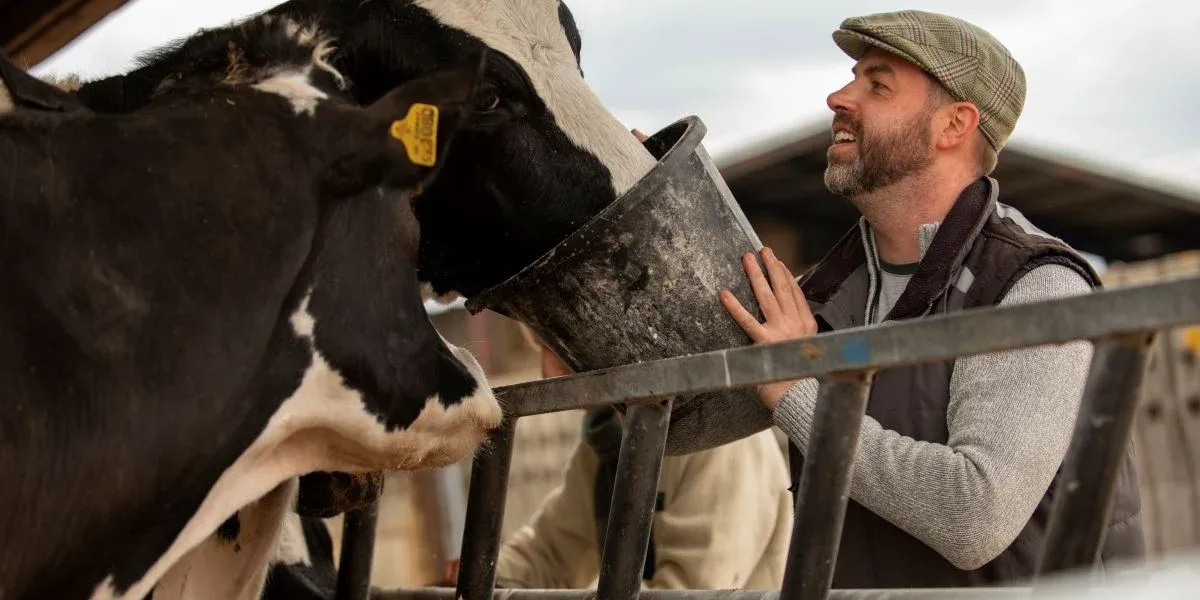
Effective livestock management keeps animals healthy, happy, and productive. Traditional methods often require manual work and might overlook early signs of illness. But with computer vision technology, things are changing. This technology automates the monitoring process, offering precise and constant analysis of livestock. It helps detect diseases early, better understand animal behavior, and even fine-tune feeding strategies. All these improvements make livestock management more efficient and sustainable.
Computer vision elevates livestock health management by automating disease detection. It monitors animals' posture and movement to spot illnesses early, so farmers don't always have to keep an eye on them. Prompt alerts allow quick intervention, preventing disease spread and cutting economic losses. It also offers insights into herd health, improving decisions on veterinary care, and boosting productivity.
Understanding animal behavior is essential for their well-being and effective management. With computer vision, farmers monitor each animal's movements and interactions in real time. For example, changes in feeding or activity might signal health problems or stress. This data helps farmers improve living conditions and feeding plans, making sure animals are well cared for. It also guides in choosing the best animals for breeding to promote better health and productivity.
Computer vision makes precision feeding easier by tracking how much each animal eats and spotting changes that might signal health or nutrition problems. This information helps farmers adjust feed portions to meet each animal's needs, improving their health and growth while reducing waste and costs. It also makes farming more sustainable by reducing excess feed and harmful runoff.
Effective supply chain management ensures that agricultural products move smoothly from the farm to the consumer, maintaining quality and safety throughout. Computer vision transforms this process by improving traceability, inventory management, and demand forecasting. With computer vision integrated at different stages, businesses gain more transparency, reduce waste, and better match supply with demand.
Computer vision makes it easier to track agricultural products from the farm to the consumer. Cameras and data analytics monitor every step, from harvesting to transportation. For example, cameras check the quality of the product at various stages. This helps quickly find contamination sources if there’s a food safety issue and builds trust by showing where food comes from. It also allows consumers to make better choices.
Computer vision helps cut waste by automating the sorting and grading of products. It assesses items based on size, color, and quality, speeding up the process and reducing mistakes. This means less spoilage and better management of stock. Real-time data on inventory helps businesses plan better, matching supply with demand and avoiding excess stock.
Computer vision makes understanding what customers want easier. Businesses learn about customer preferences and trends by tracking how people interact with products in stores. This information, along with sales and seasonal data, helps forecast demand more accurately. Better predictions lead to improved production planning and inventory management, reducing waste and increasing customer satisfaction.
Below is a breakdown of the essential computer vision components utilized in agricultural automation.
Compelling image processing and analysis in agricultural computer vision are critical for monitoring and managing crops and livestock. The process starts with capturing high-resolution images using drones, cameras, and sensors. Essential techniques include segmentation, feature extraction, and classification. Segmentation: This technique breaks an image into parts, like separating crops from weeds. Feature Extraction: This identifies critical characteristics of the crops or animals for further analysis. Classification: This helps identify and categorize different elements in the images. Despite their potential, challenges such as varying light conditions, occlusions from foliage, and differences in crop appearance can complicate these processes. Addressing these issues is essential for accurate analysis and reliable outcomes in agricultural applications.
Integrating machine learning and deep learning algorithms with computer vision greatly enhances agriculture's object detection and pattern recognition. Advanced algorithms, such as convolutional neural networks (CNNs), learn from large datasets to accurately identify and classify objects. For example, the See & Spray system uses computer vision to differentiate between crops and weeds, significantly reducing herbicide usage. This AI-driven approach boosts efficiency and supports sustainable farming by minimizing chemical inputs and optimizing resource use, contributing to a more environmentally friendly agricultural practice.
Deploying computer vision in agriculture uses various types of cameras and sensors for different tasks. Common options include RGB cameras, multispectral cameras, and thermal imaging sensors, each offering unique insights into crop health and environmental conditions. For example, multispectral cameras capture data beyond the visible spectrum to analyze plant health based on chlorophyll content. However, outdoor deployment faces challenges like weather changes, dust, and equipment wear. Emerging solutions, such as robust, weather-resistant devices and edge computing, are helping to overcome these issues. Edge computing allows for real-time data processing directly on-site, which reduces delays and bandwidth needs, making agricultural systems more responsive and effective.
Folio3 AI stands at the forefront of agricultural innovation, offering a comprehensive suite of AI-driven solutions to reorganize farming practices. Their expertise spans precision farming, crop monitoring, and supply chain optimization, integrating advanced technologies to address the complexities of modern agriculture. Folio3 AI provides high-value tools for precise crop management, real-time insights into crop health, and efficient supply chain forecasting. Opting for Folio3 AI for your agricultural automation needs ensures access to state-of-the-art technologies that enhance productivity while minimizing environmental impact. Their solutions, including intelligent chemical spraying systems, predictive analytics for seed sowing, and autonomous harvesting, are meticulously crafted to optimize resource allocation and maximize yield. With us, you can get proper automation of your agriculture and new standards in farm productivity and environmental stewardship.
We've looked at, how using computer vision in areas like crop monitoring, precision farming, livestock management, and supply chain optimization has already made a big difference. For instance, early disease detection, targeted weed control, and automated harvesting are making farming more productive, cutting down on waste, and helping the environment. With these technologies continuing to evolve, we can expect even better accuracy, efficiency, and scalability in the future. To fully use the potential of computer vision in agriculture, ongoing research and development are crucial. There are challenges like adapting to different environmental conditions, improving the durability of hardware, and making AI models easier to understand. Collaboration among researchers, industry leaders, and policymakers is essential for driving innovation and encouraging the widespread use of these groundbreaking technologies.
In conclusion, the future of agriculture hinges on blending computer vision with traditional farming methods. By using advanced imaging, machine learning, and AI, we can create a more efficient and sustainable agricultural system that meets the needs of a growing global population while protecting our planet. Embracing these technologies and working together will lead us to a brighter, more sustainable future in farming.