

Loading...

Fleet managers know that fuel costs can make or break their operations, but many don't realize just how much money disappears through hidden inefficiencies every single day. With ALPR checkpoint automation, your drivers hit the road with the best intentions, yet unauthorized stops, route deviations, and poor driving habits quietly drain your budget.
The reality is sobering. According to the American Transportation Research Institute's 2025 report, the industry's average cost of operating a truck in 2024 was $2.26 per mile, representing a 0.4% decline from 2023's record high.
Commercial fleets waste an estimated 5-10% of their operational budget through preventable inefficiencies, including route deviations, excessive idling, and poor driving behaviors. Fleet fuel optimization has evolved from a nice-to-have efficiency measure into an essential survival strategy for modern transportation businesses.

Fleet fuel waste involves multiple interconnected factors creating inefficiency webs that compound daily, transforming small operational problems into major budget drains requiring immediate attention and comprehensive solutions.
Fleet operations lose money through three primary waste categories, each contributing to unnecessary expenses that accumulate quickly without proper monitoring and management systems in place.
Unauthorized detours and suboptimal routing increase fuel consumption by 10-15 percent through driver choices favoring familiar paths over efficient routes, adding unnecessary miles to daily operations.
Excessive idling, aggressive acceleration, and unauthorized stops contribute 8-12 percent of fuel waste. According to the U.S. Department of Energy, a heavy-duty truck consumes nearly one gallon of fuel per hour while idling, and up to 30% of vehicle fuel efficiency can be impacted by driver behavior patterns.
Poor dispatch coordination, inadequate vehicle maintenance, and fuel theft account for 5-10 percent of waste, often remaining undetected for extended periods without proper monitoring systems.
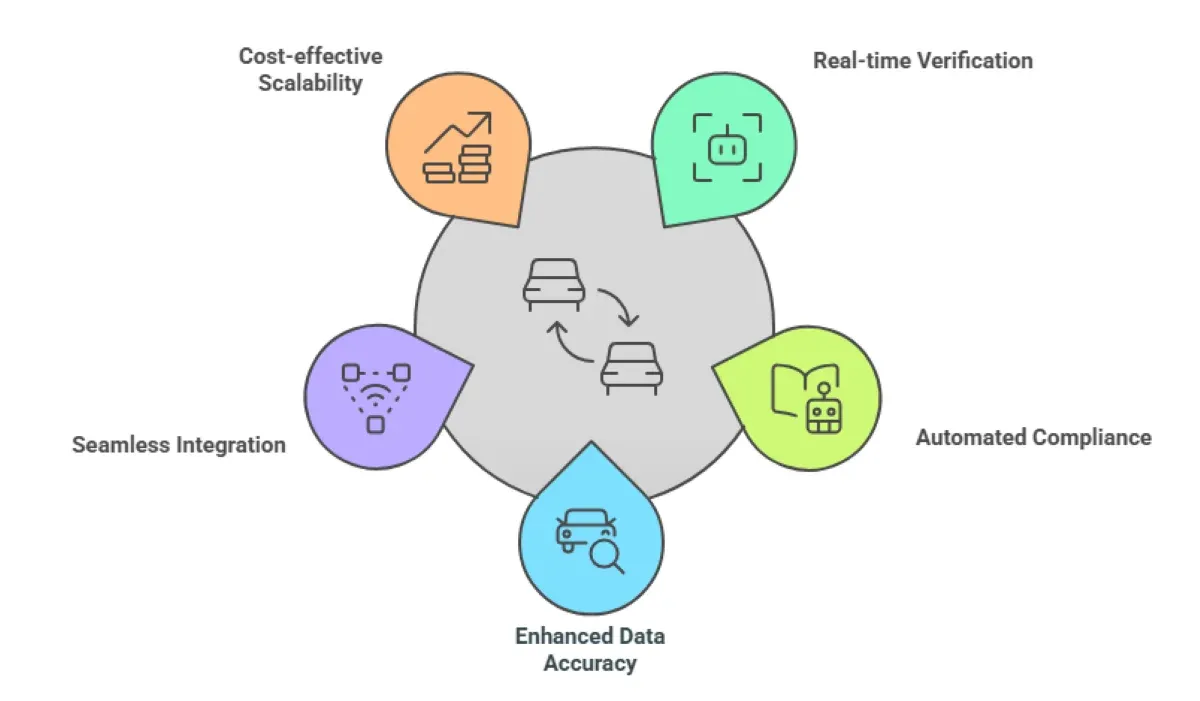
Modern fleet management requires precise tracking beyond basic GPS systems to achieve comprehensive operational control and optimize fuel efficiency through advanced technological solutions.
ALPR cameras instantly identify vehicles at designated checkpoints, providing immediate route adherence confirmation without requiring manual intervention or driver reporting for enhanced operational efficiency and control.
Traditional checkpoint verification relies on error-prone manual processes and delays. ALPR technology eliminates these issues through automatic license plate recognition and recording for enhanced operational accuracy.
GPS coordinates can be inaccurate or manipulated, while ALPR provides physical verification through license plate identification, creating tamper-proof operational records and comprehensive documentation for fleet management.
Modern ALPR systems connect directly with existing fleet management software, providing real-time updates without requiring separate monitoring systems or additional administrative overhead costs for operations.
Once installed, ALPR checkpoints monitor unlimited vehicles without per-vehicle costs, making them particularly valuable for growing fleets or high-traffic route networks requiring expansion and growth.
ALPR technology integration with fuel management creates powerful operational control, addressing multiple efficiency challenges through unified monitoring and verification systems for enhanced performance and cost savings.
ALPR checkpoints provide immediate confirmation when vehicles follow designated routes, allowing managers to identify and address deviations before they become costly operational patterns affecting fleet efficiency.
The system distinguishes between authorized and unauthorized stops by comparing actual locations with pre-approved delivery points, customer sites, and designated fuel stations automatically for operational control.
Real-time data from ALPR checkpoints creates complete fleet movement pictures, enabling informed decisions about route optimization and resource allocation strategies for improved efficiency and cost management.
Complete fleet fuel optimization requires integrated approaches addressing multiple efficiency factors beyond ALPR checkpoint automation to achieve maximum savings and operational performance improvements for sustainable business growth.
Smart routing systems work with ALPR checkpoints, creating fuel-efficient paths while maintaining delivery schedules through dynamic traffic adaptation, adjusting routes based on real-time conditions and requirements.
ALPR data combined with fuel consumption metrics identifies consistently efficient drivers, enabling targeted coaching programs to improve overall fleet performance and fuel efficiency through behavioral modifications. Studies show eco-driving training programs can reduce annual fuel consumption by 5-30%.
ALPR checkpoint timing data helps identify maintenance needs before impacting fuel efficiency through gradual travel time increases that may indicate engine problems requiring immediate attention and repair.
ALPR checkpoints near fuel stations verify legitimate purchases by confirming vehicle presence during transaction times, while consumption pattern analysis identifies unusual usage patterns for security purposes.
ALPR-verified route data provides accurate mileage information for calculating emissions rather than relying on estimates, supporting regulatory compliance and sustainability reporting requirements for environmental accountability.

Successful ALPR implementation requires careful attention to technical integration and system compatibility, ensuring smooth operation with existing fleet management infrastructure and established operational systems for optimal performance.
Modern ALPR systems use standardized interfaces connecting with existing fleet management software without requiring expensive custom development or complete system replacements and modifications for seamless operational integration.
Advanced platforms ensure checkpoint events appear immediately in fleet management dashboards, enabling prompt responses to route deviations or operational issues as they occur for immediate corrective action.
Centralized data processing eliminates on-site server requirements while providing scalable computing power for analyzing large volumes of checkpoint and fuel consumption data efficiently for operational insights.
Field personnel access ALPR and fuel data through smartphone applications, enabling real-time decision-making without returning to office locations or dispatching additional resources unnecessarily for operational efficiency.
Critical fuel management data requires protection through automated backups and failover systems, maintaining operations during equipment failures or network outage situations for continuity and reliability.
Different fleet operations benefit from customized ALPR-enhanced fuel management approaches tailored to specific operational requirements and industry challenges for optimal performance and efficiency improvements across various sectors.
E-commerce and package delivery operations use ALPR checkpoints to verify last-mile efficiency and ensure drivers follow optimized delivery sequences during peak demand periods effectively for customer satisfaction.
Public sector vehicles benefit from ALPR verification of route compliance and fuel usage accountability, supporting transparent reporting to taxpayers and oversight agencies for public accountability.
Job site access control combined with fuel monitoring ensures equipment and vehicles remain on authorized project locations while maintaining optimal efficiency standards for construction operations.
Police, fire, and ambulance services use ALPR systems, balancing rapid response requirements with fuel efficiency goals, ensuring emergency vehicles maintain proper positioning for community safety.
Garbage and recycling fleets follow complex routes with multiple stops while ALPR checkpoints verify route completion and help optimize collection schedules for maximum efficiency.
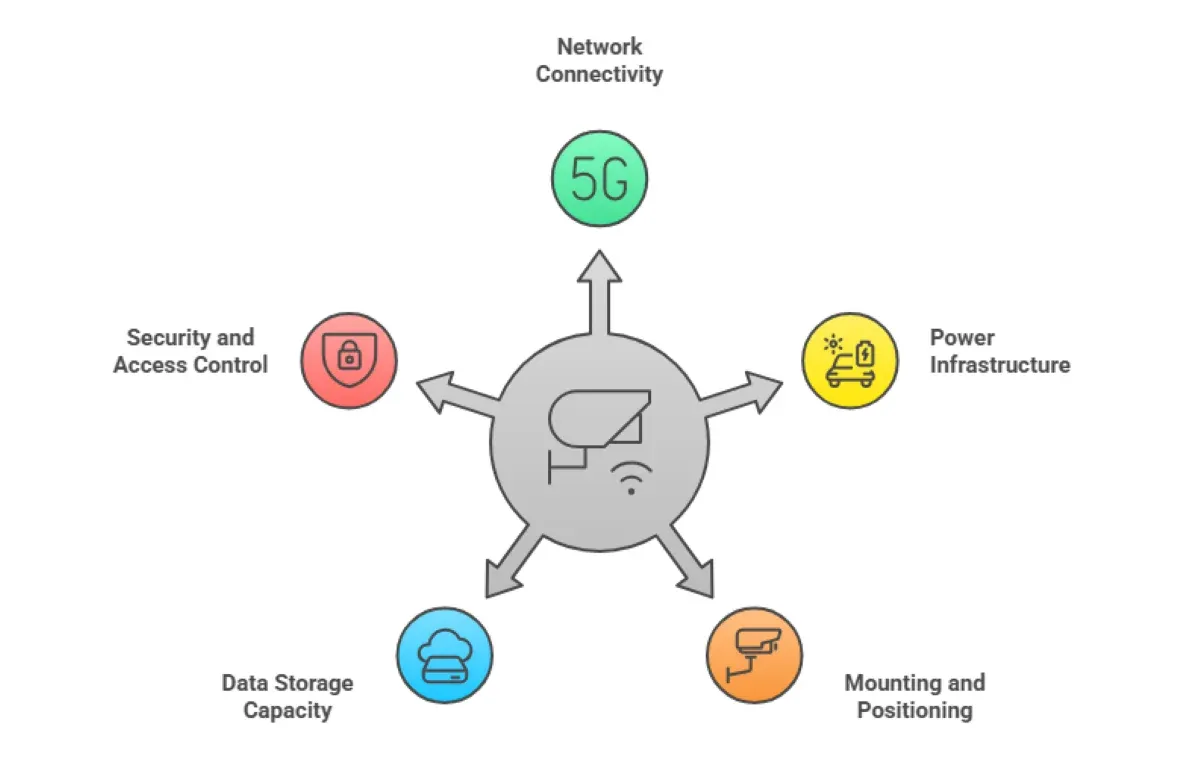
Implementing ALPR checkpoint automation requires specific infrastructure and technical considerations, ensuring reliable operation and optimal performance in various environmental conditions and operational situations for successful deployment.
Reliable internet connections at checkpoint locations enable real-time data transmission, while cellular backup systems ensure continued operation during network outages or maintenance periods effectively.
ALPR cameras and processing equipment require consistent electrical power, while solar panels or battery backup systems may be necessary for remote locations without grid access.
Camera placement affects recognition accuracy and system reliability, while professional installation ensures optimal angles and protection from weather, vandalism, and normal wear conditions.
ALPR systems generate substantial amounts of image and transaction data, while local storage or cloud-based solutions must accommodate current needs while allowing for growth.
Physical security for ALPR equipment and digital security for data transmission prevent tampering and unauthorized access to sensitive operational information and records for protection.
While ALPR technology offers significant benefits, understanding its limitations ensures realistic expectations and proper implementation planning for successful deployment.
Even leading ALPR systems may experience reduced accuracy in extreme weather conditions, poor lighting, or when license plates are damaged, dirty, or obscured. Typical accuracy rates range from 85-95% under optimal conditions, with performance declining in challenging environments.
ALPR systems can misread similar characters (such as 0 and O, or 6 and G), requiring verification protocols and manual review processes for critical applications to prevent operational errors.
ALPR deployment must comply with local privacy laws and data retention regulations, which vary by jurisdiction and may require specific data handling procedures, storage limitations, and access controls.
Heavy rain, snow, fog, direct sunlight, and nighttime conditions can significantly impact recognition performance, requiring supplemental lighting, lens heating systems, or multiple camera angles for reliable operation.
ALPR cameras require regular cleaning, calibration, and software updates to maintain optimal performance, adding ongoing operational costs and technical support requirements to the system lifecycle.
Understanding the financial benefits of ALPR-enhanced fuel management helps justify implementation costs and establish realistic expectations for return on investment across different fleet operations for decision-making.
Route optimization and compliance verification typically reduce fuel consumption by 5-15%, representing $10,000-$45,000 annual savings for fleets spending $300,000 on fuel through operational improvements.
Reduced idle time and improved route adherence save an additional 3-8 percent in fuel costs while increasing productivity and customer satisfaction through reliable service delivery.
ALPR verification systems help recover 2-5 percent of fuel costs through improved accountability and fraud detection, particularly valuable for large fleet operations requiring enhanced security.
Better route compliance and driver behavior monitoring extend vehicle life and reduce repair costs by 3-7 percent, providing savings beyond direct fuel expenses.
Automated reporting and verification reduce administrative overhead while improving accuracy, saving staff time, and reducing compliance-related expenses for fleet operations and management efficiency.
Most businesses see measurable returns from ALPR fuel management systems within the first year, with savings accelerating as technology learns operational patterns for improved performance.
Initial system deployment and staff training typically show limited savings while processes are established and drivers adapt to new monitoring and accountability systems.
Progressive savings emerge as route optimization improves and driver behavior changes in response to increased accountability and real-time feedback systems providing performance data.
Full system benefits become apparent with sustained 8-15 percent fuel cost reductions and improved operational efficiency across all monitored fleet operations and routes.
Continued optimization and predictive maintenance capabilities typically maintain or improve initial savings while supporting fleet growth and operational expansion plans effectively and efficiently.
Additional vehicles can be monitored without proportional increases in system costs, improving ROI as fleet size grows or checkpoint coverage expands to new areas.
Successful ALPR deployment starts with a thorough evaluation of current operations and realistic goal-setting based on accurate baseline measurements and operational requirements for optimal results.
Document existing tracking methods, fuel consumption patterns, and operational inefficiencies to establish accurate baseline measurements for future comparison and ROI calculations effectively and comprehensively.
Evaluate network connectivity, power availability, and mounting locations at proposed checkpoint sites to avoid delays and additional costs during implementation and deployment phases.
Assess compatibility between existing fleet management software and proposed ALPR systems to ensure smooth data flow and minimize disruption to current operational procedures.
Identify training requirements for drivers, dispatchers, and management personnel to ensure successful adoption and maximize system benefits from the first day of operation.
Establish realistic expectations for implementation costs, timeline, and expected savings to ensure adequate resources and management support throughout the entire deployment process.
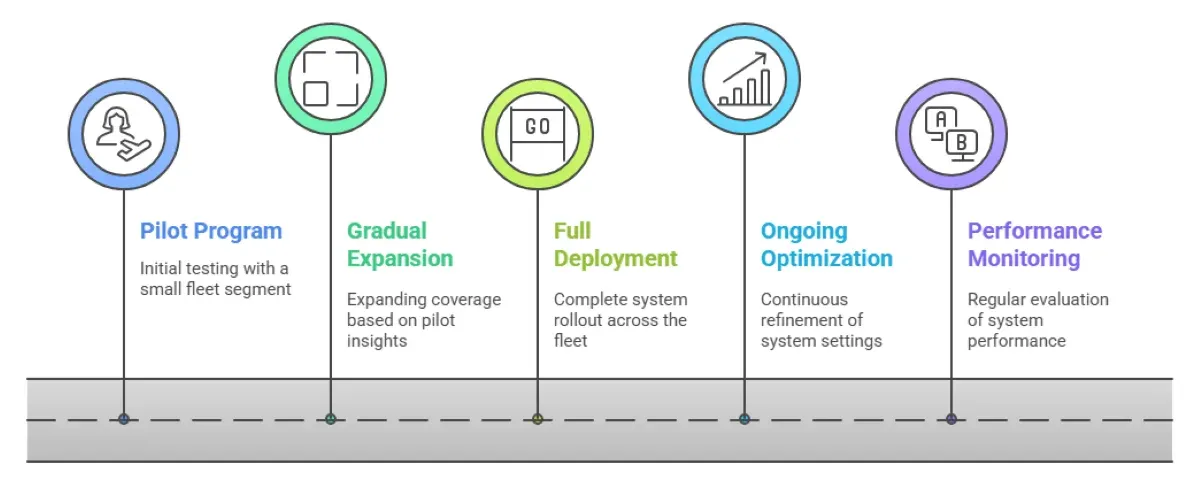
Gradual implementation reduces risk and allows optimization based on real-world experience before full fleet deployment, ensuring successful adoption and maximum return on investment.
Start with 10-20 percent of fleet on predictable routes to establish baseline performance and identify potential issues in controlled environments before expansion.
Apply lessons learned from the pilot to gradually expand coverage to additional vehicles and routes, refining processes and training based on initial operational experience.
Complete system rollout with confidence gained from successful pilot and expansion phases, applying proven procedures and optimization techniques across the entire fleet operation.
Continue refining system settings, adding new checkpoints, and expanding integration with other fleet management tools to maximize long-term benefits and return on investment.
Regular evaluation of system performance and savings ensures continued benefits while identifying opportunities for additional optimization and expansion into new operational areas.
ALPR systems must balance operational benefits with legal requirements and privacy concerns to ensure successful implementation and avoid potential regulatory issues or violations.
GDPR and local privacy laws require specific handling of license plate and location data, while choosing systems designed for compliance avoids legal issues.
Encrypted data transmission and secure storage protect sensitive operational information from unauthorized access while maintaining system integrity and reliability for long-term operations and protection.
Complete transaction and event logging supports regulatory compliance and internal auditing while providing documentation for insurance and legal purposes when required by authorities.
Clear policies about monitoring and data use help maintain positive employee relations while ensuring legal compliance and addressing legitimate privacy concerns from drivers.
Understand how ALPR vendors handle data sharing and storage to ensure compliance with your organization's privacy policies and legal requirements for operational data.
The transportation industry continues to change rapidly, making it important to choose fuel management solutions that adapt to new technologies and evolving operational requirements for sustainability.
Tomorrow's fleet management will incorporate new technologies, building on current ALPR and fuel monitoring foundations to provide enhanced operational control and efficiency optimization capabilities.
Mixed fleets with electric and traditional vehicles require systems that optimize energy consumption across different powertrains while maintaining unified operational visibility and control systems effectively.
Self-driving vehicles will still need verification and monitoring systems, while ALPR checkpoints provide infrastructure that remains valuable as automation technology develops and becomes widely adopted.
Advanced sensors for tire pressure, engine performance, and cargo conditions provide additional data streams, enhancing fuel optimization when integrated with ALPR verification systems.
Government regulations continue expanding requirements for fleet monitoring and environmental reporting, making advanced tracking systems increasingly valuable for compliance and operational success.
Selecting the right technology partner determines whether your fuel management investment delivers promised benefits or becomes an expensive disappointment requiring additional resources and modifications.
Look for systems with 90+ percent recognition rates in various weather and lighting conditions while requesting demonstration data from similar operations to verify claims and understand performance limitations. Understanding ALPR system costs helps evaluate different provider offerings effectively.
Choose vendors with experience connecting ALPR systems to your specific fleet management software, while smooth integration prevents data silos and maximizes operational benefits effectively. Consider custom ALPR solutions vs standard tools to determine the best fit for your requirements.
Your chosen partner should accommodate fleet growth and changing operational requirements without requiring expensive system replacements or major modifications to existing infrastructure and operations.
Vendors with experience in your specific industry understand unique challenges and requirements, leading to better implementation and ongoing optimization support for operations.
Comprehensive training programs and responsive technical support ensure your team can maximize system benefits while minimizing operational disruptions during implementation and operation.
Folio3 AI delivers comprehensive automatic license plate recognition solutions that transform vehicle monitoring across multiple industries, combining advanced computer vision technology with seamless integration capabilities for maximum operational efficiency.
Our AI-powered traffic management systems automatically identify speeding violations, unauthorized lane usage, and restricted zone entries through real-time license plate recognition, enabling immediate enforcement responses and comprehensive traffic flow optimization.
Advanced security monitoring solutions provide 24/7 vehicle tracking at entry/exit points, creating detailed access logs and instant alerts for unauthorized vehicles, ensuring complete perimeter security with automated threat detection capabilities.
Intelligent toll collection systems eliminate manual transactions through seamless vehicle identification and automatic payment processing, reducing congestion while providing accurate billing and comprehensive revenue management for transportation authorities.
Our drive-thru optimization solutions reduce wait times through predictive vehicle recognition, automated order processing, and queue management, improving customer satisfaction while maximizing throughput and operational efficiency for restaurants.
Smart parking enforcement systems automatically detect violations, overstays, and unauthorized parking through continuous license plate monitoring, providing instant violation alerts and streamlined citation management for efficient facility operations.
Airport access control solutions streamline vehicle processing through automated recognition systems, enhancing security protocols while reducing terminal congestion and improving passenger experience through faster, more efficient transportation operations.

An ALPR checkpoint is an automated monitoring point that uses license plate recognition technology to identify and track vehicles passing through designated locations. It creates verification records without requiring manual intervention, providing real-time confirmation of vehicle movements and route compliance for fleet management purposes.
ALPR checkpoint automation combines license plate recognition cameras with fleet management software to automatically verify vehicle locations and routes. This technology eliminates manual check-ins while providing instant alerts for route deviations, unauthorized stops, or schedule violations. It creates comprehensive audit trails for fuel usage analysis and operational optimization.
ALPR technology reduces fuel consumption by ensuring vehicles follow optimized routes and preventing unauthorized detours that waste fuel. It monitors driver compliance with designated paths while identifying inefficient behaviors like excessive idling or unauthorized stops. Real-time alerts enable immediate corrective action before fuel waste becomes a costly pattern.
Yes, ALPR checkpoints can detect unauthorized stops by comparing actual vehicle locations with pre-approved routes and scheduled stops. The system flags vehicles that deviate from planned paths or spend excessive time at unauthorized locations. This capability helps prevent fuel theft, personal use of company vehicles, and other operational violations.
Delivery and logistics fleets benefit significantly from route verification and last-mile optimization through ALPR automation. Municipal fleets, waste management operations, and construction companies also see substantial improvements in fuel efficiency and accountability. Any fleet with predictable routes and multiple checkpoints can achieve measurable cost savings.
Modern ALPR systems use standardized APIs that integrate seamlessly with most existing fleet management platforms without requiring system replacements. The technology connects through cloud-based interfaces, enabling real-time data sharing and unified dashboard views. Integration typically takes days rather than weeks when working with experienced vendors.
Leading ALPR systems achieve 85-95% accuracy rates under optimal conditions, with performance varying based on weather, lighting, and license plate condition. The technology creates tamper-proof records that are more accurate than GPS coordinates alone, which can be manipulated or affected by signal interference. This precision enables confident optimization strategies and cost calculations.
Fleets typically see an 8-15% reduction in fuel costs within the first year through improved route compliance and reduced unauthorized usage. Direct savings include 5-10% from route optimization, 3-8% from reduced idling, and 2-5% from theft prevention. Additional benefits include lower maintenance costs and improved operational efficiency.
Yes, ALPR automation provides real-time vehicle identification and route verification with immediate alerts for deviations or violations. Data appears instantly in fleet management dashboards, enabling prompt responses to operational issues as they occur. Real-time processing eliminates delays associated with manual reporting or batch data uploads.
ALPR deployment requires reliable internet connectivity, consistent electrical power, and proper camera mounting at strategic locations along fleet routes. Cellular backup systems ensure continued operation during network outages, while solar panels may be needed for remote locations. Professional installation ensures optimal camera angles and weather protection.
Select providers with proven 85%+ accuracy rates, experience in your specific industry, and seamless integration capabilities with existing fleet management systems. Evaluate training programs, ongoing support quality, and scalability options for future fleet growth. Request demonstration data from similar operations and verify long-term partnership commitment for optimization support.