Loading...
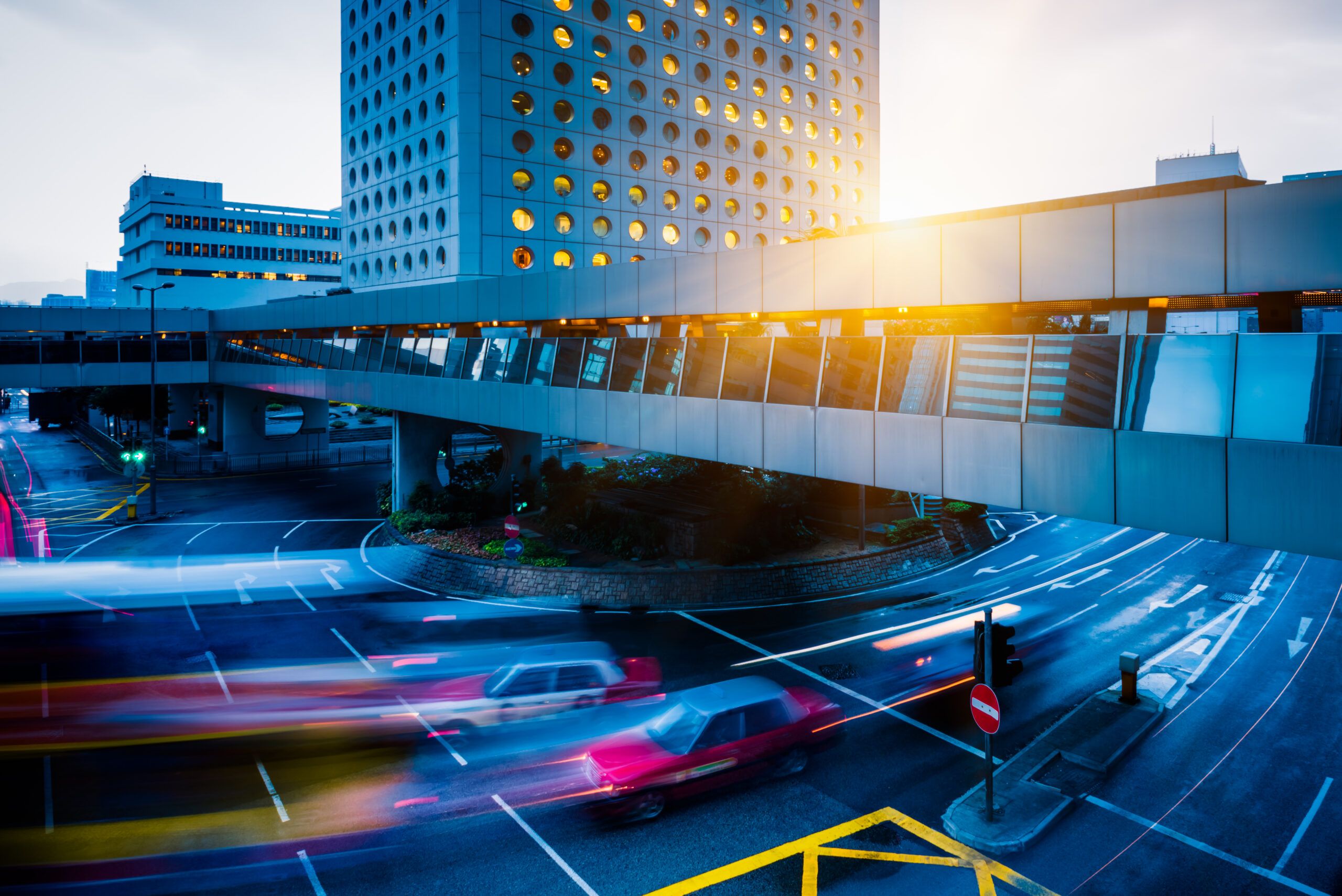
As urban populations continue to grow, managing transportation systems has become increasingly challenging. This situation has escalated, causing individuals to endure daily stress from relentless traffic congestion. Now, with the evolution of ALPR technology combined with machine learning capabilities, cities can effectively manage vehicles through advanced license plate recognition software that monitors on-street parking and enables automatic toll collection systems.
Moreover, the absence of efficient parking systems and traffic guidance exacerbates urban mobility issues. These challenges typically hurt the productivity of business workers as they struggle to maintain a work-life balance. To tackle these problems and pave the way for a better future, cities must adopt innovative urban mobility solutions.
By implementing this technology, urban mobility systems not only address congestion and parking problems but also lay the groundwork for the future of sustainable urban transportation.
Urban mobility encompasses how people navigate within cities. It's broader than traditional transportation systems, involving various modes like buses, bicycles, trains, and other transit options to help people reach their destinations efficiently.
Urban mobility was once focused on providing easy and efficient transportation, but excessive vehicle usage has led to congestion and wasteful consumption of time and fuel.
Furthermore, vehicles stuck in traffic create smog and noise pollution, harming public health and making cities unpleasant environments. Many cities operate public transport systems designed for earlier eras that struggle to accommodate growing populations.
Eventually, urban mobility systems began adopting automatic license plate recognition technology, which helps track traffic flow, identify bottlenecks, and optimize traffic light timing for improved efficiency.
Modern ALPR systems provide optimal solutions for efficient parking management and vehicle tracking. They free up spaces faster and help drivers locate available spots before arrival, resulting in reduced search time and less road congestion.

ALPR technology manages various urban mobility activities, from optimizing parking spaces to locating stolen vehicles. It simplifies daily commutes and makes urban transportation efficient and reliable.
The system uses cameras and optical character recognition technology to read vehicle license plates. It captures license plate images and extracts information through cameras embedded throughout road networks.
The system stores collected information in databases, enabling real-time vehicle tracking and decision-making capabilities. This means stolen vehicles can be quickly identified and located.
It also provides early alerts when parking spots are unavailable, saving drivers time and reducing stress. This technology helps businesses satisfy employees and customers by eliminating parking space concerns.
Furthermore, ALPR software solutions make urban mobility sustainable by enabling electronic toll collection, automatic vehicle identification at service stations, and monitoring restricted zones.
This technology makes it easier for cities to enforce parking regulations, manage traffic flow, and collect tolls without physical barriers or manual monitoring. Here's how the process works:
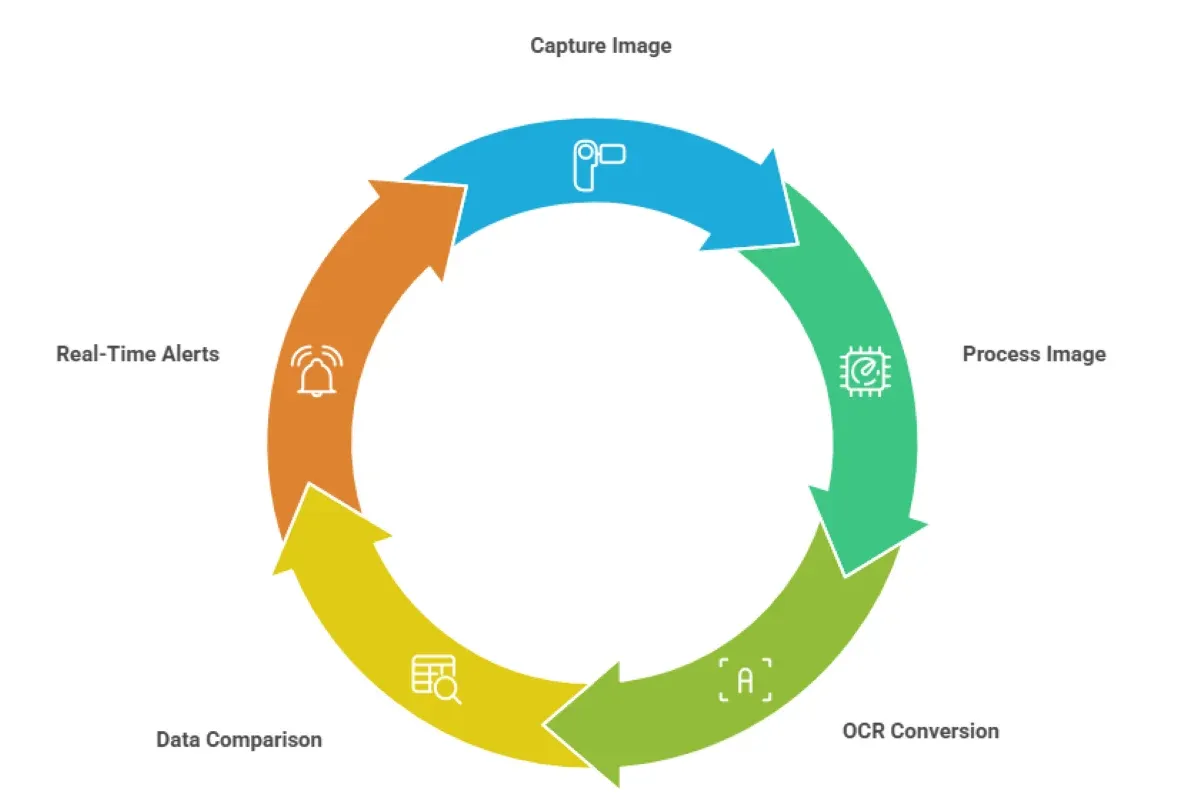
The system uses high-resolution cameras, sometimes with infrared lighting, for enhanced visibility in low-light conditions. These cameras are strategically mounted on poles, traffic lights, patrol vehicles, or other optimal vantage points.
Captured images are processed through software that isolates license plates from vehicles and surrounding environments. This involves advanced techniques like edge detection and character recognition algorithms.
The software employs OCR technology to convert license plate images into alphanumeric characters. This requires recognizing letter and number shapes on plates and translating them into digital text format.
Extracted license plate numbers are compared against databases containing vehicles of interest. These databases may include stolen vehicles, those with outstanding warrants, or vehicles associated with emergency alerts.
Comparisons can occur in real-time, triggering immediate alerts when matches are found. Alternatively, systems may store data for subsequent analysis and reporting.
Advanced ALPR systems are undoubtedly restructuring urban transportation futures. They resolve pressing challenges that metropolitan cities face, including traffic congestion, parking availability, and comprehensive vehicle tracking.
These systems analyze traffic patterns and enable authorities to optimize traffic light timing, reducing jams and improving overall flow. This allows residents to take full advantage of urban mobility improvements and navigate cities more efficiently.
ALPR technology can detect accidents or disabled vehicles faster, enabling quicker emergency response and minimizing traffic disruption. It also helps locate stolen vehicles, improves public safety, and potentially reduces abandoned vehicles cluttering city streets.
Here's how ALPR is transforming urban mobility:
Through license plate recognition, cities efficiently manage parking spaces by tracking and recording occupancy for each spot. This reduces time spent searching for parking and decreases overall traffic congestion.
By identifying vehicles with outstanding warrants or stolen status, ALPR enables law enforcement intervention without causing traffic flow delays.
ALPR technology enables automatic toll collection systems, eliminating physical barriers and reducing congestion at toll collection points.
ALPR integrates with public transportation systems to track bus schedules and improve route planning efficiency. This leads to reduced waiting times for commuters and increased system reliability.
With advanced ALPR capabilities, vehicles can be tracked in real-time, enabling faster response times during accidents or emergency situations.
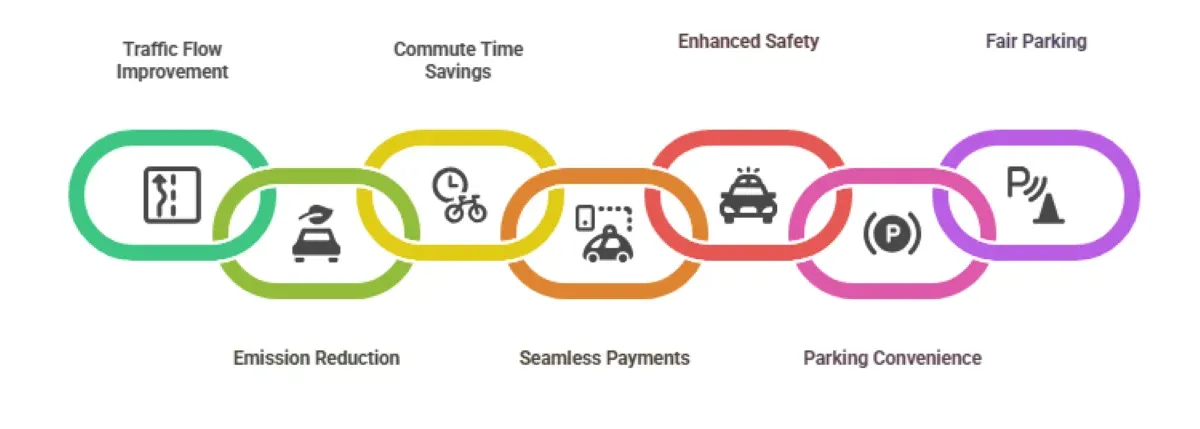
ALPR adoption in urban mobility offers numerous advantages, as it's flexible and easily integrates with existing city infrastructure. Below are key benefits that demonstrate how it paves the way for smarter, more sustainable cities.
ALPR enables better traffic flow monitoring and helps authorities identify congestion hotspots. This allows them to implement necessary changes for improved overall traffic flow.
With less time spent searching for parking, vehicles produce fewer emissions, contributing to sustainable transportation initiatives. Additionally, optimized traffic light timing reduces vehicle idling and improves fuel efficiency.
Imagine receiving real-time traffic updates and personalized route suggestions based on live ALPR data. This helps avoid congested areas and choose optimal routes, saving valuable commute time.
ALPR connects with electronic toll collection and parking applications, enabling seamless cashless payments throughout cities. This eliminates stops at toll booths or fumbling for parking meter payments, maintaining smooth traffic flow.
With faster accident and emergency response times, ALPR technology helps save lives and creates safer streets. It also discourages illegal activities like vehicle theft and hit-and-runs, making cities more secure for residents and visitors.
ALPR displays available parking spots in real-time, reducing time spent circling for parking spaces. It also eliminates physical parking permits, making the process more convenient for drivers.
Automatic parking enforcement through ALPR deters illegal parking and ensures everyone has fair opportunities to find parking spots. This reduces frustration and conflicts over parking availability.
Real-world ALPR implementations effectively highlight the technology's transformative impact. Explore these compelling case studies:
Challenge: Traffic congestion in central London caused significant delays and economic harm.
Solution: In 2003, London implemented a congestion charge zone. ALPR cameras enforce the zone, automatically charging vehicles entering during peak hours.
Impact: Studies show up to 30% reduction in traffic congestion within the zone. This improved travel times for buses, taxis, and emergency vehicles.
Challenge: Singapore faces constant traffic congestion due to high population density.
Solution: The Electronic Road Pricing (ERP) system uses ALPR cameras to automatically charge vehicles entering busy expressways and specific zones during peak hours.
Impact: ERP has reduced expressway congestion by up to 30%. Revenue generated funds public transport improvements.
Challenge: Finding available parking in Melbourne's CBD was frustrating for drivers.
Solution: Melbourne introduced road-embedded sensors detecting vehicle presence in parking bays. ALPR cameras supplement sensor data and enforce parking regulations.
Impact: Drivers receive real-time parking availability through apps and signage, reducing search time. Automatic enforcement discourages illegal parking, optimizing space utilization.
Challenge: Accidents and disabled vehicles on freeways cause significant delays and hazards in Los Angeles.
Solution: California Highway Patrol uses ALPR-equipped patrol vehicles to scan license plates. This identifies stolen cars, unregistered vehicles, and those without valid insurance.
Impact: ALPR enables officers to quickly remove disabled vehicles and investigate suspicious ones, improving freeway traffic flow and safety.
By addressing equity and privacy concerns while embracing technological advancements, ALPR can be a valuable tool in shaping efficient, sustainable urban mobility that works for everyone.
The future of urban mobility will combine public transportation, cycling, walking, and carpooling to create user-friendly networks. Using ALPR data, cities will fine-tune public transit routes where they're needed most.
Advanced ALPR systems have become crucial tools for city planning initiatives. With predictive traffic management, urban mobility systems use historical and real-time data to anticipate congestion and implement proactive solutions. By measuring performance metrics, cities can track new traffic strategy effectiveness and continuously improve over time.
ALPR plays a pivotal role in advancing urban mobility toward eco-friendliness. Promoting active transportation modes like cycling and walking reduces car dependency. Additionally, data-driven ALPR planning enables cities to prioritize infrastructure projects that mitigate traffic congestion and emissions, furthering sustainability goals.
Future congestion pricing and parking enforcement will prioritize equity. Through fair pricing structures and subsidies, initiatives will ensure everyone, including low-income residents and those with disabilities, can access affordable transportation options.
The future of urban mobility with ALPR technology looks promising. As cities continue expanding, ALPR adoption will rise, delivering more efficient and sustainable travel for everyone. By addressing equity and privacy concerns while embracing technological progress, ALPR has tremendous potential to create smarter, more inclusive cities.
Cities implementing comprehensive ALPR systems today are positioning themselves as leaders in smart city development, creating foundations for sustainable urban growth and improved quality of life for all residents.
Answer: ALPR (Automatic License Plate Recognition) uses optical character recognition (OCR) to read license plates from camera feeds (CCTV or purpose-built). It generates vehicle location data for applications like tolling, law enforcement, and traffic tracking.
Answer: ALPR delivers real-time data on vehicle flow, which helps reduce congestion, optimize traffic signals, and lower emissions through smarter traffic management.
ALPR systems can cut traffic-related fatalities by up to 30% by enabling timely alerts and efficient law enforcement response.
ALPR automates entry/exit tracking for parking facilities, simplifying enforcement, reducing congestion, and improving user convenience.
Applications include law enforcement checks, electronic toll collection, traffic pattern analysis, and smart parking automation.
ALPR employs OCR on images from dedicated or existing cameras, often enhanced with infrared lighting for day/night functionality.
Yes, ALPR raises concerns regarding mass surveillance, misidentification, data retention, and civil liberties, sparking debates on regulation and oversight.
Absolutely. ALPR can work alongside IoT platforms, traffic sensors, and V2X (Vehicle-to-Everything) systems to support seamless urban mobility.
ALPR requires the installation of cameras (CCTV or dedicated), connectivity to central servers, and backend systems capable of OCR and real-time analytics.
ALPR systems are evolving with modular architectures, API integrations, and integration into broader smart city frameworks to address scalable future demands.