
Loading...
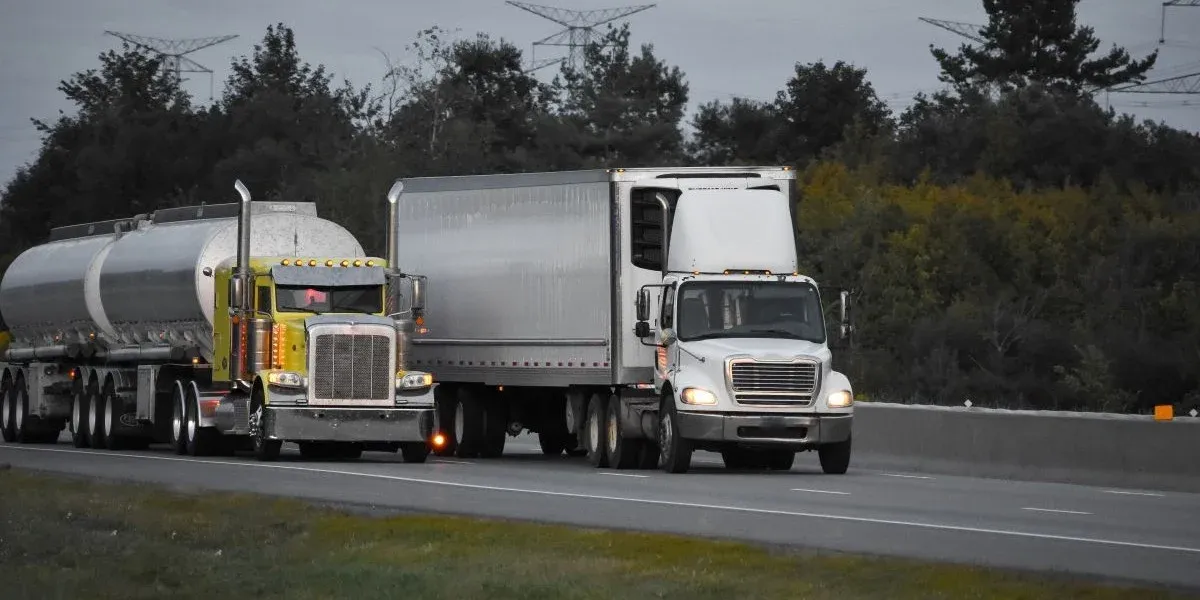
Fleet managers across America face mounting pressure to cut costs while improving service quality. The transportation industry struggles with unnecessary fuel expenses and maintenance costs due to outdated tracking systems. According to the latest data from the American Trucking Associations, the trucking industry generated $906 billion in revenue while moving 11.27 billion tons of freight in 2024, making AI fleet tracking vs traditional GPS a critical business decision.
At Folio3, our AI fleet management solutions help businesses transition from reactive to predictive fleet operations. The choice between AI-powered systems and traditional GPS tracking can mean the difference between thriving and merely surviving in today's competitive market.
Comparison FactorTraditional GPSAI Fleet TrackingLocation Accuracy3-5 meters1-3 metersUpdate Frequency30-60 secondsReal-timeRoute OptimizationStatic, historical dataDynamic, predictiveMaintenance AlertsScheduled intervalsPredictive analyticsDriver Behavior AnalysisBasic speed monitoringAdvanced behavioral insightsCost per Vehicle/Month$20-40$30-60ROI Timeline6-12 months3-8 monthsFuel Savings5-8%10-15%False Alert Rate15-20%3-8%
Traditional GPS fleet tracking represents the foundation of modern vehicle management systems, utilizing satellite technology to monitor vehicle locations and basic operational metrics. These established systems have served businesses reliably for over two decades, providing essential visibility into fleet operations through proven hardware and software combinations that most managers understand well.
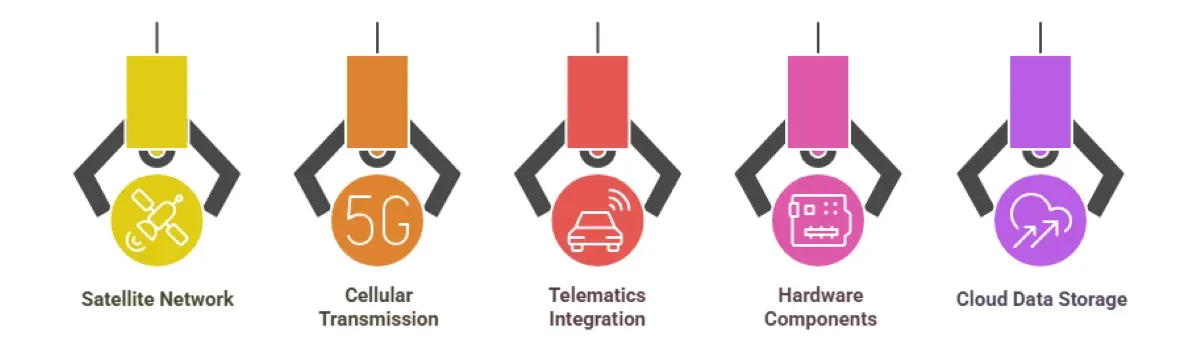
Traditional GPS systems build their functionality on time-tested satellite positioning technology that delivers consistent performance across diverse operating environments and geographic regions.
Twenty-four satellites orbiting Earth provide triangulation data that calculates vehicle positions with standard accuracy ranging from three to five meters under optimal weather conditions and clear sky visibility.
Vehicle tracking devices transmit location and operational data through established cellular networks to central processing servers, creating inherent communication delays of thirty to sixty seconds between actual events and system updates.
Hardware devices connect directly to the vehicle's onboard diagnostic ports to collect engine performance data, fuel consumption rates, speed information, and basic operational metrics without requiring complex vehicle modifications or specialized installation procedures.
Proven OBD-II devices and cellular communication modems work reliably across most commercial vehicle types, providing consistent data collection capabilities while minimizing compatibility issues and reducing deployment complexity across mixed fleet compositions.
Remote server systems store comprehensive historical tracking information, operational reports, and compliance documentation, enabling managers to access fleet data from any internet-connected device while maintaining secure data backup and recovery capabilities.
Traditional GPS systems deliver essential fleet management functions that support daily operational requirements, providing managers with fundamental visibility and control over their vehicle assets and driver activities.
Digital mapping interfaces display current vehicle positions with location updates typically occurring every thirty to sixty seconds during active trips, enabling managers to track fleet movements and respond to customer inquiries about delivery status.
System algorithms create optimized routes based on shortest distance calculations or fastest travel time estimates using historical traffic pattern data and standard road condition information without real-time traffic consideration or dynamic adjustment capabilities.
Automated notification systems send immediate alerts when vehicles enter or exit predetermined geographic boundaries such as customer job sites, restricted areas, or company facilities, helping managers monitor unauthorized vehicle usage and verify service completion.
Time-based or mileage-interval triggers generate service alerts and maintenance notifications, helping fleet managers schedule routine vehicle servicing and comply with manufacturer warranty requirements while tracking maintenance history and associated costs.
Comprehensive reporting systems generate detailed summaries of speeding violations, excessive idling incidents, total driving hours, and basic safety metrics that support driver coaching programs and regulatory compliance documentation for commercial vehicle operations.
Several inherent constraints limit the effectiveness and responsiveness of traditional GPS systems, creating operational challenges that affect fleet efficiency and competitive positioning in demanding business environments.
Information processing delays ranging from one to three minutes between actual vehicle events and system notifications reduce managers' ability to respond quickly to emergency situations, customer service requests, or operational disruptions requiring immediate attention.
Route calculations rely exclusively on historical traffic data and fixed road conditions, failing to account for real-time traffic congestion, weather-related delays, construction zones, or other dynamic factors that significantly impact actual travel times and fuel consumption.
Basic violation detection systems identify obvious infractions like speeding or harsh braking, but cannot recognize subtle behavioral patterns indicating driver fatigue, distraction, or developing safety risks that require proactive intervention before accidents occur.
Legacy system architectures often struggle to connect seamlessly with modern business management software, advanced accounting platforms, customer relationship management systems, or emerging vehicle technologies that require sophisticated data exchange protocols and real-time communication capabilities.
Alert systems trigger notifications only after mechanical problems develop or predetermined service intervals expire, rather than analyzing engine performance data to predict potential component failures and schedule preventive maintenance before costly breakdowns occur.
Understanding the complete financial picture helps business owners evaluate traditional GPS investments and plan technology budgets that support long-term operational growth and profitability while managing cash flow requirements effectively.
Service costs typically range from $20-$40 per vehicle monthly, including basic software platform access, cellular data connectivity, standard customer support services, and routine system updates that maintain operational functionality.
Device acquisition costs generally fall between one hundred and three hundred dollars per vehicle unit, plus professional installation services averaging fifty to one hundred dollars per vehicle to ensure proper connection and optimal system performance.
Complete system deployment, including data migration from existing platforms, basic staff training programs, and initial configuration services, typically requires investments of one thousand to three thousand dollars for small and medium-sized fleet operations.
Annual hardware replacement needs affect approximately 5%-10% of deployed devices, plus continuing cellular service charges, software licensing fees, and periodic system updates that maintain compatibility with evolving technology standards.
Most commercial fleets achieve financial break-even points within 6-12 months through documented fuel cost reductions, improved operational efficiency, reduced vehicle maintenance expenses, and enhanced driver productivity that directly impacts bottom-line profitability.

Traditional GPS tracking systems excel in specific operational contexts where basic monitoring capabilities meet business requirements without the complexity or expense of advanced AI-powered alternatives that may exceed actual needs.
Companies managing five to twenty vehicles benefit significantly from affordable basic tracking capabilities that provide essential location visibility, route documentation, and driver accountability without requiring substantial technology investments or complex system management overhead.
Job site geofencing capabilities and heavy equipment location tracking deliver essential security monitoring, theft prevention, and asset utilization measurements that support project management and equipment rental billing while meeting insurance requirements and regulatory compliance standards.
Route documentation systems and customer arrival notifications enable basic logistics coordination and customer service capabilities that support same-day delivery operations, service appointment scheduling, and proof-of-delivery requirements for small and medium-sized delivery businesses.
Technician location visibility and accurate time tracking capabilities help coordinate service appointments, verify work completion, optimize territory coverage, and support billing accuracy for companies providing on-site maintenance, repair, or installation services to residential and commercial customers.
Hours of service logging capabilities, vehicle inspection record keeping, and driver activity tracking provide essential documentation for Department of Transportation audits, safety compliance reviews, and insurance claim investigations while meeting federal and state regulatory requirements.
AI-powered fleet tracking transforms traditional vehicle monitoring into intelligent business systems that learn from operational patterns, predict outcomes, and automatically optimize fleet performance without constant human intervention.
These advanced platforms process thousands of real-time data points simultaneously, delivering actionable insights and recommendations that enable proactive decision-making rather than reactive responses to problems after they develop.

Modern AI fleet systems integrate multiple sophisticated technologies that work together seamlessly to create intelligent monitoring and optimization capabilities far beyond traditional GPS tracking limitations and constraints.
Advanced pattern recognition systems continuously analyze driving behaviors, route efficiency metrics, vehicle performance indicators, and operational data to automatically identify optimization opportunities and predict future outcomes based on historical patterns and current conditions.
High-resolution camera networks equipped with artificial intelligence processing capabilities detect driver distraction events, fatigue indicators, road hazard conditions, and unsafe driving behaviors in real-time while providing immediate feedback to drivers and fleet managers.
Sophisticated data processing systems analyze thousands of historical operational data points to forecast maintenance requirements, predict optimal routing decisions, anticipate potential safety risks, and recommend proactive measures weeks or months before issues develop.
Onboard vehicle processors analyze critical data locally without requiring constant server communication, dramatically reducing response latency and enabling instant decision-making capabilities that improve safety outcomes and efficiency in real-time operating conditions.
Advanced communication systems convert complex fleet performance data, operational metrics, and analytical insights into clear, understandable reports and actionable recommendations that managers can implement immediately without requiring technical expertise or specialized training.
AI systems deliver sophisticated functionality that addresses complex operational challenges through intelligent automation, predictive analysis, and real-time optimization capabilities that traditional systems simply cannot provide to modern fleet operations.
Intelligent routing algorithms continuously adjust travel paths based on real-time traffic conditions, weather patterns, delivery priority changes, driver availability status, and vehicle capacity constraints to maximize efficiency and minimize total delivery time.
Advanced diagnostic analysis monitors engine performance patterns, component wear indicators, and operational stress factors to predict mechanical failures approximately two to three weeks before breakdowns occur. It enables scheduled repairs that prevent costly emergency roadside assistance and downtime.
Personalized feedback systems analyze individual driving techniques, identify specific improvement opportunities, track performance changes over time, and provide targeted training recommendations that enhance safety outcomes while reducing fuel consumption and vehicle wear.
Real-time consumption pattern analysis identifies inefficient driving behaviors, suboptimal routing decisions, and vehicle maintenance issues that increase fuel costs, while providing specific actionable recommendations that managers can implement immediately to reduce expenses.
Comprehensive tracking systems automatically monitor hours of service regulations, vehicle inspection requirements, safety compliance standards, and regulatory reporting obligations while generating required documentation for government agencies and insurance providers without manual intervention.
Several fundamental factors distinguish AI-powered systems from traditional GPS tracking approaches, creating operational advantages that justify higher initial investments through superior long-term performance and business value generation.
AI systems predict and prevent operational problems before they occur through advanced pattern recognition and predictive modeling, while traditional systems only react to problems after they develop, causing costly disruptions and emergency repairs.
Intelligent systems consider multiple environmental factors, including weather conditions, traffic patterns, driver experience levels, vehicle capabilities, and delivery priorities, when making routing and operational recommendations rather than relying solely on basic distance calculations.
Machine learning algorithms automatically improve system performance over time by analyzing operational outcomes, identifying successful strategies, and refining recommendation accuracy without requiring manual system updates or configuration changes by fleet management personnel.
AI platforms seamlessly connect with modern business software, accounting systems, customer relationship management platforms, and emerging vehicle technologies to create comprehensive operational visibility and streamlined workflow automation across all business functions.
Smart notification systems distinguish between critical alerts requiring immediate attention and routine informational updates, reducing alert fatigue while ensuring managers receive timely notifications about situations that genuinely require intervention or decision-making.

Understanding the complete financial commitment helps business owners evaluate AI system investments and plan technology budgets that support operational growth while managing cash flow requirements and return on investment expectations effectively.
AI-powered fleet tracking services typically range from thirty to sixty dollars per vehicle monthly, including advanced software platform access, real-time data processing, predictive analytics capabilities, and premium technical support services.
Initial device investments generally range from two hundred to six hundred dollars per vehicle unit for AI-compatible tracking hardware, sensors, cameras, and edge computing devices that enable advanced functionality and real-time processing capabilities.
Complete system deployment, including data migration, staff training, system integration, and initial optimization, typically requires investments between three thousand and ten thousand dollars, depending on fleet size, complexity, and existing technology infrastructure.
Annual expenses include hardware replacement affecting approximately ten to fifteen percent of devices, software licensing fees, cellular connectivity charges, and system updates that maintain compatibility with evolving AI capabilities and new feature releases.
Most commercial fleets achieve financial break-even within three to eight months through enhanced fuel efficiency, reduced maintenance costs, improved driver productivity, lower insurance premiums, and operational optimization that generates measurable bottom-line improvements.
AI-powered fleet tracking delivers maximum value in complex operational environments where advanced analytics, predictive capabilities, and intelligent automation provide competitive advantages that justify higher technology investments through superior business outcomes.
Multi-stop delivery routes, time-sensitive shipments, and dynamic scheduling requirements benefit enormously from intelligent route optimization, real-time traffic adaptation, and predictive delivery time estimates that improve customer satisfaction and operational efficiency.
Expensive equipment, pharmaceutical products, and sensitive materials require advanced security monitoring, environmental condition tracking, and predictive maintenance capabilities that prevent costly cargo losses while ensuring regulatory compliance and insurance requirements.
Companies managing fifty or more vehicles achieve significant economies of scale through centralized AI analytics, automated reporting systems, and predictive maintenance scheduling that reduces administrative overhead while improving operational consistency across diverse geographic regions.
Emergency services, hazardous material transport, and passenger transportation benefit from advanced driver monitoring, real-time safety alerts, and predictive risk assessment capabilities that prevent accidents and ensure regulatory compliance while protecting public safety.
Organizations that make decisions based on analytical insights rather than intuition maximize AI system value through comprehensive performance metrics, predictive business intelligence, and automated optimization recommendations that support strategic planning and competitive positioning.
Choosing between traditional GPS and AI-powered fleet tracking requires careful analysis of operational requirements, financial constraints, and long-term business objectives to ensure technology investments deliver maximum value while supporting company growth and competitive positioning.
Compare initial hardware costs, monthly subscription fees, installation expenses, and maintenance requirements between GPS and AI systems to determine total ownership costs over projected usage periods.
Evaluate specific fleet management needs, including route optimization, driver behavior monitoring, fuel consumption tracking, and compliance reporting, to match system capabilities with business requirements effectively.
Assess system compatibility with existing software platforms, expansion potential for growing fleets, and integration options with accounting, dispatch, and customer management systems for seamless operations.
Compare real-time tracking capabilities, historical data analysis features, automated reporting options, and predictive maintenance alerts to determine which system provides more actionable business intelligence.
Consider deployment complexity, staff training needs, system migration processes, and expected learning curves to ensure a smooth transition with minimal operational disruption and maximum user adoption.
Traditional GPS systems meet operational requirements effectively in specific business scenarios where basic tracking capabilities provide adequate functionality without the complexity or expense of advanced AI features.
Companies managing fewer than ten vehicles often find traditional GPS systems provide sufficient location visibility, basic route planning, and driver accountability features without requiring substantial technology investments or complex system management that exceeds operational needs.
Organizations with limited technology budgets benefit from lower monthly costs and minimal upfront investments that traditional GPS systems require, while still gaining essential fleet visibility and basic operational improvements that support business growth.
Delivery operations with consistent routes, predictable schedules, and minimal route complexity don't require dynamic optimization capabilities, making traditional GPS routing functionality adequate for meeting customer service expectations and operational efficiency goals.
Companies with mature fleet management procedures and experienced managers who rely on proven operational methods may prefer traditional systems that support existing workflows without requiring significant process changes or staff retraining.
Businesses lacking advanced IT capabilities or technical support resources find traditional GPS systems easier to implement, maintain, and operate without requiring specialized expertise or extensive staff training on complex AI functionality.
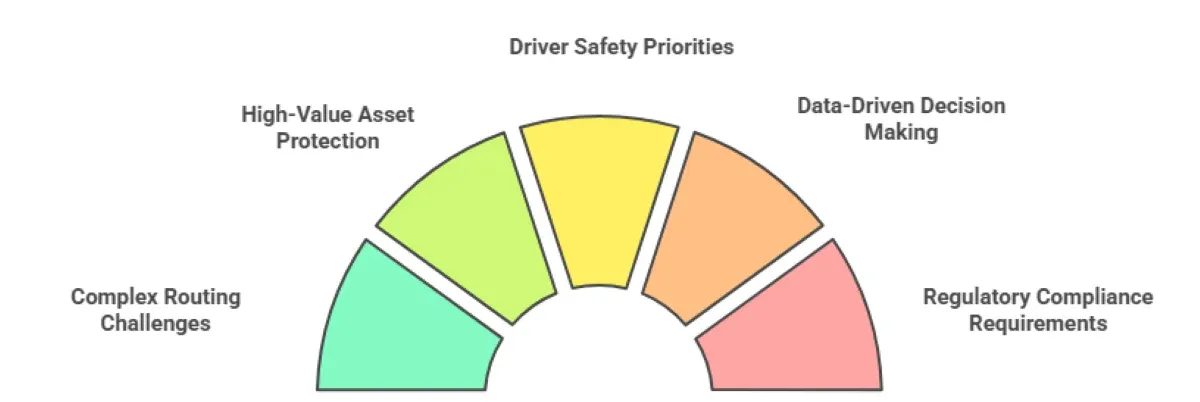
AI-powered fleet tracking delivers superior business value in operational environments where advanced analytics, predictive capabilities, and intelligent automation create competitive advantages that justify higher technology investments.
Multi-stop deliveries, time-sensitive shipments, and dynamic scheduling requirements benefit significantly from intelligent route optimization that adapts to real-time conditions while maximizing operational efficiency and customer satisfaction through accurate delivery predictions.
Expensive equipment, sensitive cargo, and valuable materials require advanced security monitoring, predictive maintenance capabilities, and environmental condition tracking that AI systems provide to prevent costly losses while ensuring insurance compliance and regulatory requirements.
Organizations prioritizing accident prevention and safety culture benefit from advanced driver monitoring, real-time coaching capabilities, and predictive risk assessment features that identify potential problems before they cause injuries or vehicle damage.
Companies that base operational decisions on analytical insights rather than intuition maximize AI system value through comprehensive performance metrics, predictive business intelligence, and automated optimization recommendations that support strategic planning and competitive advantage.
Industries subject to strict safety regulations, environmental standards, or transportation compliance rules benefit from automated monitoring, predictive maintenance alerts, and comprehensive documentation capabilities that AI systems provide without requiring manual oversight.
Combining traditional GPS and AI technologies enables businesses to optimize technology investments while meeting diverse operational requirements across different vehicle types, routes, and operational priorities within the same organization.
Implementing AI systems gradually across fleet segments allows businesses to evaluate technology benefits, train staff progressively, and manage cash flow while maintaining operational continuity during the transition period without disrupting customer service.
Companies operating different vehicle types with varying operational complexity can deploy AI systems on high-priority assets while maintaining traditional GPS on simpler vehicles, optimizing technology spending based on operational value and return on investment potential.
Urban operations with complex routing may benefit from AI optimization, while rural routes with simpler requirements can utilize traditional GPS effectively, allowing businesses to match technology capabilities with operational demands and cost-effectiveness.
Businesses with varying operational complexity throughout the year can implement AI systems during peak seasons while relying on traditional GPS during slower periods, optimizing technology costs based on operational requirements and revenue generation.
Organizations with limited initial technology budgets can begin with traditional GPS systems and upgrade to AI capabilities as business growth generates additional technology investment capacity while building staff expertise gradually.
Systematic evaluation criteria help businesses select appropriate fleet tracking technologies based on operational requirements, financial constraints, and strategic objectives while ensuring technology investments deliver maximum business value.
Small fleets typically benefit from traditional GPS cost-effectiveness while large operations achieve better returns from AI system investments through economies of scale and advanced optimization capabilities that justify higher per-vehicle costs.
Simple routing and basic tracking requirements favor traditional systems, while complex multi-stop deliveries, time-sensitive operations, and dynamic scheduling benefit significantly from AI optimization and predictive capabilities that improve efficiency.
Traditional GPS systems require lower upfront investments and monthly costs, making them suitable for budget-constrained operations, while AI systems deliver superior long-term value for organizations with adequate technology budgets.
Companies with limited IT capabilities benefit from traditional GPS simplicity, while organizations with advanced technology infrastructure and technical support resources can maximize AI system capabilities through proper implementation and ongoing optimization.
Businesses expecting rapid growth or operational expansion benefit from AI systems that scale efficiently, while established operations with stable requirements may find traditional GPS systems adequate for meeting long-term operational needs.
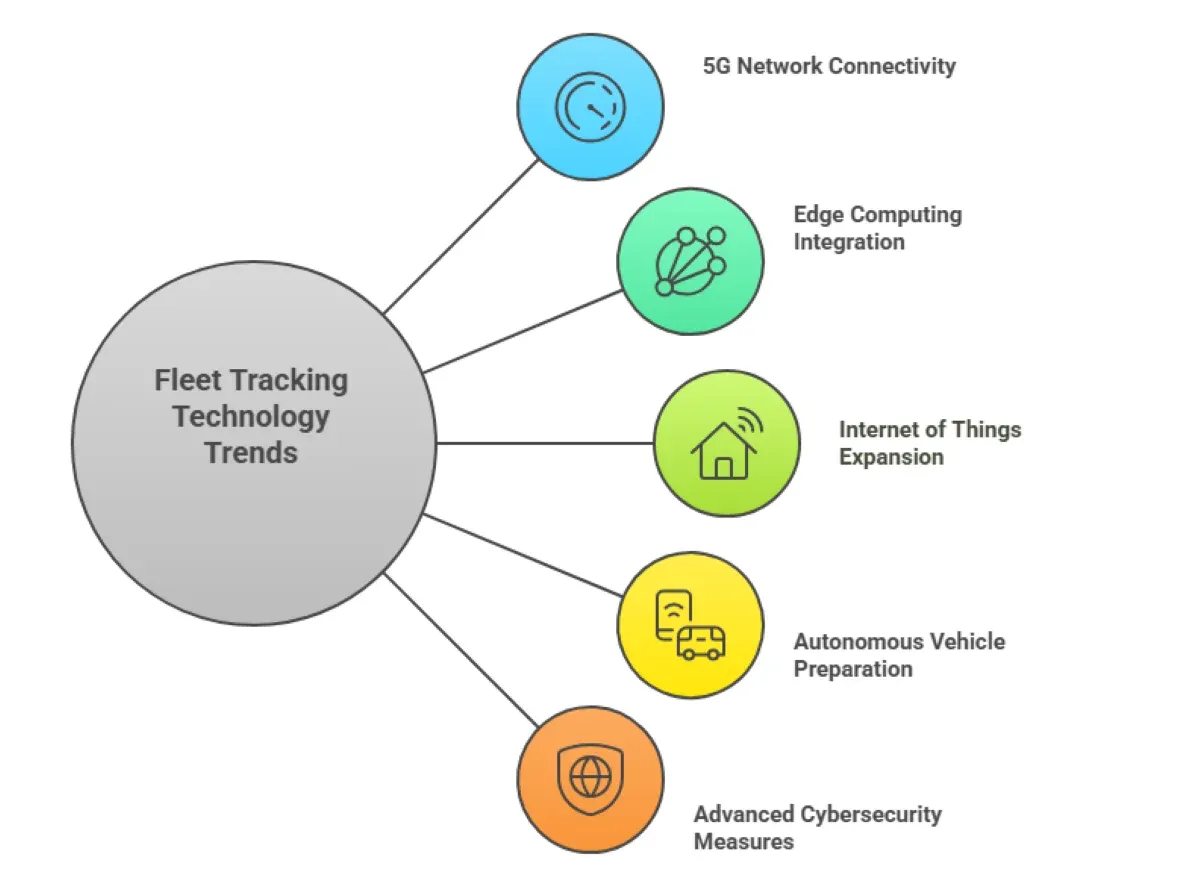
Emerging technologies are transforming fleet management capabilities through enhanced connectivity, processing power, and intelligent automation that create new opportunities for operational optimization while addressing traditional system limitations.
Ultra-fast wireless networks enable real-time data transmission with minimal latency while supporting advanced applications like live video streaming and instant route optimization that enhance fleet safety and operational efficiency significantly.
Onboard vehicle processors analyze critical data locally without requiring constant internet connectivity, enabling instant decision-making capabilities that improve safety outcomes while reducing cellular data costs and system dependency on network coverage.
Connected sensors throughout vehicles and cargo areas provide comprehensive operational visibility, including temperature monitoring, equipment health status, and environmental conditions that enable proactive management and regulatory compliance across diverse industries.
Fleet tracking systems are evolving to support semi-autonomous and fully autonomous vehicle operations through advanced sensor integration, predictive routing capabilities, and automated fleet coordination that will revolutionize transportation efficiency and safety.
Enhanced data protection systems and secure communication protocols protect fleet operations from cyber threats while ensuring regulatory compliance and maintaining customer trust in an increasingly connected transportation environment.
Folio3's comprehensive AI fleet management platform delivers advanced tracking capabilities through integrated solutions that optimize every aspect of fleet operations while providing exceptional return on investment for businesses of all sizes.
Our dispatch and trip management system enables real-time vehicle dispatching with automated driver task scheduling, digital work order processing, and seamless two-way communication that streamlines operations while improving customer service and operational efficiency.
The route optimization and geofencing capabilities provide smart route planning based on live traffic conditions and delivery priorities, featuring dynamic rerouting with real-time alerts and comprehensive geofence creation with instant breach notifications that maximize efficiency.
Live fleet tracking and monitoring integrates GPS, ELD, and OBD systems for precise vehicle tracking while delivering comprehensive dashboards showing vehicle and asset status, driver behavior analysis, and detailed fuel consumption analytics.
Our accident response and claims automation features include collision detection with instant alerts, automated accident reporting with driver checklists, and integrated claims management workflows that minimize downtime while protecting your business interests.
The predictive analytics and KPIs system provides detailed fleet utilization reporting, accurate cost per mile tracking, maintenance trend analysis, and AI-powered optimization suggestions that help maximize vehicle usage efficiency and profitability.

{ "@context": "https://schema.org", "@type": "FAQPage", "mainEntity": [ { "@type": "Question", "name": "What's the accuracy difference between AI fleet tracking and traditional GPS?", "acceptedAnswer": { "@type": "Answer", "text": "AI fleet tracking typically provides 1-3 meter accuracy compared to traditional GPS systems that offer 3-5 meter precision. Enhanced accuracy comes from AI algorithms that combine multiple data sources, including cellular towers and Wi-Fi networks." } }, { "@type": "Question", "name": "Which system saves more on fuel and maintenance, AI tracking or GPS?", "acceptedAnswer": { "@type": "Answer", "text": "AI tracking systems deliver 10-15% fuel savings compared to 5-8% from traditional GPS through dynamic route optimization and predictive analytics. Maintenance cost reductions reach 15-25% with AI systems versus 10-15% with traditional GPS." } }, { "@type": "Question", "name": "What factors impact ROI when switching to AI tracking for fleets?", "acceptedAnswer": { "@type": "Answer", "text": "Fleet size, operational complexity, and current efficiency levels most significantly impact ROI timelines. Larger fleets with complex routing typically see faster returns within 3-6 months, while smaller operations may require 6-8 months to achieve break-even." } }, { "@type": "Question", "name": "Is AI fleet tracking more expensive than GPS running costs?", "acceptedAnswer": { "@type": "Answer", "text": "Monthly costs for AI systems range from $30-60 per vehicle compared to $20-40 for traditional GPS. However, faster ROI achievement and greater operational savings often result in lower total cost of ownership over 2-3 years despite higher initial investments." } }, { "@type": "Question", "name": "Can AI tracking integrate with existing GPS infrastructure?", "acceptedAnswer": { "@type": "Answer", "text": "Most AI systems can integrate with existing GPS hardware through software upgrades or hybrid deployments. Complete integration typically requires 2-4 weeks, depending on fleet size and existing system complexity." } }, { "@type": "Question", "name": "Does AI provide real-time safety alerts more effectively than traditional GPS?", "acceptedAnswer": { "@type": "Answer", "text": "AI systems reduce false alert rates to 3-8% compared to 15-20% for traditional GPS while providing contextual safety alerts based on driving patterns. Advanced driver monitoring detects fatigue and distraction that traditional systems cannot identify." } }, { "@type": "Question", "name": "What types of fleets benefit most from AI tracking?", "acceptedAnswer": { "@type": "Answer", "text": "Complex logistics operations, high-value cargo transport, and safety-critical industries gain maximum value from AI systems. Fleets with 20+ vehicles, multiple daily stops, or strict compliance requirements typically see the greatest improvements." } }, { "@type": "Question", "name": "How much latency does AI tracking reduce compared to GPS?", "acceptedAnswer": { "@type": "Answer", "text": "AI systems with edge computing provide near real-time updates compared to 30-60 second delays in traditional GPS systems. This reduced latency enables instant route adjustments and immediate safety alert delivery." } }, { "@type": "Question", "name": "What compliance features does AI tracking support that GPS doesn't?", "acceptedAnswer": { "@type": "Answer", "text": "AI systems provide automated hours of service monitoring, predictive maintenance scheduling, and audit trail documentation. Advanced systems also support environmental compliance tracking and automated regulatory reporting." } }, { "@type": "Question", "name": "How long does it take to see ROI from AI fleet tracking systems?", "acceptedAnswer": { "@type": "Answer", "text": "Most businesses achieve positive ROI within 3-8 months through fuel savings, reduced maintenance costs, and improved efficiency. Large fleets often see returns in 3-4 months while smaller operations typically require 6-8 months." } } ] }
AI fleet tracking typically provides 1-3 meter accuracy compared to traditional GPS systems that offer 3-5 meter precision. Enhanced accuracy comes from AI algorithms that combine multiple data sources, including cellular towers and Wi-Fi networks, for more precise positioning, as confirmed by GPS accuracy standards.
AI tracking systems deliver 10-15% fuel savings compared to 5-8% from traditional GPS through dynamic route optimization and predictive analytics. Maintenance cost reductions reach 15-25% with AI systems versus 10-15% with traditional GPS due to predictive maintenance capabilities.
Fleet size, operational complexity, and current efficiency levels most significantly impact ROI timelines. Larger fleets with complex routing typically see faster returns within 3-6 months, while smaller operations may require 6-8 months to achieve break-even.
Monthly costs for AI systems range from $30-60 per vehicle compared to $20-40 for traditional GPS. However, faster ROI achievement and greater operational savings often result in lower total cost of ownership over 2-3 years despite higher initial investments.
Most AI systems can integrate with existing GPS hardware through software upgrades or hybrid deployments. Complete integration typically requires 2-4 weeks, depending on fleet size and existing system complexity, while maintaining operational continuity.
AI systems reduce false alert rates to 3-8% compared to 15-20% for traditional GPS while providing contextual safety alerts based on driving patterns. Advanced driver monitoring detects fatigue and distraction that traditional systems cannot identify.
Complex logistics operations, high-value cargo transport, and safety-critical industries gain maximum value from AI systems. Fleets with 20+ vehicles, multiple daily stops, or strict compliance requirements typically see the greatest operational improvements.
AI systems with edge computing provide near real-time updates compared to 30-60 second delays in traditional GPS systems. This reduced latency enables instant route adjustments and immediate safety alert delivery for time-critical situations.
AI systems provide automated hours of service monitoring, predictive maintenance scheduling for regulatory compliance, and comprehensive audit trail documentation. Advanced systems also support environmental compliance tracking and automated regulatory reporting.
Most businesses achieve positive ROI within 3-8 months through fuel savings, reduced maintenance costs, and improved operational efficiency. Large fleets often see returns in 3-4 months while smaller operations typically require 6-8 months for full ROI realization.