
Loading...
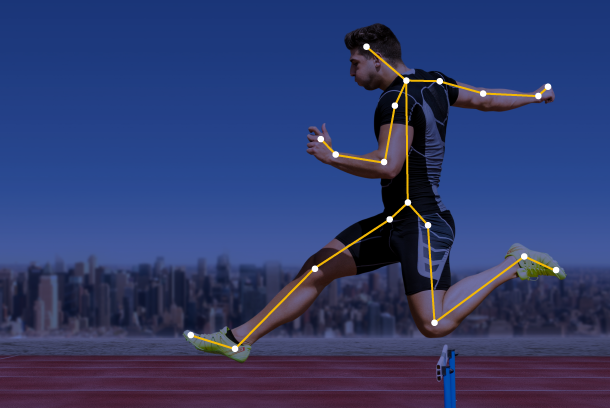

AI-driven biomechanical analysis provides unparalleled insights into an athlete's movements, enabling precise evaluation of performance metrics such as speed, acceleration, joint angles, and force production. Tools like motion capture systems integrated with AI algorithms can accurately assess biomechanical patterns, helping athletes optimize technique and efficiency.
By analyzing biomechanical data, AI can tailor training regimens to individual athletes' needs. Customized workout programs based on biomechanical profiles help optimize training intensity, duration, and recovery strategies. This personalized approach maximizes performance gains while minimizing injury risks.
In sports like golf, tennis, or basketball, AI analyzes biomechanical data to refine athletes' techniques. For instance, analyzing golf swings through AI-powered motion capture helps golfers perfect their form and consistency.
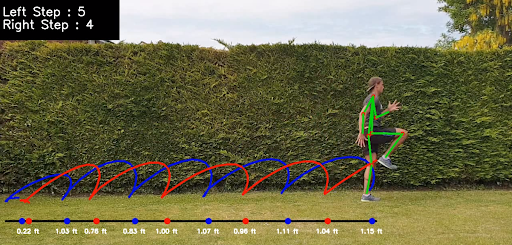
In track and field events, AI-based biomechanical analysis assists in optimizing sprinting techniques. By evaluating stride length, foot strike patterns, and body posture, coaches can fine-tune athletes' running mechanics for faster times.
AI-driven biomechanical analysis is transforming sports medicine. From assessing athletes' gait to diagnosing movement disorders, AI assists healthcare professionals in providing targeted treatments and rehabilitation plans.
AI has brought significant advancements in biomechanical analysis. However, there are ethical considerations that need to be addressed, such as data privacy and equitable access to technology. Looking toward the future, AI has the potential to identify talent based on biomechanical signatures and provide real-time feedback systems for immediate performance adjustments, which is a promising trend.