
Loading...

Did you know AI is changing the game in sports analytics? It's reshaping everything from personalized training to more innovative strategies and fan engagement. It’s not just about talent anymore; data and tech are playing a bigger role than ever, helping athletes and teams reach new levels of performance and connection.
While the entertainment sector gradually embraces AI, sports organizations are pioneering its implementation at breakneck speed. From Premier League football to NBA basketball, professional sports have become testing grounds for AI applications, setting benchmarks that other entertainment industries now strive to match.
This guide analysis explores eight transformative ways AI is reshaping sports, discovering hidden talent across global leagues.
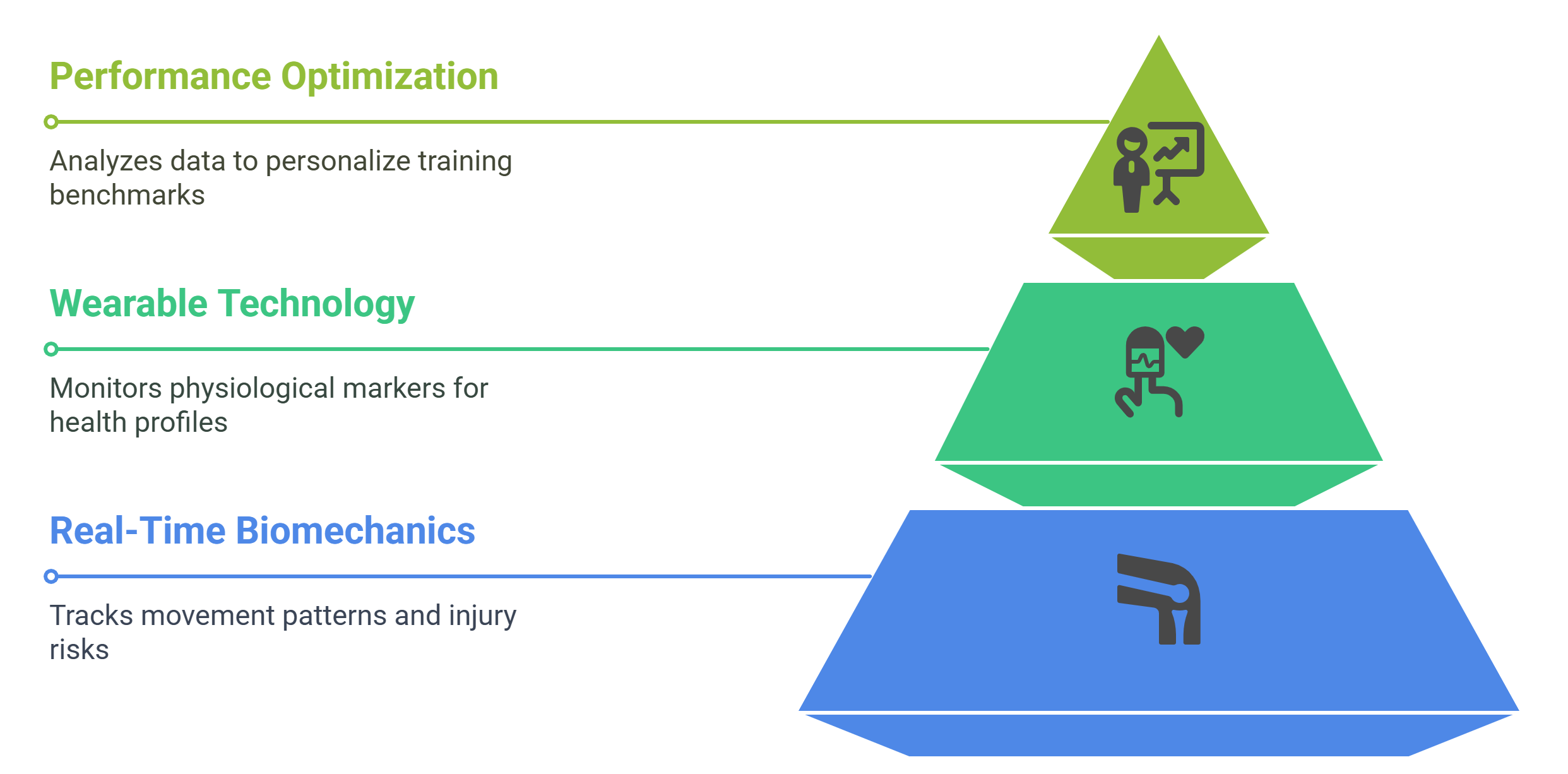
Modern sports organizations are leveraging AI for sports analytics to decode the complex science of athletic performance. AI-powered analytics systems process vast amounts of real-time data, transforming how coaches understand player capabilities, optimize training regimens, and maximize competitive advantages on the field.
Advanced AI systems track player movement patterns and gait analysis with unprecedented precision, identifying micro-movements that indicate fatigue or injury risk.
NBA's SportVU system tracks 25 data points per second during live games
Movement pattern recognition identifies optimal stride length and running mechanics
Fatigue detection algorithms alert coaches before performance degradation occurs
Injury risk assessment analyzes biomechanical stress patterns in real-time
Training efficiency optimization personalizes workouts based on movement analysis
IoT-enabled sensors continuously monitor athletes' physiological markers, creating comprehensive health profiles that guide training decisions and prevent overexertion injuries.
Heart rate variability monitoring tracks cardiovascular stress and recovery patterns
Sleep quality assessment integrates rest data with performance optimization
Hydration and nutrition tracking ensure optimal fueling strategies
Real-time stress indicator alerts prevent burnout and mental fatigue
AI-driven systems analyze individual athlete data to create personalized performance benchmarks, delivering measurable improvements in training effectiveness and competitive readiness.
Personalized training load management prevents overtraining while maximizing gains
Performance benchmarking algorithms compare individual progress against optimal standards
15% improvement in player availability through AI-optimized training protocols
Predictive performance modeling forecasts peak performance windowsExplore more: Power of AI in Sports Performance Analysis and Athletic Training
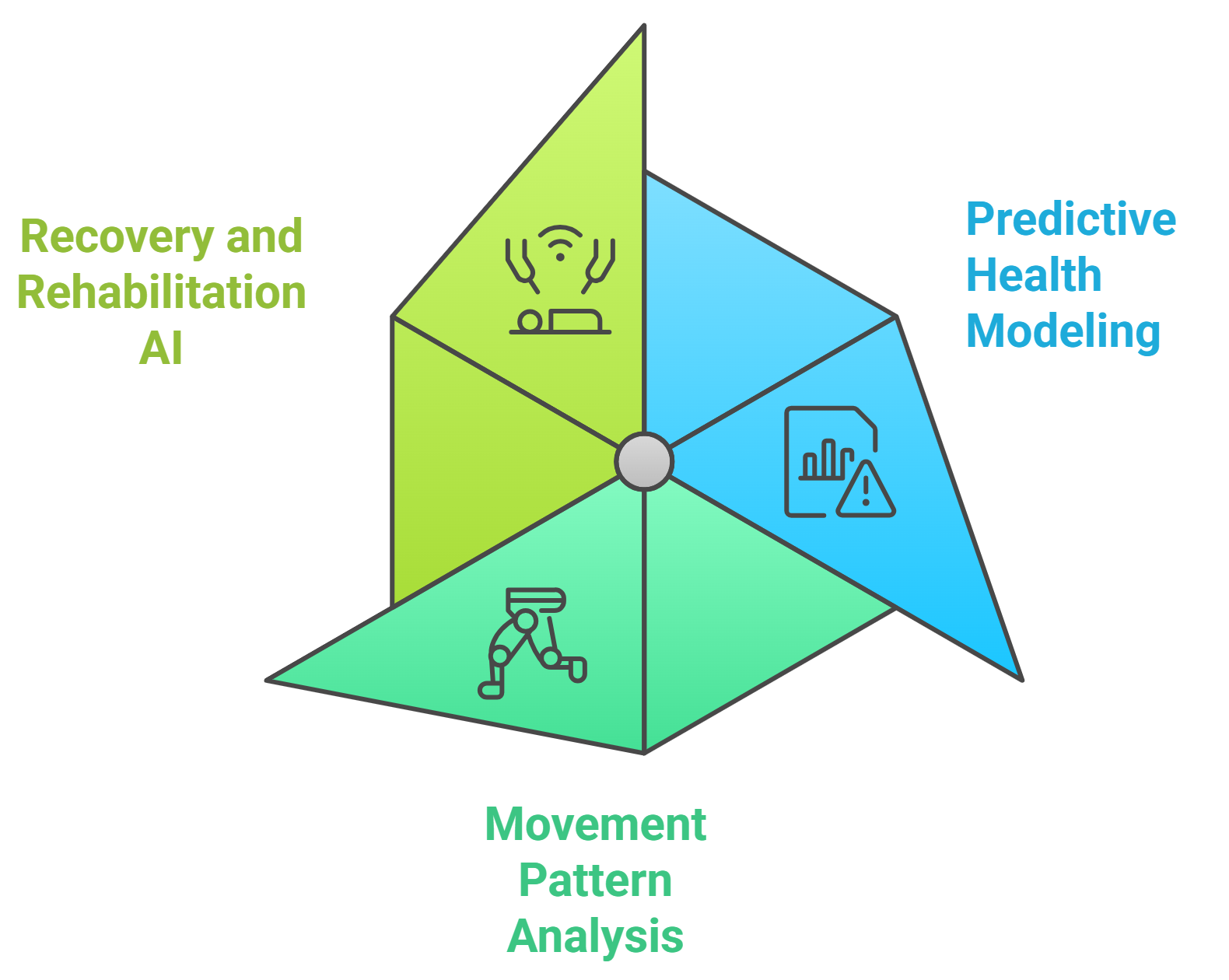
Athletic careers can end in an instant, even due to minor injuries, but AI-powered injury prevention systems are changing the game. By analyzing complex patterns in athlete data, machine learning algorithms now predict injury risks before they manifest, protecting valuable careers and maximizing team performance through proactive health management strategies.
Machine learning algorithms analyze comprehensive injury risk factors, combining historical data with real-time monitoring to predict potential health issues before they occur.
Fatigue monitoring systems have successfully reduced pitcher injuries by 40%
Sleep pattern analysis correlates rest quality with injury susceptibility
Nutrition data integration identifies dietary factors affecting recovery rates
Training load algorithms prevent overuse injuries through predictive modeling
Multi-factor risk assessment combines genetic, environmental, and performance data
Computer vision technology assesses biomechanical patterns in real-time, identifying movement inefficiencies that could lead to acute or chronic injuries.
Serve analysis prevents shoulder injuries through motion correction
Real-time form correction systems provide instant feedback during training
Gait analysis algorithms detect subtle changes indicating injury risk
Biomechanical stress mapping identifies high-risk movement patterns
Sport-specific movement optimization tailors corrections to individual disciplines
Personalized AI-driven recovery protocols accelerate healing processes while ensuring athletes return to peak performance safely and efficiently.
Personalized recovery protocols adapt to individual healing patterns
Progress tracking algorithms optimize rehabilitation intensity and duration
Return-to-play decision support provides objective readiness assessments
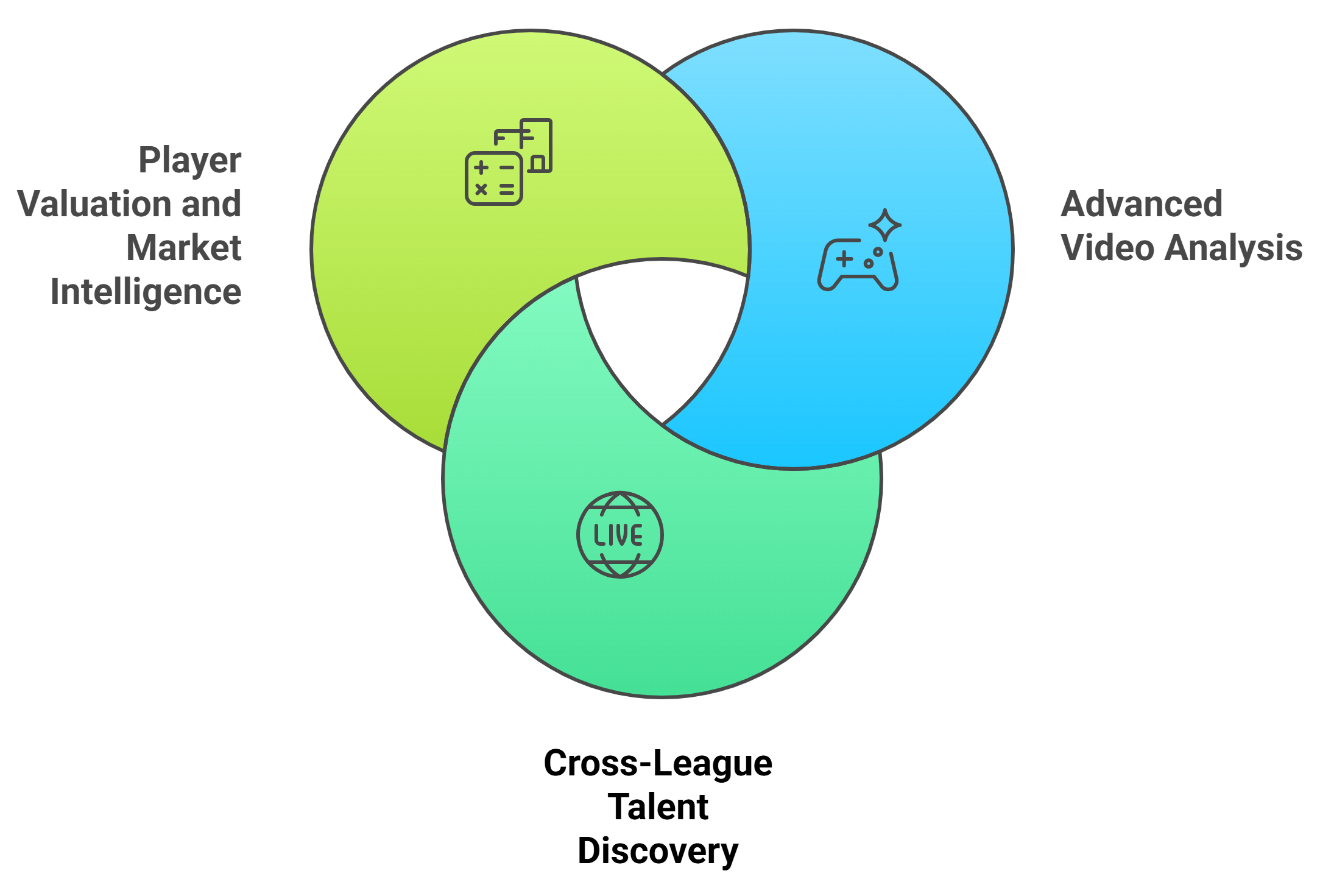
AI in sports analytics can examine thousands of players simultaneously across global leagues, revolutionizing traditional scouting methods. These intelligent platforms identify hidden talent, predict future performance, and optimize recruitment investments with unprecedented accuracy and efficiency.
AI systems process thousands of hours of game footage, identifying player capabilities and potential that human scouts might miss or overlook.
Advanced tracking systems revolutionized player evaluation with precise movement tracking
Pattern recognition algorithms analyze playing styles beyond traditional statistics
Performance consistency analysis evaluates reliability under pressure situations
Skill development tracking monitors improvement trajectories over time
Cross-sport talent identification discovers transferable athletic abilities
Global player database analysis enables scouts to discover hidden talent in lower leagues and emerging markets worldwide.
Hidden talent algorithms find undervalued players in obscure competitions
Performance translation models predict success across different competitive levels
Cultural adaptation assessment evaluates international player potential
Cost-benefit optimization maximizes recruitment ROI through data-driven decisions
AI-powered valuation models provide accurate player worth assessments, optimizing transfer decisions and contract negotiations for maximum organizational benefit.
Transfer fee prediction models achieve 60% more accurate valuations
Contract negotiation optimization leverages market data for strategic advantage
Performance depreciation analysis predicts career trajectory changes
Market trend forecasting anticipates player value fluctuations
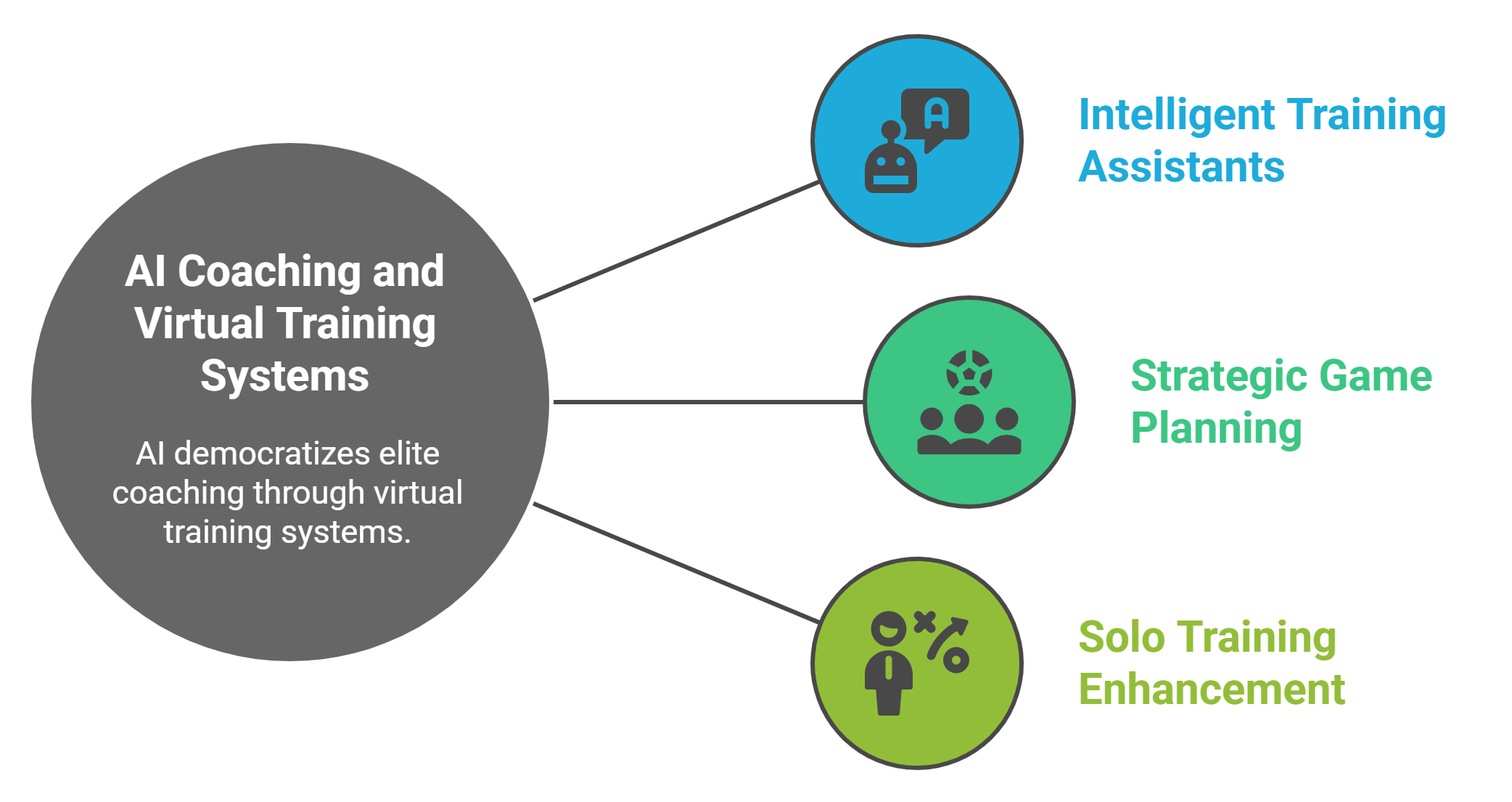
AI is democratizing access to elite-level coaching through virtual training assistants and intelligent feedback systems. These AI-powered platforms provide personalized instruction, strategic insights, and performance optimization that was previously available only to professional athletes.
Real-time AI feedback systems analyze athlete performance during practice sessions, providing instant corrections and personalized drill recommendations.
AI analysis optimizes shooting form to improve accuracy
Real-time technique correction prevents bad habits from developing
Personalized drill recommendations adapt to individual skill gaps
Progress tracking algorithms monitor improvement across training sessions
Motivation and engagement systems maintain athlete focus and dedication
AI systems analyze opponent weaknesses and team strengths to develop optimal game strategies and tactical formations.
Opponent analysis algorithms identify exploitable weaknesses and patterns
Tactical AI systems improve win rates through formation optimization
Real-time strategy adjustments adapt to changing game conditions
Player matchup optimization maximizes individual competitive advantages
Formation effectiveness modeling predicts the success of different tactical approaches
NLP-based coaching bots and voice-activated systems enable effective solo training sessions with personalized guidance and motivation.
Voice-activated training guidance provides hands-free instruction during workouts
25% improvement in solo practice effectiveness through AI coaching systems
Motivational AI assistants maintain engagement during individual training
Skill assessment algorithms evaluate progress without human oversight
Adaptive difficulty systems adjust training intensity based on performance
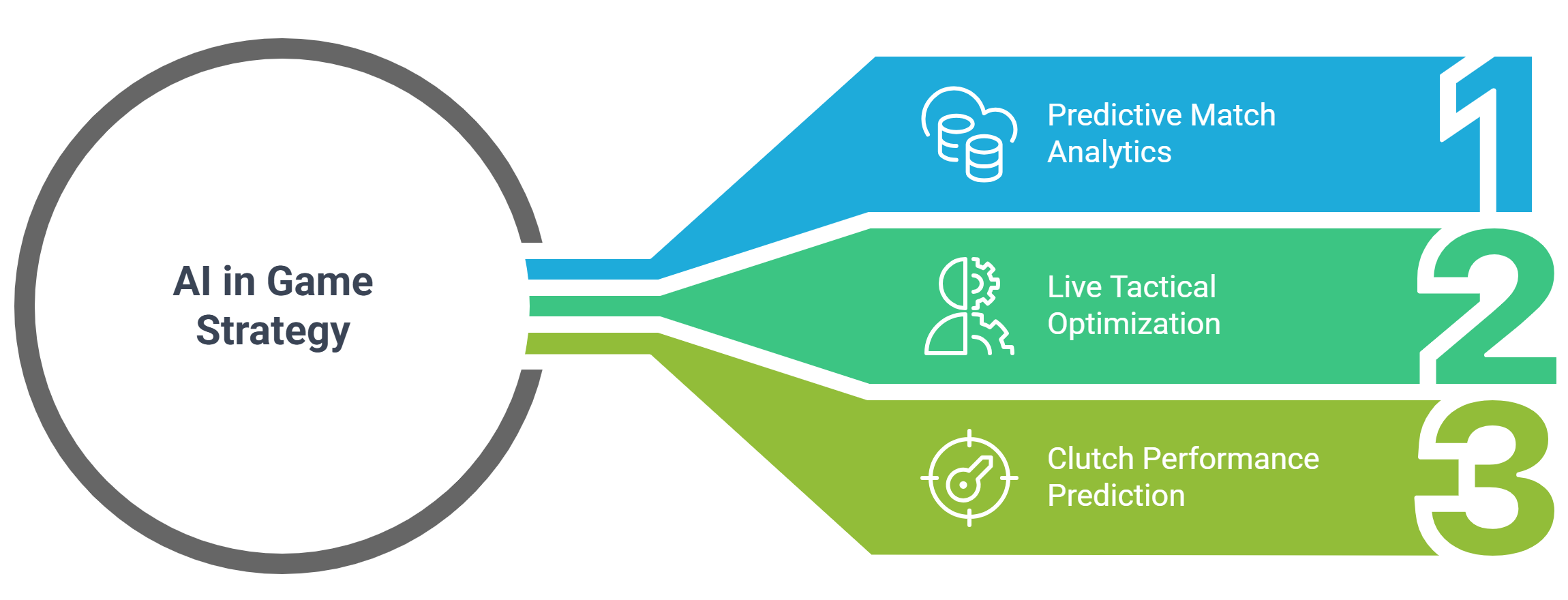
AI-powered decision support systems are transforming in-game strategy by analyzing countless variables in real-time. Coaches now have access to predictive insights that optimize tactical decisions, player rotations, and strategic adjustments during critical moments.
Advanced algorithms analyze environmental and performance factors to predict game outcomes and optimize strategic decisions.
Weather impact analysis determines optimal playing strategies for conditions
AI-powered bowling strategies enhance wicket-taking effectiveness
Player fatigue modeling predicts performance decline during games
Opponent behavior prediction anticipates tactical changes and responses
Win probability calculations guide risk-taking decisions in critical moments
Real-time data analysis enables coaches to make informed substitution and formation decisions based on current game dynamics.
Substitution timing optimization maximizes player impact through data-driven decisions
Formation adjustment algorithms respond to opponent tactical changes
Player matchup analysis identifies optimal competitive pairings
Energy management systems preserve player stamina for crucial moments
AI systems analyze high-pressure situations to predict player performance and optimize team decisions during critical game moments.
High-pressure situation analysis identifies clutch performers and chokers
28% better performance in critical moments achieved through AI insights
Player psychology integration considers mental factors in predictions
Momentum tracking algorithms capitalize on psychological advantages
Situational performance modeling predicts success in specific scenarios
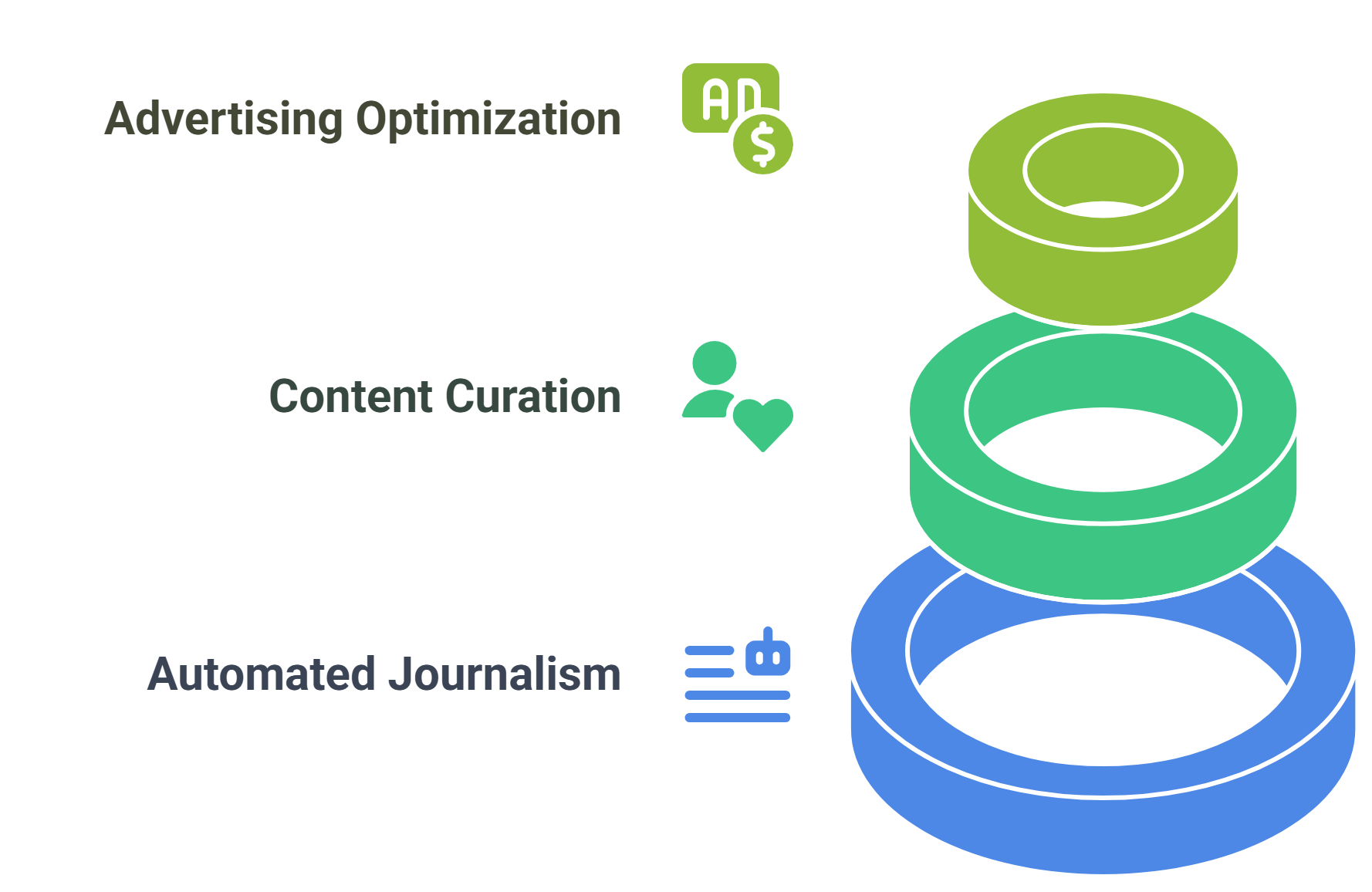
AI in sports is transforming how content is created, distributed, and consumed. From automated journalism to personalized highlight reels, the synergy between AI and sports is enhancing fan engagement while unlocking new revenue opportunities for broadcasters and sports organizations
AI-powered systems generate comprehensive match reports and analysis in multiple languages, delivering instant content to global audiences.
Automated match report generation delivers content within minutes of game completion
Multi-language content creation expands global audience reach instantly
Statistical analysis integration provides deeper insights than traditional reporting
Personalized writing styles adapt tone and focus for different audience segments
Machine learning algorithms create personalized highlight reels and content experiences tailored to individual fan preferences and viewing patterns.
Personalized highlight generation creates custom content for each fan
Fan preference learning algorithms improve recommendations over time
Real-time content adaptation adjusts coverage based on audience reactions
Cross-platform content optimization delivers consistent experiences across devices
AI-driven advertising systems use sentiment analysis and moment detection to optimize ad placement and maximize sponsor return on investment.
Moment-based ad placement leverages emotional peaks for maximum impact
45% increase in sponsor ROI through AI-optimized advertising strategies
Dynamic pricing algorithms adjust advertising costs based on audience engagement
Sentiment analysis integration ensures appropriate ad timing and content
Cross-demographic targeting optimizes reach across diverse fan segments
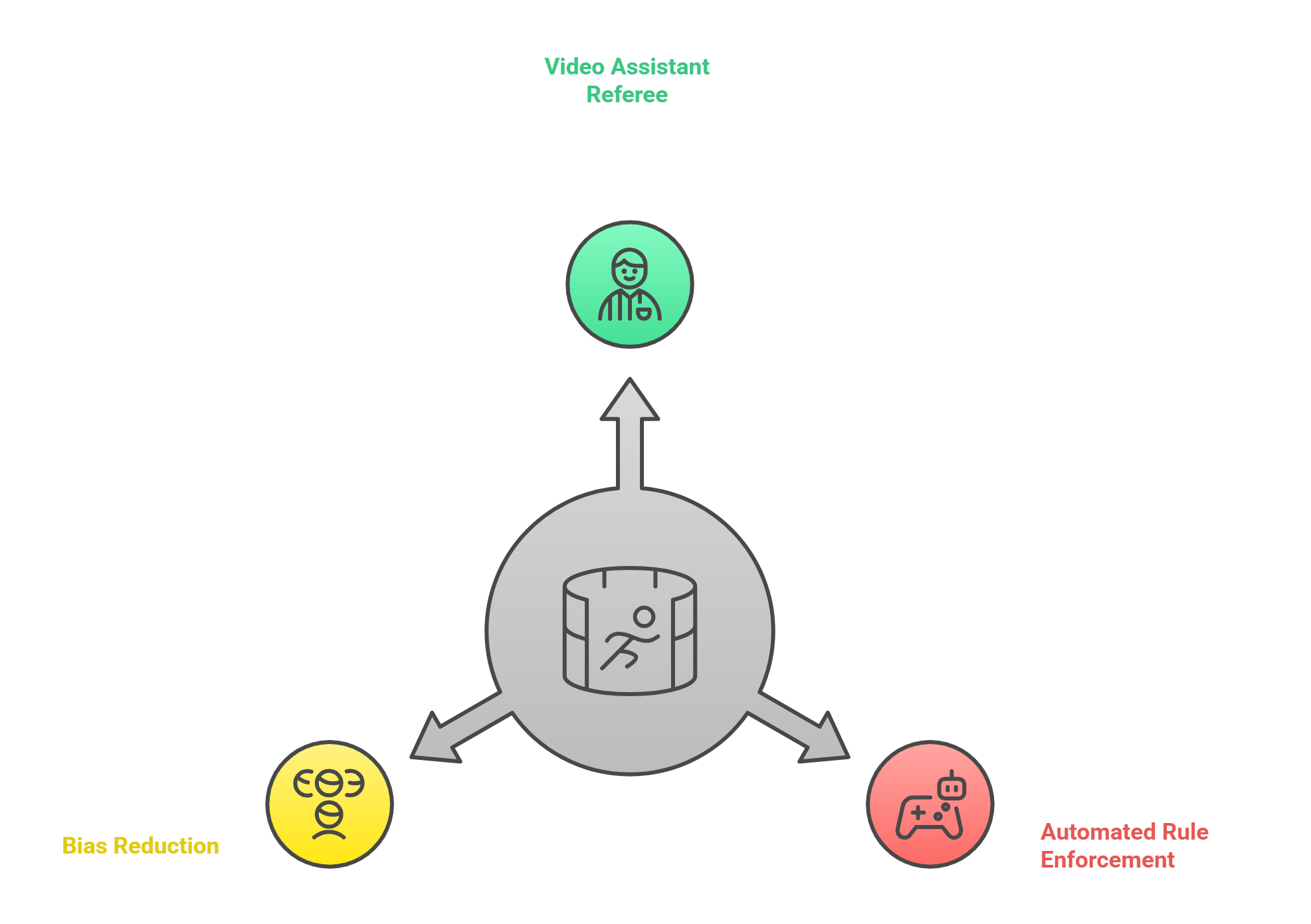
Computer vision technology is upscaling sports officiating by providing objective, accurate decision-making support. These AI-powered systems reduce human error, ensure consistent rule application, and enhance the fairness of competitive sports across multiple disciplines.
Real-time decision support systems analyze game footage instantly to assist referees in making accurate calls during live competition.
Football VAR systems reduced controversial decisions by 80%
Cricket DRS implementation improved umpiring accuracy to 95%
Real-time analysis capabilities deliver decisions within seconds
Multi-angle video processing ensures comprehensive decision support
AI systems automatically detect rule violations and provide consistent enforcement across games and competitions.
Offside detection algorithms achieve 95% accuracy in close-call decisions
Automated foul recognition identifies rule violations in real-time
Consistent rule application eliminates human bias and error
Performance tracking integration monitors player compliance with regulations
Fair play enhancement ensures equal treatment across all competitors
Objective AI decision-making support systems minimize human bias and ensure fair play across diverse competitive environments.
Objective decision-making algorithms eliminate unconscious referee bias
Cross-cultural fair play enhancement ensures consistent standards globally
Performance evaluation systems monitor and improve officiating quality
Transparency mechanisms provide clear explanations for controversial decisions
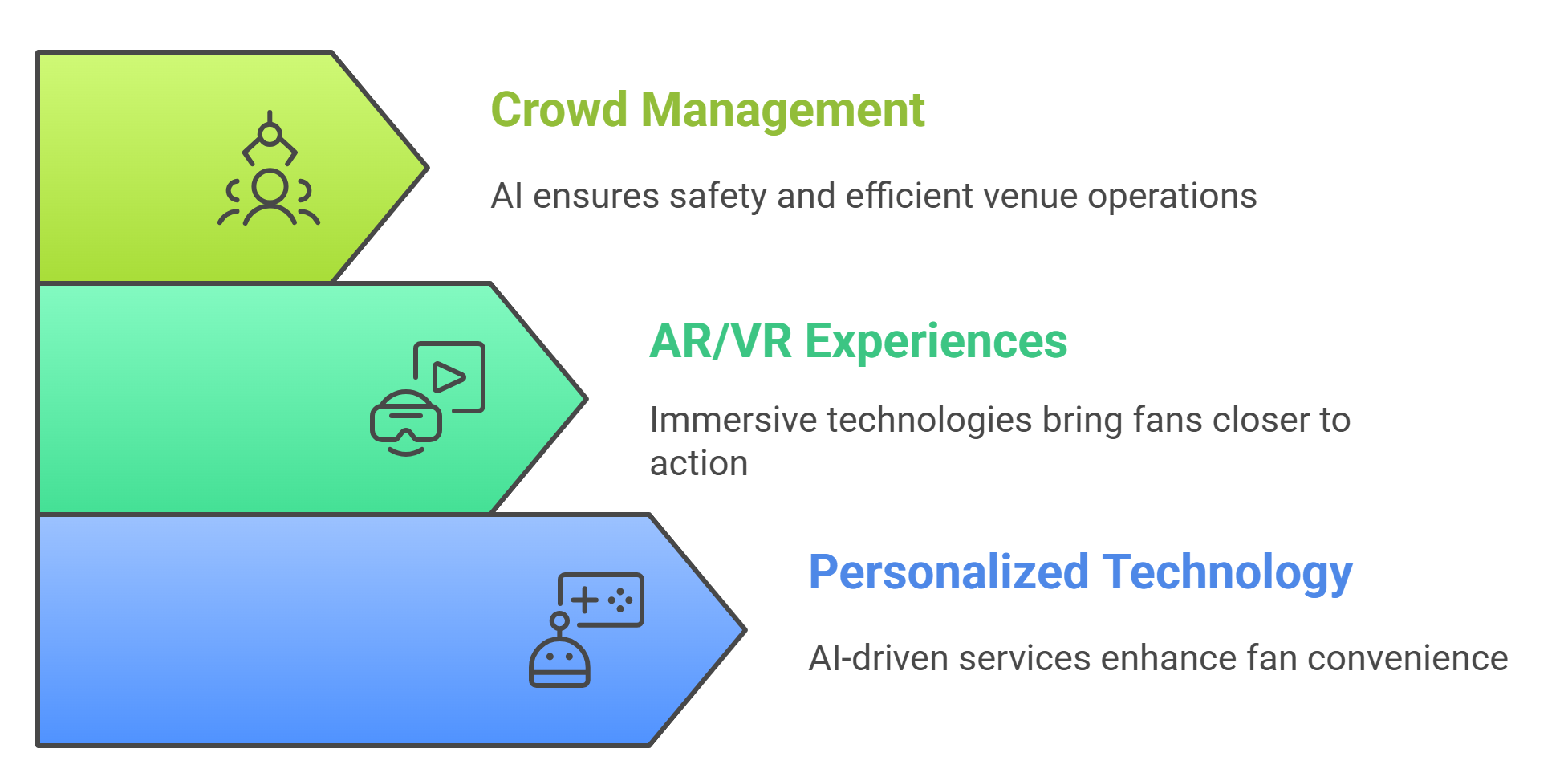
Modern sports venues are becoming intelligent ecosystems that leverage AI to enhance every aspect of the fan experience. From personalized navigation to immersive entertainment, smart stadiums represent the future of sports venue technology and fan engagement.
AI-powered systems provide personalized navigation, concessions, and services that enhance convenience and satisfaction for every stadium visitor.
AI-powered navigation systems guide fans to seats, concessions, and facilities
Cashierless checkout technology eliminates traditional transaction wait times
Personalized concession recommendations suggest food and beverages based on preferences
Dynamic pricing systems optimize vendor revenue while maintaining fan satisfaction
Augmented and virtual reality technologies powered by AI create immersive experiences that bring fans closer to the action.
Augmented reality statistics overlay provides real-time player and game data
Virtual meet-and-greet opportunities connect fans with players through AI avatars
360-degree viewing experiences offer multiple perspective options during games
Interactive gaming integration engages fans during breaks and timeouts
AI-powered security and flow optimization systems ensure fan safety while maximizing venue efficiency and emergency response capabilities.
35% reduction in stadium wait times through AI-optimized crowd flow management
Predictive crowd density modeling prevents dangerous overcrowding situations.
Emergency response coordination enables rapid evacuation and medical assistance.
Security threat detection identifies potential risks through behavioral analysis.
Traffic flow optimization improves entry and exit efficiency for all attendees.
Leading voices across professional sports share remarkable insights about the transformative impact of AI in sports analytics on their organizations. From championship coaches to technology executives, these industry pioneers reveal how artificial intelligence has revolutionized performance, strategy, and business operations in ways previously unimaginable.
1. NBA Commissioner Adam Silver on AI's Transformative Potential "Today, AI is creating a similar excitement to what we saw around the early days of the internet. Intuitively, most of us have a sense that artificial intelligence is going to change our lives. The question is, 'How?'"
Source: NBA talks about the role of AI at annual All-Star weekend tech summit
2. Adam Farrand, VP of Sport at Exos, on AI-Powered Training "Our system has been tried and tested for over 25 years and uses data and the latest science in order to ensure our athletes have the very best.
Source: How AI is redefining your sports experience right now
3. Charlie Hussey, SEC Deputy Commissioner, on AI in Scheduling "We have 22 sports. Each one of those schedules is different and has unique constraints that we're trying to solve for. With artificial intelligence, there's millions of options that can be populated. It considers so much more than you could've just five years ago."
Source: How AI shaped your favorite NFL team’s schedule
4. John Stewart, CEO of Fastbreak AI, on Automated Systems "Basically, the way the engines work, you don't need as much oversight."
Player injury reduction: 40-60% decrease in preventable injuries
Training efficiency improvement: 35% increase in skill development speed
Performance consistency: 25% reduction in performance variability
Recovery time optimization: 45% faster return-to-play periods
Talent identification accuracy: 70% improvement in scouting success rates
Most sports organizations follow a structured approach to AI implementation, progressing through distinct phases that build foundational capabilities before advancing to sophisticated applications.
Phase 1 (Months 1-3): Data infrastructure setup and basic analytics implementation
Phase 2 (Months 4-8): Advanced performance monitoring and predictive modeling integration
Phase 3 (Months 9-12): Real-time decision support and automated systems deployment
Phase 4 (Year 2): Full ecosystem integration with fan engagement and revenue optimization
Phase 5 (Year 3+): Advanced AI applications and competitive differentiation strategies
Leading sports organizations demonstrate substantial financial returns from AI investments, with measurable impacts on revenue generation, cost reduction, and competitive performance across multiple operational areas.
Golden State Warriors: $50M annual revenue increase through AI-enhanced fan engagement
Manchester City FC: 30% reduction in player acquisition costs via AI scouting systems
New England Patriots: $25M savings in injury-related costs through predictive health monitoring
Los Angeles Dodgers: 40% increase in ticket sales through AI-powered personalization
Mercedes F1 Team: $100M competitive advantage through real-time strategy optimization
Professional sports franchises report financial benefits from AI implementation, ranging from direct revenue increases to substantial cost savings through operational optimization and strategic advantages.
Revenue optimization shows an average 25-40% increase in ticket sales through personalized pricing strategies
Operational cost reduction achieves 20-35% savings in scouting, training, and facility management expenses
Injury prevention programs deliver $10-50M annual savings per franchise through reduced medical costs
Fan engagement initiatives generate 30-60% increases in merchandise sales and concession revenue
Competitive performance gains translate to playoff appearances worth $100M+ in additional franchise value
While AI in sports analytics offers transformative potential, several organizations face many technical, economic, and ethical hurdles that require strategic planning and careful consideration to ensure successful and responsible implementation.
Implementation costs range from $500K-$10M, depending on organization size and scope requirements.
Data integration complexity requires specialized expertise to unify disparate systems and legacy infrastructure.
Smaller organizations can leverage cloud-based SaaS solutions and partnerships to access enterprise-level AI capabilities affordably.
Player data protection protocols must comply with GDPR, CCPA, and sport-specific privacy regulations globally.
AI bias prevention measures require diverse training datasets and regular algorithm auditing for fair outcomes.
Regulatory compliance requirements vary by league and jurisdiction, necessitating specialized legal and technical expertise.
The next decade promises advances in AI in sports analytics, with emerging technologies creating unprecedented opportunities for performance enhancement, fan engagement, and competitive differentiation across all sporting disciplines.
Emerging technologies: 5G networks enable real-time edge computing, while quantum computing will revolutionize predictive modeling capabilities
Next-generation features: Virtual AI athletes for training simulations and fully automated coaching systems for personalized development
Market predictions: AI sports market expected to reach $57.6 billion by 2030 with a 35% annual growth rate
AI tools provide automated insights sports data analysis, eliminating manual processing and delivering real-time performance reports.
Folio3 specializes in delivering cutting-edge AI solutions for sports organizations, combining deep technical expertise with industry knowledge to transform athletic performance and business operations.
Comprehensive AI solution portfolio including gait analysis for biomechanical assessment, video analysis for tactical intelligence, and sponsorship intelligence for brand visibility tracking
Advanced injury prevention systems that monitor biomechanics and fatigue patterns through predictive analytics and real-time performance tracking capabilities
Scalable implementation strategies from pilot programs to enterprise-wide deployment, with customized solutions designed for each sport's unique requirements and organizational objectives
AI implementation costs vary based on organization size and scope. Small teams can start with cloud-based solutions for $50K-$200K annually, while major franchises typically invest $2M-$10M for comprehensive AI systems. ROI is typically achieved within 18-24 months through performance improvements and revenue optimization.
While all sports can benefit from AI, data-rich sports like baseball, basketball, and football see the most immediate impact. Tennis, soccer, and cricket also show significant advantages in performance analytics and injury prevention. Individual sports benefit particularly from personalized training optimization and technique analysis.
Key privacy concerns of AI in sports analytics include protecting player biometric data, protecting fan personal information, and complying with international regulations like GDPR. Organizations must implement robust data governance frameworks, obtain proper consent, and ensure secure data storage and processing protocols.
Small organizations can leverage cloud-based SaaS platforms, form partnerships with tech companies, join league-wide AI initiatives, or start with specific use cases like video analysis or basic performance tracking. Many vendors offer scaled pricing models based on team size and requirements.
Essential skills include data science expertise, AI/ML engineering capabilities, sports domain knowledge, and change management experience. Organizations typically need data analysts, AI specialists, and staff training programs. Many successful implementations involve partnerships with specialized AI companies like Folio3 for technical expertise.
AI enhances performance analytics by processing vast amounts of data (video, biometric, GPS) to deliver actionable insights on player movement, stamina, and technique. It enables predictive modeling for injury risks and creates data-driven training programs tailored to individual athletes.
Yes, AI tools analyze player stats, video footage, and performance trends to identify high-potential talent. By reducing human bias and uncovering hidden patterns, AI-driven scouting platforms improve recruitment accuracy and save time for sports management teams.
AI personalizes fan experiences through real-time highlight generation, automated commentary, and customized content recommendations. Chatbots, virtual assistants, and AI-driven social media analysis also help teams build stronger fan relationships and boost engagement.
Yes, AI automates match reports, live commentary, and highlight videos. Natural language processing (NLP) and computer vision power these tools, allowing broadcasters and teams to deliver content instantly while reducing production costs.
AI in sports broadcasting uses automated insights to analyze game data in real time, generate graphics, and provide predictive stats during live coverage. This improves viewer experience and offers deeper data-driven storytelling for audiences.