
Loading...
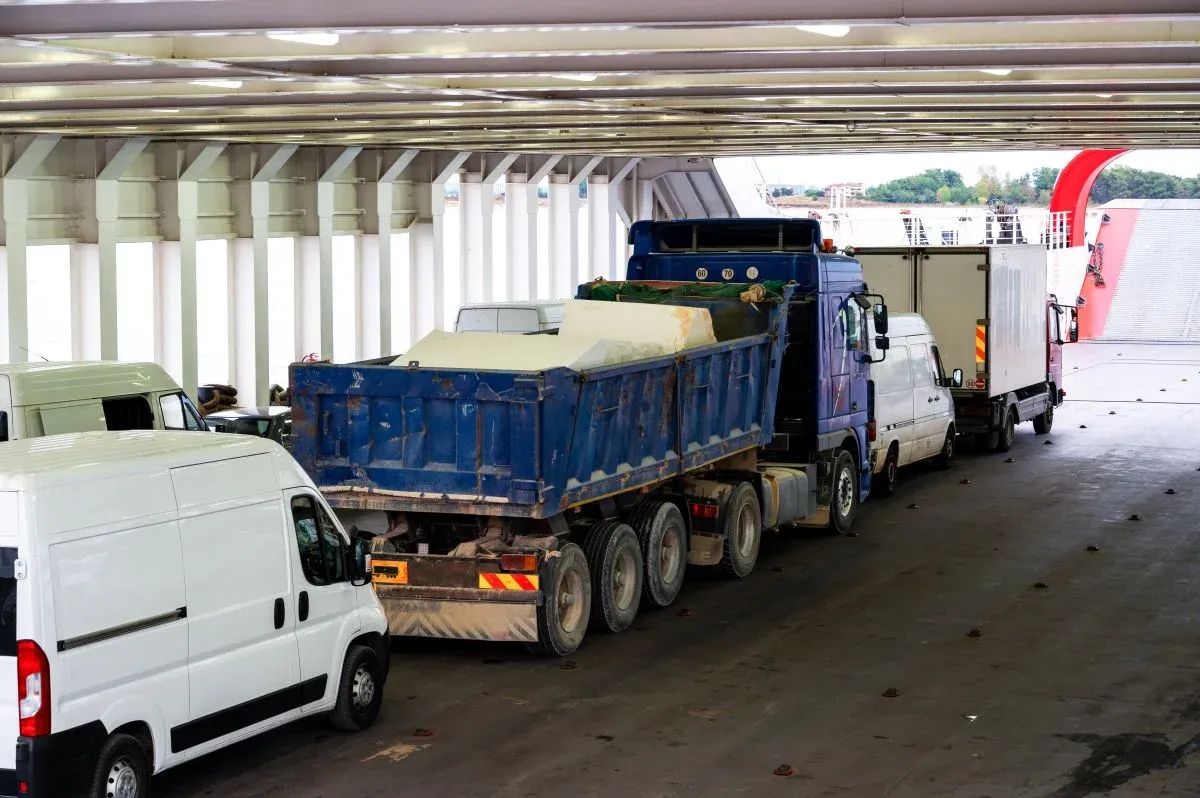
Fleet managers know the daily frustration all too well: watching delivery trucks crawl through congested streets while customers impatiently wait for their orders. Emergency responders face split-second decisions about which route might actually get them to their destination fastest. These operational headaches cost businesses millions annually and, more importantly, impact the communities they serve, making ALPR for urban fleets a critical solution to modern transportation challenges.
According to recent smart city research, the global smart cities market is projected to reach $3,757.9 billion by 2030, growing at a CAGR of 29.4%, highlighting the critical importance of smart infrastructure integration. The modern urban environment demands a new approach to fleet management that leverages real-time data and smart city technologies. This is where automatic license plate recognition emerges as a critical solution, transforming how vehicles interact with smart city infrastructure.

Modern urban fleets require seamless integration with smart infrastructure to maximize efficiency and compliance in increasingly complex city environments.
ALPR systems connect with smart traffic management networks to provide instant route optimization based on current conditions. Consequently, this integration reduces delivery times by automatically rerouting vehicles away from congestion hotspots while maintaining operational efficiency.
License plate recognition technology actively monitors fleet compliance with designated routes, speed limits, and restricted zones. Subsequently, systems automatically generate alerts and reports to prevent costly violations and regulatory penalties before they occur.
ALPR integrates seamlessly with smart parking systems and access control infrastructure, enabling automated parking payments and reserved space management. Additionally, secure facility access becomes available for authorized fleet vehicles only, streamlining operations significantly.
Fleet ALPR systems connect with urban IoT sensors to gather environmental data, road conditions, and infrastructure status. Therefore, this connectivity enables AI predictive maintenance scheduling and route optimization based on real-time city conditions rather than assumptions.
ALPR technology enables emergency vehicles to automatically trigger traffic signal priority and communicate with smart infrastructure. As a result, systems can clear optimal routes, reducing response times in critical situations significantly while improving public safety outcomes.
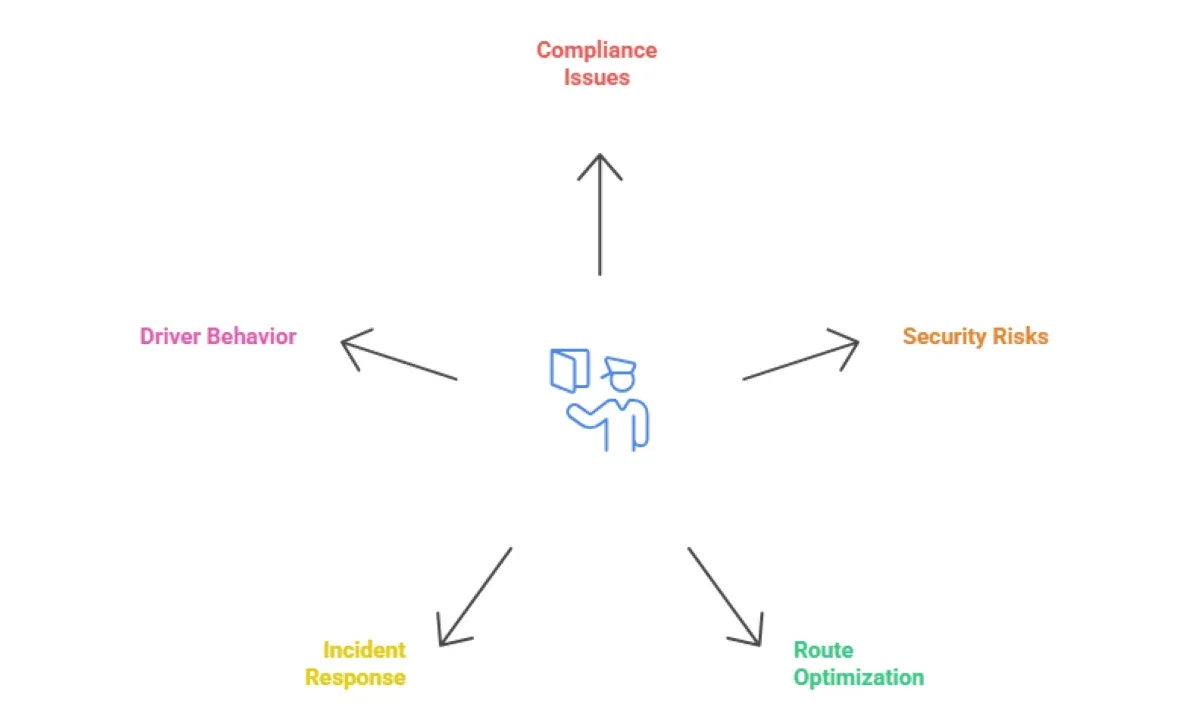
Urban fleet operations suffer from fundamental visibility gaps that create significant operational inefficiencies, regulatory violations, and reduced productivity. Traditional fleet management relies primarily on GPS tracking and manual reporting, leaving operators without crucial real-time insights into critical situations.
Fleet managers consistently struggle with ensuring driver compliance with designated routes and regulations. Furthermore, preventing unauthorized vehicle usage during off-hours remains a significant concern, while managing parking violations continues to impact operational budgets substantially.
Vehicle theft, unauthorized access, and security incidents represent considerable operational risks that GPS tracking alone cannot address effectively. Therefore, visual verification capabilities become essential for comprehensive asset protection and incident confirmation.
Current fleet management systems typically rely on historical traffic patterns rather than real-time infrastructure conditions. However, this approach limits optimization effectiveness despite smart transportation networks supported by IoT and emerging connectivity technologies transforming urban operations.
Fleet managers often discover accidents, breakdowns, or emergency situations long after they occur, leading to delayed response times and increased operational costs. GPS coordinates alone cannot provide the visual context needed to assess incident severity or dispatch appropriate assistance quickly.
Without visual verification, fleet operators struggle to identify unsafe driving practices, unauthorized stops, or policy violations that could expose companies to liability risks. Traditional telematics data provides speed and location information but lacks the contextual evidence needed for effective driver coaching and performance improvement.
ALPR technology serves as the visual intelligence layer that connects fleet vehicles with broader smart city infrastructure, enabling seamless data exchange and automated decision-making processes.
Modern ALPR systems leverage V2I communication frameworks to enable bidirectional data exchange between fleet vehicles and smart infrastructure. These protocols allow ALPR cameras to capture license plate data while simultaneously receiving real-time traffic conditions, road hazards, and infrastructure status from connected city systems.
ALPR systems integrate with comprehensive IoT sensor networks deployed throughout urban infrastructure, creating multi-layered monitoring and optimization systems. Environmental sensors monitoring air quality, noise levels, and weather conditions share data with ALPR systems for intelligent route planning and operational decision-making.
5G networks provide high-speed, low-latency connectivity required for real-time ALPR data streaming and instant communication between fleet vehicles and smart infrastructure. This connectivity enables simultaneous transmission of high-resolution image data, GPS coordinates, and comprehensive telemetry information.
ALPR systems integrate seamlessly with existing city management platforms, including traffic control centers, parking management systems, and emergency response networks. API-first architecture ensures ALPR data sharing across multiple municipal systems without requiring extensive infrastructure modifications.
Next-generation ALPR systems enable sophisticated integration between fleet operations and smart city infrastructure, creating intelligent transportation networks that adapt dynamically to changing conditions.
Advanced ALPR systems combine license plate recognition data with comprehensive infrastructure sensor information. Consequently, this generates predictive insights about traffic patterns, maintenance needs, and operational optimization opportunities for proactive fleet management strategies.
ALPR systems integrate with comprehensive traffic monitoring networks to provide continuous route optimization based on current conditions rather than historical patterns. Updated routing recommendations account for current infrastructure capacity and restrictions automatically, improving operational efficiency.
ALPR systems communicate directly with intelligent traffic signal controllers to enable sophisticated priority management and traffic flow optimization. Authorized fleet vehicles receive automatic signal priority based on ALPR identification with appropriately adjusted timing sequences.
ALPR systems integrate with environmental monitoring infrastructure to enable automatic adaptation to changing weather and road conditions. When weather sensors detect precipitation, temperature changes, or visibility issues, systems automatically adjust operational parameters accordingly.
ALPR systems facilitate coordination between different transportation modes by providing visibility into fleet interactions with public transit, pedestrian infrastructure, and other transportation systems. Integration enables coordinated timing for passenger transfers and efficient shared infrastructure usage.
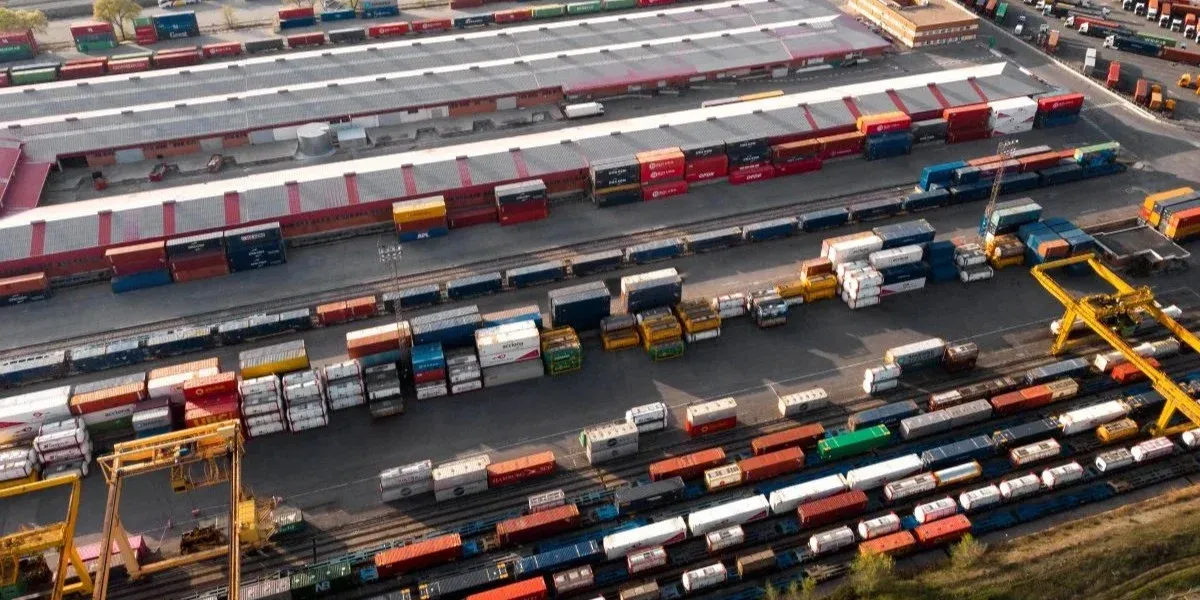
ALPR integration with smart infrastructure delivers measurable improvements in operational efficiency, compliance management, and strategic decision-making capabilities for urban fleet operations.
ALPR systems integrated with smart infrastructure deliver efficiency gains through automated route optimization, reduced idle time, and improved resource allocation.
Smart mobility solutions integrated with ALPR technology enable significant reductions in fuel consumption and emissions through optimized routing and reduced idle time.
ALPR integration with smart infrastructure automates compliance monitoring for multiple regulatory requirements simultaneously, including route restrictions, weight limitations, and driver hour-of-service requirements.
ALPR systems integrated with road condition sensors and infrastructure monitoring provide predictive insights about vehicle maintenance needs based on actual operating conditions.
ALPR systems provide comprehensive security monitoring for fleet assets through continuous visual verification and automated alert systems.
Summary
Being the first and only software company that collects vehicle data through sensors and makes it useful for consumers, Aiden had to face challenges while managing the machine learning workloads of the software projects. Folio3 augmented their staff with an experienced MLOPs team for faster deployment, reduced system errors, and a smooth integration on the cloud.
Founded by Volvo Cars innovators and backed by Silicon Valley entrepreneurs, Aiden is a California-based startup. Aiden is the first Software solution that takes sensor data from vehicles, makes it useful, and then passes that data to different consumers.
Team composition: 6 members
Client name: Aiden
Expertise used: Machine Learning, Vehicle Detection, and Fleet Management
Duration: 10 months
Services provided: MLOPS, Module development, model training, Data capture, and segregation, AWS Cloud Deployment
Country: US
Industry: Embedded Software Products
Aiden provides a cloud-connected embedded software product for electric vehicles that utilizes sensor data from vehicles, transforms it into meaningful insights, and then passes that data to different consumers. Aiden needed an end-to-end MLOPS team that could take ownership and manage the software development, deployment, and integration process.
Folio3 AI-augmented Aiden's staff with an experienced MLOPs team that oversaw all the aspects of machine learning project management, and delivered projects on time and with the minimum amount of system errors, thereby ensuring maximum data science productivity. The software solution produced consisted of 3 different modules.
All project modules were completed on time by the Folio3 AI MLOps team with maximum productivity, meeting all project challenges and enhancing Aiden's software functionality by as much as 50%.
Successful ALPR deployment requires addressing technical, operational, and organizational challenges through strategic planning and phased implementation approaches.
Organizations typically operate multiple existing systems for fleet management, traffic control, and infrastructure monitoring that must be integrated with new ALPR capabilities. Modern ALPR platforms address these challenges through comprehensive API architecture and middleware solutions, enabling gradual integration without operational disruption.
Urban infrastructure involves multiple stakeholders and technology providers that must work together seamlessly for effective ALPR integration. Advanced ALPR platforms support industry-standard protocols including NTCIP for traffic management systems, GTFS for transit integration, and emerging V2X communication standards.
ALPR implementation often requires significant changes to established operational procedures and workflows. Successful deployment requires comprehensive change management that addresses both technical and cultural aspects of transitioning to automated monitoring and optimization systems.
ALPR systems collect and process license plate information that may be subject to privacy regulations and data protection requirements. Modern ALPR platforms incorporate privacy-by-design principles that ensure compliance with applicable regulations while maintaining operational effectiveness.
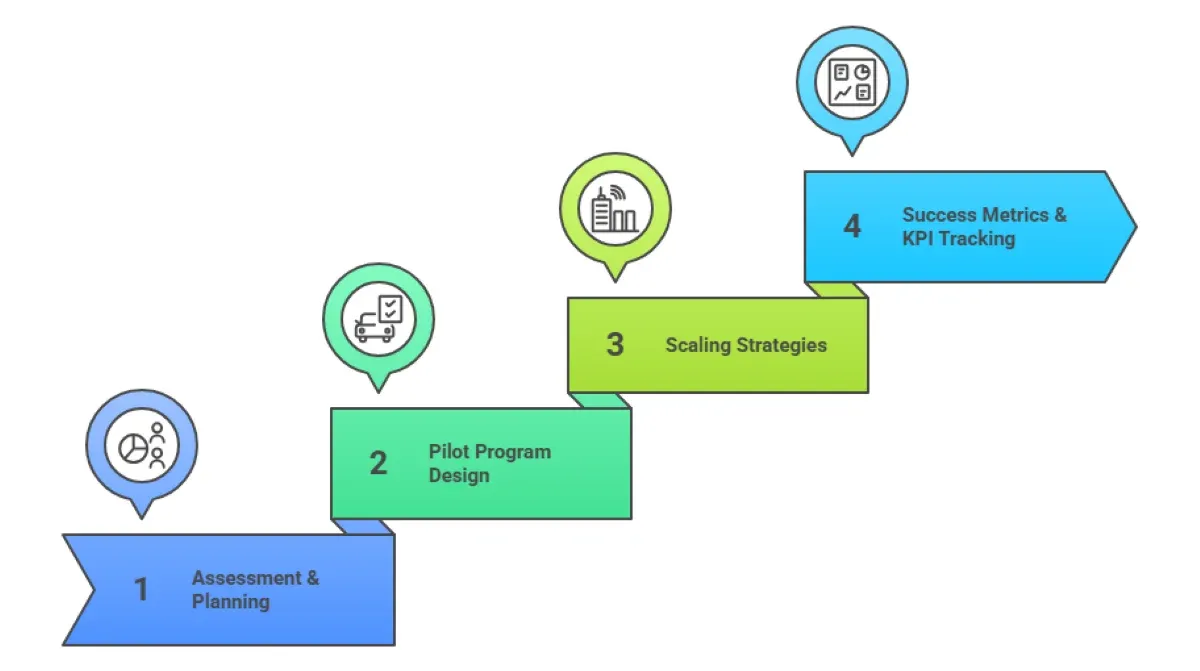
Strategic implementation planning ensures successful ALPR deployment while minimizing disruption and maximizing return on investment through carefully planned phased rollout approaches.
Implementation begins with a comprehensive assessment of existing fleet operations, infrastructure connectivity, and integration requirements. Organizations work with technical teams to identify optimization opportunities, integration challenges, and success metrics that guide deployment processes effectively.
Pilot programs enable organizations to test ALPR capabilities in controlled environments before full-scale deployment. These programs typically focus on specific fleet segments or geographic areas to validate functionality, measure benefits, and refine operational procedures.
Successful pilot programs provide foundations for scaling ALPR deployment across larger fleet operations and geographic areas. Phased rollout strategies minimize risk while enabling organizations to apply lessons learned from pilot programs to broader implementations.
Comprehensive measurement frameworks enable organizations to quantify ALPR benefits and demonstrate return on investment. Key performance indicators include operational efficiency improvements, compliance cost reductions, security incident prevention, and customer satisfaction enhancements.
Emerging technologies and evolving urban mobility patterns require ALPR systems that can adapt and integrate with next-generation infrastructure and vehicle technologies.
Evolution toward autonomous vehicles creates new opportunities for ALPR integration that extend beyond traditional fleet monitoring. ALPR systems provide visual verification and safety oversight for autonomous fleet operations while enabling integration with smart infrastructure systems.
Advanced V2X communications enable coordinated vehicle operations where multiple fleet vehicles travel in coordinated groups to improve efficiency and safety. ALPR systems provide visual verification needed to ensure platoon integrity and coordinate with infrastructure systems effectively.
ALPR data contributes to comprehensive urban planning initiatives that use artificial intelligence to predict and optimize city-wide transportation patterns. Fleet operations become part of broader smart city ecosystems where transportation infrastructure adapts dynamically to changing conditions.
Folio3.ai delivers comprehensive fleet management solutions that integrate ALPR technology with advanced analytics, real-time monitoring, and intelligent automation to transform urban fleet operations. Our team specializes in computer vision development services, combining cutting-edge ALPR technology with comprehensive operational tools designed specifically for urban environments.
Real-time vehicle dispatching with automated driver task scheduling enables efficient resource allocation. Digital work orders and document handling streamline administrative processes, while two-way communication systems ensure seamless coordination between dispatchers and drivers throughout operations.
Smart route planning leverages live traffic data and delivery priorities to minimize travel time and fuel consumption. Dynamic rerouting capabilities provide real-time alerts while geofence creation and breach notifications ensure compliance with designated operational areas.
GPS/ELD/OBD integration delivers accurate vehicle tracking with live dashboards displaying comprehensive vehicle and asset status information. Driver behavior monitoring tracks speeding, idling, and harsh braking patterns while fuel consumption analytics support cost optimization initiatives.
Collision detection systems provide instant alerts for rapid emergency response coordination. Automated accident reports and driver checklists streamline documentation processes while integrated claims and repair management workflows reduce administrative overhead and processing time.
Fleet utilization reporting provides insights into operational efficiency while, cost per mile tracking enables budget optimization. Maintenance trend analysis prevents unexpected breakdowns through AI-powered suggestions that optimize vehicle usage patterns and scheduling decisions.

{ "@context": "https://schema.org", "@type": "FAQPage", "mainEntity": [ { "@type": "Question", "name": "How can ALPR improve operational efficiency for urban fleets?", "acceptedAnswer": { "@type": "Answer", "text": "ALPR systems provide real-time visual verification of fleet activities, enabling automated route optimization and compliance monitoring. This eliminates manual processes and reduces human error, leading to faster decision-making and improved resource allocation." } }, { "@type": "Question", "name": "What ROI can cities expect from integrating ALPR with fleet operations?", "acceptedAnswer": { "@type": "Answer", "text": "Organizations typically see positive ROI within 12–18 months through reduced violations and improved efficiency. Long-term benefits include extended vehicle life, enhanced security, and decreased operational costs." } }, { "@type": "Question", "name": "How does ALPR connect with traffic management systems in smart cities?", "acceptedAnswer": { "@type": "Answer", "text": "ALPR systems integrate with traffic infrastructure through V2I protocols, enabling dynamic signal priority and coordinated traffic management. The technology communicates directly with smart traffic lights to provide priority access for emergency and fleet vehicles." } }, { "@type": "Question", "name": "Can AI-powered ALPR help optimize public transport schedules?", "acceptedAnswer": { "@type": "Answer", "text": "Yes. ALPR data provides real-time visibility into transit operations, enabling schedule optimization and passenger safety monitoring. The technology coordinates with traffic infrastructure to improve on-time performance and reduce delays." } }, { "@type": "Question", "name": "How does Folio3.ai ensure fleet data privacy and compliance?", "acceptedAnswer": { "@type": "Answer", "text": "Folio3.ai incorporates privacy-by-design architecture with GDPR/CCPA compliance and data anonymization. We implement role-based access controls and comprehensive audit trails to maintain complete regulatory compliance." } }, { "@type": "Question", "name": "What predictive insights can ALPR provide for urban fleet management?", "acceptedAnswer": { "@type": "Answer", "text": "ALPR systems analyze traffic patterns and infrastructure conditions to predict maintenance needs and optimize routes. The technology anticipates operational challenges before they impact fleet performance, enabling proactive decision-making." } }, { "@type": "Question", "name": "How quickly can ALPR be deployed across a city's fleet?", "acceptedAnswer": { "@type": "Answer", "text": "Pilot programs can be operational within 4–6 weeks, with full deployment typically completed within 3–6 months depending on fleet size and integration complexity." } }, { "@type": "Question", "name": "Can ALPR detect unauthorized or off-route fleet movements in real time?", "acceptedAnswer": { "@type": "Answer", "text": "Yes. ALPR systems provide immediate alerts for route deviations and unauthorized vehicle usage, capturing photographic evidence and generating automated policy-violation reports." } }, { "@type": "Question", "name": "How does ALPR integrate with smart parking and toll collection systems?", "acceptedAnswer": { "@type": "Answer", "text": "ALPR systems seamlessly connect with parking and toll infrastructure to enable automated payments and compliance verification. This integration optimizes space utilization and eliminates the need for driver intervention." } } ] }
ALPR systems provide real-time visual verification of fleet activities, enabling automated route optimization and compliance monitoring. This eliminates manual processes and reduces human error, leading to faster decision-making and improved resource allocation.
Organizations typically see positive ROI within 12-18 months through reduced violations and improved efficiency. Long-term benefits include extended vehicle life, enhanced security, and decreased operational costs.
ALPR systems integrate with traffic infrastructure through V2I protocols, enabling dynamic signal priority and coordinated traffic management. The technology communicates directly with smart traffic lights to provide priority access for emergency and fleet vehicles.
Yes, ALPR data provides real-time visibility into transit operations, enabling schedule optimization and passenger safety monitoring. The technology coordinates with traffic infrastructure to improve on-time performance and reduce delays.
Our platform incorporates privacy-by-design architecture with GDPR/CCPA compliance and data anonymization features. We implement role-based access controls and comprehensive audit trails for complete regulatory compliance.
ALPR systems analyze traffic patterns and infrastructure conditions to predict maintenance needs and optimize routes. The technology anticipates operational challenges before they impact fleet performance, enabling proactive decision-making.
Pilot programs can be operational within 4-6 weeks, with full deployment typically completed within 3-6 months. Deployment timelines vary based on fleet size and integration complexity requirements.
Yes, ALPR systems provide immediate alerts for route deviations and unauthorized vehicle usage. The technology captures photographic evidence and generates automated reports for policy violations.
ALPR systems seamlessly connect with parking and toll infrastructure to enable automated payments and compliance verification. This integration optimizes space utilization and eliminates the need for driver intervention.
Cloud-based ALPR architectures support flexible scaling from single-zone pilots to metropolitan-wide deployments. The technology offers centralized management with distributed processing capabilities for maximum efficiency.