
Loading...

Soccer clubs worldwide are discovering that traditional analysis methods can't keep pace with modern football's demands. With the Best AI Solutions For Soccer Analysis, coaches now move beyond gut instinct and basic statistics, gaining immediate access to detailed performance data that influences split-second tactical decisions.
Professional teams now generate substantial amounts of data per match through advanced tracking systems, with some studies indicating hundreds of events tracked per game, creating opportunities for those who can process this information effectively. Folio3 AI's sports analytics solutions help organizations transform raw match data into actionable insights that drive better player development, tactical planning, and competitive results.
The AI in sports market was valued at USD 1.2 billion in 2024 and is estimated to register a CAGR of 14.7% between 2025 and 2034.

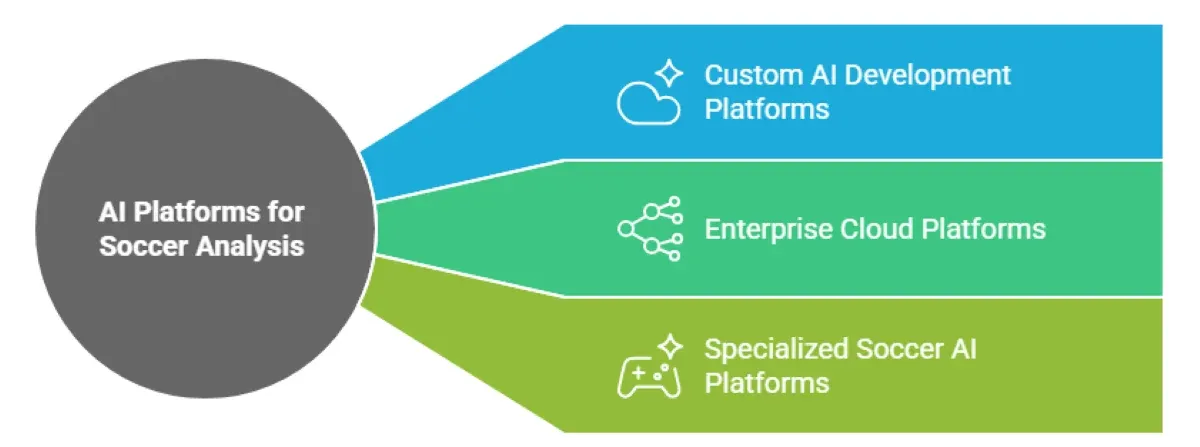
Modern soccer analysis requires sophisticated technology that can process multiple data streams simultaneously while delivering insights coaches can actually use during matches and training sessions.
Organizations building their own AI systems gain complete control over features, data processing methods, and integration capabilities. They align perfectly with their specific needs and tactical approaches.
Delivers custom AI solutions specifically designed for soccer organizations seeking tailored performance analysis tools. Teams get personalized dashboards, automated video tagging, and predictive models built around their unique tactical philosophies and operational requirements.
Custom platforms allow clubs to define their own key performance indicators based on playing style and strategic objectives. Organizations can track specific metrics like pressing intensity, passing networks, or defensive positioning that matter most to their tactical approach.
AI-powered video analysis systems automatically identify and tag critical match events, including goals, defensive actions, set pieces, and tactical transitions. Coaches receive frame-accurate analysis that highlights key moments without spending hours reviewing footage manually.
Live data processing during matches provides instant feedback on formation changes, player positioning, and tactical effectiveness. Coaching staff can make informed substitutions and strategic adjustments based on objective performance data rather than subjective observations.
Machine learning models forecast player fatigue levels, injury risks, and performance trends based on historical data and current workload. Teams can optimize training schedules, manage player rotation, and prevent injuries through data-driven decision-making.
Major technology companies offer comprehensive AI infrastructure that soccer organizations can adapt for their specific analytical needs without building systems from scratch.
Advanced machine learning capabilities process video footage, player tracking data, and performance metrics through Google Cloud infrastructure, enabling teams to access research applications for strategic planning.
Real-time streaming analytics handle live match data while SageMaker enables custom model development for specific organizational requirements, with AWS infrastructure automatically scaling to accommodate varying data loads.
Cloud-based AI services provide real-time analytics, machine learning models, and cognitive services for comprehensive sports data analysis, offering seamless integration with existing Microsoft enterprise systems.
AI-powered platform offers natural language processing, predictive analytics, and deep learning capabilities for tactical insights and performance optimization. They leverage IBM's advanced cognitive computing technologies for sports intelligence.
Enterprise-grade platform delivers automated reporting, predictive modeling, and integrated data visualization tools for professional sports organizations worldwide. They provide comprehensive database management and analytics capabilities.
Industry-focused solutions offer deep functionality specifically designed for soccer analysis, providing expertise and features that general-purpose platforms might not include.
Platforms that process live match data to provide instant tactical insights, formation analysis, and performance alerts during games. These systems help coaching staff make informed decisions when timing and accuracy matter most for competitive success.
Automated systems that extract tactical information from broadcast footage or training videos without requiring specialized camera equipment. Advanced algorithms track player movements, identify formations, and recognize specific events like passes, shots, and defensive actions.
Health-focused AI systems that monitor player workload, analyze movement patterns, and predict injury risks through continuous data collection. These platforms help medical staff and coaches maintain player fitness while preventing overexertion and related injuries.

Traditional analysis methods create bottlenecks that prevent teams from accessing the insights they need to compete effectively in today's data-driven soccer environment.
Manual observation during matches provides incomplete information about player positioning, formation effectiveness, and tactical patterns. Coaches must make critical decisions based on partial data rather than complete performance analysis.
Traditional video review takes hours or days to complete, preventing teams from making rapid strategic changes based on recent performance data. Quick tactical adaptations become impossible when analysis lags behind actual events.
Human observation introduces bias and inconsistency in player assessment. This makes it difficult to compare performances objectively or identify subtle improvement opportunities that data analysis might reveal.
Teams gather data from multiple sources, including GPS trackers, video analysis, and performance monitoring systems, but struggle to synthesize this information into coherent strategic guidance for coaching staff.
Human analysts can only process limited amounts of data within practical timeframes, creating bottlenecks that delay insight generation and reduce the strategic value of available performance information.
Artificial intelligence addresses traditional analysis limitations by automating data processing, providing real-time insights, and enabling proactive decision-making that improves team performance.
AI systems combine information from multiple sources, including video footage, GPS tracking, and performance metrics, to create complete player and team profiles without human intervention or delays.
Advanced algorithms identify tactical trends, performance correlations, and strategic opportunities that human analysts might miss due to the complexity and volume of available data.
Automated analysis removes subjective bias from performance assessment, providing objective metrics that coaches can trust for strategic decision-making and player development planning.
AI algorithms analyze movement patterns, workload data, and historical injury information to identify players at risk before problems develop. Teams can adjust training loads and recovery protocols to maintain player availability.
Machine learning models predict how individual players and team tactics will perform under different conditions, helping coaches make informed decisions about lineup selection and strategic approaches.
Modern AI platforms must include specific capabilities that address the unique requirements of soccer analysis while integrating seamlessly with existing club operations.
AI systems analyze formation effectiveness, player positioning, and strategic execution in real-time, providing coaches with objective information about tactical performance during matches.
Continuous tracking of player metrics, including distance covered, sprint speed, and heart rate, enables immediate intervention when fatigue or performance issues develop.
AI platforms generate notifications when specific conditions occur, such as tactical vulnerabilities, player fatigue indicators, or strategic opportunities that require immediate attention.
Modern platforms provide standardized interfaces that connect with existing databases, video systems, and performance monitoring tools without requiring complete technology replacement.
Scalable infrastructure automatically adjusts to handle varying data loads from training sessions, matches, and tournaments while maintaining consistent performance levels.
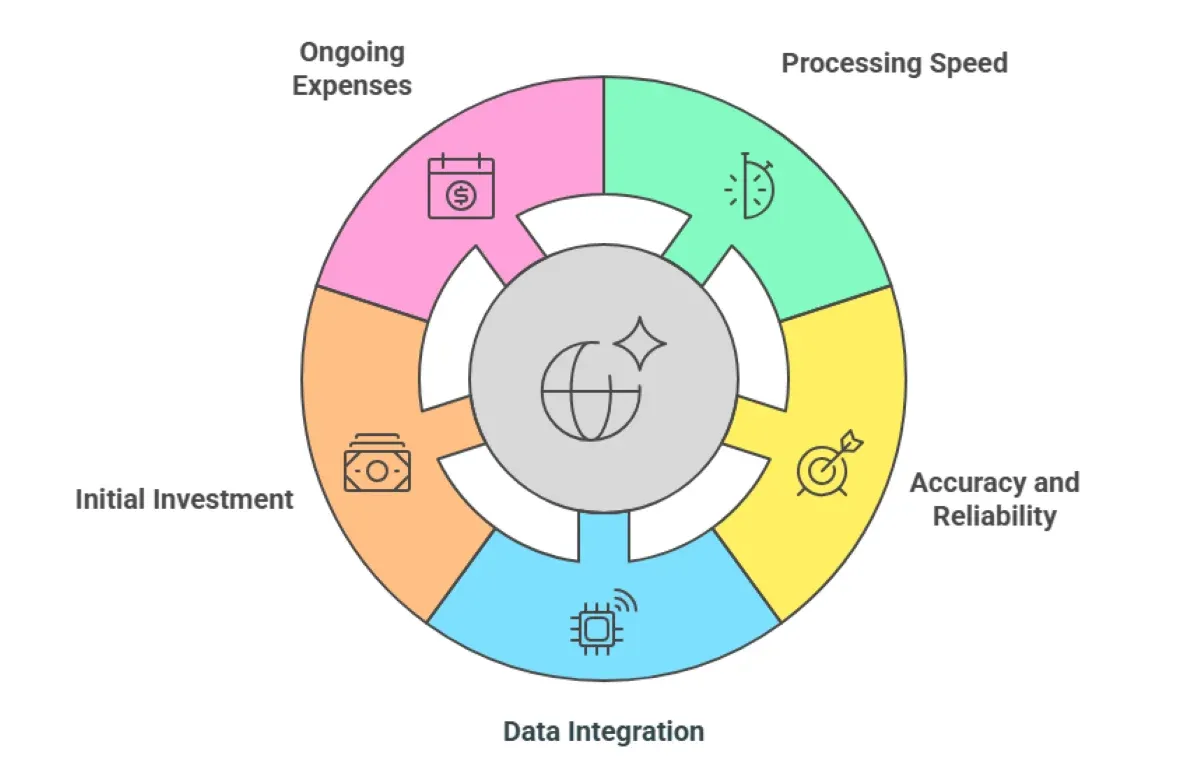
Choosing an appropriate AI solution requires careful evaluation of organizational requirements, technical capabilities, and long-term strategic objectives to ensure maximum return on investment.
Platforms must handle real-time data streams without delays that could impact tactical decision-making during matches or reduce the value of performance insights.
AI algorithms should provide consistent results that coaching staff can trust for strategic planning, player evaluation, and tactical preparation against opponents.
Systems must connect effectively with existing club technology, including video analysis tools, GPS tracking systems, and performance monitoring platforms.
Implementation costs vary significantly based on organizational size and feature requirements, ranging from basic packages at $50,000 annually to enterprise solutions exceeding $500,000, as the sports analytics market projects USD 41.00 billion revenue by 2033.
Monthly or annual fees for cloud services, software updates, and technical support affect long-term affordability and total cost of ownership calculations.
Emerging technologies will introduce new capabilities that further enhance tactical analysis, player development, and fan engagement experiences throughout the soccer industry.
Improved image processing will extract more detailed information from standard video sources, reducing dependence on specialized camera equipment while increasing analytical depth.
AI-powered movement analysis will provide detailed insights into player technique, injury risk factors, and performance optimization opportunities through precise motion tracking.
AI systems will provide continuous tactical recommendations, player development guidance, and strategic insights throughout matches and training sessions.
Long-term forecasting will predict player career trajectories, tactical evolution trends, and strategic outcomes with greater accuracy and longer time horizons.
Seamless connectivity between AI platforms and player monitoring equipment will provide complete performance pictures without requiring separate analysis systems.

The best AI tool depends on your specific needs, but custom AI development platforms like Folio3 AI offer tailored solutions that address unique organizational requirements better than generic off-the-shelf options.
AI automates data processing, provides real-time insights, eliminates subjective biases, and identifies patterns invisible to human analysis, enabling more informed tactical and strategic decisions.
AI can forecast match probabilities based on historical data, current form, and tactical matchups, but soccer's inherent unpredictability means predictions are probabilistic rather than definitive.
Clubs use AI to analyze performance data across multiple leagues, identify undervalued talent, compare players objectively, and predict future performance potential based on current metrics.
Costs vary significantly based on features, customization level, and organizational size. The global sports analytics market is projected to reach USD 41.00 billion by 2033, reflecting substantial industry investment in these technologies.
AI monitors workload patterns, identifies fatigue indicators, analyzes biomechanical data, and predicts injury risks, enabling proactive interventions to maintain player health and availability.
Essential features include real-time analysis, video automation, predictive analytics, custom metrics, integration capabilities, and scalability to support organizational growth and evolution.
Folio3 AI delivers tailored solutions that address specific organizational challenges, provide end-to-end development support, and offer deep sports technology expertise for maximum competitive advantage.