
Loading...
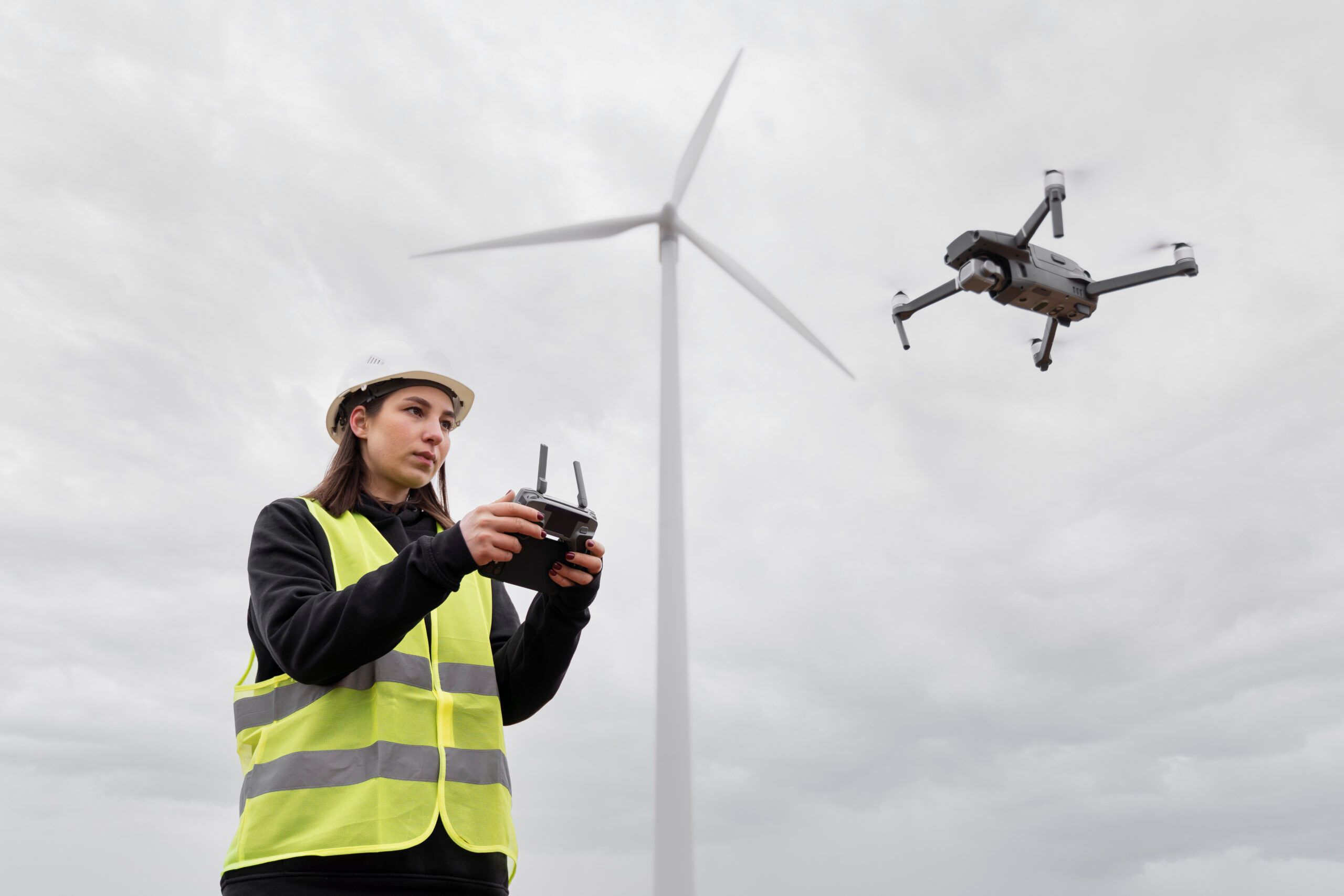
Drone inspection technology is transforming industries by making inspections safer, faster, and more cost-effective. Unlike traditional methods that demand heavy manpower and expose workers to risks, drones deliver accurate data in real time, without delays or hazards. Today, sectors like renewable energy, agriculture, construction, and emergency services rely on drone inspections to boost efficiency, cut costs, and improve safety.
Drone inspection involves deploying unmanned aerial vehicles equipped with advanced sensors, cameras, and analytical tools to examine infrastructure, equipment, and environments.
This technology enables remote assessment of assets without requiring human presence in potentially dangerous or hard-to-reach locations.
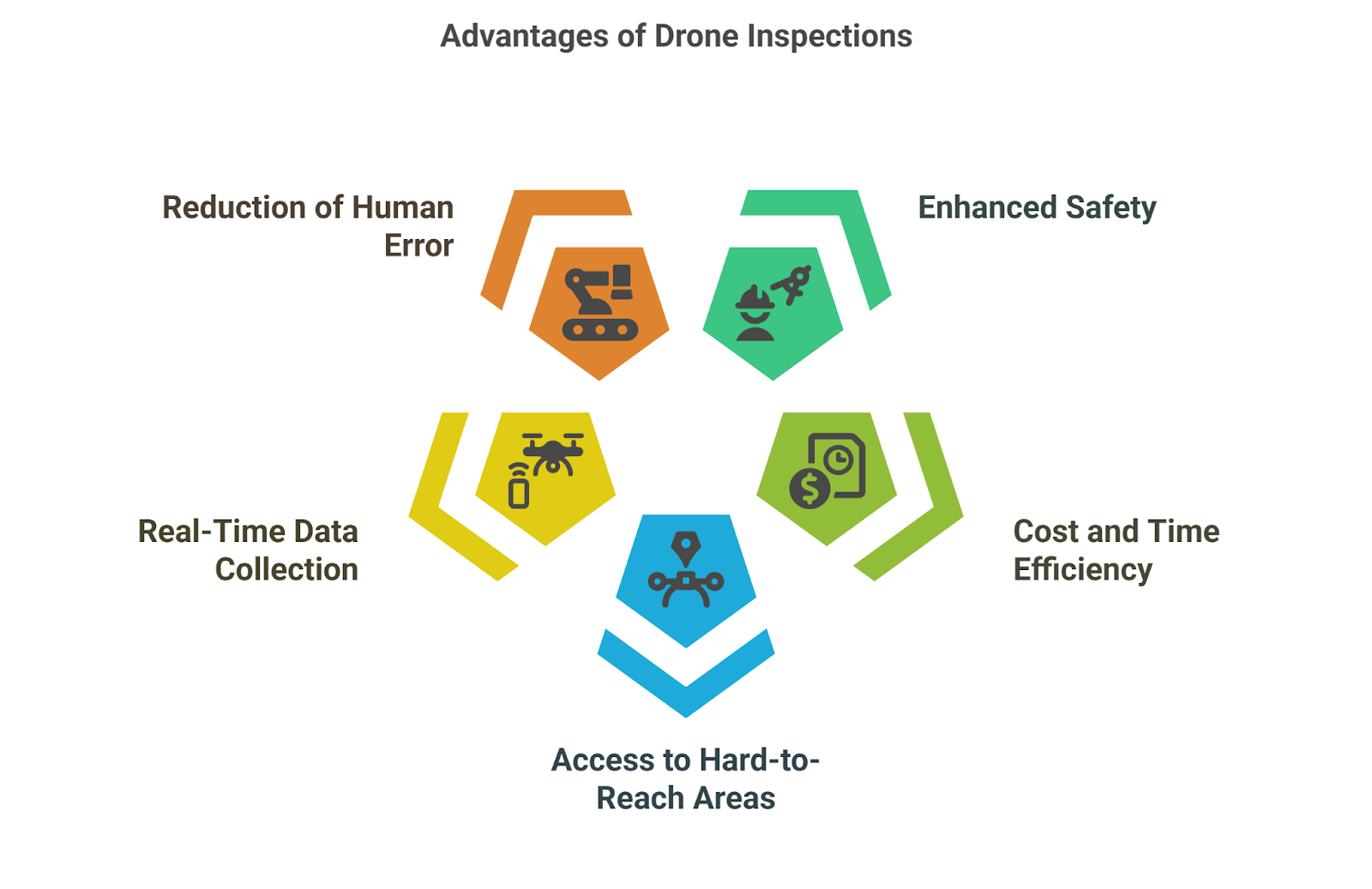
Modern drone inspection systems deliver many advantages across industries, improving traditional assessment methods while enhancing safety protocols and operational efficiency.
Enhanced Safety: Eliminates worker exposure to dangerous heights, hazardous environments, and toxic chemicals while enabling live electrical system inspections without shutdowns
Cost and Time Efficiency: Reduces inspection time from days to hours while eliminating expensive scaffolding and minimizing operational downtime considerably
Access to Hard-to-Reach Areas: Inspects tall structures, confined spaces, underwater locations, and dangerous terrain that are impossible for traditional inspection methods
Real-Time Data Collection and Analytics: Streams live video feeds while capturing high-resolution imagery and processing data using AI algorithms for immediate decision-making
Reduction of Human Error: Eliminates subjective interpretation through standardized protocols and automated analysis, maintaining consistent inspection quality regardless of operator experience.
Successful drone inspection operations depend on integrated systems combining advanced hardware, intelligent software, and regulatory compliance to deliver reliable, actionable data.
Understanding drone platforms helps optimize inspection missions for specific environments and requirements while ensuring maximum operational efficiency.
Fixed-wing drones excel in large-area mapping with extended flight times up to several hours.
Multirotor drones provide precise hovering capabilities ideal for detailed structural inspections.
Hybrid VTOL systems combine fixed-wing efficiency with multirotor precision for versatile operations.
Specialized indoor drones navigate confined spaces using collision avoidance and LED lighting systems.
Advanced sensor integration turns basic drones into sophisticated inspection platforms capable of detecting various defects and anomalies.
High-resolution RGB cameras capture detailed visual imagery for structural assessment and documentation.
Thermal imaging sensors detect temperature variations, indicating electrical faults or insulation issues.
LiDAR systems generate precise 3D point clouds for accurate dimensional measurements.
Multispectral sensors analyze vegetation health and identify material composition differences.
Intelligent software platforms convert raw drone data into actionable insights through automated analysis and comprehensive reporting capabilities.
Photogrammetry software creates detailed 3D models from overlapping photographs for structural analysis.
AI-powered analysis tools automatically detect cracks, corrosion, and other defects in imagery
Cloud-based platforms enable remote data processing and collaborative inspection report generation.
Integration APIs connect drone data with existing asset management and maintenance systems
Regulatory compliance ensures safe, legal drone operations while maintaining industry standards and protecting public safety interests.
FAA Part 107 certification is required for commercial drone operations in the United States
BVLOS waivers are necessary for beyond visual line of sight inspection missions
Airspace authorization is needed near airports, restricted zones, and controlled airspace
Industry-specific standards like API, ASME guidelines govern inspection protocols and reporting
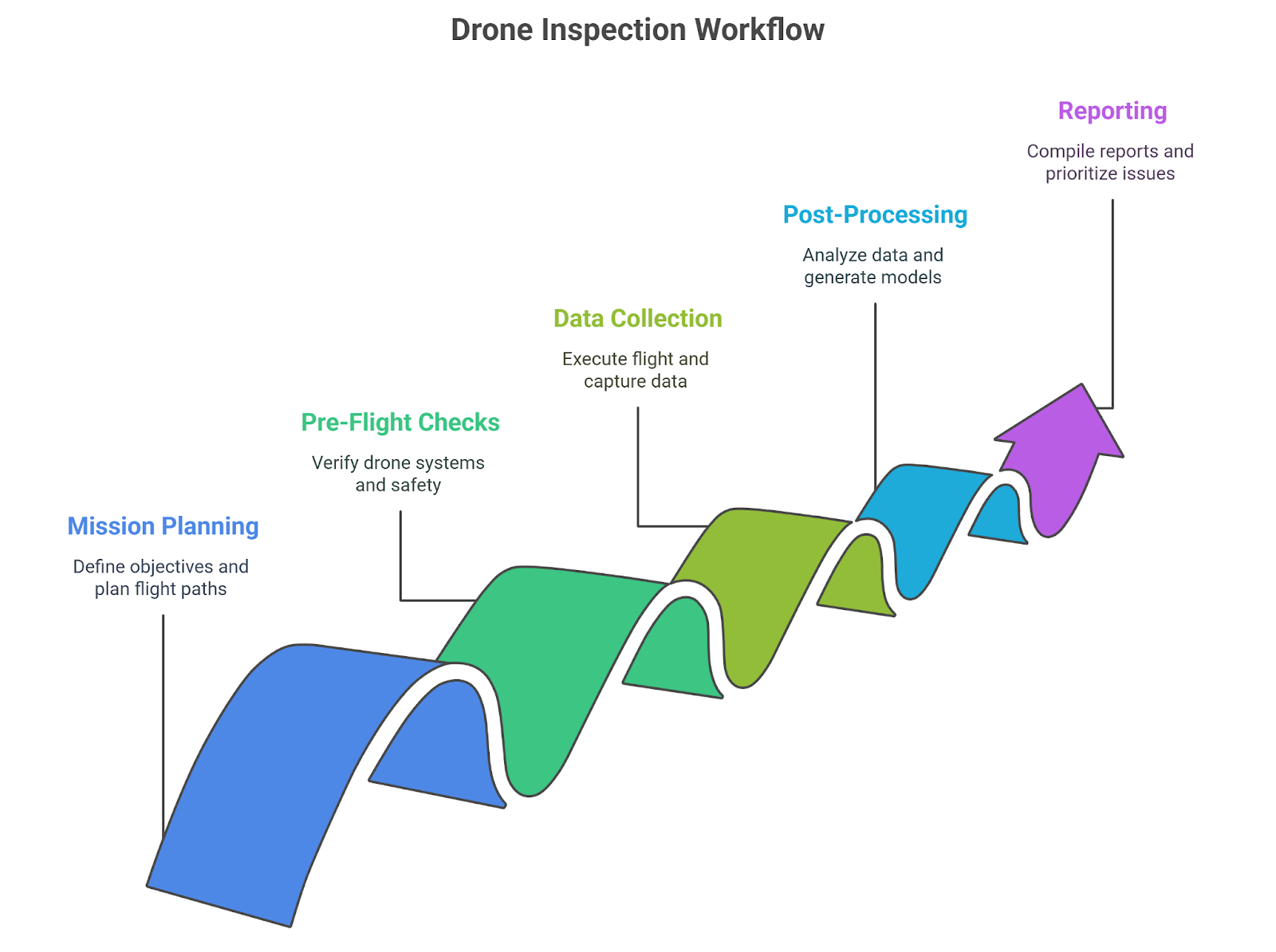
Systematic inspection workflows ensure consistent, reliable results while maximizing safety and efficiency throughout the entire drone inspection process.
Mission Planning: Define inspection objectives, analyze weather conditions and airspace restrictions, plan optimal flight paths considering battery life and regulatory constraints
Pre-Flight Checks: Verify drone systems and sensors are functioning correctly, check battery levels and payload calibration while confirming weather meets safety requirements
Data Collection: Execute planned flight patterns, maintaining consistent altitude, monitor real-time feeds, and capture overlapping imagery with GPS coordinates and timestamps
Post-Processing and Analysis: Transfer data to secure systems, generate 3D models and reports, apply AI algorithms for defect detection while validating results
Reporting and Decision-Making: Compile comprehensive reports with visual evidence, prioritize issues by severity, distribute findings to stakeholders and schedule necessary repairs
Drone inspection applications span diverse industries, each using specialized capabilities to address unique operational challenges and safety requirements.
AI-powered solar panel inspection technology improves renewable energy maintenance through automated defect detection and performance optimization.
Thermal cameras identify hotspots indicating damaged cells or electrical connections, enabling immediate repair intervention and preventing system-wide performance degradation issues.
High-resolution imagery detects dust, debris, and vegetation affecting panel performance while shading analysis identifies obstructions reducing energy output throughout seasons.
Predictive maintenance reduces unexpected failures, extends system lifespan, and prevents minor issues from becoming costly repairs through data-driven scheduling optimization.
AI wind turbine inspection systems provide comprehensive blade analysis and structural assessment capabilities for optimal renewable energy operations.
Ultra-high resolution cameras capture detailed blade surface conditions from multiple angles while automated flight patterns ensure complete coverage of components.
AI algorithms automatically identify cracks, edge damage, and surface erosion patterns, while lightning strike detection prevents catastrophic failures through intervention.
Rapid inspection completion reduces turbine shutdown time considerably compared to manual methods, while condition-based maintenance scheduling prevents unexpected production losses.
Specialized search and rescue drones provide life-saving capabilities in emergencies requiring rapid response and accurate victim location.
Quick deployment capabilities reach disaster areas within minutes, while all-weather operation enables search missions during challenging environmental conditions, eliminating personnel risks.
Thermal cameras detect human body heat signatures through vegetation and debris, while night vision capabilities extend search operations beyond daylight hours.
Real-time video streaming guides ground rescue teams to victim locations precisely, while two-way communication systems enable coordination between operations.
Advanced terrain mapping solutions deliver precise topographical data for construction, geological studies, and urban development planning.
Photogrammetry creates detailed 3D models from overlapping aerial photographs with centimeter accuracy, while LiDAR technology penetrates vegetation, providing elevation measurements.
Digital elevation models support flood risk assessment and drainage planning, while contour mapping provides essential data for construction site preparation.
Construction progress monitoring tracks project development against planned schedules while geological surveys identify mineral deposits and assess environmental impact risks.
Intelligent livestock management systems enhance agricultural efficiency through automated animal monitoring and health assessment capabilities.
Automated counting algorithms provide accurate livestock inventories across large pasture areas while movement pattern analysis identifies grazing behavior and efficiency.
Behavioral analysis identifies sick or injured animals requiring immediate veterinary attention, while body condition scoring assists in nutrition management decisions.
Automated monitoring eliminates need for daily manual livestock checks across vast areas while remote observation capabilities reduce labor costs considerably.
Despite significant advantages, drone inspection technology faces several operational constraints requiring careful consideration and strategic planning for successful implementation.
Strong winds, rain, and extreme temperatures considerably impact flight safety, while limited battery life restricts mission duration.
Complex airspace regulations and restricted zones near airports create compliance challenges requiring permits and operational limitations.
High-resolution imagery may capture sensitive information, and wireless transmission creates potential vulnerabilities requiring robust security measures.
Certified pilots require extensive training and technical expertise, and maintenance demands skilled technicians familiar with complex systems.
High initial investment in drones and sensors, plus ongoing maintenance expenses, can be prohibitive for smaller organizations.
Selecting appropriate drone platforms and supporting technology ensures optimal inspection results while maximizing return on investment for specific operational requirements.
Infrastructure inspections require stable multirotor platforms with high-resolution cameras and extended flight times.
Large-area mapping missions benefit from fixed-wing drones offering extended range and endurance.
Indoor confined space inspections need compact drones with collision avoidance and LED lighting.
Thermal inspections require drones with excellent payload capacity for a specialized thermal imaging sensor.
Emergency response situations demand rugged, all-weather drones with rapid deployment capabilities.
AI drone inspection software provides automated defect detection and comprehensive reporting capabilities
Pix4D offers professional photogrammetry and mapping solutions for engineering applications.
DroneDeploy delivers cloud-based processing and collaboration tools for team-based inspection projects
Agisoft Metashape creates detailed 3D models from aerial imagery for structural analysis
Custom AI solutions provide industry-specific automated analysis and predictive maintenance capabilities
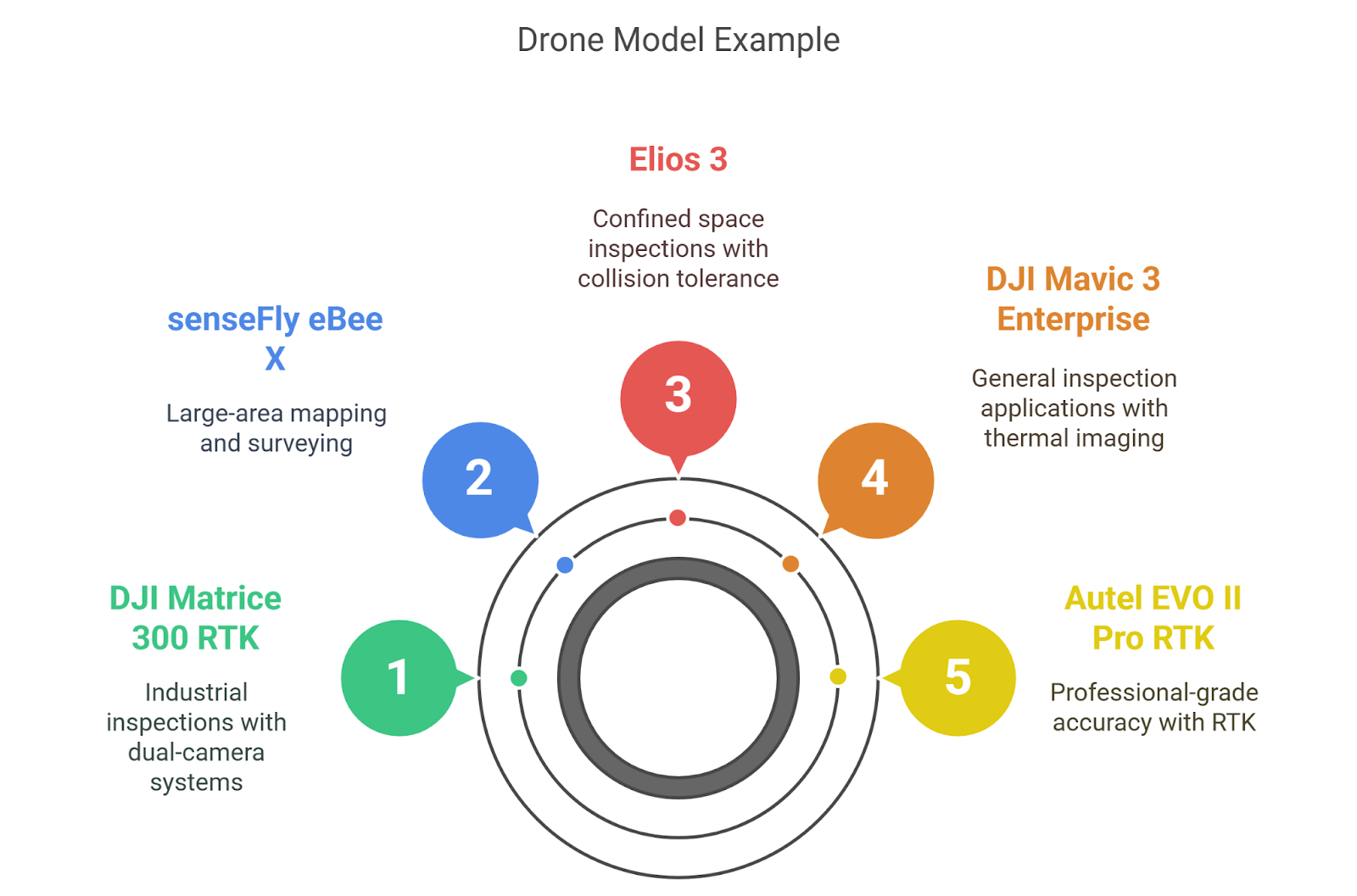
DJI Matrice 300 RTK excels in industrial inspections with dual-camera systems and extended flight time
senseFly eBee X provides fixed-wing efficiency for large-area mapping and surveying missions
Elios 3 specializes in confined space inspections with collision tolerance and advanced lighting
DJI Mavic 3 Enterprise offers portability and thermal imaging for general inspection applications
Autel EVO II Pro RTK delivers professional-grade capabilities with centimeter-level positioning accuracy
Drone inspection technology represents a significant shift in how industries approach safety, efficiency, and data collection across diverse operational environments.
From solar panel performance optimization to emergency search and rescue missions, industrial drone inspection solutions deliver unprecedented capabilities while reducing costs and risks considerably.
The integration of AI-powered analysis, advanced sensor technology, and cloud-based processing platforms creates comprehensive inspection ecosystems that enhance decision-making and predictive maintenance strategies.
{ "@context": "https://schema.org", "@type": "FAQPage", "mainEntity": [ { "@type": "Question", "name": "How much does a drone inspection cost?", "acceptedAnswer": { "@type": "Answer", "text": "Drone inspection costs vary from $500 to $5,000 per mission, depending on factors like flight time, data processing, specialized sensors, and reporting requirements." } }, { "@type": "Question", "name": "Do I need a license to operate a drone for inspections?", "acceptedAnswer": { "@type": "Answer", "text": "Yes. In the U.S., commercial drone operators need an FAA Part 107 Remote Pilot Certificate, with additional certifications required for specialized operations such as BVLOS flights." } }, { "@type": "Question", "name": "How do drone inspections work?", "acceptedAnswer": { "@type": "Answer", "text": "Drones collect high-resolution images, videos, and sensor data like thermal or LiDAR, which are processed using AI or software to detect anomalies and generate actionable reports." } }, { "@type": "Question", "name": "What are the benefits of using drone inspections?", "acceptedAnswer": { "@type": "Answer", "text": "Drone inspections enhance safety, reduce costs, provide real-time accurate data, and minimize downtime compared to manual inspections." } }, { "@type": "Question", "name": "Which industries commonly use drone inspections?", "acceptedAnswer": { "@type": "Answer", "text": "Industries like construction, energy, agriculture, mining, telecommunications, and infrastructure use drones for visual monitoring, compliance audits, and maintenance planning." } }, { "@type": "Question", "name": "How accurate are drone inspections compared to manual methods?", "acceptedAnswer": { "@type": "Answer", "text": "Drone inspections can achieve 95–99% accuracy. AI-powered analytics improve defect detection for corrosion, leaks, or structural issues beyond traditional checks." } }, { "@type": "Question", "name": "Are drone inspections safer than traditional inspections?", "acceptedAnswer": { "@type": "Answer", "text": "Yes. Drones reduce human exposure to hazardous areas like rooftops, towers, and confined spaces, lowering the risk of injury significantly." } }, { "@type": "Question", "name": "What types of sensors do inspection drones use?", "acceptedAnswer": { "@type": "Answer", "text": "Sensors include thermal cameras, LiDAR, RGB cameras, and multispectral sensors, used for detecting heat, mapping, visual imaging, and agriculture monitoring." } }, { "@type": "Question", "name": "Can drone inspections reduce operational costs?", "acceptedAnswer": { "@type": "Answer", "text": "Yes. Drones can reduce labor, equipment rental, and downtime costs, with companies reporting up to 50% savings compared to manual inspection processes." } }, { "@type": "Question", "name": "What regulations apply to commercial drone inspections?", "acceptedAnswer": { "@type": "Answer", "text": "Regulations vary globally. In the U.S., FAA Part 107 governs drone operations, while EASA (EU) and local aviation authorities set similar standards for certification and safety." } }, { "@type": "Question", "name": "Do drone inspections require special software or training?", "acceptedAnswer": { "@type": "Answer", "text": "Yes. Drone operations use flight planning software and AI-driven analysis tools. Training is required for piloting and interpreting inspection data effectively." } } ] }
Drone inspection costs vary considerably based on project scope, equipment requirements, and complexity, typically ranging from $500 to $5,000 per mission. Factors including flight time, data processing, specialized sensors, and reporting requirements influence final pricing structures.
Commercial drone operations require an FAA Part 107 Remote Pilot Certificate in the United States, obtained through a written examination and a background check. Additional certifications may be required for specialized operations like BVLOS flights or operations in controlled airspace.
Drones capture high-resolution images, videos, and sensor data (thermal, LiDAR, or multispectral). This data is processed using AI or specialized software to detect anomalies, generate reports, and provide actionable insights.
Drone inspections improve safety by reducing human exposure to hazardous locations, lowering costs through automation, and delivering more precise, real-time data. They also reduce downtime compared to manual inspections.
Industries include construction, energy (wind, solar, oil & gas), agriculture, mining, telecommunications, and infrastructure management. Drones are widely used for visual monitoring, compliance audits, and maintenance planning.
Drone inspections can achieve 95–99% accuracy depending on the sensors used. AI-powered analytics further enhance detection of defects, corrosion, leaks, or structural damage compared to traditional visual checks.
Yes. They eliminate the need for workers to access hazardous environments like rooftops, towers, or confined spaces, significantly reducing injury risks.
Common sensors include thermal cameras (for heat detection), LiDAR (for mapping), RGB cameras (for visuals), and multispectral sensors (for agriculture and environmental monitoring).
Absolutely. Drones cut labor, equipment rental, and downtime costs. Companies often report up to 50% cost savings when replacing manual inspections with UAVs.
Regulations vary by country, but typically include FAA Part 107 (US), EASA (EU), or local aviation authority rules. They govern drone pilot certification, flight zones, and operational safety.
Yes. Operators use drone flight software for mission planning and AI-based platforms for data analysis. Training is often needed for drone piloting and interpreting inspection data.