
Loading...
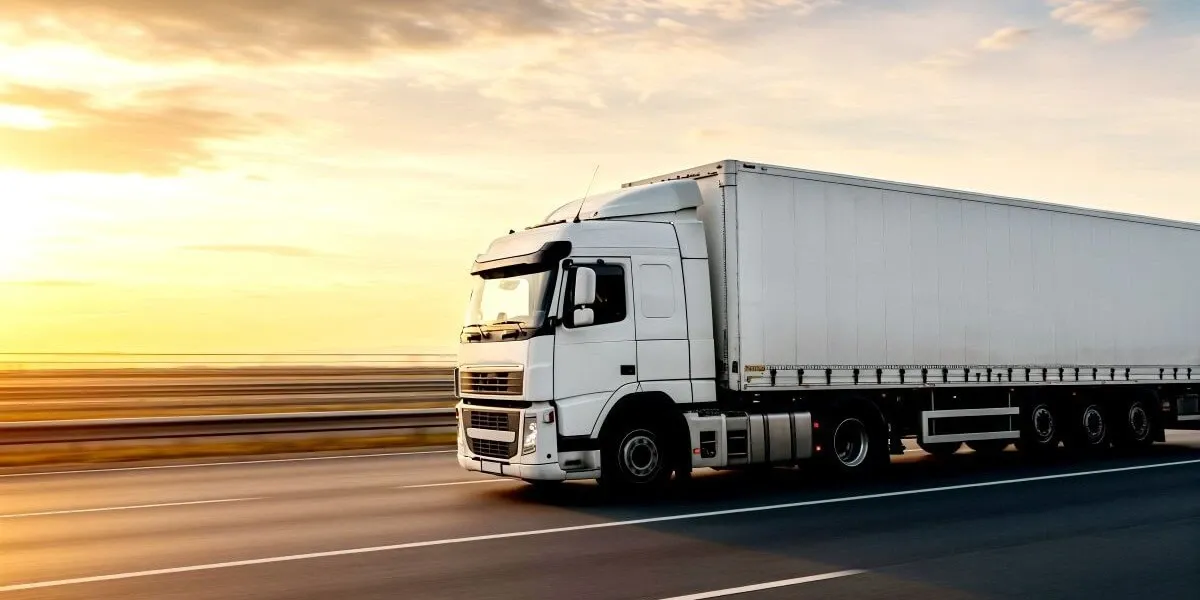
The waste management industry processes more than 292.4 million tons of municipal solid waste annually in the United States, making efficient fleet optimization a critical priority for waste management companies. Cities and private collectors are discovering that combining smart waste data with fleet management systems creates opportunities for significant cost savings and operational improvements.
When IoT sensors communicate directly with routing software, collection becomes predictable rather than reactive. This integration represents an evolution in waste management technology, in which data-driven decisions replace guesswork and manual scheduling.
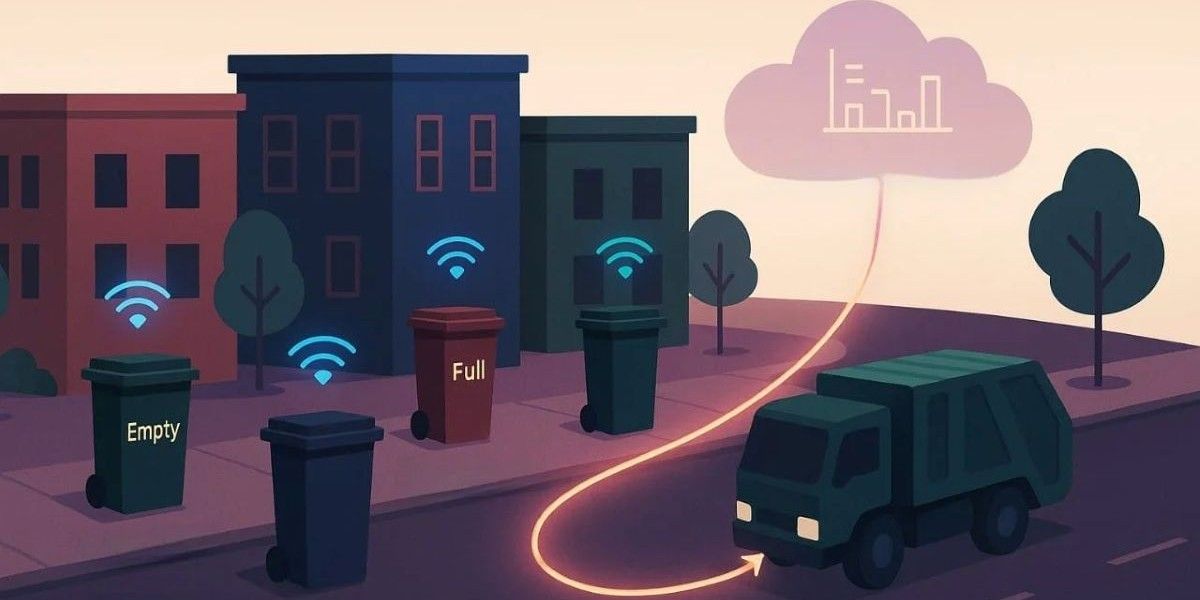
Smart waste data transforms traditional collection operations by providing real-time insights into bin status, waste patterns, and collection needs. This information comes from IoT sensors installed in waste containers that continuously monitor fill levels, detect waste types, and track pickup frequency patterns across different locations.
Modern sensors use ultrasonic or weight-based technologies to measure bin capacity in real-time. These devices transmit data wirelessly, providing accurate fill percentages that help determine optimal collection timing without visual inspections.
Advanced sensors distinguish between different waste types and measure daily volume changes. This data reveals usage patterns, peak disposal times, and seasonal variations that inform collection scheduling decisions.
Historical data analysis identifies bins that fill faster or slower than expected. This information allows waste managers to adjust collection schedules, reducing unnecessary trips while preventing overflow situations.
Geographic data mapping shows which areas generate more waste during specific periods. For example, restaurants produce more waste on weekends, while office buildings peak during weekdays, enabling targeted scheduling approaches.
Smart sensors detect when bins require cleaning, repairs, or replacement based on usage patterns and sensor performance. This proactive approach prevents service disruptions and extends equipment life.
Fleet management technologies provide the operational backbone that coordinates vehicle movements, monitors driver performance, and maintains equipment health. These systems collect massive amounts of data about vehicle location, fuel consumption, route efficiency, and maintenance needs that can be enhanced through waste data integration.
Real-time GPS monitoring shows exact vehicle locations and enables dynamic route adjustments based on traffic conditions. Advanced routing algorithms calculate the most efficient paths between collection points, reducing travel time and fuel consumption.
Telematics devices track acceleration patterns, braking habits, and speed compliance to identify areas for driver improvement. This monitoring helps reduce vehicle wear, lower insurance costs, and improve safety records across the fleet.
Predictive maintenance systems monitor engine performance, hydraulic functions, and wear patterns to schedule repairs before breakdowns occur. Early detection prevents costly emergency repairs and reduces vehicle downtime during peak collection periods.
Fleet systems measure fuel consumption across different routes and driving conditions. This data helps identify the most fuel-efficient vehicles for specific routes and provides insights for driver training programs.
Comprehensive dashboards display key performance metrics including route completion times, fuel usage, and maintenance costs. These reports help fleet managers identify trends and make data-driven decisions about vehicle deployment and replacement.
Separate waste monitoring and fleet management systems create operational blind spots that reduce efficiency and increase costs. When these systems work independently, valuable opportunities for optimization remain hidden in disconnected data silos.
Without integration, fleet managers rely on scheduled routes rather than actual need. Trucks visit empty bins while full containers overflow, wasting fuel and creating customer complaints about missed collections.
Isolated systems prevent managers from seeing the complete operational picture. Fleet data shows where trucks go, while waste data shows what needs collection, but combining both reveals optimization opportunities.
Connected systems enable dynamic route adjustments based on current bin status. When sensors detect full containers, the system can immediately redirect the nearest available truck for collection.
Integration allows managers to match vehicle capacity with actual waste volumes. Smaller trucks can handle light collection days while larger vehicles deploy for high-volume routes.
Unified systems provide accurate pickup times and service status updates. Customers receive proactive notifications about collection delays or schedule changes based on real-time operational data.
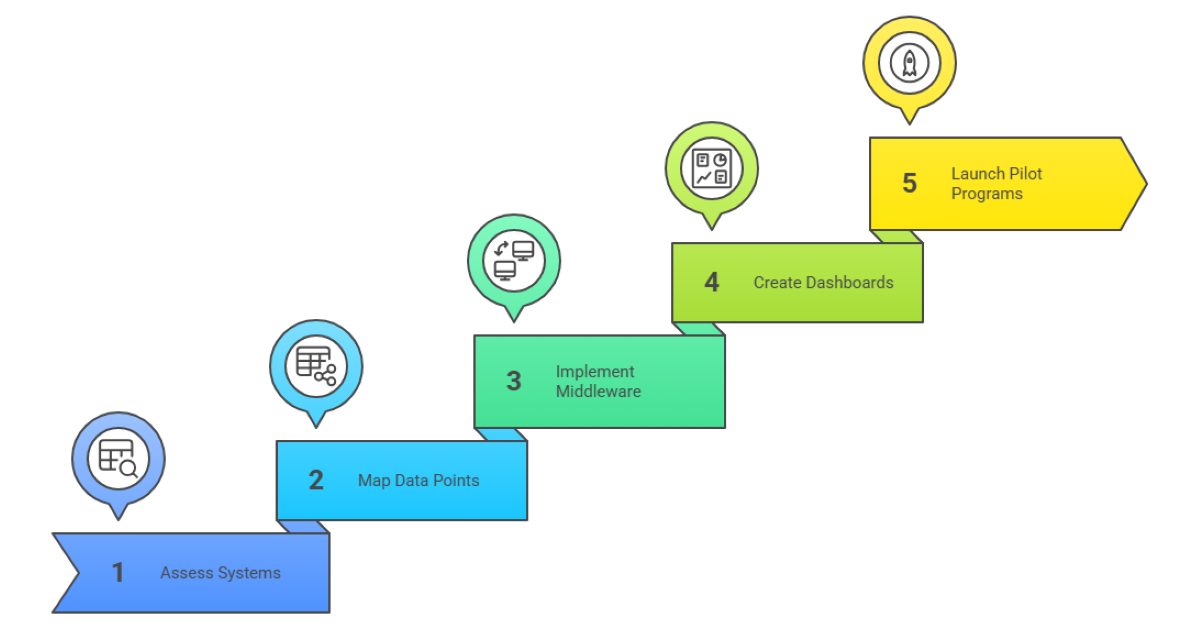
Successful integration requires careful planning and systematic implementation to ensure compatibility between existing systems and new data sources. This structured approach minimizes disruption while maximizing the benefits of connected waste and fleet operations.
Begin by documenting existing technology capabilities, data formats, and integration options. Evaluate sensor coverage, fleet management features, and identify gaps that need addressing before connecting systems.
Define how waste sensor information will connect to fleet routing systems. Establish data relationships between bin locations, fill levels, and vehicle assignments to create meaningful operational insights.
Deploy integration software that enables communication between waste monitoring and fleet management platforms. Configure data flows, establish security protocols, and test connections to ensure reliable information exchange.
Build centralized displays that combine waste and fleet data into actionable insights. Set up automated alerts for full bins, route deviations, and maintenance needs that require immediate attention.
Start with limited routes or geographic areas to test integration effectiveness. Collect feedback from drivers and dispatchers, then refine algorithms and processes based on real-world performance data.
Connected systems deliver measurable improvements in operational efficiency, cost reduction, and customer satisfaction that justify implementation investments. These benefits compound over time as algorithms learn and optimize performance.
Route optimization savings: Dynamic routing eliminates unnecessary stops, reducing travel distance and decreasing fuel consumption by 15-25% annually.
Labor cost reduction: Smart scheduling cuts collection frequency for slow-filling bins, reducing labor costs by 20-30% through efficiency.
Enhanced customer service: Integrated systems provide accurate pickup notifications and proactive communication, significantly improving satisfaction and reducing complaints.
Data-driven decision making: Unified data enables comprehensive reporting on performance, costs, and quality metrics for strategic planning.
Sustainability goal achievement: Systems track fuel consumption, route efficiency, and waste diversion rates for environmental progress monitoring.
Integration projects face technical, organizational, and operational obstacles that require strategic planning and careful execution. Understanding these challenges and their solutions helps organizations prepare for successful implementation.
Legacy system compatibility: Older systems lack modern integration capabilities, requiring middleware platforms or phased upgrades to API-enabled systems.
Data standardization issues: Different systems use varying formats, necessitating data mapping protocols and translation layers for seamless exchange.
Staff training requirements: Employees need comprehensive training programs with hands-on practice sessions for effective unified interface usage.
Cybersecurity and privacy risks: Connected systems create vulnerabilities, requiring robust protocols, encrypted transmission, and strict access controls.
Implementation cost concerns: Projects require significant upfront investment with delayed ROI, best managed through value-demonstrating pilot programs.
Fleet optimization transforms waste management operations worldwide through advanced routing algorithms, telematics integration, and data-driven decision-making, delivering measurable improvements in efficiency and cost reduction.
Waste Management Inc. achieved a record 30.5% adjusted operating EBITDA margin in Q3 2024 through comprehensive fleet optimization across its 12,000+ vehicle network, demonstrating significant operational efficiency gains.
Republic Services launched America's first all-electric municipal waste fleet with advanced safety technology, including 360-degree cameras, automated braking, and smart route optimization for enhanced operational performance.
Singapore's National Environment Agency deployed 14 electric vehicles with IoT sensors and side-loader technology, reducing collection rounds by 20% while improving productivity and minimizing carbon footprint.
Organizations need experienced partners to successfully implement integrated waste and fleet management systems that deliver measurable results. Folio3 provides the technical expertise and proven methodologies required for complex integration projects.
Folio3 develops tailored integration platforms that connect waste monitoring systems with fleet management software. Our solutions handle data transformation, real-time processing, and automated decision-making to optimize collection operations.
Our team creates custom middleware that enables communication between older systems and modern platforms. This approach protects existing technology investments while adding smart integration capabilities.
Folio3 builds comprehensive dashboards that combine waste and fleet data into actionable insights. These interfaces provide real-time visibility and automated alerts that improve operational decision-making.
{"@context":"https://schema.org","@type":"FAQPage","mainEntity":[ {"@type":"Question","name":"What is fleet optimization in waste management?","acceptedAnswer":{"@type":"Answer","text":"Fleet optimization in waste management uses technology to improve vehicle routing, reduce fuel consumption, and maximize collection efficiency using GPS tracking, route planning, and predictive maintenance."}}, {"@type":"Question","name":"How does smart waste data improve fleet efficiency?","acceptedAnswer":{"@type":"Answer","text":"Smart waste data enables real-time bin monitoring and dynamic route planning, reducing unnecessary trips and focusing on actual collection needs."}}, {"@type":"Question","name":"How can Folio3 support waste fleet optimization projects?","acceptedAnswer":{"@type":"Answer","text":"Folio3 provides integration services including system assessment, middleware development, dashboards, and ongoing optimization for measurable fleet improvements."}}, {"@type":"Question","name":"How does AI-driven routing help reduce fuel and labor costs?","acceptedAnswer":{"@type":"Answer","text":"AI analyzes historical and real-time data to create optimal routes, reducing fuel costs by 15-25% and labor costs by 20-30% with efficient scheduling."}}, {"@type":"Question","name":"What technologies are used to integrate waste data with fleet software?","acceptedAnswer":{"@type":"Answer","text":"IoT sensors, cloud computing, APIs, middleware, and edge computing enable real-time processing and AI-driven optimization for waste fleet integration."}}, {"@type":"Question","name":"Why is it important to integrate smart bins with fleet tracking systems?","acceptedAnswer":{"@type":"Answer","text":"Integration combines waste generation data with vehicle tracking for dynamic optimization, reducing unnecessary pickups and improving service visibility."}}, {"@type":"Question","name":"How does GPS tracking contribute to smarter waste operations?","acceptedAnswer":{"@type":"Answer","text":"GPS tracking provides real-time vehicle data, enabling route adjustments, accurate notifications, and improved dispatching using waste sensor data."}}, {"@type":"Question","name":"What are the benefits of predictive maintenance in waste fleets?","acceptedAnswer":{"@type":"Answer","text":"Predictive maintenance cuts costs by 10-15%, reduces downtime, and improves fleet reliability by detecting issues early."}}, {"@type":"Question","name":"How can APIs help connect waste data to routing tools?","acceptedAnswer":{"@type":"Answer","text":"APIs automate data flow between waste monitoring and routing tools, syncing fill levels, bin locations, and collection needs for better planning."}}, {"@type":"Question","name":"What are the challenges in integrating legacy fleet systems?","acceptedAnswer":{"@type":"Answer","text":"Legacy systems lack APIs and modern formats. Middleware bridges old and new platforms, or phased upgrades transition to modern solutions."}} ]}
Fleet optimization in waste management uses technology to improve vehicle routing, reduce fuel consumption, and maximize collection efficiency. This includes GPS tracking, route planning software, and predictive maintenance systems that coordinate vehicle movements and monitor performance.
Smart waste data provides real-time information about bin fill levels and collection needs, enabling dynamic route planning based on actual requirements rather than fixed schedules. This reduces unnecessary trips and ensures trucks visit locations that actually need service.
Folio3 provides end-to-end integration services, including system assessment, middleware development, dashboard creation, and ongoing optimization support. Our team has proven experience connecting waste monitoring systems with fleet management platforms for measurable results.
AI algorithms analyze historical data and real-time conditions to calculate optimal routes that minimize travel distance and time. This reduces fuel consumption by 15-25% and labor costs by 20-30% through more efficient resource allocation and scheduling⁸.
Integration relies on IoT sensors, cloud computing, APIs, and middleware platforms that enable communication between different systems. Edge computing processes data locally for real-time decisions, while AI algorithms optimize routing and scheduling.
Integration eliminates operational blind spots by combining waste generation data with vehicle location and routing information. This enables dynamic optimization, reduces unnecessary collections, and improves customer service through better visibility and planning.
GPS tracking provides real-time vehicle location data that enables dynamic route adjustments, accurate customer notifications, and performance monitoring. When combined with waste sensor data, GPS enables intelligent dispatching based on actual collection needs.
Predictive maintenance reduces vehicle downtime by identifying potential problems before they cause breakdowns. This approach typically reduces maintenance costs by 10-15% and improves fleet reliability during critical collection periods⁹.
APIs enable automated data exchange between waste monitoring systems and fleet management platforms. They ensure that fill level information, bin locations, and collection requirements flow seamlessly into routing software for optimal planning.
Legacy systems often lack modern APIs and use incompatible data formats. Organizations can overcome these challenges through middleware solutions that bridge old and new systems, or by planning phased upgrades to modern platforms.