
Loading...
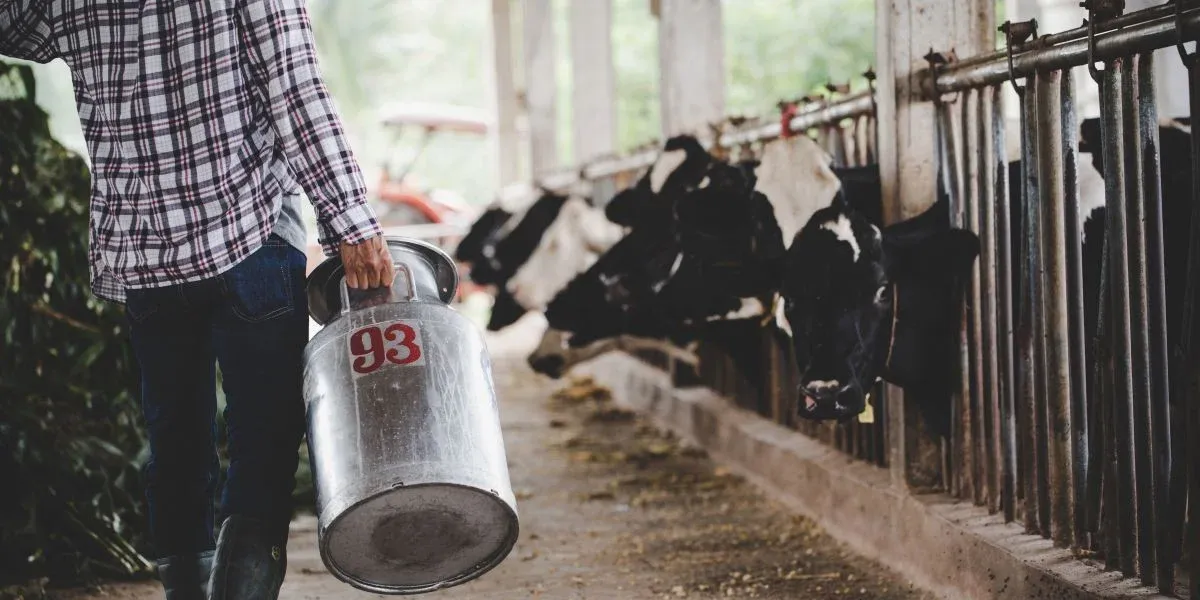
Across open pastures, ranch work begins long before sunrise, with cattle moving as crews handle the daily routine of feeding, care, and counting. It’s a process that has been part of ranch life for generations, yet one of the most common tasks, counting herds, remains surprisingly prone to error. The future of livestock management: AI cattle counting & smart farming is addressing this challenge by bringing precision and efficiency to a task once done by hand.
Even a small mistake adds up fast, with miscounted animals costing operations anywhere from $980 to $1,200 each. For large herds, the financial hit is hard to ignore. That’s why many ranches are turning to technology for help. AI-powered cattle counting systems now deliver accuracy rates of 99.5%, a change that saves money, reduces labor, and gives ranchers a clearer view of their herds in real time.

Emerging technologies continue advancing livestock management capabilities through blockchain integration, artificial intelligence applications, and autonomous robotics that further reduce labor requirements while improving operational efficiency.
NFT-based cattle records provide tamper-proof documentation of animal history from birth through processing, while blockchain integration enables consumers to verify practices.
Smart contracts automate payments and transfers based on verified animal conditions and certifications, reducing transaction costs while ensuring accurate documentation.
Quality assurance programs utilize blockchain records to verify claims about grass-fed, organic, or humane treatment practices through immutable records.
Natural language interfaces allow ranchers to query complex data using simple spoken commands, while voice-activated systems provide instant access to information.
Predictive modeling uses machine learning to forecast market prices, optimal sale timing, and breeding program outcomes through AI-powered recommendations.
Automated report generation creates customized analysis for different stakeholders, including lenders, insurance companies, and certification agencies, based on operational data.
Fully automated feeding systems deliver customized nutrition without human intervention while continuously adjusting portions based on individual animal requirements.
Robotic health monitoring performs routine examinations using computer vision and sensors to detect early illness symptoms with consistent evaluation quality.
Climate control automation maintains optimal environmental conditions through sensor networks and automated adjustment systems that reduce energy costs.
Next-generation sensors provide more detailed health and behavior monitoring through miniaturized devices that track additional vital signs and environmental factors.
Wireless sensor networks eliminate wiring requirements while providing better coverage across large ranch properties with improved battery life and solar charging capabilities.
Machine learning algorithms continue improving through additional data collection that enhances prediction accuracy and reduces false alerts.
Satellite imagery integration provides oversight capabilities for remote pastures and large properties that ground-based systems cannot effectively cover.
GPS tracking systems monitor animal movement patterns across vast areas while identifying unusual behavior that might indicate health problems or predator threats.
Weather monitoring integration provides localized forecasting that enables proactive management decisions for animal welfare and facility protection.
Precision agriculture integration coordinates livestock and crop production for optimal land utilization, while rotational grazing systems benefit from coordinated planning.
Soil health monitoring incorporates grazing impact assessment to optimize pasture management while maintaining long-term land productivity.
Feed crop optimization uses livestock nutrition requirements to guide planting decisions that improve feed quality and reduce transportation costs.
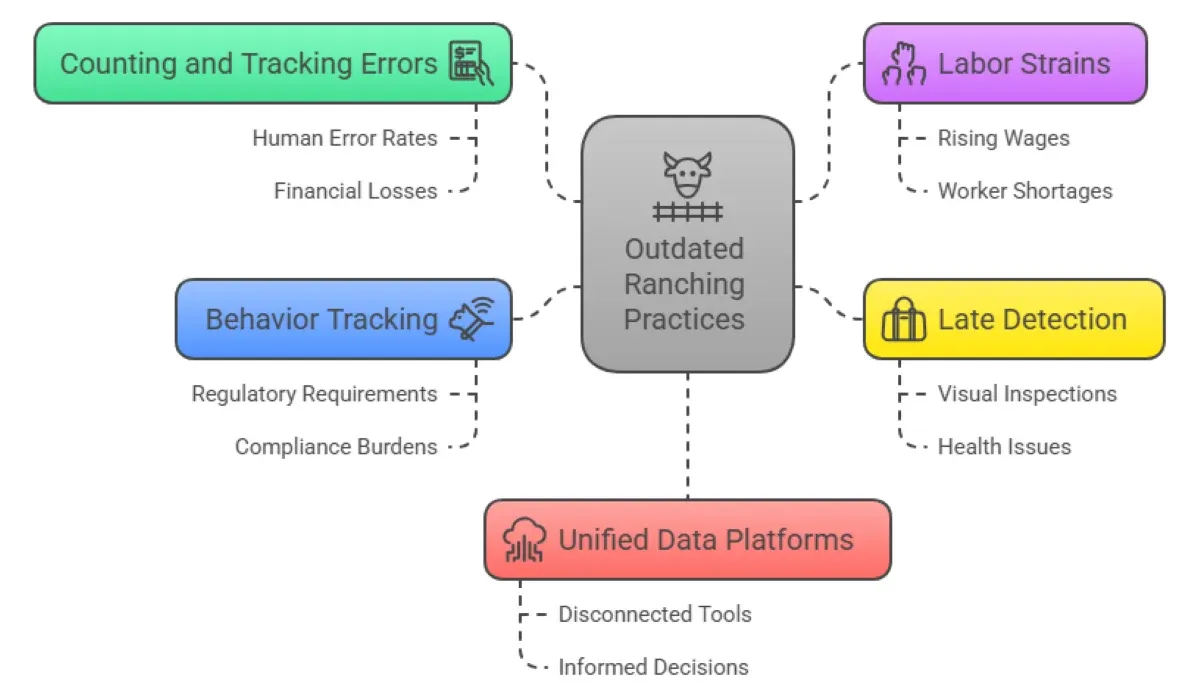
Ranch operations today struggle with outdated processes that drain resources and reduce profitability. Additionally, manual counting methods, labor shortages, and fragmented data systems create costly inefficiencies that impact the bottom line.
Manual cattle counting introduces human error rates of approximately 3%, resulting in significant financial losses. Consequently, large operations processing 1,000 to 5,000 cattle daily face potential losses of hundreds of thousands of dollars annually.
Rising agricultural wages and worker shortages force ranchers to rely on fewer employees for critical tasks. Furthermore, manual monitoring requires constant human oversight, making operations vulnerable to staffing issues and increasing costs.
Traditional visual inspections miss early disease symptoms, causing late detection that costs ranchers $200+ per animal annually. Without continuous monitoring, health issues escalate before intervention, leading to higher expenses.
Regulatory requirements for sustainable practices and carbon reduction create new compliance burdens. Therefore, ranchers need detailed documentation and reporting capabilities that manual systems cannot efficiently provide, risking penalties.
Disconnected management tools create information silos that prevent comprehensive analysis. In addition, without unified data platforms, ranchers cannot identify patterns or make informed decisions that improve profitability.
Artificial intelligence transforms livestock counting from error-prone manual processes to precise automated systems. Similarly, advanced computer vision technology delivers consistent accuracy that surpasses human capabilities while operating continuously without fatigue.
Modern cattle counting systems utilize advanced technology to deliver precise results across challenging ranch environments. These systems combine multiple technologies to ensure accurate detection and tracking of individual animals.
YOLOv8 deep learning models are trained specifically for the livestock detection process, visual data in real-time, identifying individual animals regardless of lighting conditions or weather patterns.
AI cattle counting systems rely on edge processors like NVIDIA Jetson to process multiple video streams simultaneously, ensuring efficient, real-time analysis of livestock movement.
Edge AI processing eliminates dependence on internet connectivity by performing calculations locally, ensuring reliable operation in remote ranch locations.
Multi-camera system architecture provides comprehensive coverage across facilities through strategic placement that creates overlapping detection zones, preventing missed counts.
Cloud integration options allow data synchronization when connectivity is available, while maintaining operational independence during connectivity interruptions.
AI systems deliver superior results that exceed human capabilities while maintaining consistent performance across varying conditions. These improvements translate directly to measurable cost savings and operational benefits.
AI systems achieve 99.5% counting accuracy compared to 97% accuracy from experienced human counters, representing a significant improvement for large operations.
Real-time processing capabilities handle 1,000 to 5,000 cattle per day without performance degradation, ensuring reliable operation during peak processing periods.
Environmental adaptability enables accurate counting in challenging conditions, including low light, rain, dust, and extreme temperatures that impair human accuracy.
Individual animal identification tracks specific cattle throughout their lifecycle using unique physical characteristics without requiring additional hardware installations.
Movement pattern analysis provides insights into herd behavior and facility utilization that inform optimization decisions for improved ranch efficiency.

Integrated technology platforms create complex monitoring networks that extend beyond basic counting. Connected devices generate continuous data streams that inform every aspect of ranch management from health monitoring to feed optimization.
Modern ranch operations depend on diverse hardware components that work together to provide complete operational visibility. These integrated systems combine multiple technologies to monitor animals, the environment, and facility conditions continuously.
Wearable IoT devices, including smart collars and RFID ear tags, provide continuous health and location monitoring while remaining durable for harsh environments.
Environmental monitoring systems measure temperature, humidity, air quality, and weather conditions across facilities with automated alerts when conditions fall outside ranges.
Camera networks combine fixed-position installations with mobile and drone-mounted systems for complete coverage without blind spots across large ranch areas.
Automated feeding systems deliver precise nutrition based on individual animal requirements while tracking consumption patterns that indicate health status changes.
Water monitoring systems ensure an adequate supply while detecting leaks or contamination issues through automated sensors and backup system activation.
Comprehensive software systems transform raw data from hardware components into actionable insights that improve decision-making. These platforms consolidate information from multiple sources while providing accessible interfaces.
Unified dashboards consolidate data from multiple sources into a single interface accessible from desktop computers and mobile devices for remote monitoring.
Mobile applications enable field workers to access real-time data and update records from any location with instant notifications for urgent situations.
API integrations connect with existing farm management software, including feed calculators, breeding records, and financial systems for seamless data flow.
Cloud infrastructure with edge computing balances local processing needs with centralized data storage to ensure operational continuity during connectivity issues.
Customizable reporting generates automated compliance documentation and performance analysis for stakeholders, regulatory agencies, and certification programs without manual compilation.
Advanced monitoring systems detect health issues before visible symptoms appear, enabling preventive interventions that reduce treatment costs. Continuous observation capabilities identify subtle changes in behavior and vitals that indicate developing problems.
Technology-driven health monitoring provides early warning capabilities that prevent minor issues from becoming expensive treatment situations. These systems operate continuously to identify problems that manual inspections miss.
Gait analysis systems identify lameness through movement pattern analysis, preventing $4.55 per day losses from each lame animal through early detection.
Body condition scoring automation replaces subjective visual assessments with consistent measurements using AI-powered cameras that evaluate fat coverage and development.
Behavioral analytics detect stress indicators, including changes in feeding patterns, social interactions, and movement frequency that enable intervention before problems spread.
Disease prediction algorithms analyze multiple data points, including temperature, activity, and feeding behavior, to provide a 24 to 48-hour advance illness warning.
Heat detection systems identify optimal breeding windows through activity monitoring and temperature tracking to improve conception rates and reduce costs.
Integrated care systems connect health monitoring with treatment protocols to ensure rapid response when animals require attention. These systems provide standardized approaches that improve care consistency.
Real-time health alerts send notifications directly to smartphones and tablets when animals require attention, enabling rapid response and preventing serious problems.
Automated treatment protocol recommendations provide evidence-based intervention suggestions based on symptoms and historical data for consistent care quality across staff.
Veterinary consultation integration enables remote diagnosis and treatment planning through shared data access, improving examination efficiency when veterinarians arrive on-site.
Historical health data support breeding program decisions by identifying genetic traits associated with disease resistance for healthier offspring selection and herd improvement.
Medication tracking systems monitor treatment compliance and withdrawal periods to ensure food safety regulations are met while preventing processing errors.
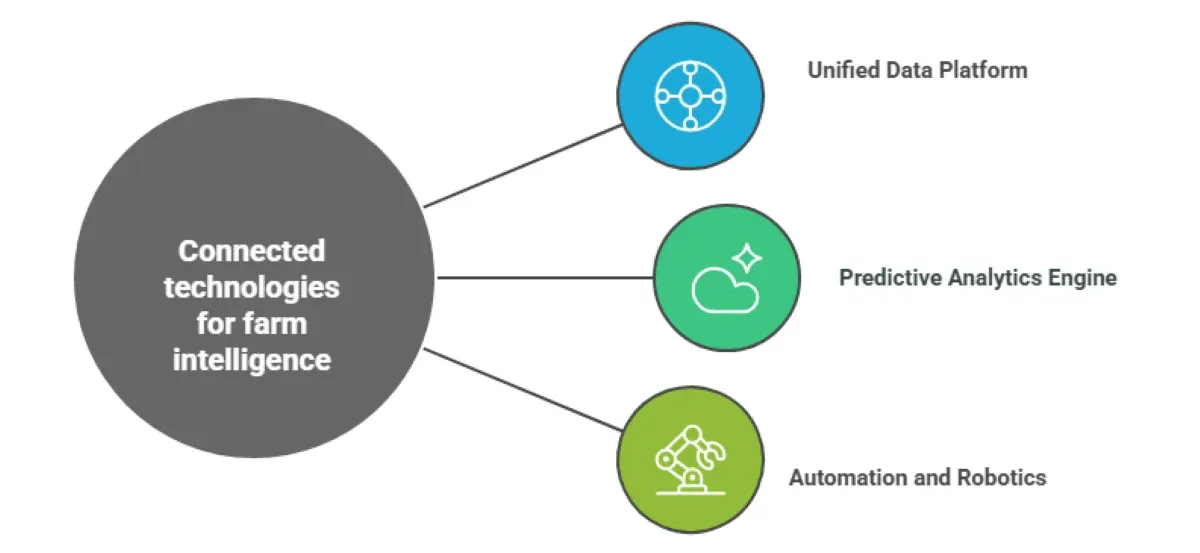
Unified technology platforms combine counting, health monitoring, and environmental control into complete management systems. Integrated data streams provide complete operational visibility that enables informed decision-making across all ranch activities.
Single-source systems eliminate data silos by consolidating information from all monitoring devices and sensors into centralized databases that ensure data consistency. Real-time synchronization keeps all system components updated with the latest information automatically, while changes reflect immediately across connected applications.
Feed optimization algorithms reduce costs by 15-20% through precise ration calculations based on individual animal needs, while smart feeding systems adjust portions automatically. Disease outbreak predictions achieve 85% accuracy by analyzing herd health data patterns, enabling preventive measures that protect healthy animals.
Autonomous feeding systems deliver customized nutrition to individual animals based on real-time health and growth data while operating continuously without supervision. Robotic milking integration schedules automatically based on individual cow productivity and health status while monitoring udder health and milk quality.
Industry leaders demonstrate the practical value of AI-powered livestock management through documented improvements in accuracy, efficiency, and profitability that validate technology investments.
One of Australia's largest beef producers transformed operations with Folio3 AI's computer vision technology, automating cattle counting across 14 properties, managing 340,000 cattle. This world-class agribusiness division, the second largest beef producer in Australia, needed to maximize operational efficiency across vast properties.
Manual counting processes were prone to human error and time-consuming, making accurate inventory management difficult across multiple states spanning from Western Australia to New South Wales.
Folio3 AI developed a comprehensive solution utilizing machine learning for accurate real-time counts using HD drone cameras with advanced AI algorithms processing video for instant herd counts.
The 9-person expert team delivered the project in just 5 weeks, combining object detection and classification expertise with web development capabilities for complete dashboard management.
The solution automated entire cattle monitoring and counting processes while eliminating human error and significantly reducing operational costs across thousands of animals and multiple properties.
Leading ranchers choose Folio3 AI for proven expertise in developing custom livestock management solutions that deliver measurable results. Our specialized team understands agricultural challenges and creates technology solutions tailored to ranch operations.
Advanced AI algorithms process imagery from drones and fixed cameras to provide 24/7 accuracy without human oversight while accurately counting cattle in challenging weather conditions. Weather-resistant technology operates reliably in harsh ranch environments, including dust, rain, and extreme temperatures, with rugged hardware design.
Cloud-based dashboards provide instant access to herd numbers, pen occupancy, and movement patterns from any device with intuitive interfaces for quick decision-making. Immediate alerts notify managers of anomalies, including unusual animal behavior, facility issues, or equipment malfunctions, while enabling proactive response.
Advanced recognition technology integrates with RFID ear tags or uses unique physical characteristics for identification without additional hardware requirements while supporting precision livestock farming. Health and performance monitoring provides insights into specific animal conditions without direct contact requirements through continuous observation systems.
Custom APIs connect effortlessly with existing feedlot management software, AgriERP, and farm management systems through robust integrations that ensure smooth data flow. Data synchronization prevents duplicate entry requirements while ensuring information consistency across all management systems without replacing existing investments.
Flexible AI architecture adapts to operations managing hundreds to tens of thousands of animals, while modular system design allows capability expansion. Customization options ensure technology perfectly aligns with unique operational requirements and management preferences through bespoke solutions.

The future centers on AI-driven precision farming with 99.5% accuracy rates and integrated smart systems that provide real-time monitoring. Technology adoption enables $420+ annual savings per cow while improving animal welfare and operational efficiency.
Smart systems provide continuous monitoring through IoT sensors, automated feeding, and predictive analytics that identify problems before they become costly. Integration eliminates manual processes while providing data-driven insights for better decision-making.
Integration creates comprehensive operational visibility that goes beyond basic counting to include health monitoring, feed optimization, and environmental control. Combined systems provide complete farm intelligence that maximizes efficiency and profitability.
AI systems achieve 99.5% accuracy compared to 97% from experienced human counters, representing a significant improvement for large operations. This 2.5% accuracy gain prevents costly miscounting errors that can total hundreds of thousands annually.
Yes, automation reduces labor costs by 30-40% through the elimination of manual counting and monitoring tasks. Technology systems operate continuously without human supervision while freeing staff for higher-value activities requiring judgment.
Predictive systems analyze multiple data points to forecast disease outbreaks with 85% accuracy and optimize feed allocation for 15-20% cost reduction. Analytics enable proactive decision-making that prevents problems rather than reacting to them.
Yes, flexible AI architecture scales from hundreds to tens of thousands of animals with a modular design that allows capability expansion. Cloud-based processing automatically adjusts to handle increased data volumes and user requirements.
Basic systems require cameras, edge computing devices like NVIDIA Jetson processors, and network infrastructure for data transmission. Advanced setups include IoT sensors, automated feeding systems, and environmental monitoring equipment.
Automated systems generate detailed documentation required for regulatory compliance and certification programs without manual record-keeping. Continuous monitoring provides verifiable data that supports sustainability claims and premium market access.
Contact Folio3 AI for a custom assessment that evaluates your ranch requirements and provides ROI projections. Implementation typically involves phased deployment, starting with pilot programs before full-scale rollout across operations.