
Loading...
Gone are the days of generic workout plans and one-size-fits-all routines. In today's rapidly changing world, AI in fitness is revolutionizing how we care for our health and exercise.
Imagine having a personal trainer who knows your goals. Track progress and inspire you 24/7 without needing to take a coffee break. This is the power of AI in exercise.
AI goes beyond just tracking your physical performance; it’s all about creating a well-rounded fitness experience tailored to you. By analyzing your unique movement patterns, biomechanics, and even your daily habits, AI crafts workout plans that grow and adapt with you.
It’s like having a personal coach, physiotherapist, and cheerleader all rolled into one, keeping you motivated, on track, and pushing your limits safely and effectively.
From wearable tracking devices that monitor every heartbeat to virtual trainers providing real-time updates, AI in fitness transforms exercise into an accurate, engaging, and highly effective experience. More people are seeking personalized, technology-driven solutions to healthier lifestyles than ever before.
To make equality more accessible, the fitness industry is embracing AI. Let's dive deeper into how AI is transforming fitness.

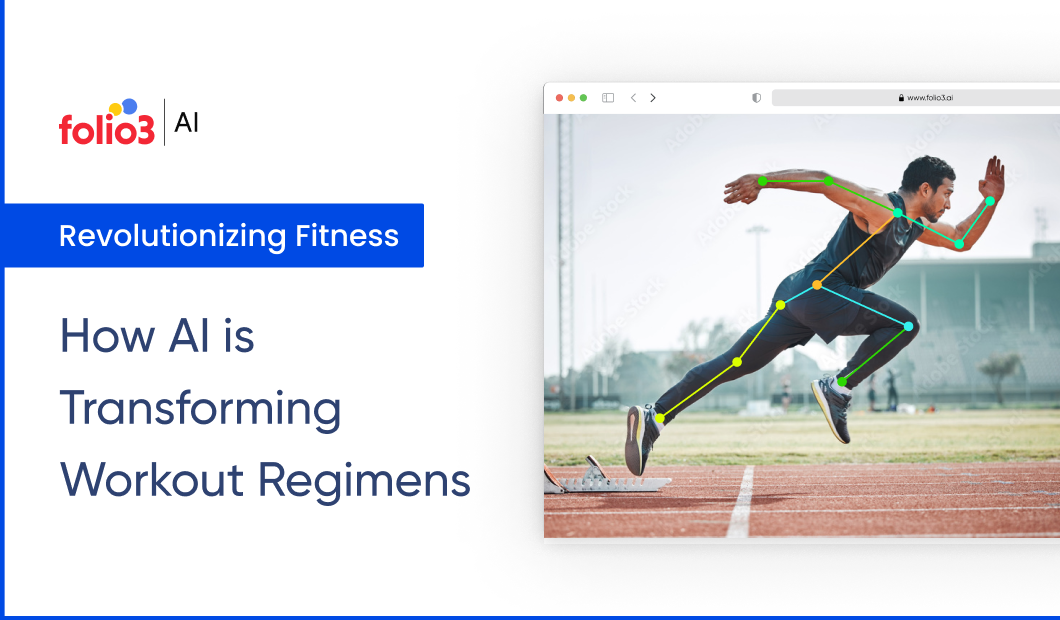
Imagine having a personal coach who watches every step you take, literally. That’s what AI gait analysis does. By analyzing the way you walk or run, it identifies subtle inefficiencies in your movements that might otherwise go unnoticed.
This isn’t just about looking good on the track; it’s about optimizing your stride for better performance and reducing the risk of injuries. Whether you're training for your first 5K or aiming to shave seconds off your sprint, AI gait analysis offers insights that can take your training to the next level.
Not all bodies move the same way, and that’s where biomechanical analysis comes in. This AI-driven tool dives deep into the mechanics of your movement, think of it as a detailed breakdown of how your body performs during exercise. The result? Customized workout plans designed specifically for you.
By identifying areas of weakness or imbalance, biomechanical analysis helps you strengthen where it matters most, ensuring safer and more effective training.
Ever wondered what’s holding you back from reaching your peak performance? AI body motion analysis might have the answer. Using cutting-edge technology, it maps your movements in real time, pinpointing areas for improvement. It’s like having a mirror that not only reflects but also coaches you.
Whether you’re perfecting your posture during a deadlift or fine-tuning your tennis serve, this analysis helps you perform with precision and confidence.
Injuries can sideline even the best athletes, but what if you could stop them before they happen? AI technologies like gait analysis and biomechanical analysis are doing just that. By spotting red flags—like uneven weight distribution or poor alignment, these tools allow you to make adjustments before small issues become big problems. It’s not about working harder; it’s about training smarter and staying in the game longer.
The integration of AI into fitness isn’t just about the fancy tech—it’s about real results. Athletes now have access to tools that help them train more efficiently, recover faster, and push their limits safely. From perfecting movements to preventing injuries, AI is giving athletes of all levels the edge they need to succeed.
As AI continues to evolve, one thing is clear: it’s not just reshaping workouts; it’s transforming lives. Whether you’re an elite athlete or someone just getting started on their fitness journey, these innovations are making it easier to move better, train smarter, and achieve more.
AI is excellent at creating workout plans tailored to individual goals, fitness levels, and preferences. Advanced algorithms analyze data such as age, weight, body composition, and past performance to create a unique system of governance. Studies have shown that personalized coaching increases motivation and consistency. This leads to better results
The virtual trainer is powered by AI, providing real-time feedback and interactive training. These trainers use computer vision to analyze movement. Ensure appropriate format and reduce the risk of injury.
Fitness tracker with AI measurements such as heart rate, burning calories, and sleep patterns. Devices like Fitbit and Apple Watch leverage AI to provide actionable insights.
These trackers don’t just give you numbers, they help you truly understand your body. By turning data into actionable insights, they guide you toward smarter workouts, better sleep, and a healthier lifestyle overall.
AI-powered home gyms like Tonal and Mirror offer guided workouts through smart devices. These systems adjust resistance, recommend exercise and follow the progress. Accessibility and efficiency contribute to the growing home fitness market.
With AI at the core, these home gyms bring the experience of a personal trainer right into your living room. They adapt to your fitness level, track your improvements, and keep your workouts challenging and engaging—all without the need for a gym membership.
AI doesn't stop at exercise. It extends to dietary planning. AI-powered apps like MyFitnessPal recommend personalized meal plans based on your fitness goals and allergies.
AI ensures accurate performance measurement tracking. Advanced sensors and algorithms eliminate human error. It provides athletes and fitness enthusiasts with reliable information to track their progress.
AI democratizes access to professional training. Virtual trainers and innovative tools provide the expertise of a personal trainer at a fraction of the cost. This means anyone, regardless of budget or location, can benefit from tailored workout plans and expert guidance. AI-powered tools are breaking down barriers, making high-quality fitness coaching accessible to more people than ever before.
AI combines gameplay to keep users motivated. Features such as milestones, prizes, and competitive leaderboards make exercise engaging.
Security concerns about AI fitness devices often collect sensitive health data. Ensuring the confidentiality and security of this data is a significant challenge. This puts users at risk of potential infringement.
High-end AI-powered fitness equipment and memberships can be expensive. The spread of these tools around the world is uneven. The ability to pay is a significant obstacle
Too much reliance on AI can overshadow traditional exercise techniques. In some tools, a lack of human interaction and adaptability can hinder overall development.
AI uses advanced machine learning algorithms to analyze and interpret large data sets created by fitness enthusiasts. This typically includes biometric data such as heart rate, oxygen level, body composition, activity records, the number of steps walked, calories burned, and exercise intensity. AI synthesizes this data to create personalized insights.
This allows users to optimize their fitness journey. For example, platforms like Strava use AI to assess endurance levels and recommend training intensity. While apps like Fitbit track sleep patterns and recommend recovery strategies.
Suitable for the user's fitness level and progression. AI also predicts stagnation in performance where progress slows or stops. By identifying trends in exercise data, Once detected, these systems adjust the intensity of exercise.
Introducing new forms of exercise or recommending a more extended recovery period. This dynamic approach ensures that users continue to progress with them. And reducing the risk of overtraining or injury.
Gamification is a powerful strategy that uses AI to make exercise more engaging and fun. The AI-powered platform incorporates game-like elements such as streaks, badges, challenges, and leaderboards. Encourages users to be consistent in their exercise routines.
For example, Nike Training Club and Fitbit Challenge promote exercise by promoting friendly competition between friends or community members. These apps use AI to track users' equipment and reward them based on milestones, like completing a workout or setting a personal best.
Gamification makes workouts feel less like a task and more like an exciting challenge. By combining fun with fitness, AI-powered platforms keep you motivated, helping you stay consistent while actually enjoying the journey to achieving your goals.
Additionally, gamification uses psychological triggers such as the desire for achievement and social acceptance. AI tracks real-time progress and provides users with tangible metrics.
Foster a sense of accomplishment that keeps them coming back. Improved features such as virtual prizes and leaderboards also promote a healthy sense of competition. Push users to new fitness levels.
Recovery and rehabilitation are an essential part of achieving long-term fitness goals. AI has emerged as a game-changer in this field. It provides innovative solutions that bridge the gap between fitness and healthcare.
AI-powered tools like Kaia Health and Physitrack use motion-sensing technology to track recovery exercises. This is to ensure that the user performs the task correctly. These platforms provide real-time feedback. Reduce the chance of re-injury and improve adherence to rehabilitation plans.
In addition, AI analyzes recovery data. This includes the degree of muscle fatigue and joint mobility. For example, AI can identify movement imbalances and recommend corrective exercises to tailor a rehabilitation plan to individual needs.
This individualized approach promotes faster recovery and prevents future injuries. AI also excels at dealing with mental resuscitation.
This is an essential but often overlooked aspect of rehabilitation. Apps like Calm and Headspace integrate AI to track stress levels. And mindfulness training is recommended to complement recovery strategies. This holistic focus improves overall well-being.
This allows users to return to their normal exercise routines more efficiently.
AI is revolutionizing group fitness by combining the friendliness of mass exercise with the precision of personal fitness insights. Platforms like Zwift and Peloton are leading this change. It offers virtual group workouts that cater to a wide range of fitness levels. AI on these platforms analyzes personal data and personalizes the group exercise experience.
For example, Zwift's AI-powered system adjusts cycling resistance and speed based on the user's fitness level. This allows everyone in the group to participate at the most appropriate level of intensity. Thus ensuring comprehensiveness while remaining challenging for advanced users.
The community aspect of group exercise increases motivation. Psychological science studies show that group exercise increases motivation and performance by up to 20%. AI-powered platforms amplify this effect by promoting a sense of connection through features such as leaderboards and hats.
Live and team challenges AI can also monitor group dynamics and identify patterns that can improve the overall experience. For example, AI can recommend new exercise styles or group members with similar goals to work with. to increase participation.
This adaptability helps ensure that group exercise stays fresh, challenging, and fun. Here are a few AI-powered fitness apps and devices that are truly changing the game and making fitness both fun and personalized:
Here are a few specific examples of AI-powered fitness apps and devices that are making fitness fun again:
Peloton: Peloton brings the energy of live classes right to your living room. With AI tracking your performance, the platform tailors workouts in real time to match your fitness level, offering feedback that helps you improve with every session. Plus, with live leaderboards and progress tracking, it creates a sense of community and some friendly competition to keep you motivated.
Zwift: Think of Zwift as a fun fusion of exercise and gaming. This AI-powered platform takes cycling and running to a new level, adjusting resistance and speed based on your fitness level. Whether you're just starting out or pushing your limits as a seasoned athlete, Zwift ensures that group workouts are challenging yet accessible, giving you a sense of accomplishment no matter where you’re at.
Nike Training Club: Nike Training Club makes it feel like you have a personal trainer in your pocket. The app uses AI to create workouts that align with your fitness goals, whether you're focused on building strength or improving flexibility. As you progress, the app adapts to keep your workouts fresh and motivating, constantly offering new challenges to keep you on track.
Fitbit: Fitbit does more than just count steps—it’s a true health companion. By tracking your activity, sleep patterns, and heart rate, Fitbit uses AI to offer personalized coaching, ensuring you stay on top of your fitness journey. It adds a fun twist by rewarding you with badges for milestones and encouraging you to push yourself with new goals along the way.
Here are a few real-world examples where AI is making a real difference in the world of fitness:
Huma: Huma is changing the game by helping athletes and fitness enthusiasts optimize their performance through personalized insights. The platform uses AI to analyze data from wearables and gives real-time advice on things like hydration, nutrition, and recovery. It’s already being used by professional sports teams to fine-tune training and ensure athletes stay at their peak.
Whoop: Whoop takes fitness tracking to the next level by providing AI-powered insights into your sleep, recovery, and strain. It tracks how your body responds to exercise and rest, offering personalized advice on how to train smarter and avoid burnout. This has made it a go-to tool for elite athletes who need to make sure they’re always performing at their best.
Kemtai: For those working out at home, Kemtai’s AI-powered motion analysis is a game changer. Using just your webcam, it tracks your form during exercises and gives instant feedback to help you perfect your technique. It’s like having a personal trainer right in your living room, making sure your form is spot-on to avoid injury.
Athos: Athos uses wearable technology to monitor muscle activity in real-time during your workout. This AI system tracks your muscle performance and fatigue levels, helping you optimize your training for better results and fewer injuries. Athletes use it to fine-tune their workouts and ensure they’re working at the right intensity.
Smart Gym Equipment: Many gyms now have smart workout machines, powered by AI, like those from Jefit and Gymbird, which offer real-time feedback on your form and track your progress. These machines automatically adjust resistance or provide corrections to keep you on track, making your workouts safer and more effective.
At Folio3, we specialize in bringing innovative, AI-powered solutions to the fitness industry. By leveraging the latest advancements in Machine Learning, Computer Vision, and Deep Learning, we help fitness businesses and trainers design and develop custom fitness apps that elevate user experience and optimize performance.
Whether you're looking to create personalized workout plans, integrate virtual coaching, or gamify your app, Folio3’s expertise in AI ensures that your fitness app will stand out and meet the unique needs of your users. Here’s how Folio3 can help transform your fitness business:
Personalized Fitness Plans:
With Folio3 AI, you can create highly tailored fitness plans for your users based on their individual goals, fitness levels, and preferences. Using pose estimation and activity tracking, our AI systems track and analyze movements, providing real-time feedback to improve performance, just like a personal trainer would. Each user receives a plan specifically designed to help them achieve their fitness goals in the most efficient way possible.
Injury Prevention:
At Folio3, we understand that safety is crucial in any fitness journey. That’s why our AI technology incorporates biomechanics tracking to detect early signs of potential injury. By analyzing key movements during exercise, our system alerts users about improper form or high-risk activities, allowing them to make adjustments and avoid injuries, keeping them on track for long-term success.
Real-Time Performance Monitoring:
Folio3 AI enables your app to offer real-time performance feedback using computer vision and motion tracking technology. As users perform exercises, the app instantly tracks and adjusts their intensity levels based on their form, pace, and progress, ensuring they are continually challenged while maintaining optimal performance.
Virtual Coaching:
Imagine offering users access to a personal coach 24/7. With Folio3's AI-powered virtual trainers, this becomes a reality. The system analyzes user performance and provides continuous, personalized recommendations to enhance workouts. Whether they need a push to increase intensity or guidance for better recovery, Folio3’s virtual coaching system ensures users are getting the support they need at any time.
Gamification:
Folio3 believes fitness should be fun and motivating, which is why we integrate gamification into our AI-powered apps. By using challenges, streaks, badges, and leaderboards, we turn fitness routines into exciting challenges. AI tracks progress, rewards milestones, and promotes consistency, encouraging users to keep coming back for more while creating a sense of friendly competition.
Client Engagement:
With Folio3's AI-powered chatbots, your app can offer personalized and real-time support for users. The chatbot can handle a wide range of tasks—from answering workout-related queries to providing nutrition tips and recommendations. This ensures your users feel connected and supported at all times, helping to maintain a high level of engagement and satisfaction.
Tailored Content Delivery:
One of the key advantages of AI in fitness apps is the ability to personalize content delivery. Folio3’s AI analyzes user behavior, preferences, and performance data to serve highly relevant content, whether it's a workout video, nutrition advice, or motivational quotes. This ensures that each user receives the content that will best help them achieve their fitness goals.
AI is undeniably changing the fitness landscape. Applications range from personal training to wearable technology. Make exercise accessible, engaging, and effective. However, challenges such as data privacy and cost constraints still exist. But the future promises more intelligent and integrated AI solutions.
Embracing AI innovation can pave the way for a healthier, more connected future. Unlock your full potential by investing in AI-powered fitness today. Transform your workouts. Upgrade your health and stay ahead of the fitness revolution.
1. How does AI-powered fitness technology create personalized workout plans?
AI makes use of user data, such as fitness goals, body composition, activity level, and health parameters, to design a custom workout plan. Machine learning algorithms analyze this data to recommend exercises, concentration levels, and a progress plan that adjusts in real-time based on performance and user feedback.
2. What role does computer vision play in AI-based fitness applications?
Computer vision helps AI analyze user movements through camera input by giving immediate feedback on styles and techniques. This technology allows users to avoid injury. Increase exercise efficiency and track progress more effectively by identifying minor postural deviations and suggesting improvements.
3. How do wearable devices incorporate AI to improve exercise performance tracking?
Advanced wearables use AI to process biometric data such as heart rate variability. oxygen level and caloric expenditure. These tools offer insights such as recovery times and optimal training zones. Readiness scores, etc., allow users to train more competently and efficiently.
4. AI fitness systems can replace human trainers. And what are the limitations?
Although AI systems can provide personalized training plans and real-time feedback, these systems lack emotional intelligence and a subtle understanding of human behavior. Where trainers make AI excel in the scalability of data-driven insights, a skilled human trainer's motivational and adaptive support cannot be replicated.
How does AI adjust workout intensity in real time?
AI platforms analyze live biometric and motion data to automatically increase or decrease reps, sets, or resistance, ensuring workouts stay within safe and effective ranges.
Can AI fitness apps integrate with popular gym equipment?
Yes. Many AI fitness platforms connect with Bluetooth-enabled machines and smart gym hardware to sync performance metrics and provide unified progress tracking.
What privacy safeguards protect personal health data in AI fitness apps?
Reputable apps use end-to-end encryption, anonymized data storage, and comply with privacy standards like GDPR or HIPAA to protect sensitive biometric information.
How does AI support rehabilitation and injury prevention?
AI detects subtle movement compensations and provides corrective cues, helping users avoid overuse injuries and assisting physiotherapists with remote recovery programs.
What are the costs of implementing AI fitness solutions for gyms or studios?
Pricing depends on scale, integrations, and features, ranging from affordable SaaS subscriptions for small studios to custom enterprise platforms with advanced analytics.