

Loading...
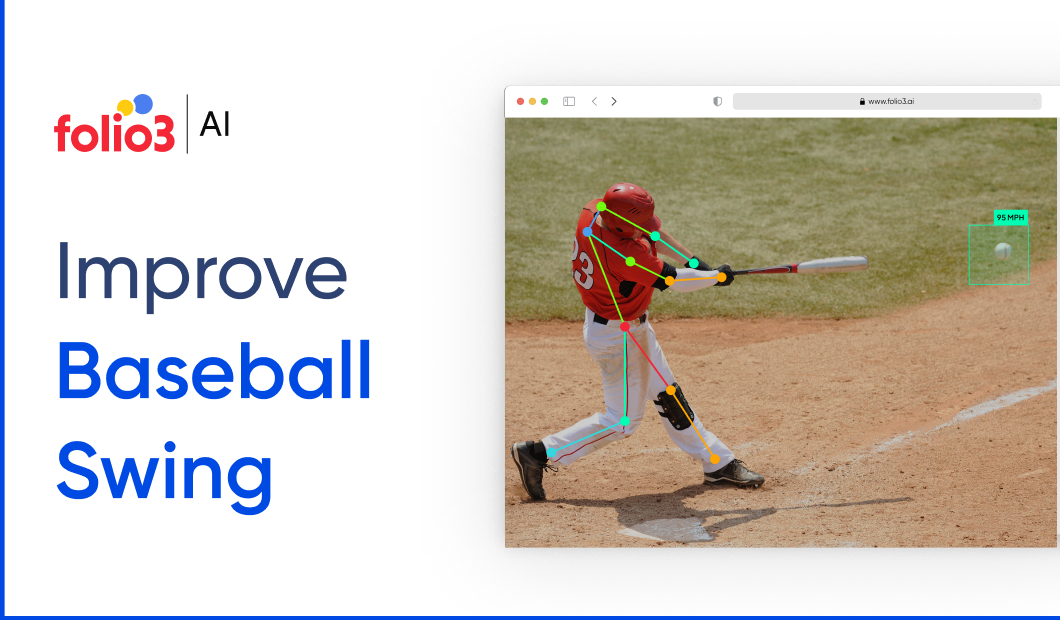
A solid baseball swing is fundamental to overall performance. As it directly impacts power, accuracy, and consistency at the plate. From stance and load to hip rotation and follow-through, proper mechanics work together to maximize bat speed and energy transfer, allowing hitters to drive the ball effectively and adjust to different pitches.
A structured and committed training regimen is essential because the baseball swing is a complex, coordinated movement that involves precise timing, balance, and sequencing of the entire body. Developing muscle memory through repetition and refining mechanics is key to mastering these elements.
This disciplined approach ensures that hitters consistently perform under pressure, adapting to various pitch types and speeds. As a result, it builds confidence and helps players reach their full potential at the plate.
In this blog, we will share the top 6 techniques to help you master your baseball swing, improve your mechanics, and elevate your overall hitting performance.
First, let's identify common baseball mistakes, then move on to techniques to avoid repeating them.

Addressing these common mistakes with targeted drills and focused practice will help you build a more efficient, powerful, and consistent baseball swing.
Many hitters lunge forward or lean too far over the ball, causing a loss of balance and power. To fix this, focus on maintaining a centered stance with weight balanced over the back leg during the load and stride phases. Practice drills that emphasize pausing after the stride to ensure stability before swinging.
Dropping hands too early or having an improper grip can reduce bat control and power. Keep your hands at shoulder height during load and stride, and maintain a firm, consistent grip with the bat’s knob facing the catcher. Drills like the “high tee” drill help keep hands in the correct position throughout the swing47.
Timing is crucial. Swinging too soon or too late leads to weak contact or misses. Develop a rhythm by synchronizing your stride with pitch recognition, and practice drills that improve your timing and ability to let the ball travel deeper into the hitting zone.
Power comes from the hips. Failing to rotate hips properly reduces bat speed and power. Initiate the swing with your hips before the hands, keeping the back leg engaged and rotating explosively through the swing. Focus on drills that promote hip rotation and sequencing to generate maximum power.
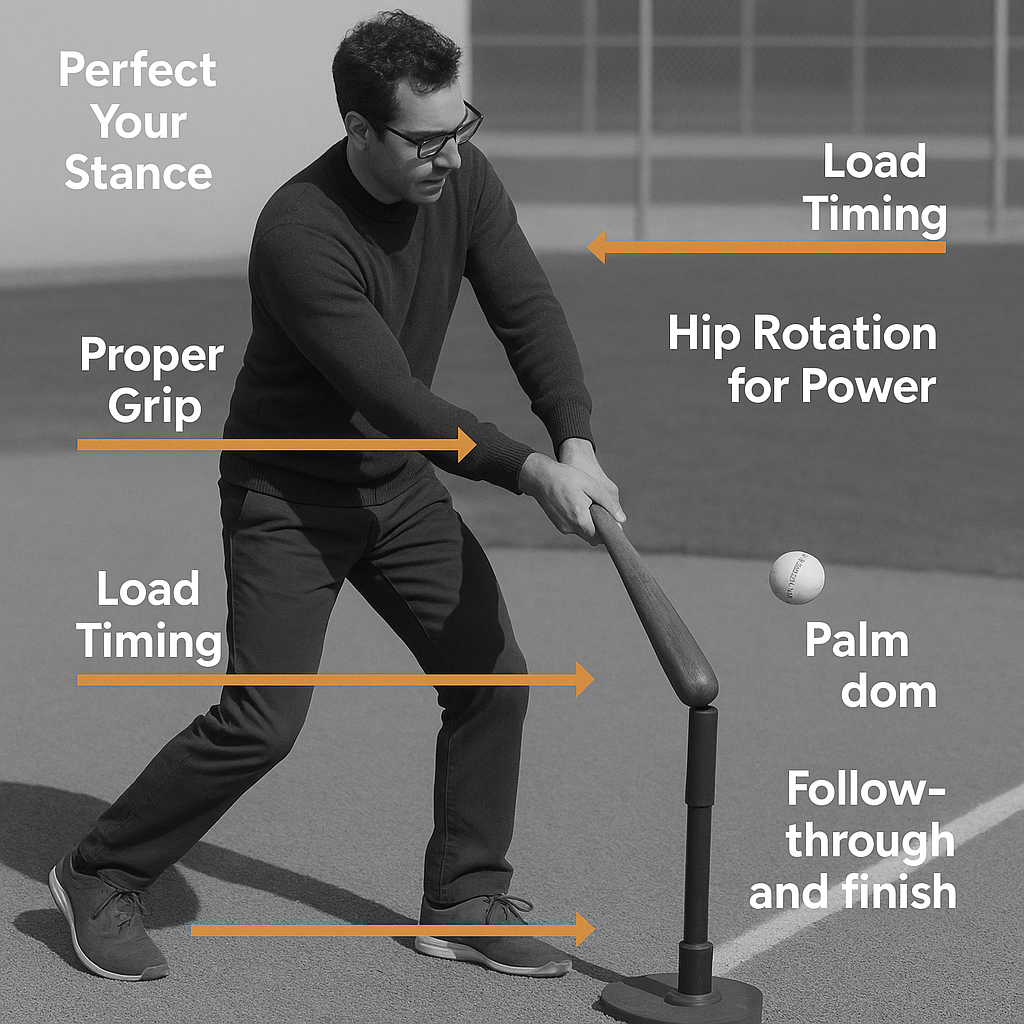
Now that you know the mishaps to prevent, here are the top 6 techniques to enhance your baseball swing, backed by expert advice and proven drills.
Start with a balanced, athletic stance: feet shoulder-width apart, knees slightly bent, and weight evenly distributed. This provides stability and flexibility to adjust to different pitch locations.
Hold the bat with a relaxed but firm grip, keeping your hands close together and knuckles aligned. This improves bat speed and control, allowing quick adjustments during the swing.
Initiate your swing by smoothly shifting your weight onto your back foot (about 60% of weight on the back leg) to sync with the pitcher’s delivery. A slight forward step helps you time the pitch correctly.
Generate power by rotating your hips explosively as you swing. This hip launch is the primary source of power, transferring energy from your lower body to your hands and bat.
Maintain a level swing path to keep the bat in the hitting zone longer for solid contact. "Throw" your hands forward with torque to propel the bat through the strike zone, maximizing bat speed and power
After contact, fully extend your arms and rotate your body naturally, finishing with your hands high and your back foot turning as if "squishing a bug." This ensures balance and maximizes power transfer.
Consistent practice of the above techniques and drills will help develop a powerful, controlled, and effective baseball swing.
Tee Drills: Focus on hitting the ball squarely with a level swing at different heights and locations to build muscle memory.
Soft Toss Drills: Hit balls tossed from the side to improve reaction time and bat speed, simulating live pitching.
Video Analysis: Record and review your swing to identify and correct flaws.

Modern baseball training increasingly incorporates AI technology to ameliorate swing mechanics, provide detailed feedback, and accelerate skill development. Key tools include swing analyzers, video analysis, virtual feedback batting cages, and wearable devices.
Devices like Blast Motion and Diamond Kinetics attach to the bat knob and use 9-axis motion sensors (gyroscopes and accelerometers) to capture real-time swing data such as bat speed, attack angle, hand speed, and swing path.
Among these, Blast Motion is recognized as the most accurate swing sensor on the market, validated by a third-party study from the Center for Human Performance, showing the lowest margin of error and fastest setup time (about 90 seconds), outperforming competitors like Diamond Kinetics and Zepp.
These analyzers sync with smartphones and tablets, providing instant feedback and AI-driven coaching tools. They simultaneously enable players and coaches to review swings with detailed metrics and video.
They are suitable for all levels, from youth to professional players, and compatible with various bat types.
The data helps identify mechanical flaws and track progress, making swing analyzers invaluable for targeted improvement.
Baseball video analysis remains essential, often integrated with swing analyzers that automatically sync video with sensor data.
High-speed, multi-angle video captures allow frame-by-frame breakdowns of swing mechanics, timing, and body positioning.
This visual feedback complements sensor data, helping players understand and correct flaws more effectively.
Advanced batting cages now feature virtual feedback systems that simulate live pitching and provide real-time metrics such as swing speed, contact quality, and launch angle.
These systems often incorporate gamification elements, engaging practice while delivering quantitative feedback to improve timing and pitch recognition.
Such technology bridges the gap between traditional batting practice and game-like conditions, enhancing overall hitting performance1.
Wearable devices, either embedded in bats or worn on the body, track biomechanical data including bat speed, hand path, and hip rotation.
They provide real-time feedback, allowing players to make immediate adjustments during practice sessions.
This instant data-driven approach accelerates skill acquisition and helps prevent injury by monitoring mechanics closely.
Mastering your baseball swing requires disciplined technique and the smart use of modern AI-driven video analysis tools. These tools provide a structured, data-backed approach to help players develop muscle memory and perfect their timing. By tracking real-time metrics—such as bat speed, attack angle, and hand path- athletes receive precise, actionable feedback that accelerates improvement. Incorporating these insights into training sharpens mechanics and builds the foundation to play like a pro.