
Loading...
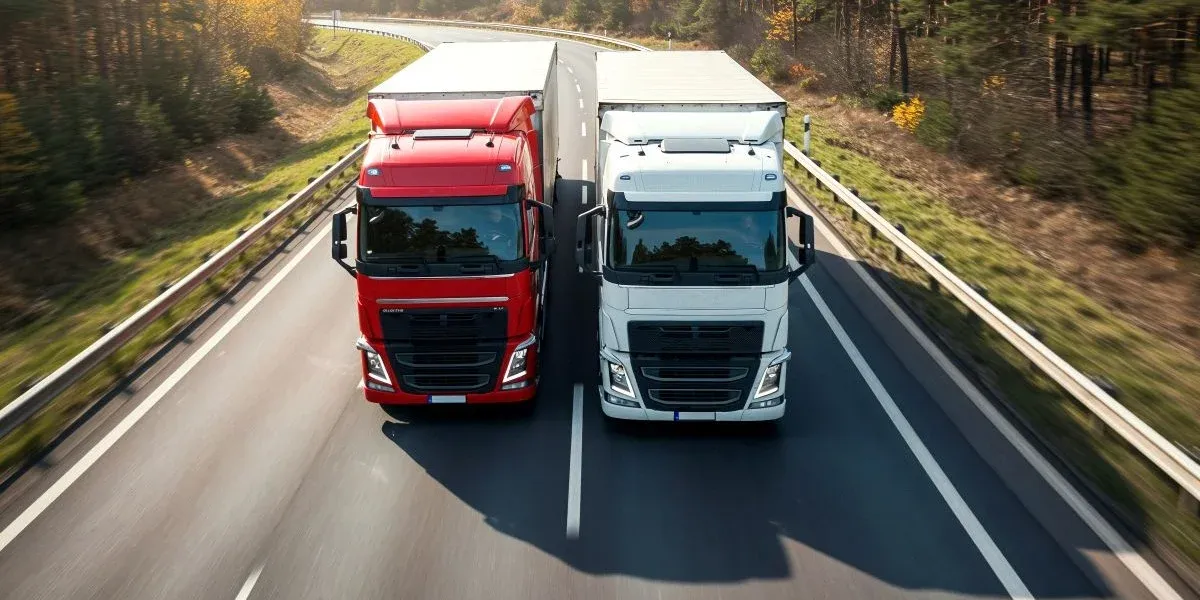
In the dynamic world of field service, efficiency, security, and precision are paramount. Managing a fleet of vehicles and a mobile workforce presents unique challenges, from tracking assets to ensuring timely service delivery. This is where license plate recognition (ALPR) software emerges as a transformative technology, offering an automated solution to many operational hurdles. Recent data indicates that the global ALPR market is projected to reach approximately $1.6 billion by 2027, highlighting its growing adoption across various sectors, including logistics and field services.
By automatically identifying and logging vehicle movements, the license plate recognition solution helps field service fleets optimize their operations, enhance security, and significantly improve their overall service delivery capabilities. This technology provides a foundational layer of intelligence, enabling businesses to make more informed decisions and streamline complex logistical processes.


Automatic license plate recognition (ALPR), also known as automatic number plate recognition (ANPR), is a technology that uses optical character recognition on images to read vehicle license plates. For field service fleets, this means converting static vehicles into active data points, constantly feeding information back to a central management system.
ALPR technology involves cameras capturing images of vehicle license plates, which are then processed by software to extract the alphanumeric characters. This conversion of visual data into usable text data is the core functionality, allowing for automated identification. It's not just about reading numbers; it's about translating a physical identifier into a digital record, which can then be used for various management purposes. The system typically comprises specialized cameras, illumination (often infrared), image processing software, and a database for storing and querying the recognized plate data.
Field service fleets operate in diverse environments, from urban centers to remote rural areas, providing installations, maintenance, repairs, and deliveries. Their operational success relies heavily on efficient routing, timely arrivals, accurate asset tracking, and comprehensive security measures. These fleets often deal with a high volume of vehicles, technicians, and equipment, making manual tracking cumbersome and prone to errors. Effective management requires precise oversight of every asset and every movement.
Traditional manual methods for logging vehicle movements or checking fleet inventory are time-consuming and prone to human error. ALPR software bridges this gap by automating the process, ensuring consistent and accurate data capture without human intervention. This automation reduces administrative burdens and frees up staff to focus on more complex tasks, leading to overall operational efficiency. It provides a real-time, objective record that can be trusted for operational analysis.
For fleet managers, ALPR offers a suite of benefits, including improved vehicle tracking, enhanced yard management, better security, and streamlined compliance. It provides a deeper understanding of fleet activities, allowing managers to optimize resource allocation and respond proactively to operational challenges. The ability to monitor vehicle entry and exit automatically provides invaluable data for daily decision-making and long-term strategic planning.
Effective fleet management is the backbone of any successful field service operation, and ALPR software provides advanced tools for superior oversight. It transforms how vehicles and valuable assets are tracked and managed, moving beyond traditional methods to offer real-time insights and automated controls. This section explores how ALPR technology enhances these critical areas.
ALPR system transforms fleet tracking by offering immediate insights into vehicle positions and movements across various operational zones. By installing ALPR cameras at strategic entry and exit points, such as depots, service centers, and customer sites, fleet managers gain continuous updates on vehicle locations.
Managing large vehicle yards or depots can be a logistical challenge, with numerous vehicles moving in and out daily. ALPR systems automate the check-in and check-out process, logging exact times of entry and exit for every vehicle.
Many field service fleets utilize specialized vehicles equipped with expensive tools or unique functionalities. ALPR helps manage this critical inventory by automatically identifying when specific specialized vehicles are present or absent from designated areas.
By providing granular data on vehicle movements and dwell times, ALPR technology offers insights into fleet utilization patterns. Managers can identify underutilized vehicles or those frequently involved in specific routes or tasks, leading to better allocation decisions.
ALPR systems can be configured to alert management if an unauthorized vehicle attempts to enter a secure area or if a company vehicle is detected outside its approved operating hours or geofenced zone.
Efficiency is at the heart of field service success. ALPR software directly contributes to operational streamlining by automating tasks, reducing errors, and accelerating critical processes. This section details how ALPR can make field service operations smoother and more effective.
By providing real-time data on vehicle locations and availability within depots or service hubs, ALPR technology aids dispatchers in making faster and more accurate routing decisions. Knowing which vehicles are ready for deployment and their precise exit times allows for quicker assignment to service requests, minimizing response times.
ALPR cameras can serve as automated time clocks, accurately recording when technicians’ vehicles enter and exit job sites or company facilities. This provides precise data for payroll, billing, and performance analysis, eliminating the need for manual time cards or GPS-based check-ins that can sometimes be unreliable.
Automating vehicle identification and movement logging with ALPR significantly reduces the potential for human error associated with manual data entry. As a result, every plate scan is consistent and machine-readable, ensuring high data integrity across all operational records.
For field service teams accessing secure or high-traffic sites, ALPR systems can facilitate faster entry and exit. Pre-approved vehicles can be automatically granted access through gates or barriers, eliminating the need for security personnel to manually check credentials or for drivers to stop and swipe access cards.
Additionally, the data generated by ALPR systems can trigger subsequent actions in a broader workflow. For example, a vehicle's entry into a depot might automatically initiate a vehicle maintenance checklist, or its exit might update its status to "en route" in the dispatch system. Ultimately, this level of automation streamlines entire operational workflows, from dispatch to billing.
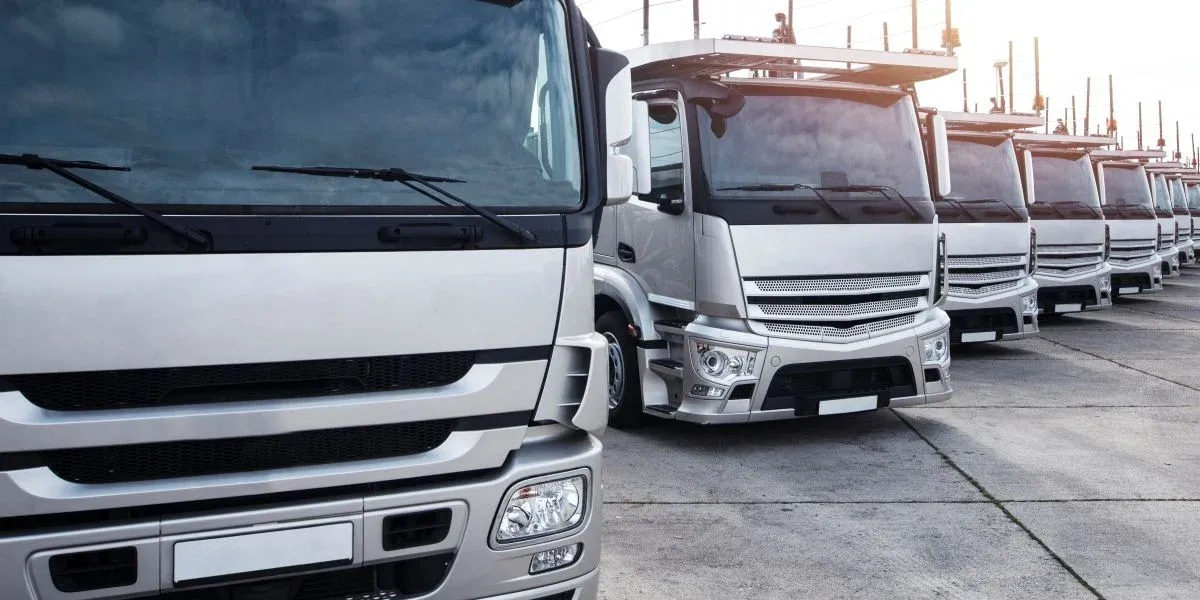
Security is a primary concern for any fleet, given the value of vehicles, equipment, and the data they carry. ALPR software offers powerful tools to enhance security protocols and ensure adherence to regulatory compliance. This section outlines how ALPR strengthens these critical aspects.
ALPR systems act as a vigilant digital gatekeeper, actively deterring and preventing theft of fleet vehicles and equipment. By continuously monitoring entry and exit points, the system can immediately flag any vehicle whose license plate is not on an approved whitelist or has been reported stolen.
Integrating ALPR with geofencing technology creates a powerful security and management tool. ALPR can detect when fleet vehicles enter or exit predefined geographical zones, triggering alerts if a vehicle deviates from an approved route, enters a restricted area, or leaves a secure facility outside authorized hours.
Field service fleets must adhere to a complex web of regulations, including Department of Transportation (DOT) rules, local traffic ordinances, and specific industry standards. ALPR system assists with compliance by providing verifiable records of vehicle movements, entry/exit times, and dwell times.
In the event of an incident, such as an accident, theft, or dispute, the historical data collected by ALPR systems becomes an invaluable forensic tool. The timestamped records of vehicle movements can be used to accurately recreate events, providing objective evidence for investigations, insurance claims, or legal proceedings.
Beyond the vehicles themselves, field service fleets often transport expensive tools, machinery, and specialized equipment. ALPR systems can be part of a broader security strategy to protect these high-value assets. By monitoring the vehicles that transport them, ALPR helps ensure these assets are always moving within authorized parameters and are accounted for at secure locations.
Exceptional customer service is a competitive differentiator for field service businesses. ALPR software contributes significantly to enhancing the customer experience by providing more accurate information, improving transparency, and streamlining interactions. This section explores how ALPR can lead to happier clients.
One of the most frustrating aspects for customers awaiting field service is uncertainty about arrival times. By providing real-time tracking of technician vehicles as they approach a job site, ALPR systems enable more accurate Estimated Times of Arrival (ETAs).
ALPR data can provide irrefutable proof of a service vehicle's presence at a customer location at a specific time. This verification is invaluable for disputes over service delivery, billing accuracy, or warranty claims. It offers an objective record that a technician indeed visited the site, bolstering confidence in the service provided.
In some advanced applications, when an ALPR system detects a known customer's vehicle approaching a service center or a field service technician arriving at a customer's gate, it can trigger personalized service protocols.
By optimizing dispatch, routing, and site access, License plate recognition indirectly contributes to shorter overall customer waiting times. Faster vehicle movements, quicker entry to job sites, and more efficient task completion all aggregate to earlier service completion.
The ability to provide customers with accurate updates and verifiable proof of service fosters a sense of transparency and trust. Customers appreciate knowing their service provider is professional, efficient, and accountable. License plate recognition technology enables this by providing the underlying data for such communications.
Beyond real-time operations, License plate recognition software is a rich source of data, offering powerful insights for business intelligence and strategic planning. The aggregated data from vehicle movements can reveal patterns and trends that are invisible through manual tracking. This section explores how ALPR data supports deeper analysis.
ALPR systems generate extensive data logs that can be leveraged to create detailed performance reports. These reports can track metrics such as average time spent at job sites, vehicle turnaround times at depots, adherence to scheduled routes, and overall fleet utilization rates.
By logging the exact paths vehicles take and their passage through various checkpoints, License plate recognition data provides valuable insights for route optimization. Analysis can reveal frequently congested areas, suboptimal routes, or inefficiencies in current routing strategies.
While ALPR primarily focuses on vehicles, the patterns of vehicle movement can indirectly offer insights into driver behavior. Consistent deviations from routes, frequent unscheduled stops, or unusual dwell times at certain locations might flag potential issues that require further investigation.
The historical data collected by License plate recognition systems is a powerful tool for resource planning and forecasting. By understanding past vehicle usage patterns, demand fluctuations, and operational bottlenecks, businesses can make more informed decisions about future fleet expansion, maintenance schedules, and staffing levels.
Aggregated ALPR data can highlight systemic bottlenecks within field service operations. Whether it's slow processing at a vehicle wash station, congestion at a specific gate, or consistently long dwell times at certain customer types, ALPR can pinpoint these inefficiencies.
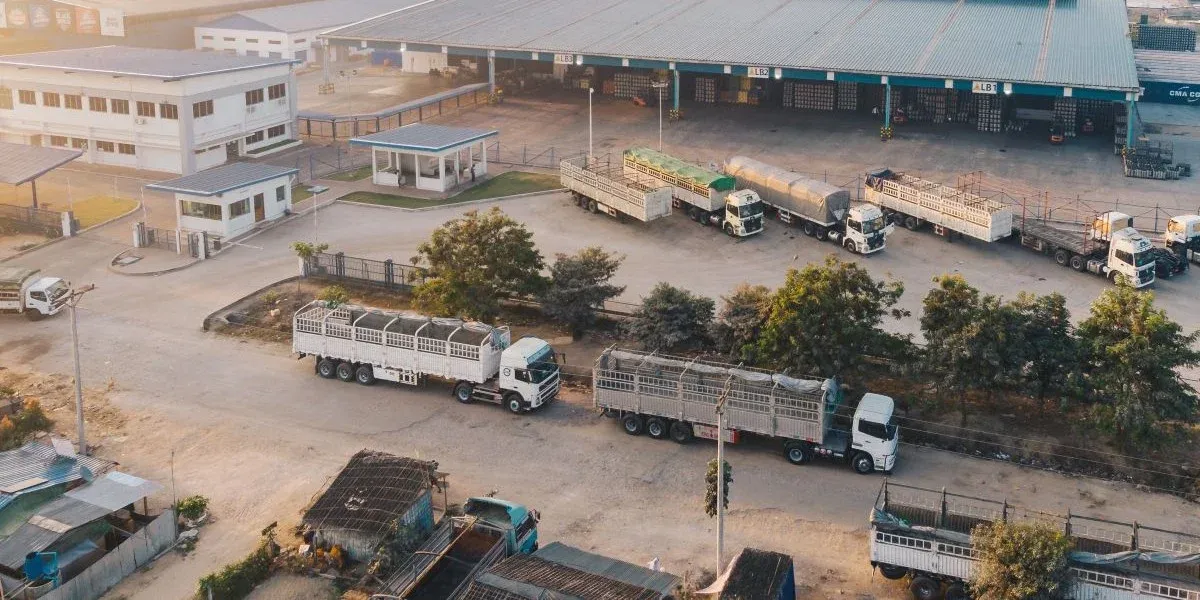
For LPR software to deliver its full potential, seamless integration with a company's existing Field Service Management (FSM) systems and other operational platforms is crucial. This integration creates a unified ecosystem where data flows freely, enhancing overall capabilities.
Effective integration allows ALPR data to flow seamlessly into FSM platforms, enterprise resource planning (ERP) systems, and customer relationship management (CRM) tools. This eliminates data silos and ensures that all relevant departments have access to consistent, up-to-date information regarding fleet movements.
By integrating License plate recognition data, a company can create a centralized operations dashboard that offers a holistic view of the entire field service operation. This dashboard can display real-time vehicle locations, technician statuses, job progress, and security alerts all in one place. Managers gain a comprehensive overview, enabling quicker decision-making and more effective oversight.
Integration with mobile workforce management solutions empowers field technicians with better information and streamlines their daily tasks. For instance, ALPR data confirming a technician's departure from a site can automatically push the next job details to their mobile device.
Field service often involves the movement of parts, tools, and supplies. Integrating ALPR data with supply chain management systems can optimize the logistics of receiving and distributing these items. For example, License plate recognition can track service vehicles arriving at a warehouse to pick up specific parts, ensuring the parts are ready for collection and reducing vehicle waiting times.
While off-the-shelf integrations exist, many field service businesses have unique operational requirements. ALPR system providers often offer robust Application Programming Interfaces (APIs) that allow for custom integration with proprietary systems or specialized software.
New advancements in artificial intelligence, processing power, and connectivity are continually pushing the boundaries of what ALPR can achieve for field service fleets.
Artificial intelligence and machine learning are poised to make ALPR systems even more robust and intelligent. AI can improve recognition accuracy in challenging conditions (e.g., poor lighting, damaged plates) and enable predictive analytics. Machine learning algorithms can analyze vast datasets of ALPR information to identify subtle patterns in fleet movements, predict maintenance needs based on vehicle activity, or forecast demand for services in specific areas.
Edge computing involves processing data closer to the source (i.e., at the camera or local server), rather than sending everything to a central cloud server. For ALPR, this means faster processing of license plate reads, reduced latency for real-time alerts, and less reliance on constant internet connectivity.
As autonomous vehicles become more prevalent, ALPR technology will play a crucial role in their integration into field service fleets. ALPR can help autonomous vehicles identify authorized parking zones, navigate complex depots, or verify their presence at delivery points without human intervention.
With growing concerns over data privacy, future ALPR systems will likely incorporate more advanced privacy-preserving techniques. This could include anonymization of data when not required for specific operational purposes, stricter access controls, and transparent data usage policies.
ALPR's capabilities extend beyond individual fleet management. In the future, it will play a larger role in smart city initiatives and urban logistics. Field service fleets leveraging ALPR could integrate with city-wide systems to optimize traffic flow, identify available parking for service vehicles, and contribute to overall urban planning.
Deploying ALPR software for a field service fleet involves more than just installing cameras; it requires careful planning and consideration of various factors. From selecting the right technology to ensuring data security, this section outlines key implementation considerations to ensure a successful integration.
Selecting the appropriate ALPR solution is crucial and depends heavily on the specific needs and scale of the field service fleet. Factors to consider include accuracy rates in different weather conditions, speed of recognition, integration capabilities with existing systems, scalability, and budget. Businesses should look for vendors with proven track records in the fleet management sector.
ALPR systems collect sensitive data, making data privacy and security paramount. Implementing robust security measures, such as encryption, access controls, and regular security audits, is essential to protect against unauthorized access or breaches. Companies must also establish clear data retention policies and ensure compliance with relevant data protection regulations (e.g., GDPR, CCPA).
Successful ALPR implementation requires specific hardware, including high-resolution ALPR cameras, appropriate lighting (often infrared), and reliable networking infrastructure. The placement of cameras at strategic entry/exit points, job sites, and depots must be carefully planned to optimize coverage and accuracy.
Even the most advanced ALPR system will not be effective without proper training for the personnel who will use it. Dispatchers, fleet managers, security staff, and even technicians need to understand how to interpret ALPR data, manage alerts, and integrate the information into their daily workflows.
Field service fleets often grow and evolve, so the chosen ALPR solution must be scalable to accommodate future expansion. It should be able to handle an increasing number of vehicles, cameras, and data volumes without requiring a complete system overhaul.

While ALPR software offers many advantages, its adoption is not without potential challenges. Addressing these proactively with well-thought-out solutions is key to a smooth and successful implementation. This section discusses common obstacles and strategies to overcome them.
ALPR accuracy can be affected by various environmental factors, such as extreme weather conditions (heavy rain, snow, fog), poor lighting, dirty or damaged license plates, and high vehicle speeds. These conditions can lead to misreads or missed reads, impacting the reliability of the data.
Solutions include using advanced ALPR cameras with enhanced low-light capabilities and infrared illuminators, implementing robust image processing algorithms, and considering multiple camera angles at critical checkpoints. Regular maintenance of cameras and encouraging technicians to keep plates clean can also mitigate these issues, ensuring consistent data quality.
The initial investment in ALPR hardware, software, and integration can be substantial, posing a challenge for some businesses. Calculating a clear return on investment (ROI) is essential to justify the costs. This involves quantifying savings from reduced fuel consumption, improved efficiency, decreased theft, faster service delivery, and streamlined compliance.
Highlighting these tangible benefits helps in making a strong business case for ALPR adoption. Phased implementation, starting with critical areas and expanding gradually, can also help manage costs while demonstrating early successes and building momentum for wider deployment.
Integrating ALPR software with existing legacy FSM, ERP, or CRM systems can be complex, especially if these systems lack modern APIs or robust integration capabilities. This can lead to data silos or require significant custom development. The solution lies in careful planning, thorough system audits, and choosing ALPR providers that offer flexible integration options and support.
Leveraging middleware or data orchestration platforms can also simplify complex integrations, creating a unified operational ecosystem without overhauling existing systems entirely. A well-defined integration strategy is crucial for seamless data flow.
The use of ALPR technology can sometimes raise privacy concerns among employees, customers, and the general public, particularly regarding data collection and surveillance. Addressing these concerns openly and transparently is vital. Businesses should clearly communicate the purpose of ALPR (e.g., operational efficiency, security, not personal surveillance), implement strict data privacy policies, and ensure compliance with all relevant regulations.
Anonymizing data where possible and restricting access to sensitive information helps build trust and acceptance, demonstrating a commitment to ethical data handling.
Field service fleets often operate across different jurisdictions, each with its own set of regulations regarding data collection, privacy, and vehicle tracking. Ensuring compliance with varied local, state, and national laws can be a complex challenge.
Solutions involve staying updated on regulatory changes, consulting legal experts, and selecting ALPR solutions that offer configurable privacy settings and reporting features to meet diverse compliance requirements. Adopting a "privacy by design" approach from the outset can simplify compliance efforts and protect the business from legal penalties across all operating regions.
Folio3 AI develops tailored Automatic License Plate Recognition systems designed specifically for complex fleet operations. Our platform combines advanced computer vision, real-time processing, and flexible integration capabilities to solve unique operational challenges across industries, from logistics to utilities to field service providers.
Advanced computer vision algorithms capture and process license plates instantly as vehicles pass checkpoints. The system operates continuously with high accuracy rates across varying lighting conditions, weather, and plate formats, ensuring no vehicle movement goes unrecorded throughout your facilities.
Every vehicle scan generates an immutable, timestamped record stored securely in your database. These logs provide audit trails for compliance reporting, enable precise billing calculations, support incident investigations, and eliminate manual logging errors that plague traditional tracking methods.
A unified interface aggregates all ALPR data into actionable insights—live fleet status, historical movement patterns, utilization metrics, and alert management. The dashboard is customizable to your KPIs, supports role-based access, and generates automated reports for operational review.
Our architecture scales effortlessly from single-location deployments to enterprise-wide networks monitoring thousands of vehicles simultaneously. Distributed processing ensures consistent performance across geographically dispersed sites while maintaining centralized visibility for regional and corporate fleet managers.
Built on secure cloud infrastructure with enterprise-grade encryption and compliance certifications (SOC 2, GDPR-ready). RESTful APIs enable seamless integration with existing FSM, ERP, dispatch, and telematics platforms, eliminating data silos and enabling automated workflows across your technology stack.

{ "@context": "https://schema.org", "@type": "FAQPage", "mainEntity": [ { "@type": "Question", "name": "Is license plate recognition solution legal for field service fleets?", "acceptedAnswer": { "@type": "Answer", "text": "Yes, ALPR software is generally legal for field service fleets, especially when used on private property or for legitimate business purposes like asset tracking, security, and operational efficiency. However, it's crucial for businesses to adhere to local, state, and national privacy laws and regulations regarding data collection and retention. Transparency with employees about its use is also recommended." } }, { "@type": "Question", "name": "How accurate is ALPR software in different weather conditions?", "acceptedAnswer": { "@type": "Answer", "text": "Modern ALPR software, especially when paired with high-quality, specialized cameras (often with infrared capabilities) and advanced AI algorithms, can achieve high accuracy rates even in challenging weather conditions like rain, snow, or low light. However, extreme conditions or heavily obscured plates can still impact performance. Regular maintenance of cameras and ensuring clear plates on vehicles help maximize accuracy." } }, { "@type": "Question", "name": "Can ALPR software integrate with my existing fleet management system?", "acceptedAnswer": { "@type": "Answer", "text": "Most ALPR software solutions offer robust integration capabilities, often through APIs (Application Programming Interfaces) or pre-built connectors. This allows them to seamlessly exchange data with popular Field Service Management (FSM), Enterprise Resource Planning (ERP), and Customer Relationship Management (CRM) systems, creating a unified operational view. It's important to discuss integration needs with potential ALPR vendors." } }, { "@type": "Question", "name": "What are the main security benefits of using ALPR for a field service fleet?", "acceptedAnswer": { "@type": "Answer", "text": "ALPR significantly enhances security by preventing unauthorized vehicle access to depots or job sites, deterring vehicle and equipment theft, and providing precise forensic data in case of incidents. It can trigger real-time alerts for suspicious activities, enforce geofence boundaries, and ensure that only approved vehicles are operating within designated zones, thereby protecting valuable assets and improving overall safety." } }, { "@type": "Question", "name": "What is the typical ROI for implementing ALPR software in a field service fleet?", "acceptedAnswer": { "@type": "Answer", "text": "The ROI for ALPR can vary widely depending on the fleet's size, operational challenges, and how effectively the system is utilized. However, common areas of return include reduced operational costs (fuel, labor), decreased losses from theft or damage, improved efficiency leading to more service calls, better customer satisfaction, and reduced compliance risks. Many businesses see a return within a few months to a couple of years through these combined savings and gains." } } ] }
Yes, license plate recognition software is generally legal for field service fleets, especially when used on private property or for legitimate business purposes like asset tracking, security, and operational efficiency. However, businesses must adhere to local, state, and national privacy laws and regulations regarding data collection and retention. Transparency with employees about its use is also recommended.
Modern ALPR software, especially when paired with high-quality, specialized cameras (often with infrared capabilities) and advanced AI algorithms, can achieve high accuracy rates even in challenging weather conditions like rain, snow, or low light. However, extreme conditions or heavily obscured plates can still impact performance. Regular maintenance of cameras and ensuring clear plates on vehicles help maximize accuracy.
Most ALPR software solutions offer robust integration capabilities, often through APIs (Application Programming Interfaces) or pre-built connectors. This allows them to seamlessly exchange data with popular Field Service Management (FSM), Enterprise Resource Planning (ERP), and Customer Relationship Management (CRM) systems, creating a unified operational view. It's important to discuss integration needs with potential ALPR vendors.
ALPR significantly enhances security by preventing unauthorized vehicle access to depots or job sites, deterring vehicle and equipment theft, and providing precise forensic data in case of incidents. It can trigger real-time alerts for suspicious activities, enforce geofence boundaries, and ensure that only approved vehicles are operating within designated zones, thereby protecting valuable assets and improving overall safety.
The ROI for ALPR can vary widely depending on the fleet's size, operational challenges, and how effectively the system is utilized. However, common areas of return include reduced operational costs (fuel, labor), decreased losses from theft or damage, improved efficiency leading to more service calls, better customer satisfaction, and reduced compliance risks. Many businesses see a return within a few months to a couple of years through these combined savings and gains.