
Loading...
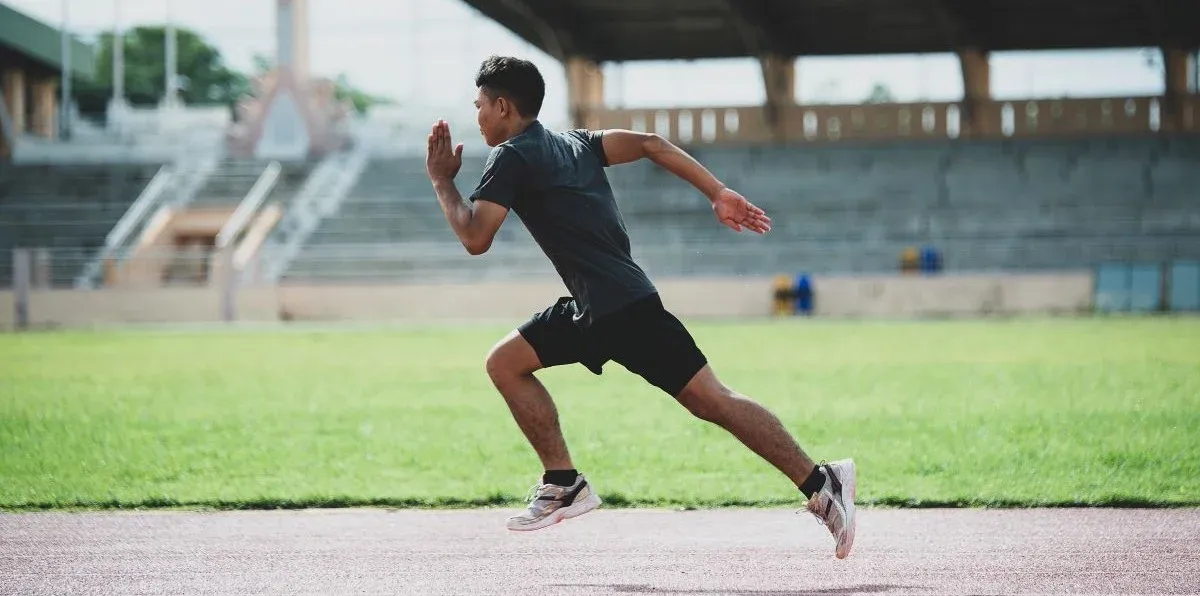
Every weekend, millions of fans witness the precision of modern athletics, a perfectly timed pass, a strategic substitution that changes the game, or an athlete peaking at exactly the right moment. Behind these moments lies a sophisticated network of player performance analysis solutions that are transforming how coaches prepare, strategize, and develop their teams.
Gone are the days when coaching relied solely on intuition and basic statistics. Today's successful programs leverage artificial intelligence, real-time data analytics, and predictive modeling to gain competitive advantages that were unimaginable just five years ago.
According to industry research, teams using data analytics achieve 15% higher productivity compared to traditional methods. At Folio3 AI, we specialize in creating custom AI solutions that help sports organizations harness this data revolution for measurable competitive advantages.

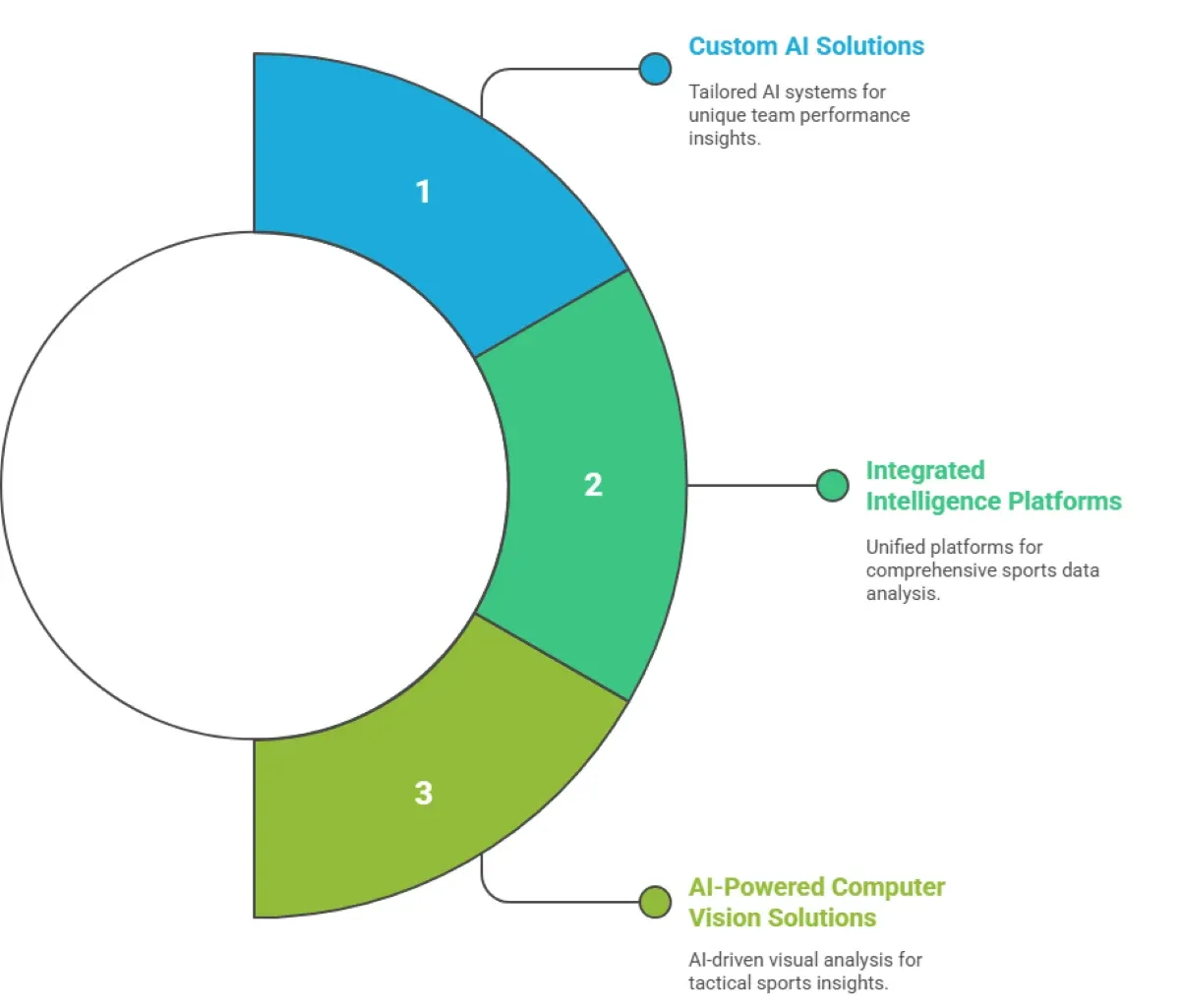
Three revolutionary categories of performance analysis solutions have emerged as game-changers for coaching programs worldwide. Each offers unique capabilities that transform how teams analyze, prepare, and compete in modern sports.
Companies like Folio3 AI create tailored artificial intelligence systems designed specifically for individual teams' unique requirements, coaching philosophies, and competitive strategies. It delivers proprietary performance insights that competitors cannot access through custom-built analytical solutions.
AI transforms athletic performance by providing coaches with insights into player capabilities. It reveals hidden patterns in movement efficiency, decision-making quality, and performance optimization opportunities that traditional analysis methods cannot detect or measure effectively.
Advanced computer vision solutions for play fields and sensor data analysis provide instant biomechanical feedback and performance tracking metrics. It includes speed zones, explosive moments, distance covered, acceleration, and deceleration patterns for immediate coaching adjustments.
Intelligent systems deliver tactical breakdowns and player performance reports within minutes of game completion. They eliminate hours of manual review while providing deeper insights than traditional analysis methods can achieve.
Early detection systems monitor biomechanics and fatigue patterns to keep athletes performing at peak levels throughout the season. It uses predictive modeling to identify injury risks weeks before problems manifest physically.
AI-curated content and personalized experiences deepen supporter loyalty while creating new revenue opportunities. These solutions deliver intelligent content generation, interactive commentary, and sponsorship value optimization.
Solutions unify all performance data sources into a single, intelligent analysis environment. They act as a central nervous system for modern coaching operations, connecting multiple data streams and analytical workflows.
It combines video footage, wearable device metrics, tactical analysis, and environmental factors into cohesive platforms. This eliminates data silos while providing complete athlete profiles that show performance correlations across all dimensions.
Machine learning forecasts optimal training loads, injury risks, and performance peaks by analyzing historical patterns, current conditions, and individual athlete responses to create personalized development and competition preparation strategies.
Platforms adapt to different sports requirements while maintaining consistent analytical frameworks, allowing organizations with multiple teams to standardize performance analysis approaches while respecting sport-specific needs and coaching methodologies.
Advanced data protection and privacy controls ensure athlete information remains secure. They also enable authorized access for coaching staff, medical teams, and performance analysts through role-based permissions and compliance frameworks.
Solutions grow from individual athletes to entire organizations. They support program expansion while maintaining analytical consistency and enabling seamless data sharing across different team levels and competitive divisions.
Advanced visual analysis platforms use artificial intelligence to extract tactical, technical, and strategic insights from video footage automatically. They eliminate manual coding requirements while delivering professional-level analytical capabilities.
AI identifies key moments, plays, and patterns without human intervention. This dramatically reduces analysis time while improving consistency and objectivity in performance assessment and tactical pattern recognition across multiple games.
Tracks athlete movements and biomechanics using only standard video cameras. This eliminates wearable device requirements while providing movement analysis for technique improvement and injury prevention without additional hardware investments.
Measures technique consistency and improvement over time with objective precision. It provides quantifiable metrics for skill development tracking and creates personalized training recommendations based on individual performance patterns.
Generates detailed opponent analysis reports from game footage automatically. It identifies tactical tendencies, strategic weaknesses, and player-specific patterns that inform game planning and competitive preparation without manual video review.
Solutions efficiently adapt to growing team sizes and expanding program needs, maintaining analysis quality while reducing per-athlete costs and enabling professional-level insights at all competitive levels.
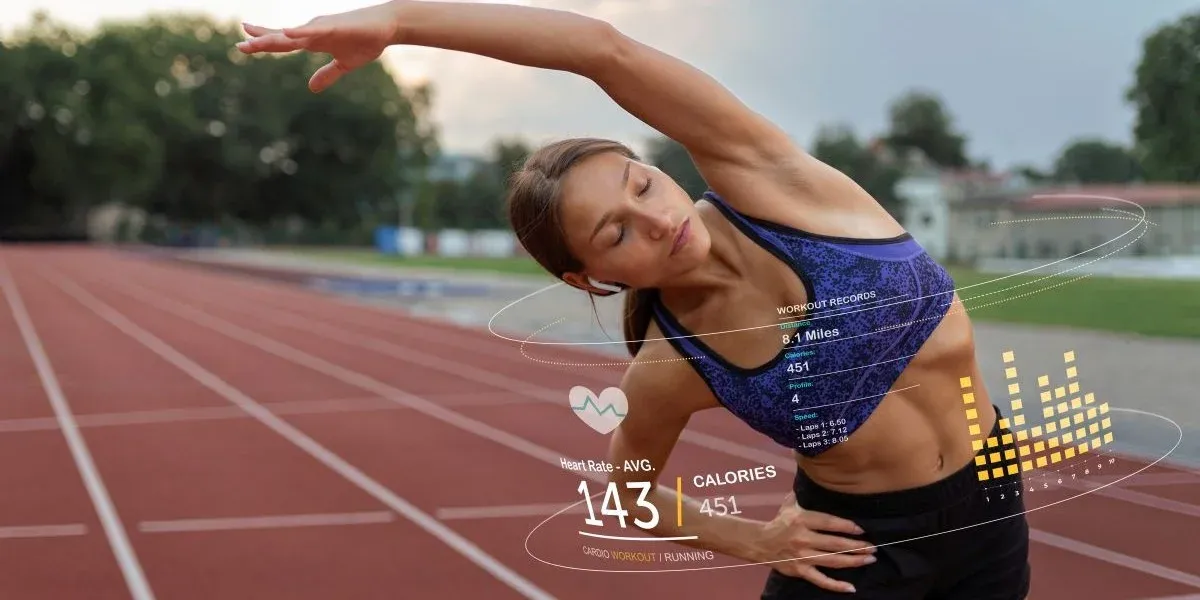
Modern coaching demands data-driven decision-making capabilities that transform raw athletic performance into actionable insights, making sophisticated analysis solutions absolutely critical for competitive success at every level.
Teams without advanced analysis capabilities face measurable disadvantages against data-driven opponents. Performance gaps widen as analytical sophistication becomes standard practice rather than an optional enhancement in competitive sports environments.
Sports injuries create substantial financial burdens for organizations across all levels of competition. Healthcare costs for treating sports-related injuries represent millions in annual expenses. Professional teams also face massive salary obligations for sidelined players.
Traditional analysis methods consume significant coaching resources that should focus on actual athlete development. Automated solutions improve insight quality and decision-making speed with dramatic time savings.
Modern competition requires immediate tactical adjustments based on live performance data. Successful programs use real-time analysis for substitution timing, strategy modifications, and in-game competitive advantages.
Multi-season athlete progression requires data collection and analysis capabilities. These identify development patterns, optimize training periodization, and predict performance peaks for major competition timing and preparation.
Multi-season athlete progression requires data collection and analysis capabilities. They help identify development patterns, optimize training periodization, and predict performance peaks for major competition timing and preparation.
Instant performance monitoring during training and competition enables immediate coaching adjustments, with live analysis capabilities providing tactical insights and performance alerts that influence critical in-game and training decisions.
AI-powered forecasting capabilities predict injury risks, performance peaks, and optimal training loads weeks in advance, enabling proactive coaching decisions that prevent problems and optimize athlete development and competition readiness.
Integration with existing team systems eliminates workflow disruption while enabling data sharing between coaching staff, medical teams, and performance analysts through unified analytical environments and standardized reporting.
Field-ready interfaces provide coaching-relevant insights on any device, ensuring critical performance data remains accessible during training sessions, competitions, and strategic planning meetings regardless of location or technical infrastructure.
Personalized views match individual coaching preferences and responsibilities, allowing different staff members to focus on relevant performance dimensions while maintaining access to athlete profiles and team analytics.
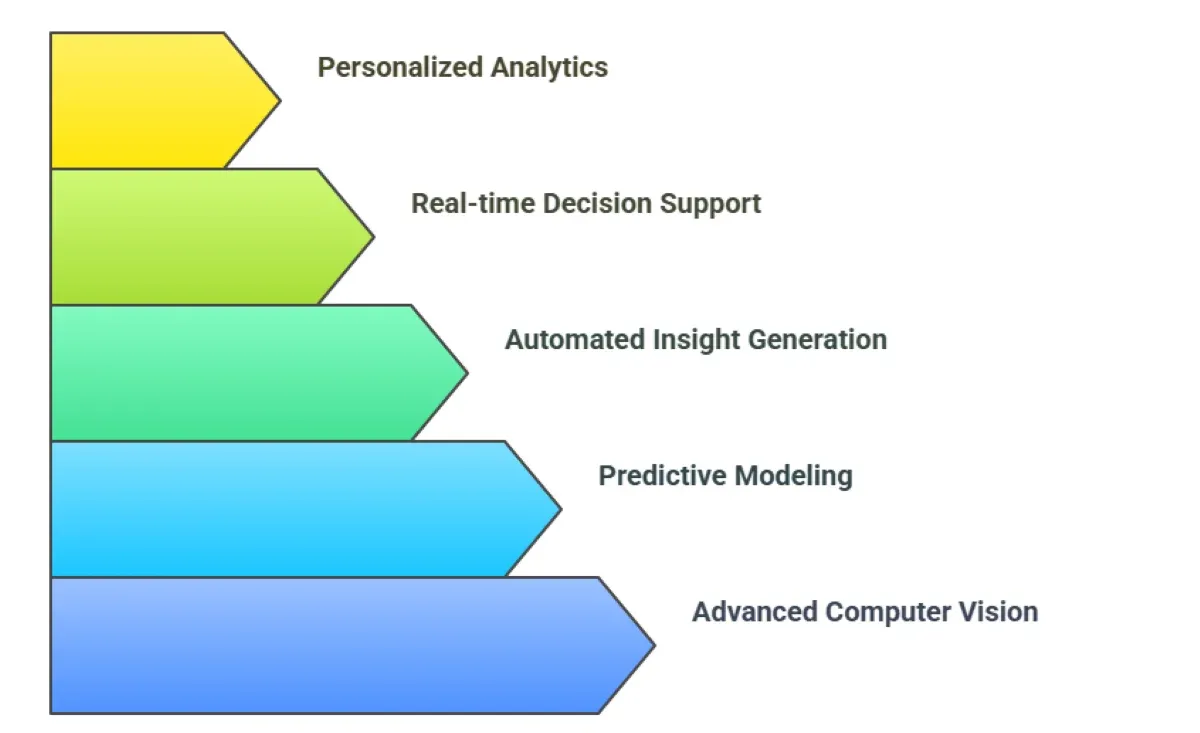
Artificial intelligence transforms every aspect of performance analysis, from data collection and pattern recognition to predictive modeling and automated insight generation. T
Wearable-free tracking provides movement analysis using only video cameras, delivering biomechanical assessments, tactical pattern recognition, and technical skill evaluation without requiring additional hardware investments or athlete equipment compliance.
AI-driven forecasting delivers specific action recommendations rather than descriptive statistics, with machine learning models predicting optimal training adjustments, injury prevention strategies, and performance optimization opportunities weeks before traditional analysis methods.
Intelligent systems create reports, highlight reels, and strategic recommendations without human intervention, reducing analysis complexity while improving consistency and enabling coaching staff to focus on implementation.
Live analytical capabilities provide immediate coaching alerts during training and competition, with AI systems identifying tactical opportunities, performance concerns, and strategic adjustments that influence critical moment-to-moment coaching decisions.
Custom algorithms adapt to individual athlete profiles and team methodologies, creating unique analytical capabilities that align with specific coaching philosophies while providing competitive advantages unavailable through standardized solutions.
Selecting appropriate performance analysis solutions requires careful evaluation of program needs, technical capabilities, budget constraints, and long-term strategic goals to ensure maximum return on investment and competitive advantage development.
Professional programs require integration platforms, semi-professional teams benefit from specialized analysis tools, while grassroots organizations succeed with accessible entry-level solutions that provide essential performance tracking and development insights.
Existing technology capabilities, staff expertise, and integration requirements determine solution compatibility and implementation complexity, with successful deployments matching analytical sophistication to organizational technical readiness and support capabilities.
Investment levels range from basic solutions to comprehensive platforms. The sports analytics market is experiencing significant growth, with organizations at every level recognizing the value of data-driven decision-making and investing in performance analysis technologies.
Team sports prioritize tactical analysis and formation tracking, individual sports focus on biomechanics and technique assessment, while contact sports emphasize injury prevention and load management through specialized analytical approaches.
Scalable solutions accommodate program growth and changing needs, with successful implementations considering technology evolution, competitive changes, and emerging analytical capabilities that influence future coaching effectiveness and competitive positioning.
Successful performance analysis solution deployment requires systematic planning, staff training, and gradual capability expansion to ensure maximum utilization and positive impact on coaching effectiveness and competitive performance outcomes.
Starting with specific use cases before full implementation allows teams to demonstrate value, build staff confidence, and refine workflows while minimizing risk and ensuring successful solution adoption across organizations.
Education programs covering solution capabilities, analytical interpretation, and coaching application ensure all team members can effectively utilize performance insights to enhance athlete development and competitive preparation strategies.
Establishing consistent collection standards and analysis procedures ensures reliable insights while building organizational analytical capabilities that support evidence-based coaching decisions and performance optimization strategies throughout programs.
Systematic capability expansion allows teams to master foundational features before adding advanced analytics, ensuring effective utilization while building organizational expertise that maximizes solution value and competitive advantage development.
Regular evaluation of solution effectiveness through competitive outcomes, training efficiency improvements, and injury reduction metrics validates investment decisions while identifying optimization opportunities that enhance coaching effectiveness and athlete performance.
Emerging technologies and coaching methodologies will continue transforming performance analysis capabilities, creating new opportunities for competitive advantage while requiring strategic planning for technology adoption and organizational development.
AI will support every coaching decision and strategic choice, with intelligent systems providing real-time recommendations, automated analysis, and predictive insights that transform coaching from intuition-based to data-driven decision-making across all levels.
Computer vision advancement will eliminate physical sensor requirements while providing more tracking capabilities, reducing athlete equipment burdens while increasing analytical precision and accessibility across different sports and competitive levels.
Advanced pattern recognition in complex, multi-dimensional datasets will reveal performance insights currently impossible to detect, enabling unprecedented understanding of athletic performance optimization and competitive strategy development through quantum analytical capabilities.
Performance data will combine with medical, nutritional, and psychological insights to create complete athlete wellness profiles, enabling development strategies that optimize every aspect of athletic performance and long-term career success.
AI-driven training session management will provide real-time optimization recommendations, automated drill selection, and dynamic adjustment capabilities that enhance coaching effectiveness while maintaining human strategic oversight and athlete relationship development.

Coaches use integrated intelligence platforms, AI-powered computer vision solutions, and custom AI development tools like Folio3 AI to analyze player performance through video analysis, wearable data integration, and predictive modeling capabilities.
AI automates video analysis, predicts injury risks, provides real-time performance insights, and creates personalized training recommendations while reducing analysis complexity and improving decision-making accuracy through objective data interpretation.
The best video analysis solutions combine automated event detection, pose estimation technology, and tactical pattern recognition to deliver professional-level insights without manual coding requirements, adapting to specific sport needs.
GPS tracking devices, heart rate monitors, and motion sensors are most commonly used, with integrated platforms synchronizing wearable data with video analysis for comprehensive performance assessment and optimization.
Yes, AI analyzes biomechanics, training loads, and performance patterns to predict injury risks. Companies report reductions of soft-tissue injuries by 50% and training days lost to injury reduced by 53%.
Essential features include real-time data processing, predictive analytics, cross-platform compatibility, mobile accessibility, automated reporting, and customizable dashboards that match specific coaching needs and organizational workflows.
Performance software provides real-time monitoring during training, automated session analysis, immediate feedback delivery, and training load optimization recommendations that enhance coaching effectiveness and athlete development throughout programs.
Top options include custom AI development solutions, integrated intelligence platforms, and computer vision analysis tools that provide performance insights while adapting to specific sport requirements and organizational needs.
Professional teams use AI for personalized training programs, injury prevention, tactical analysis, opponent scouting, and performance optimization through predictive modeling and real-time decision support during training and competition.
Folio3 AI creates custom analytical capabilities unavailable to competitors, provides complete solution ownership, adapts perfectly to specific coaching philosophies, and delivers unique competitive advantages through proprietary performance insights and algorithms.