

Loading...
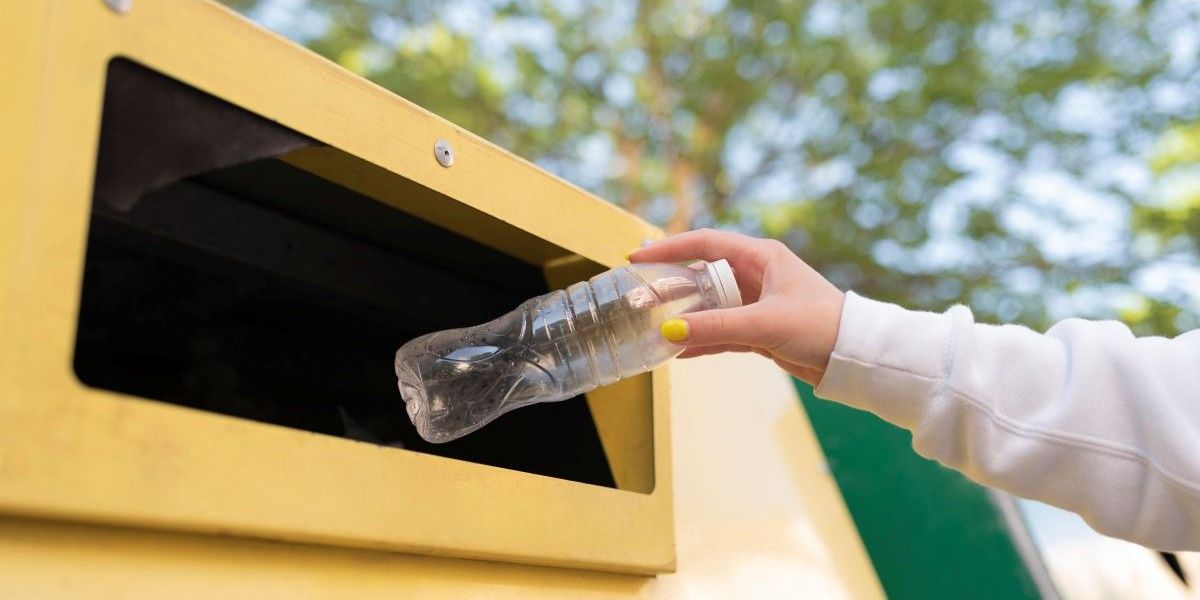
Every morning, waste collection crews start their shifts knowing they'll face the same frustrating reality: emptying bins that are barely a quarter full while racing to clean up overflowing containers just blocks away. This inefficient system costs municipalities billions annually while creating environmental and public health challenges.
Urban waste management has reached a critical juncture where traditional collection methods can no longer handle the mounting pressure. Meanwhile, global municipal solid waste generation reached 2.1 billion tonnes in 2023 and is projected to surge to 3.8 billion tonnes by 2050.
Smart waste bins equipped with sensors and AI capabilities are transforming how cities approach waste management, moving from scheduled pickups to data-driven collection routes that respond to actual fill levels and usage patterns.
Smart waste management represents a fundamental shift from reactive to proactive waste collection strategies. These systems combine Internet of Things (IoT) sensors, artificial intelligence algorithms, and cloud-based platforms to monitor bin fill levels in real time.
The technology works by placing ultrasonic sensors inside waste containers that measure fill levels throughout the day. This data flows to centralized management platforms where AI algorithms analyze patterns and create optimized collection routes. For waste management companies, this means trucks only visit bins that actually need emptying, eliminating unnecessary stops and reducing fuel consumption.
Modern smart waste systems extend beyond simple fill level monitoring. They track usage patterns, predict peak waste generation times, and automatically adjust collection schedules based on local events or seasonal changes. This intelligence helps cities allocate resources more effectively while maintaining clean public spaces.
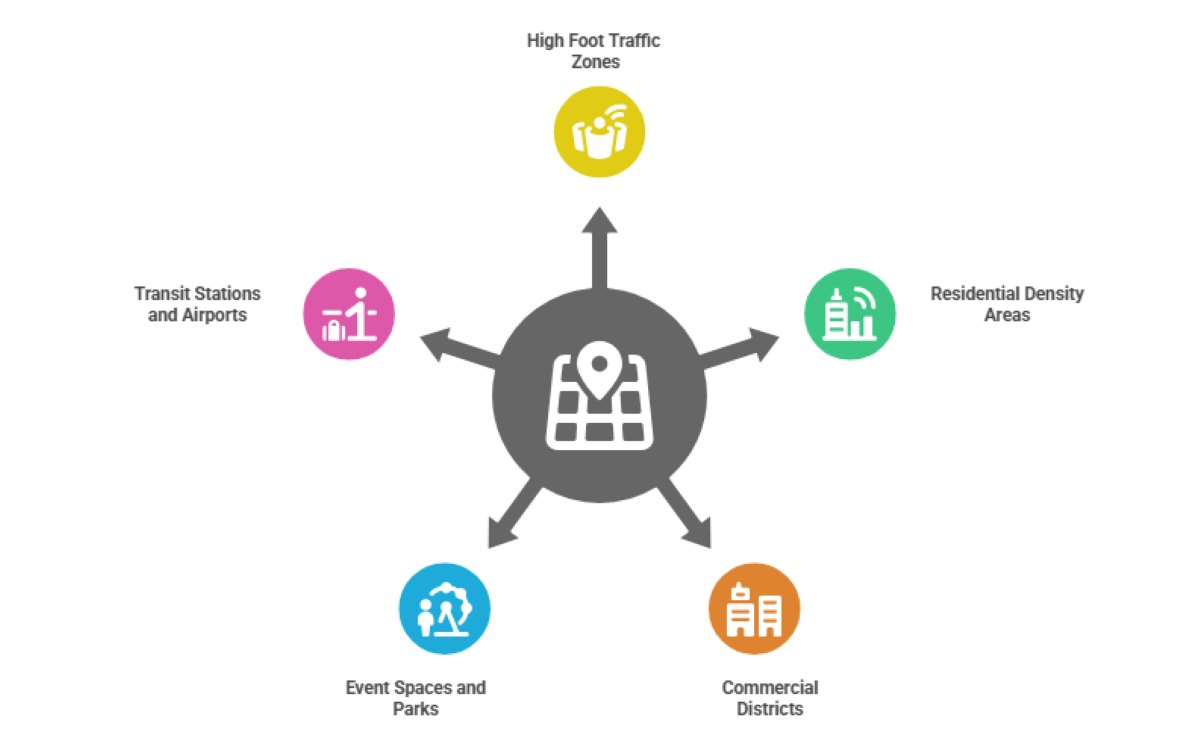
Strategic placement determines the success of any smart waste management system, requiring careful analysis of waste generation patterns and collection logistics.
Shopping districts, transportation hubs, and busy pedestrian areas generate consistent waste volumes throughout the day. These locations benefit most from real-time monitoring because usage patterns can vary based on events, weather, or seasonal shopping trends. Smart bins in these areas help prevent overflow during peak periods while avoiding unnecessary collections during slower times.
Apartment complexes and dense housing developments create concentrated waste generation points that traditional collection schedules often miss. Smart bins in these locations help property managers understand actual usage patterns and adjust collection frequency accordingly. The data also helps identify recycling compliance rates and optimize bin sizes for different residential areas.
Office buildings, business parks, and restaurant zones have predictable weekday waste patterns but may see dramatic changes during holidays or special events. Smart monitoring helps commercial waste haulers provide consistent service while adapting to changing business needs. These areas often generate higher value recyclables, making monitoring even more important for revenue optimization.
Public venues experience highly variable waste generation depending on events, weather, and seasonal usage. Smart bins in parks and event spaces help maintenance teams respond quickly to changing conditions while providing data for better event planning. These locations often require larger capacity monitoring to handle sudden surges in waste volume.
Transportation facilities deal with constant passenger flow but experience variations based on travel patterns, delays, and seasonal changes. Smart waste bins help facility managers maintain cleanliness standards while optimizing cleaning crew schedules. These high-visibility locations also serve as showcases for smart city initiatives.
Location selection requires balancing operational efficiency with service quality, considering both current needs and future growth patterns.
Areas with higher population density typically generate more consistent waste streams, making them ideal candidates for smart bin deployment. Census data and foot traffic studies help identify locations where smart monitoring will provide the most operational benefit. Dense areas also offer better return on investment due to higher usage rates per bin.
Historical waste data reveals which locations produce the most waste and when peak generation occurs. This information helps prioritize deployment locations and set appropriate monitoring thresholds. Seasonal variations and special event impacts should also factor into location selection to ensure year-round effectiveness.
New smart bins should integrate seamlessly with existing collection routes to maximize efficiency gains. Locations that create significant route deviations may not provide net benefits despite high waste generation. The goal is to find locations that improve overall route efficiency rather than simply monitoring the fullest bins.
Smart bins require reliable connectivity to transmit data effectively. Areas with strong cellular coverage or existing IoT networks make deployment easier and more cost-effective. Urban areas typically have better connectivity infrastructure, while rural locations may require additional network investment.
Collection crews need easy access to smart bins for both emptying and maintenance activities. Locations with parking restrictions, narrow streets, or limited maneuvering space can complicate operations despite good waste generation data. Balancing monitoring benefits with operational practicality ensures long-term system success.
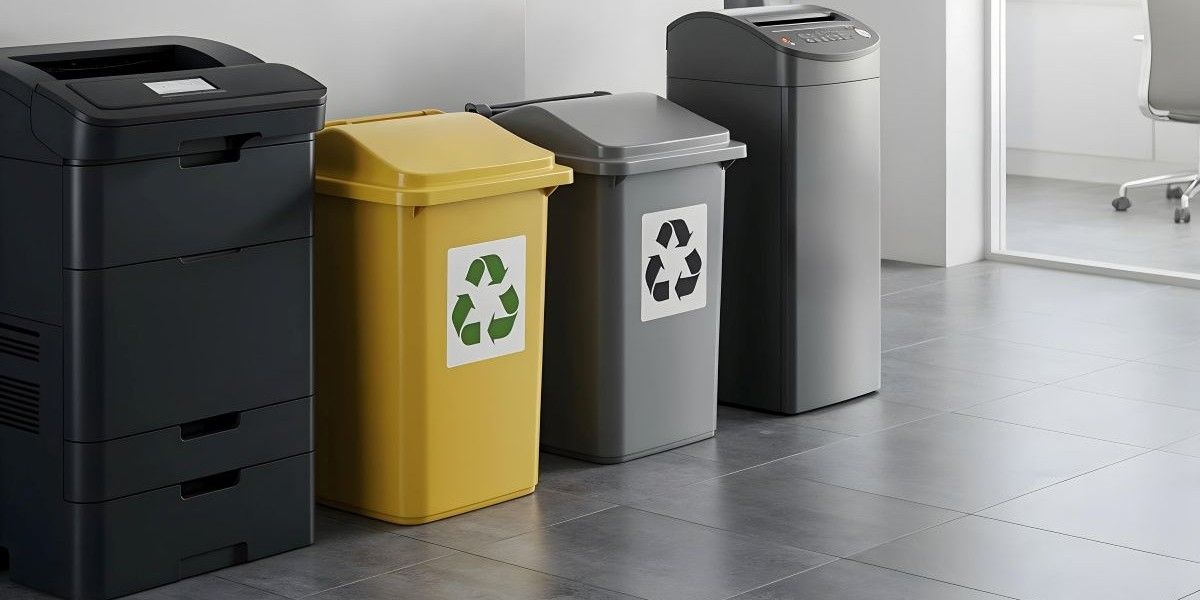
Artificial intelligence transforms raw sensor data into actionable collection strategies that adapt to changing conditions throughout the day.
AI algorithms process fill level data from multiple bins to create optimal collection routes in real time. Traditional routes follow fixed schedules regardless of actual need, while AI-powered systems adjust routes based on current conditions. This dynamic approach can reduce collection miles by 20 to 40% depending on bin distribution and usage patterns.
Machine learning models analyze historical data to predict when bins will reach capacity based on current fill rates and local conditions. These predictions help collection teams plan routes several days in advance while maintaining flexibility for unexpected changes. Weather data, local events, and seasonal patterns all contribute to more accurate predictions.
AI systems integrate traffic data and time constraints to determine optimal collection windows for each route. Morning rush hour traffic patterns differ from afternoon conditions, and smart routing accounts for these variations. Some systems even coordinate with traffic management platforms to minimize the collection vehicle's impact on congestion.
Advanced AI platforms balance multiple objectives simultaneously, including fuel costs, labor hours, vehicle capacity utilization, and service quality metrics. This multi-variable optimization ensures that route improvements don't create problems in other operational areas. The systems learn from operational feedback to continuously improve balancing decisions.
When unexpected situations arise, such as equipment failures or emergency collections, AI systems can rapidly recalculate routes to minimize disruption. Collection managers receive updated routes on mobile devices, allowing immediate implementation of changes. This flexibility helps maintain service levels even when original plans need modification.
Successful smart waste management requires systematic planning and ongoing optimization based on operational experience.
Before deploying smart bins, cities should conduct detailed waste generation studies to understand current patterns and inefficiencies. This baseline data helps justify smart bin investments and provides benchmarks for measuring improvement. Audits should cover different seasons and special events to capture full usage variation.
Starting with high-impact locations allows organizations to prove concept value before full-scale deployment. Early success stories help build internal support and refine operational procedures. A phased approach also spreads capital costs over time while allowing lessons learned to improve later deployments.
Smart bins work best when integrated with existing waste management software, fleet tracking systems, and municipal databases. This integration provides a complete operational picture and prevents data silos that limit optimization potential. API connectivity and data standardization help ensure smooth system integration.
Collection crews and management staff need proper training to maximize smart bin benefits. Understanding how to interpret sensor data, respond to alerts, and adjust routes based on AI recommendations ensures successful implementation. Training should cover both technical aspects and operational workflow changes.
Continuous monitoring of system performance helps identify areas for improvement and validates return on investment. Key metrics include collection cost per ton, route efficiency improvements, and service quality indicators. Regular performance reviews help refine deployment strategies and optimize system settings.
Smart waste management delivers measurable improvements across multiple operational and environmental dimensions.
Operational cost reduction: Cities typically achieve 15-30% collection cost reduction within the first year of smart bin deployment.
Environmental impact improvement: Smart routing reduces carbon emissions and increases recycling rates by up to 25% annually.
Service quality enhancement: Real-time monitoring prevents bin overflow situations while improving citizen satisfaction with municipal services.
Data-driven decision making: Smart systems generate valuable data supporting evidence-based policy making and infrastructure investment planning.
Scalability and future readiness: Investment creates foundations for broader smart city initiatives, including traffic and air quality monitoring.
Understanding typical deployment pitfalls helps cities avoid costly mistakes and accelerate implementation success.
Ignoring pedestrian behavior patterns: Placing bins based solely on volume data without considering pedestrian flow creates accessibility problems.
Overlooking seasonal variations: Many cities deploy without accounting for seasonal waste generation changes in tourist and retail areas.
Poor connectivity planning: Deploying in weak cellular coverage areas creates data transmission problems, limiting system effectiveness significantly.
Inadequate integration testing: Systems often fail when unable to integrate properly with existing fleet management and scheduling platforms.
Insufficient maintenance planning: Cities failing to plan technical maintenance experience declining system performance over extended operational periods.
Visual representation of a smart waste bin
Cities worldwide have demonstrated the practical benefits of strategic smart bin placement through measurable results and documented outcomes.
Seoul implemented one of the world's most successful smart waste management programs, deploying IoT-enabled bins throughout the metropolitan area. The city achieved an 83% reduction in waste collection costs while eliminating waste overflow issues. Collection frequency was reduced by 66% and recycling rates increased by 46%. The smart bins use solar power for compaction, increasing capacity by 700% and reducing collection visits by 85%.
Barcelona integrated smart waste management into its broader smart city initiative, implementing sensor-based monitoring across urban districts. The city achieved a 20% reduction in waste collection costs while maintaining service quality through optimized routing. The system processes real-time data to coordinate collection with other municipal services like street cleaning and maintenance, demonstrating the value of integrated smart city planning.
Amsterdam deployed smart waste bins as part of its circular economy program, focusing on high-density residential areas and commercial districts. The city reduced collection costs by 25% while increasing recycling rates by 35%. Real-time data helps coordinate collection schedules and optimize resource allocation across the city's waste management network.
Emerging technologies promise to further transform waste management through increased automation and predictive capabilities.
Self-driving waste collection trucks will coordinate directly with smart bin networks to create fully automated collection systems. Companies like Volvo and Mack are testing autonomous waste vehicles that can navigate collection routes without human drivers. These systems will optimize not just routes but also collection timing based on traffic and operational constraints.
Machine learning models are becoming more sophisticated at predicting waste generation patterns based on weather, events, economic conditions, and social media activity. These predictions help cities prepare for unusual waste volumes and adjust resources proactively. Integration with smart city data platforms provides a richer context for waste management decisions.
Generative AI models can create multiple route scenarios and evaluate trade-offs between different optimization goals in real time. These systems consider factors like fuel costs, labor availability, vehicle capacity, and service quality simultaneously. The technology helps waste managers explore options that traditional optimization algorithms might miss.
Smart waste management is expanding beyond municipal applications into industrial facilities, corporate campuses, and retail chains. These environments often have more predictable waste patterns but require integration with facility management systems and sustainability reporting. B2B applications typically show faster ROI due to higher waste volumes and an operational efficiency focus.
Future smart waste systems will connect directly with recycling facilities, waste-to-energy plants, and material recovery systems to optimize the entire waste stream. Real-time composition analysis and route optimization will support circular economy goals by ensuring materials reach appropriate processing facilities efficiently.
Folio3 AI combines proven waste management expertise with cutting-edge technology solutions to deliver smart bin deployments that generate measurable results from day one.
Folio3's machine learning algorithms are trained explicitly for waste management scenarios, understanding the unique challenges of urban collection routes, seasonal variations, and operational constraints that generic IoT platforms miss.
The platform connects directly with current fleet management software, weighbridge systems, and municipal databases without requiring expensive infrastructure overhauls or operational downtime during deployment phases.
Folio3's automated license plate recognition system tracks waste collection vehicles throughout their routes, providing real-time location data that integrates with smart bin sensors for comprehensive operational oversight.
Built on enterprise-grade cloud platforms, Folio3's system handles everything from pilot programs with 50 bins to city-wide networks with thousands of sensors while maintaining consistent performance and data security.
Beyond initial deployment, Folio3 provides ongoing system optimization, staff training, and technical support to ensure smart bin networks continue delivering improved efficiency and cost savings over time.
{ "@context": "https://schema.org", "@type": "FAQPage", "mainEntity": [ { "@type": "Question", "name": "What factors determine where to deploy smart waste bins?", "acceptedAnswer": { "@type": "Answer", "text": "Key factors include population density, waste generation patterns, existing collection routes, infrastructure connectivity, and maintenance accessibility. Areas with high foot traffic and variable usage patterns typically provide the best return on investment." } }, { "@type": "Question", "name": "How does AI improve waste collection routes?", "acceptedAnswer": { "@type": "Answer", "text": "AI analyzes real-time fill level data to create dynamic routes that only visit bins needing collection. The technology reduces unnecessary stops, optimizes travel distances, and predicts future collection needs based on usage patterns and local conditions." } }, { "@type": "Question", "name": "What are the best locations for smart waste bins in cities?", "acceptedAnswer": { "@type": "Answer", "text": "High traffic areas like shopping districts, dense residential complexes, commercial zones, public parks, and transportation hubs typically generate consistent waste volumes and benefit most from real-time monitoring capabilities." } }, { "@type": "Question", "name": "How do smart waste bins reduce operational costs?", "acceptedAnswer": { "@type": "Answer", "text": "Smart bins eliminate unnecessary collection stops, reduce fuel consumption, optimize labor deployment, and prevent costly overflow situations. Cities typically see 15 to 30% cost reductions within the first year of deployment." } }, { "@type": "Question", "name": "Can AI predict optimal bin placement in real time?", "acceptedAnswer": { "@type": "Answer", "text": "Advanced AI systems analyze usage patterns, demographic data, and seasonal variations to recommend optimal bin locations. These predictions improve over time as systems learn from operational experience and changing urban conditions." } }, { "@type": "Question", "name": "What role does IoT play in smart waste bin monitoring?", "acceptedAnswer": { "@type": "Answer", "text": "IoT sensors measure fill levels, track usage patterns, and transmit data to centralized management platforms. The technology enables real-time monitoring, predictive maintenance, and integration with broader smart city infrastructure systems." } }, { "@type": "Question", "name": "How do AI-powered bins impact urban cleanliness and sustainability?", "acceptedAnswer": { "@type": "Answer", "text": "Smart bins prevent overflow situations, optimize collection efficiency, and improve recycling compliance monitoring. Cities report cleaner public spaces, reduced carbon emissions from collection vehicles, and higher waste diversion rates from landfills." } }, { "@type": "Question", "name": "What are examples of cities using AI waste route optimization?", "acceptedAnswer": { "@type": "Answer", "text": "Singapore, Amsterdam, Barcelona, and Phoenix have successfully deployed smart waste systems with measurable results. These cities demonstrate 20 to 40% improvements in collection efficiency while maintaining or improving service quality." } }, { "@type": "Question", "name": "How does predictive analytics improve waste management efficiency?", "acceptedAnswer": { "@type": "Answer", "text": "Predictive models forecast bin fill rates based on historical data, weather conditions, and local events. This information helps collection teams plan routes in advance while maintaining flexibility for unexpected changes in waste generation patterns." } }, { "@type": "Question", "name": "What is the future of AI and IoT in smart city waste collection?", "acceptedAnswer": { "@type": "Answer", "text": "Future developments include autonomous collection vehicles, AI-driven recycling sorters, and integration with broader smart city networks for seamless and sustainable waste management." } } ] }
Key factors include population density, waste generation patterns, existing collection routes, infrastructure connectivity, and maintenance accessibility. Areas with high foot traffic and variable usage patterns typically provide the best return on investment.
AI analyzes real-time fill level data to create dynamic routes that only visit bins needing collection. The technology reduces unnecessary stops, optimizes travel distances, and predicts future collection needs based on usage patterns and local conditions.
High traffic areas like shopping districts, dense residential complexes, commercial zones, public parks, and transportation hubs typically generate consistent waste volumes and benefit most from real-time monitoring capabilities.
Smart bins eliminate unnecessary collection stops, reduce fuel consumption, optimize labor deployment, and prevent costly overflow situations. Cities typically see 15 to 30% cost reductions within the first year of deployment.
Advanced AI systems analyze usage patterns, demographic data, and seasonal variations to recommend optimal bin locations. These predictions improve over time as systems learn from operational experience and changing urban conditions.
IoT sensors measure fill levels, track usage patterns, and transmit data to centralized management platforms. The technology enables real-time monitoring, predictive maintenance, and integration with broader smart city infrastructure systems.
Smart bins prevent overflow situations, optimize collection efficiency, and improve recycling compliance monitoring. Cities report cleaner public spaces, reduced carbon emissions from collection vehicles, and higher waste diversion rates from landfills.
Singapore, Amsterdam, Barcelona, and Phoenix have successfully deployed smart waste systems with measurable results. These cities demonstrate 20 to 40% improvements in collection efficiency while maintaining or improving service quality.
Predictive models forecast bin fill rates based on historical data, weather conditions, and local events. This information helps collection teams plan routes in advance while maintaining flexibility for unexpected changes in waste generation patterns.
Future developments include autonomous collection vehicles, advanced predictive analytics, generative AI for route optimization, and integration with circular economy systems. These technologies will create fully automated waste management networks that adapt to changing urban conditions.