
Loading...
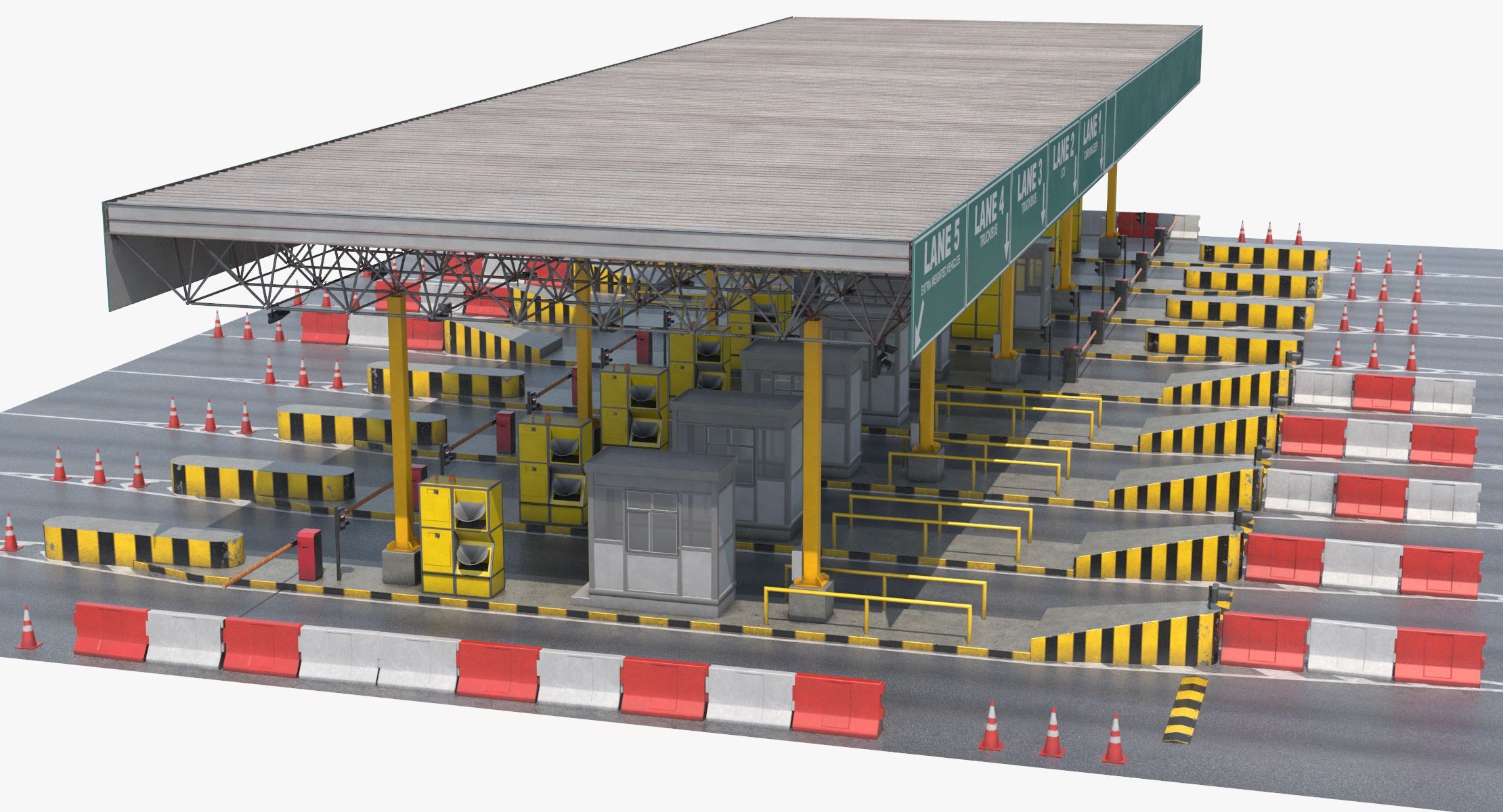

Money was lost due to theft or counting errors in the old days of cash collection. Paying tolls also required stopping at a booth, handing over cash or a card to a toll operator, and settling your bill. However, things have changed since then. This process has been reshaped by technology. The use of digital or automated toll payment systems eliminates the need for human interaction. With automated toll collection, also called electronic toll collection (ETC), vehicles are no longer required to stop at toll booths. Instead, the technology automatically identifies your vehicle and deducts the toll fee. This approach greatly enhances traffic flow and convenience when contrasted with traditional cash toll booths. Here's a breakdown of how it operates.
The first method is to detect cars approaching the toll lane. Several steps are required to detect all these cars.
Loop detectors: These loops are embedded in the road surface, and they detect the presence of a metal object (like a car) passing over them.
Microwave radar: Sensors emit radar waves that bounce off vehicles, allowing accurate detection in all weather conditions.
Video detection: Cameras capture vehicle images, enabling lane identification and traffic flow monitoring.
Another method is to identify all these detected vehicles for toll collection. Some steps are required for this purpose.
Radio Frequency Identification (RFID): A transponder, a small device with an embedded chip and antenna, is attached to your vehicle's windshield. As you approach a toll plaza, an RFID reader emits a signal. The transponder wakes up, transmits its unique ID to the reader, and voila! The toll plaza system identifies your pre-linked account and deducts the toll fee.
License Plate Recognition (LPR): High-resolution cameras capture your license plate as you pass the toll lane. The system automatically looks up the plate number in a database linked to registered accounts, verifies your identity, and debits the toll electronically.
People have many difficulties with manual toll collection methods, as cash collection can be inefficient. However, automated collection systems have restructured this process to ensure that tolls are collected accurately. Further, let's examine how automated toll systems using vehicle detection services have improved the experience of traveling on the road.
Feature Automated Toll Collection (ETC) Manual Toll Collection Payment Method Electronic (transponder or license plate recognition) Cash, coins, or pre-paid tickets Traffic Flow Faster - vehicles don't need to stop Faster - vehicles don't need to stop Efficiency Transactions are automatic Transactions require cash handling, potentially slower Revenue Collection More accurate - ensures tolls are collected Prone to errors - lost revenue from human error Emissions Lower - less idling at booths Lower - less idling at booths Safety Improved - smoother traffic flow reduces accidents Potential for increased risk - stopping and starting frequently Convenience Higher - no need to stop or fumble for cash Lower - requires stopping and interacting with the attendant Upfront Cost Lower (may require transponder purchase or registration) None Privacy Some may be concerned about electronic tracking No privacy concerns
Automated toll collection (ETC) systems are no longer limited to toll booths. They're also being used on highways and in urban areas, tackling issues in long-distance journeys and easing congestion in city centers. It gives the government the initiative to build modern infrastructure for sustainable transportation practices. Here are some of the benefits of toll collection.
No more stopping: Vehicles equipped with automated toll collection can breeze through toll lanes without having to stop, which helps cut down on traffic jams and wait times.
Speedier transactions: With automatic payments, there's no more fumbling with cash, making the toll collection process much quicker.
Predictable journeys: The smooth flow enabled by automated toll collection means drivers can expect more reliable travel times without unexpected delays.
Reduced labor costs: eliminates the need for toll booth attendants, lowering operational costs for toll authorities.
Accurate toll collection: Automatic identification collects tolls from every vehicle, minimizing lost revenue.
Faster incident response: Automated toll collection data can be used to monitor traffic flow and identify bottlenecks, allowing for quicker response to accidents or congestion.
Reduced emissions: Less idling at toll booths translates to lower air pollution from vehicle exhaust.
Improved fuel efficiency: Smoother traffic flow due to automated toll collection reduces stop-and-go situations, leading to better fuel economy for vehicles.
Data for future planning: Traffic data collected through automated toll collection can help optimize infrastructure development for a more sustainable transportation system.
Faster commutes: automated toll collection saves drivers time by eliminating the need to stop and pay cash at toll booths.
Reduced stress: A smoother driving experience with less congestion translates to a less stressful journey.
Improved safety: Consistent traffic flow minimizes the risk of accidents associated with frequent stopping and starting.
The Automated Toll Collection (ETC) market is experiencing significant growth, driven by several key trends. These trends indicate a bright future for the market. As technology continues to develop new trends, the focus on efficiency and sustainability intensifies, and we can expect even wider adoption of ETC systems worldwide. Here's a breakdown of how automated toll collection (ETC) is shaping up in the real world:
As cities expand, traffic jams become a major headache. Automated toll collection with vehicle detection services steps in as a solution, keeping traffic flowing smoothly through toll lanes, even as cities get busier.
Thanks to advancements in technologies like RFID and license plate recognition, ETC systems are becoming more reliable, efficient, and cost-effective.
Many governments are actively encouraging the adoption of ETC by offering incentives and upgrading infrastructure to support its wider use.
ETC is integrating with smart mobility solutions, such as connected vehicles and intelligent transportation systems. This integration uses data-driven approaches to manage traffic flow and toll collection.
ETC's environmental benefits, like reducing emissions from idling vehicles, are gaining attention, driving its adoption as a greener transportation option.
There's a push towards open standards and interoperability among different ETC systems. This means drivers can use the same transponder or account across various toll road operators without any hassle.
The major advantage of automated toll collection (ETC) is improved efficiency. It eliminates the hassle of stopping and fumbling for cash, making the driving experience more pleasant. Below down is the real application stating its purpose.
This regional system effortlessly connects over 25 toll agencies across multiple states. E-ZPass, the electronic toll collection system, has some impressive numbers to back it up. With over 38 million users, it's making commutes faster and reducing cash-handling errors by a whopping 95%. Plus, it's doing its part to clean up the air by cutting down on idling emissions at toll booths.
The 407 ETR expressway, which uses electronic toll collection, demonstrates how efficient ETC systems can be. The highway operates smoothly with minimal traffic congestion by employing vehicle detection services instead of traditional toll booths. This approach also ensures accurate toll collection, making the operation financially sustainable.
The M6 Toll motorway is a prime example of how electronic toll collection (ETC) works hand in hand with advanced traffic management systems. By employing variable tolling, the fees change in real time based on the current traffic situation. This smart approach not only helps ease congestion but also generates revenue for improving infrastructure. The M6 Toll stands out as a shining example of how efficient toll management can be achieved through ETC.