

Loading...
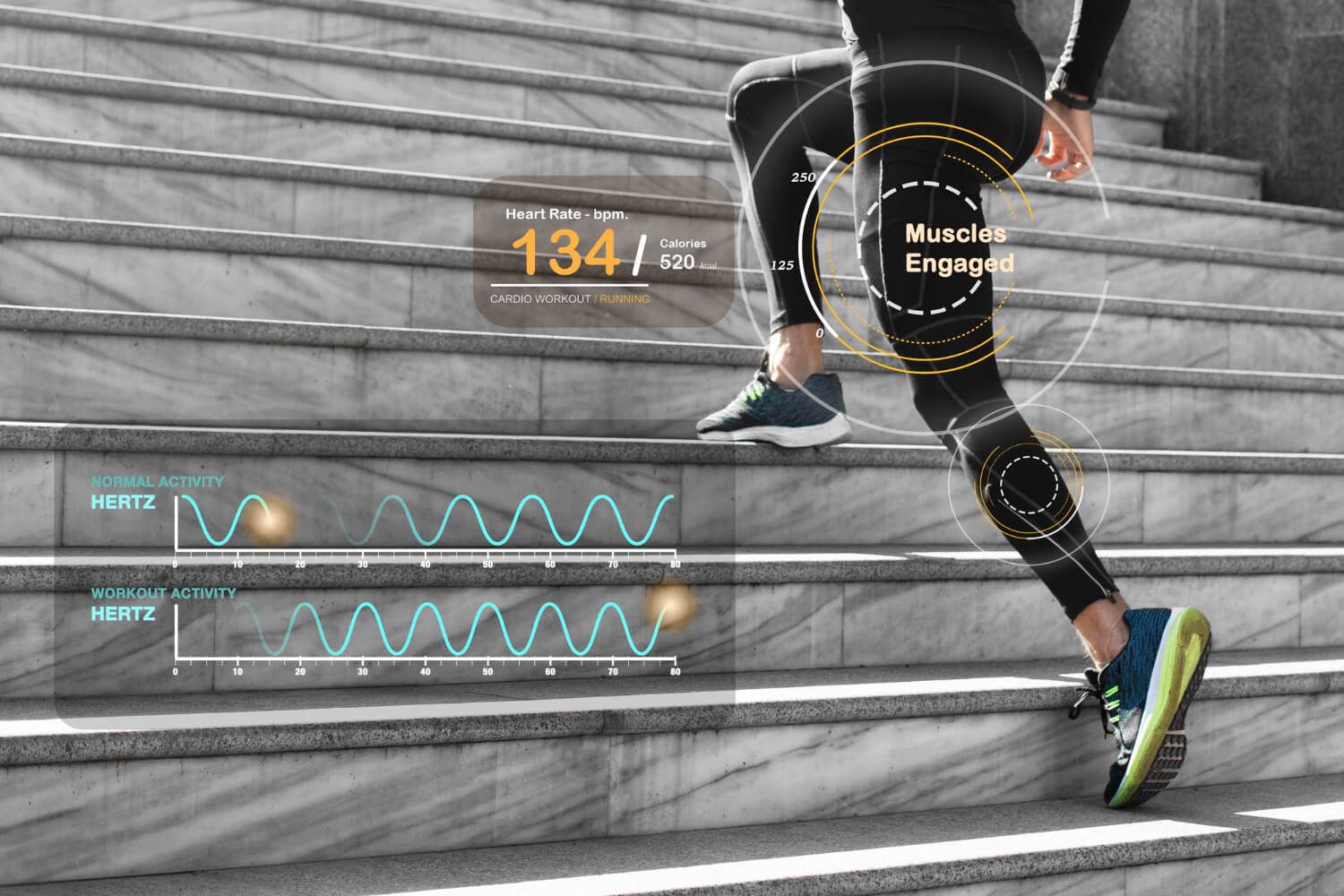
The world of sports is constantly adopting new technologies, and one of the latest trends is the use of AI algorithms for biomechanical data analysis. AI enhances sports by tracking how players move, predicting game outcomes, and reducing injury risks. In sports, AI records human movements using biomechanical data. Which helps professionals instantly track and analyze athletes' actions, offering insights to boost performance. This blog explores how AI uses biomechanical data for sports performance optimization and how it can enhance athlete training.

When athletes move differently from their usual patterns, they could be at risk of injury. By noticing these changes early, coaches can adjust training or techniques to prevent injuries.
Real-time examination of muscle activation patterns and movement efficiency can indicate how tired an athlete is. This helps coaches decide when to substitute or adjust training intensity to maintain peak performance during competitions.:
AI in sports offers instant feedback on an athlete's technique, pointing out areas for improvement. Which leads to personalized training adjustments during sessions, speeding up progress and improving performance.
AI-driven player motion analysis combines real-time feedback with biofeedback mechanisms, and athletes get instant sensory cues (like visual or auditory signals) based on their movement efficiency. It enables self-correction and quicker skill improvement.
AI algorithms for biomechanical data analysis examine opponent movement patterns to predict their next moves and identify weaknesses in their technique. Coaches then develop game strategies to exploit these weaknesses, maximizing their team's chances of success.
AI-driven analysis of player movement data helps teams objectively evaluate potential recruits or draft picks. This allows them to identify athletes with the most efficient movement patterns and the highest potential for success.
No doubt, AI in Sports is transforming the world of sports. It also has a remarkable impact on athletics training. At the same time, most of us have heard of virtual reality (VR) in gaming. Now, it's used to predict how athletes will perform and plan strategies in simulations that feel like real games. Athletes can train and refine their skills without the physical toll of repeated practice. But, VR is even more effective when combined with AI-driven biomechanical data analysis. As players move within the virtual environment, sensors capture data on their movements, which are fed into AI algorithms for analysis. This enables personalized feedback and adjustments, making training more efficient and effective. Hence, enhancing athlete training with AI has many benefits.
With AI-powered tools, coaches can track athletes' progress over time, providing quantifiable evidence of skill development. It permits targeted training adjustments to ensure continued improvement.
Blast Motion uses AI to analyze a batter's swing mechanics with wearable sensors in baseball. It then offers personalized feedback and drills to boost swing efficiency and power. This data-driven method has aided players like Mike Trout and Bryce Harper in refining their technique and achieve top performance.
By monitoring movement patterns and fatigue levels, AI can help prevent injuries before they occur by identifying potential risks and adjusting training accordingly.
Zebra Technologies uses AI-powered wearables to track player movement and impact forces in the NFL. This data helps trainers spot players at risk of injuries like ACL tears and concussions. Early detection allows for targeted interventions like strengthening exercises or modified practice plans, potentially preventing lengthy recovery periods.
AI in Sports can provide real-time feedback on an athlete's technique during training sessions. This immediate feedback allows for on-the-spot adjustments and faster skill development.
Companies like Swing Vision offer AI-powered video analysis tools for tennis. Athletes can record their swings and receive instant feedback on racket speed, follow-through, and ball contact. This real-time analysis allows players to adjust their technique immediately and practice more efficiently.
In the world of sports, the quest for excellence is ceaseless. Athletes and coaches always seek new technologies and methodologies to give them an advantage over their rivals. One of the most transformative forces in this pursuit is sports performance optimization. Here are several ways AI drives a competitive edge in this area:
The program focuses on areas that need improvement, maximizing the effectiveness of training sessions. For example, a sprinter's program might emphasize leg drive and explosiveness, while a gymnast's program might focus on core strength and flexibility.
Addressing specific weaknesses quicker enables athletes to see improvement, leading to increased confidence and motivation. AI also tracks progress over time, providing tangible evidence of improvement and boosting morale.
Athletes can receive feedback on their technique, allowing them to instantly correct errors and refine their movements. It shortens the learning curve and accelerates skill development.
By integrating AI with biofeedback mechanisms, athletes receive sensory cues (visual or auditory) based on their movement efficiency. This grants self-correction and faster skill development, similar to how a pianist uses muscle memory to refine their playing.
Monitoring muscle activation patterns and movement efficiency helps predict fatigue, allowing coaches to make informed decisions about substitutions and training intensity. This ensures athletes perform at their best throughout competitions.
The sports AI market is rapidly expanding and is expected to reach a value of 13.24 billion USD by 2032. Moreover, professional sports leagues globally, including the NBA in the US and the English Premier League in England, are integrating AI for performance analysis, fan engagement, and various other applications. AI algorithms for biomechanical data analysis are potent tools for athletes, coaches, and teams. They offer a deeper understanding of movement, optimized training, injury prevention, and strategic advantages. They're driving sports performance to unprecedented levels. As AI continues to evolve, its role in shaping the future of sports is poised to expand, promising exciting possibilities for sports and fans alike.