
Loading...
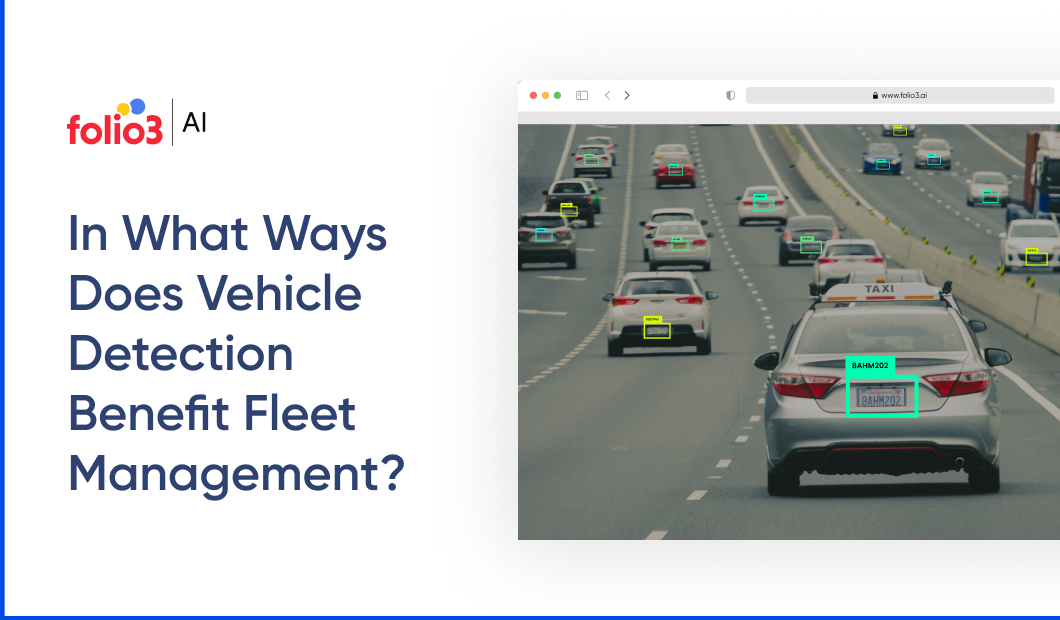
Vehicle detection technology uplifts fleet productivity by optimizing routes, reducing idle time, and lowering fuel consumption.
Real-time monitoring and data-driven insights allow fleet managers to adjust routes on the fly, guaranteeing timely deliveries while reducing travel time and fuel costs.
Predictive maintenance from vehicle detection reduces downtime, helps vehicles last longer, and significantly saves operational costs.
By optimizing routes and reducing fuel usage, vehicle detection technology supports more environmentally friendly fleet operations, reducing emissions and contributing to sustainability.
Companies using vehicle detection gain a competitive advantage through improved efficiency, safety, and customer satisfaction, positioning themselves as leaders in the industry.
Introduction
Vehicle detection technology has greatly improved fleet management by making it more efficient, safe, and cost-effective. Using sensors, cameras, and AI, fleet managers can track vehicle locations and monitor driver behavior in real time, leading to better fleet performance.
According to a report by Teletrac Navman, fleet managers using vehicle tracking systems have seen a 15% reduction in fuel consumption and a 30% increase in vehicle utilization.
Vehicle detection technology also assists fleet managers in improving safety by monitoring vehicle performance and identifying potential issues before they lead to breakdowns. It prevents unauthorized vehicle use and makes maintenance easier by predicting when services are needed.
Take A Look at This Customer Testimonial:
"Since implementing the vehicle detection system, we've seen a significant reduction in unexpected repairs and enhanced efficiency in our fleet operations. It's been a game-changer for us." —John Doe Logistics here.
Vehicle detection is essential for upgrading the performance and profitability of fleet operations. To discover more about its benefits, continue reading.
Vehicle tracking offers numerous benefits, but we will focus on the main ones. Below, we outline some of the technologies involved in vehicle detection that facilitate fleet management.
Real-time fleet tracking empowers businesses to monitor vehicle locations and statuses without any delay, improving visibility and control over fleet operations.
It allows fleet managers to make smart decisions using GPS and telematics systems that provide live data on vehicle movements. This capability helps optimize routes, reduce fuel consumption, and improve delivery times. It also alleviates customer service by delivering accurate estimated arrival times and updates.
Real-time tracking also allows quick responses to unexpected events like traffic delays or vehicle breakdowns. With immediate access to vehicle status, managers can easily reassign tasks or adjust routes and make sure operations remain efficient and responsive.
Moreover, it also contributes to safety by helping fleet managers promptly track vehicle locations and arrange for support in emergencies.
For example, “Uber, a major global ride-hailing company, shows how real-time fleet tracking can improve efficiency and service quality. Using GPS technology, Uber tracks its drivers' locations in real-time, allowing riders to see when their vehicles will arrive. This feature makes the process transparent and helps riders make better choices about their transportation, leading to a better overall experience. ”
Route optimization is a critical component of fleet management. It uses data analytics to plan and adjust routes dynamically, significantly mitigating travel time and fuel consumption.
It lets fleet managers find the best routes for their vehicles using advanced algorithms, real-time traffic data, weather updates, and past route performance. This proactive strategy facilitates timely deliveries and eradicates delays from traffic jams or road closures.
The benefits of route optimization extend beyond just time savings; it directly impacts fuel efficiency and operational costs. Fleets reduce fuel consumption by selecting the shortest and least congested routes, leading to lower expenses and a smaller carbon footprint.
Furthermore, optimized routes help decrease vehicle wear and tear, extending their lifespan and reducing maintenance costs.
See how effective route optimization has been by looking at these statistics.
“A study by Teletrac Navman found that companies using route optimization saw a 15% reduction in fuel costs and a 20% increase in delivery efficiency. For more details, you can check the following links: Teletrac Navman Study on Route Optimisation. “
Operational efficiency in fleet management is about relinquishing idle time and unnecessary stops while expediting scheduling and dispatching.
Businesses can now gather important data about vehicle use and driver behavior. Fleet management software uses advanced technologies like telematics, which helps it alleviate overall efficiency and operational costs.
Reducing idle time permits saving fuel and lowering emissions. Fleet management systems can alert drivers to turn off their engines during long waits, conserving fuel and reducing wear. They also help streamline routes to eliminate unnecessary stops and cut costs.
Lastly, real-time communication refines operational efficiency further. As it helps drivers and dispatchers adjust schedules quickly, boosting responsiveness and reducing costs for better service delivery.
Safety and compliance are paramount concerns in fleet management, where advanced vehicle detection technologies help monitor driver behavior, provide real-time alerts for safety hazards, and ensure adherence to regulations.
Now, fleet managers gain unprecedented insights into driver performance and identify areas for improvement, all due to vehicle detection. It has in-vehicle cameras, sensors, and AI-powered analytics, which let you see minor areas that need improvement and provide focused training that upgrades safety and compliance across the fleet.
Moreover, vehicle technology helps create a safety culture within the organization. With continuous monitoring, drivers receive regular feedback based on real-time data. This encourages them to adopt better driving habits and reduces accident rates.
This proactive approach improves safety records, lowers insurance premiums, and builds customer trust.
In summary, using advanced vehicle technology in fleet management enhances safety and compliance while promoting operational excellence.
Vehicle detection technology helps fleet managers save money by improving efficiency, reducing fuel use, and simplifying maintenance. Using sensors and telematics, they can monitor vehicle performance in real-time, making smart decisions that reduce operating costs.
Vehicle detection systems facilitate predictive maintenance by monitoring vehicle conditions and alerting managers to potential issues before they escalate into costly repairs. This proactive approach not only extends the lifespan of vehicles but also reduces downtime, ensuring that fleets remain operational and efficient.
For example, telematics data can indicate when a vehicle requires servicing based on its usage patterns rather than adhering to a fixed schedule, leading to more effective resource allocation.
Fleets using telematics can save up to 20% on insurance due to better safety. Vehicle detection technologies help lower costs and make operations more efficient and eco-friendly.
In conclusion, vehicle technology transforms fleet management by integrating data-driven insights and automation into daily operations. GPS, telematics, and AI-powered analytics allow fleet managers to monitor better vehicle performance, driver behavior, and overall efficiency. These technologies also provide predictive maintenance alerts, helping prevent costly breakdowns.
As more businesses adopt advanced vehicle technology, the long-term benefits include a smaller environmental footprint, improved customer satisfaction through timely deliveries, and a more adaptable fleet. This innovation gives companies a competitive advantage in an increasingly complex industry.
{ "@context": "https://schema.org", "@type": "FAQPage", "mainEntity": [ { "@type": "Question", "name": "What is vehicle detection technology in fleet management?", "acceptedAnswer": { "@type": "Answer", "text": "Vehicle detection technology uses AI and sensors to track and monitor vehicles in real time, improving fleet visibility and control." } }, { "@type": "Question", "name": "How does vehicle detection technology improve fleet efficiency?", "acceptedAnswer": { "@type": "Answer", "text": "It automates tracking, optimizes routes, reduces idle time, and minimizes delays through AI-driven monitoring and analytics." } }, { "@type": "Question", "name": "Can vehicle detection technology help reduce operational costs?", "acceptedAnswer": { "@type": "Answer", "text": "Yes. By optimizing routes, preventing misuse, and reducing idle time, it helps fleets save on fuel, maintenance, and labor costs." } }, { "@type": "Question", "name": "How does vehicle detection technology improve driver safety?", "acceptedAnswer": { "@type": "Answer", "text": "AI-powered detection identifies risky driving behaviors and provides real-time alerts, improving safety compliance and reducing accidents." } }, { "@type": "Question", "name": "Can vehicle detection technology integrate with fleet software?", "acceptedAnswer": { "@type": "Answer", "text": "Yes. It connects with existing fleet management software via APIs, enabling centralized monitoring and automated reporting." } } ] }
Vehicle detection uses AI-powered computer vision to identify, track, and monitor vehicles in real time, improving fleet visibility and operational control.
AI vehicle detection automates monitoring, reduces manual tracking, optimizes routing, and minimizes delays by analyzing vehicle location and movement patterns.
Yes. By improving route efficiency, reducing idling, and preventing unauthorized vehicle use, AI detection can lower fuel, maintenance, and labor costs.
AI systems identify unsafe driving behavior, issue alerts in real time, and provide video evidence to enhance driver training and compliance.
AI-powered video analytics, GPS, IoT sensors, and telematics platforms work together to provide accurate vehicle tracking and performance monitoring.
Yes. Scalable AI detection tools handle multiple vehicles simultaneously, making them ideal for enterprises with large, distributed fleets.
Yes. Modern AI detection solutions integrate with fleet management systems via APIs for seamless data sharing and centralized dashboards.
Accurate vehicle tracking and incident records from AI detection can lower insurance premiums and reduce liability through verifiable data.
AI detection systems can monitor vehicle usage patterns, detect anomalies, and trigger maintenance alerts to prevent costly breakdowns.
Benefits include better operational visibility, enhanced safety, optimized routing, cost savings, compliance tracking, and improved decision-making.