

Loading...

Revolutionizing Athletic Performance with AI and Smart Sensors
The sports industry stands at the forefront of technological innovation, with wearable sports technology leading a data-driven revolution that's transforming how athletes train, compete, and recover. Based on the annual survey of 2,000 clinicians, researchers and practitioners in the fitness industry, wearable technology was named the number one trend for 2025, cementing its position as the most influential force in modern athletics.
The wearable technology industry is experiencing unprecedented growth, with the global market projected to reach USD 186.14 billion by 2030, growing at a compound annual growth rate of 13.6%. The sports technology market specifically is valued at USD 25.20 billion in 2025 and is projected to surge to USD 86.22 billion by 2033, representing a remarkable CAGR of 16.62%. This explosive growth reflects the increasing recognition of wearable technology as essential infrastructure for athletic excellence and the digital transformation of sports performance optimization.
Wearable sports technology has evolved far beyond simple fitness tracking to become sophisticated performance optimization systems. These AI-powered devices now integrate biometric sensors, GPS technology, and machine learning algorithms to provide real-time insights into heart rate variability, muscle fatigue, movement efficiency, and recovery patterns.
Modern wearables transform raw physiological data into actionable intelligence, enabling athletes to make split-second adjustments during training and competition. The integration of artificial intelligence in sports has created a paradigm shift where every metric becomes a strategic advantage.
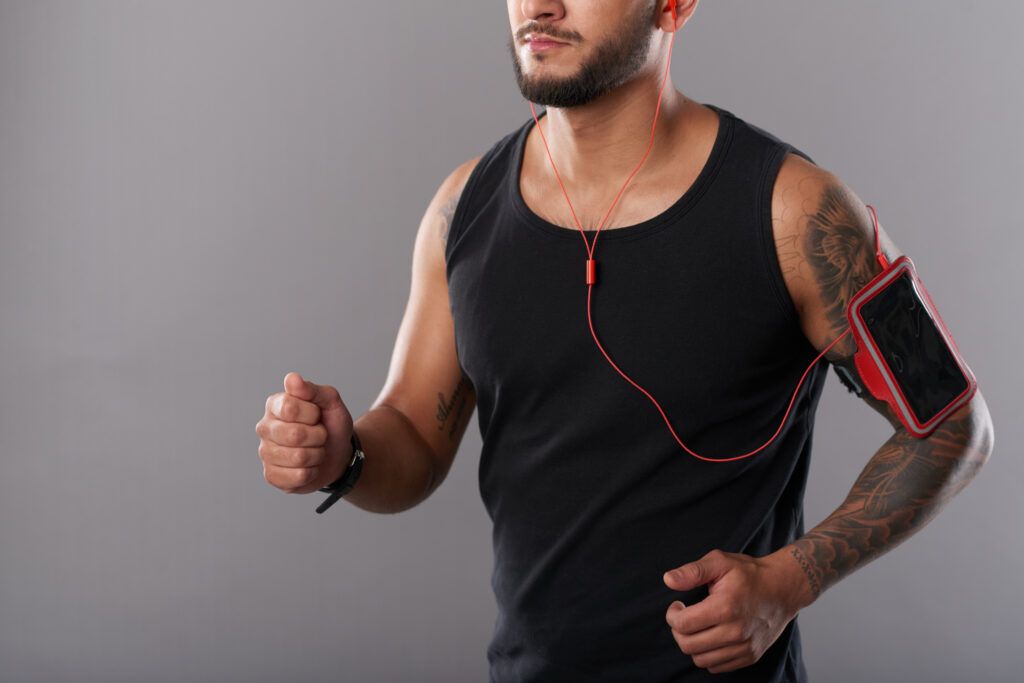
Contemporary fitness trackers like the latest Fitbit and Garmin models have transcended basic step counting to offer comprehensive health analytics. These devices now monitor stress hormones, blood oxygen saturation, and even early signs of illness through advanced biometric analysis.
Key Features in 2025:
Continuous glucose monitoring integration
Stress hormone level tracking
Sleep architecture analysis with REM cycle optimization
Predictive fatigue modeling using machine learning
The Oura Ring 4 tracks heart rate, body temperature, sleep patterns, and stress levels. Its lightweight, titanium design houses advanced sensors that deliver continuous data and allow athletes to customize their training and recovery strategies. Modern smartwatches have become command centers for athletic performance, offering features that were once only available in specialized laboratory settings.
The Apple Watch Ultra and Samsung Galaxy Watch 6 Pro now include:
VO2 max calculations with altitude adjustments
ECG monitoring with arrhythmia detection
Blood pressure trending
Mental health tracking through cortisol level monitoring
Heart rate monitoring has evolved into comprehensive cardiovascular analytics. Devices from Polar, Whoop, and specialized medical-grade monitors now provide:
Heart rate variability (HRV) trends for recovery optimization
Cardiac drift analysis during endurance activities
Zone-specific training recommendations
Predictive models for overtraining syndrome
Research demonstrates that athletes using advanced heart rate monitors can improve training efficiency by up to 25%, making them indispensable for competitive sports.
Smart clothing and footwear have become increasingly sophisticated, with companies like Hexoskin and Sensoria developing garments that rival dedicated medical monitoring equipment.
Innovations in Smart Textiles:
Muscle activation mapping through embedded EMG sensors
Real-time posture correction feedback
Temperature regulation through adaptive materials
Compression therapy with pneumatic systems
Smart footwear now includes pressure distribution analysis, gait efficiency metrics, and injury prevention algorithms that can detect biomechanical imbalances before they lead to injury.
Systems like the Catapult Vector S7/T7 offer precise data on movement, speed, and workload, enabling personalized training and injury prevention strategies. These professional-grade systems are used by organizations across the NFL, Premier League, and NCAA to optimize athlete performance.
Modern GPS systems provide:
Centimeter-level accuracy for movement tracking
Load distribution analysis across muscle groups
Fatigue prediction algorithms
Heat mapping for tactical analysis
Recovery technology has become as important as performance monitoring, with devices focusing on:
Percussion therapy integration (Theragun PRO smart devices)
Compression therapy with graduated pressure systems
Cold therapy monitoring with temperature sensors
Sleep optimization through environmental control
Smart Contact Lenses Smart contact lenses equipped with miniature sensors and electronics can enable a range of functionalities beyond simple vision correction. These revolutionary devices can:
Track glucose levels through tear film analysis
Monitor intraocular pressure for glaucoma prevention
Provide augmented reality overlays for training
Eye tracking smart contact lenses could revolutionize various fields, from healthcare to sports performance
Biometric Patches Skin-adherent sensors now offer:
Continuous lactate monitoring
Electrolyte balance tracking
Hydration status in real-time
Core temperature monitoring
Professional soccer has embraced wearable technology as a tactical necessity. GPS vests and biometric sensors provide coaches with unprecedented insights into player performance, including:
Sprint speed optimization
Positional heat mapping
Workload distribution across matches
Collision force monitoring for concussion prevention
Integration with Football Video Analysis Solutions creates comprehensive performance profiles that inform tactical decisions and injury prevention strategies.
Basketball wearables focus on explosive movements and agility metrics:
Vertical jump force analysis
Landing impact assessment
Lateral movement efficiency
Fatigue-based substitution recommendations
Basketball Video Analysis Solutions complements wearable data to provide complete performance analytics for coaches and players.
Running and cycling have benefited enormously from wearable innovations:
Power meter integration for cyclists
Running efficiency metrics
Metabolic threshold determination
Environmental adaptation tracking
Swimming presents unique challenges for wearable technology, but innovations include:
Waterproof biometric monitoring
Stroke efficiency analysis
Underwater movement tracking
Breathing pattern optimization
Swimming Video AI Analysis works in conjunction with waterproof wearables to provide comprehensive technique analysis.
Tennis and golf benefit from motion-capture wearables that analyze:
Swing mechanics and consistency
Ball impact physics
Movement efficiency
Muscle activation patterns during play
AI applications have the potential to enhance traditional sports performance analysis methodologies. It has enabled video analysis to become faster, more precise, and comprehensive, supplanting time-consuming and potentially biased manual reviews.
Artificial intelligence transforms wearable data through:
Predictive Analytics
Injury risk assessment algorithms
Performance decline prediction
Optimal training load recommendations
Recovery time calculations
Real-Time Optimization
Live coaching through audio feedback
Technique correction suggestions
Pacing strategy adjustments
Tactical recommendations during competition
Long-Term Development
Career progression modeling
Talent identification algorithms
Personalized training program evolution
Performance ceiling predictions
Modern wearables provide instantaneous physiological feedback that allows athletes to:
Adjust training intensity in real-time
Optimize breathing patterns during exertion
Maintain ideal heart rate zones
Prevent overexertion through automated alerts
Similar systems emerge in different types of sports, for example NBA has collaborated with GE HealthCare and MedStar Health to implement injury prevention using data analysis and wearable sensors. Advanced algorithms analyze movement patterns to identify potential injury risks before they manifest, reducing injury rates by up to 30% in professional athletics.
Wearables now track environmental factors and their physiological impact:
Altitude acclimatization progress
Heat stress adaptation
Humidity tolerance development
Air quality impact on performance
The synergy between wearable technology and video analysis creates comprehensive performance intelligence. When paired with sports video analysis solutions, wearable data provides:
Biomechanical correlation with visual technique analysis
Performance metric verification through multiple data sources
Enhanced tactical understanding through movement pattern analysis
Comprehensive athlete development profiles
Technological advancements, such as wearable devices and data analytics, are key to enabling this level of customization. They provide detailed insights that inform personalized training strategies, allowing for adjustments that are closely aligned with an athlete's current condition and needs.
Wearables are increasingly incorporating genetic data and biomarker analysis to provide truly personalized training recommendations. This includes:
DNA-based training optimization
Nutritional supplementation guidance
Recovery protocol customization
Injury susceptibility assessment
Exercise for mental health (#8) reflect strong trends toward programs designed for specific needs and populations. Modern wearables now monitor:
Stress hormone levels throughout training
Sleep quality impact on cognitive function
Meditation and mindfulness effectiveness
Mental fatigue correlation with physical performance
With the increasing sophistication of wearable technology comes greater responsibility for data protection. Athletes and organizations must consider:
Biometric data encryption standards
Third-party data sharing policies
Long-term data storage security
Consent and ownership of performance data
The proliferation of wearable devices can create data silos. Successful implementation requires:
Unified data platforms
Standardized metrics across devices
Integrated coaching workflows
Simplified user interfaces for athletes
While professional teams invest heavily in wearable technology, making these advances accessible to amateur athletes remains a challenge. Solutions include:
Subscription-based device access
Community-funded technology programs
Educational institution partnerships
Open-source development initiatives
Professional teams now use wearable data for:
Roster management and trading decisions
Game strategy development
Fan engagement through real-time statistics
Broadcasting enhancement with live metrics
Furthermore, the legalization of sports betting in several regions, like the U.S. has created new applications for wearable data in:
Real-time odds adjustment
Fantasy sports performance prediction
Live betting opportunities
Enhanced viewer experiences
The next frontier in sports monitoring may include:
Subcutaneous glucose monitors
Implantable heart rate sensors
Bone stress monitoring devices
Neural activity measurement systems
For athletes, these lenses could help coaches and trainers develop personalized sports vision training plans to optimize hand-eye coordination and reaction times. AR-enabled contact lenses could provide:
Real-time performance overlays
Tactical information during competition
Training guidance without external devices
Biometric data visualization
Emerging quantum sensors promise:
Unprecedented measurement precision
Real-time molecular analysis
Cellular-level performance monitoring
Quantum-enhanced prediction algorithms
Wearable sports technology has evolved from novelty gadgets to essential tools for athletic excellence. The move towards personalized training programs is crucial for addressing individual athlete needs, and promoting healthier, longer careers. As we advance through 2025 and beyond, the integration of AI, advanced sensors, and predictive analytics will continue to push the boundaries of human performance.
The future of sports lies in the seamless integration of technology and human potential. Athletes who embrace these innovations, combined with comprehensive sports video analysis solutions and AI-driven insights, will gain significant competitive advantages in training efficiency, injury prevention, and performance optimization.
As the global wearable technology market is expected to grow at a compound annual growth rate of 13.6% from 2023 to 2030 to reach USD 186.14 billion by 2030, the sports industry will continue to be a driving force in wearable innovation, creating technologies that benefit not only elite athletes but also recreational sports enthusiasts worldwide.
How does wearable technology improve athletic performance in 2025?Modern wearable devices provide real-time data on advanced metrics including heart rate variability, muscle activation patterns, biomechanical efficiency, and recovery optimization, enabling athletes to make immediate adjustments and long-term training improvements with up to 25% better efficiency.
What are the latest innovations in wearable sports technology?2025 innovations include smart contact lenses for glucose monitoring and augmented reality, biometric patches for continuous health tracking, AI-powered predictive injury prevention, and quantum sensors for molecular-level performance analysis.
How do smart contact lenses benefit athletes?Smart contact lenses can track glucose levels through tear analysis, monitor eye movements for technique optimization, provide augmented reality training overlays, and help develop personalized vision training programs for improved hand-eye coordination.
Can wearable technology prevent sports injuries?Yes, advanced wearables use AI algorithms to analyze movement patterns, muscle fatigue, and biomechanical data to predict injury risks before they occur, reducing injury rates by up to 30% in professional sports.
How is AI integrated into sports wearables?AI powers predictive analytics for injury prevention, real-time technique optimization, personalized training recommendations, performance ceiling predictions, and automated coaching feedback through machine learning algorithms.
What role do biometric patches play in sports?Biometric patches provide continuous monitoring of lactate levels, electrolyte balance, hydration status, and core temperature, offering non-invasive alternatives to traditional blood testing for real-time physiological assessment.
How do wearables integrate with video analysis software?
Wearable data combines with sports video analysis to provide comprehensive performance intelligence, correlating biomechanical metrics with visual technique analysis for complete athlete development profiles.