Loading...
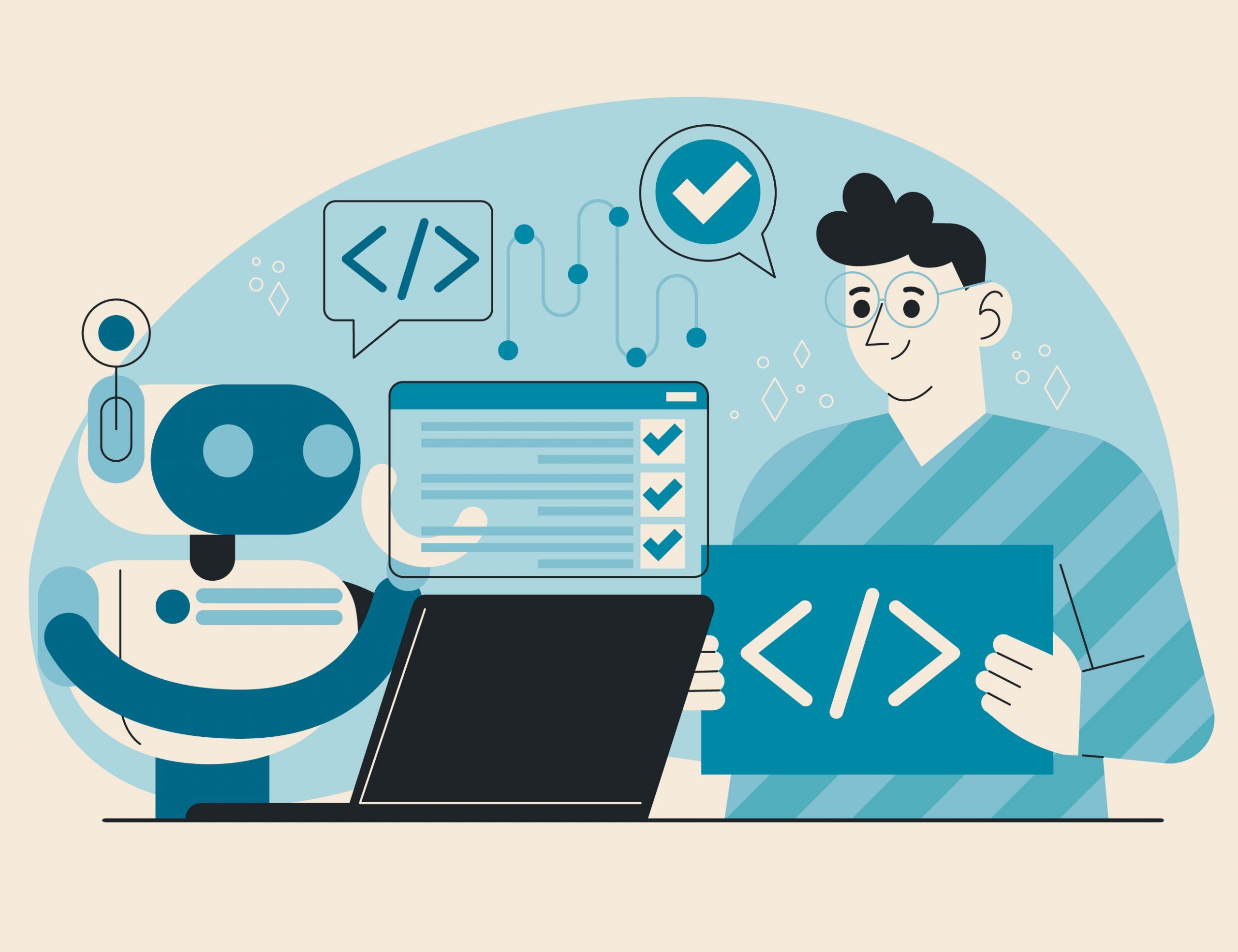
While concerns about jobs and education frequently make headlines, the reality is that large-scale language models like ChatGPT will impact almost every aspect of our life. These new technologies arouse widespread worries about the potential for artificial intelligence to reinforce social prejudices, commit fraud and identity theft, produce fake news, disseminate false information, and more. Researchers are working to give tech users the tools to reduce these hazards. For example, the researchers show that it is possible to teach someone how to distinguish between text produced by a machine and text composed by a human.
As educators reevaluate learning in the wake of ChatGPT, concerns about the integrity of the job market have extended to the classroom from the creative economy to the managerial class. Although concerns about jobs and education frequently make headlines, the reality is that large-scale language models like ChatGPT will impact almost every aspect of our life. These new technologies arouse widespread worries about the potential for artificial intelligence to reinforce social prejudices, commit fraud and identity theft, produce fake news, disseminate false information, and more. However, they are also advancing scholarly research.
A group of academics at the University of Pennsylvania School of Engineering and Applied Science is working to enable computer users to lessen these hazards. The authors show that individuals can learn to distinguish between language created by a machine and text authored by a human in a peer-reviewed study presented at the Association for the Advancement of Artificial Intelligence meeting in February 2023. It's crucial to be aware of the actions you may take to evaluate your source's credibility before selecting a recipe, sharing an article, or giving out your credit card information.

Ippolito, a co-leader of the Penn study who is currently a Research Scientist at Google, adds to Dugan's emphasis on detection by emphasizing the best uses for these technologies in her work. For instance, she contributed to Wordcraft, an AI writing tool created in collaboration with established authors. Unfortunately, authors or researchers did not find a compelling alternative for a fiction writer. Still, they did see great value in AI's capacity to support the creative process. These technologies, in Callison-opinion, and Burch's, are best suited for creative writing at present. The lack of guarantee of factuality makes news reports, term papers, and legal counsel poor use cases. "You can push this technology in some exciting, wonderful areas," says Dugan. Although we now know that we may be educating ourselves to be better readers and writers, people are hooked on bad examples, such as plagiarism and fake news.
Does the text support NLP? Natural language processing (NLP), also known as text mining or text analytics, is an artificial intelligence (AI) technique that turns free (unstructured) text found in documents and databases into normalized, structured data that can be used for analysis or as input for machine learning (ML) algorithms. What does text NLP do? The field of computer science known as "natural language processing" (NLP) is more particularly the field of "artificial intelligence" (AI) that is concerned with providing computers with the capacity to comprehend written and spoken words like that of humans.